

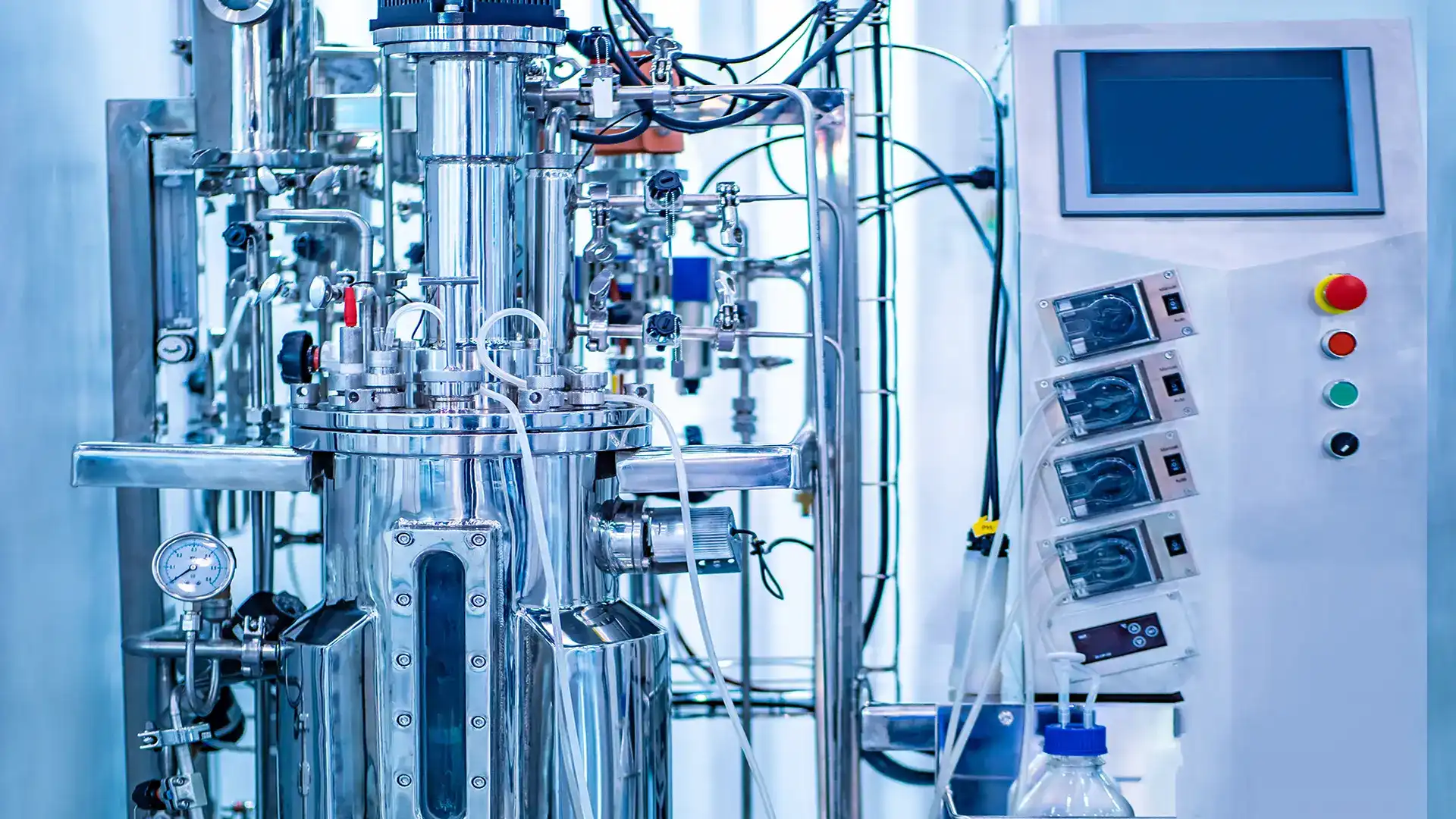

Eli Lilly Advances U.S. Manufacturing Buildout
Reports related to this article:
Written by Danny Levin, Deputy Editor for IIR News Intelligence (Sugar Land, Texas)
Summary
Amid a $50 billion plan to reshore medicine production, Eli Lilly broke ground on a $6.5 billion manufacturing plant in Houston, Texas. Industrial Info Resources is tracking $57 billion worth of active and planned projects from Eli Lilly worldwide, about 90% of which is in the U.S.
New U.S. Plant Construction
Eli Lilly and Company recently broke ground on a $6.5 billion manufacturing plant in Houston, Texas, which is part of a $50 billion plan to reshore production to the U.S. Industrial Info Resources data show $57 billion worth of active and planned projects from Eli Lilly worldwide, about 90% of which is in the U.S.
The company has said the multibillion-dollar effort is designed to “meet growing demand at home and export American-made medicines to people around the world.”
This comes as major global pharma and biotech companies have been hard at work reshoring and expanding domestic production in the face of U.S. demand and potential import tariffs. However, Eli Lilly and 16 other large drugmakers are exempt from President Donald Trump’s 100% Section 232 tariff on imported patented drugs and their active pharmaceutical ingredients (APIs)–the chemical compounds in medicine–that was set to take effect on July 31.
Annette Kreuger, Industrial Info’s vice president of research for the Pharma-Biotech Industry, said: “We have definitely seen a spike in domestic capital activity. It surpasses anything experienced during the pandemic.”
“The vast majority of these projects are in the biological sector–the cash cow, if you will, for the industry,” she continued. “Tariffs and policy can change with the wind, but one thing is certain: Companies want to ensure supply of their most profitable drugs. What is good about these plants is their flexibility to change over to other products as they come to the commercial production stage.”
“Will the growth spike continue? It can’t, not at this level, and it will settle down into a more normal pattern of investment. But, make no mistake, these massive projects are making it to construction all over the country.”
Eli Lilly’s plant under construction in Houston will produce APIs that will support planned production of medicine such as Foundayo (orforglipron), Lilly’s first U.S. Food & Drug Administration-approved, once-daily oral pill for weight loss that can be taken without food or water restrictions. The plant also will support other small-molecule medicines and advanced therapeutics. Construction is expected to wrap up next year.
Lilly has said Foundayo is under regulatory review in more than 40 countries, with a full global rollout targeted for 2027. The company also is studying Foundayo for other applications, including type 2 diabetes and obstructive sleep apnea.
Industrial Info Resources offers more information on the Houston project in its Global Market Intelligence (GMI) Pharmaceutical-Biotech Plant and Project databases, where readers can find details–including construction schedules, investment values and key contacts–in a plant profile and related project reports.
GLP-1s, in particular, are a main focus for Eli Lilly and are driving billions of dollars’ worth of investment for the company, as well as the global pharma and bio industry. For more information, see August 27, 2026, article – GLP-1 Drugs Drive Pharma Construction Wave.
The project marks one of 10 U.S. manufacturing sites–and its fifth location to produce U.S.-based APIs–announced by Eli Lilly since 2020.
Eli Lilly’s Other Investment Projects
Other domestic projects underway aimed at producing APIs for GLP-1s include construction of the Lilly Lebanon API manufacturing plant in Lebanon, Indiana, which is designed for mass production of Zepbound, Mounjaro and Foundayo. The plant is part of a larger complex that also includes the $4.5 billion Lilly Medicine Foundry, which is designed for the research, trial-supply production and manufacturing process development for Zepbound and Mounjaro.
When fully operational, Lilly Lebanon API would be the largest API manufacturing site in U.S. history. Readers can view a detailed list of project reports related to Eli Lilly’s overall investment in Lebanon, which includes ongoing construction of an advanced therapies campus.
Other planned API plants are located near Richmond, Virginia, and Huntsville, Alabama.
Manufacturing sites also are planned for the production of injectable medicines and manufacturing devices, including those in Concord, North Carolina, Kenosha, Wisconsin, and Lehigh Valley, Pennsylvania.
Industrial Info Resources offers a full list of reports for active and planned Eli Lilly projects across the U.S. and worldwide.
Lilly has a major presence in Europe and plans to spend US$3 billion on an oral solid medicines manufacturing facility in Katwijk, Netherlands, which is designed to support medication such as orforglipron. Final construction permits are still under review. Readers can view more information here.
Industrial Info Resources also offers a full list of detailed reports for projects mentioned in this article, and a full list of related plant profiles.
Key Takeaways
- $57 billion: Total investment value of active and planned projects from Eli Lilly worldwide, about 90% of which is in the U.S.
- Production of APIs, especially for GLP-1s, is a main focus.
About Industrial Info Resources
Industrial Info Resources (IIR) is the leading provider of industrial market intelligence. Since 1983, IIR has provided comprehensive research, news and analysis on the industrial process, manufacturing and energy related industries. IIR’s Global Market Intelligence (GMI) helps companies identify and pursue trends across multiple markets with access to real, qualified and validated plant and project opportunities. Across the world, Industrial Info Resources is tracking over 250,000 current and future projects worth $30.2 trillion (USD).

