Silent Boom: Business, Manufacturing Surge Despite Inflation | News Radio 1200 WOAI


While public perception of the economy continues to wallow in negativity focused mostly on gas prices and stubborn inflation, there is a quiet boom underway that is not getting as much attention. New federal data reveal that U.S. manufacturing activity is surging, with factory output rising last month at the highest level in more than four years, while business service activity rose to its highest mark in nearly five years. At the same time, employmant in manufacturing and business services increased at a four-year high. “What we’re seeing is actually a business boom in the United States,” says John Carney, economics and finance editor of Breitbart. “The economy appears to be growing as fast as five percent annualized in September, and probably for the third quarter we’re going to get a (GDP) number as high as four percent…so this is a rapidly growing economy.”

These positive numbers come on the heels of recent news that the U.S. poverty rate hit a record low last year, while household wages reached a record high. Still, much of the media coverage and public opinion remain negative on the economy, primarily due to inflation and gas prices. And time is rapidly running out for President Trump and Republicans to turn that narrative around. “In my experience, people’s impressions about how the country and the economy are doing really get settled between Memorial Day and July 4th,” says Carney. “After that, it becomes very hard to change people’s minds about what is happening on the ground…so most people’s views on the economy are probably going to be unchanged between now and Election Day.”

Ironically, all of the positive factors in the economy helped convince the Fed to raise its benchmark interest rate this month, which can raise the cost of large purchases like homes and cars and further dampen public perception of the economy. “The problem is that inflation ran so hot under Biden that we’re still struggling with prices that seem too high,” says Carney. “One of the things inflation does is it poisons people’s minds against the economy for years to come, and we’re still dealing with that.”

“But objectively, this is one of the best economies we have seen in a generation.”

Free Training

Source link

‘Wings For The World’s Fastest Business Jet Are Made By American Workers’ — TradingView News


Bombardier Inc. (BDRBF) fired back Monday after President Donald Trump threatened to block sales of the Canadian planemaker’s jets in the United States, issuing a statement defending its American manufacturing footprint and thousands of U.S. jobs tied to its business-jet production.

Bombardier Highlights U.S. Economic Impact 

Trump posted on Truth Social that he would end Bombardier sales in the United States, saying the company’s products were not worth it.

“NO MORE SELLING BOMBARDIER IN THE UNITED STATES! Their products aren’t good enough! Over 50% of their revenue comes from the United States — They live off American Buyers, American Companies, American Airports, and American Service — All while Canada blocks our GREAT American Banks, and Companies, throughout the U.S.A. They even blocked Gulfstream Aerospace from doing business in Canada — Completely unjust and unfair!”

The Montreal-based manufacturer pushed back within hours, emphasizing its existing U.S. manufacturing operations. The company said its American operations support tens of thousands of jobs, both directly and through its supplier network. Bombardier class B stock slipped 0.6% last week, logging three straight weeks of losses.

Bombardier employs workers across more than 20 states, including Kansas, Texas, Arizona, Florida, Connecticut, Illinois, Delaware, California, New Jersey and Washington, D.C. Its U.S. operations work with roughly 2,800 domestic suppliers spanning 47 states. The company spends more than $2.5 billion annually with those businesses.

“Bombardier aircraft are built with American-made components such as engines, avionics and many more key systems provided by great American companies. Significantly, the wings for the world’s fastest business jet are made by American workers at Bombardier’s facility in Red Oak, Texas while crucial flight control components are made in Bombardier’s Los Angeles, California area facility.”

Canada Prepares New Tariffs On U.S. Goods 

The disagreement comes as trade tensions between the U.S. and Canada grow. Trump criticized Canada for restricting American banks and companies, while Canada prepares to respond to U.S. tariffs, raising fears of a broader trade war.

According to a Bloomberg report, Canada plans to place 15% to 50% tariffs on hundreds of U.S. products, starting Tuesday, as Prime Minister Mark Carney tries to strengthen Canada’s position in trade talks with the U.S. The tariffs would raise duties on many U.S. steel products to 50% from 25% and add new taxes on items such as motorcycles, cosmetics and cheese.

BDRBF Stock: Retail View

Meanwhile, on Stocktwits, retail sentiment around the stock jumped to ‘bullish’ from ‘bearish’ territory.

“They do build in the US… they are in Texas, California, Kansas, Connecticut, Florida and Indiana. At least 3000 American employees,” said one user in response to Trump’s latest post.

BDRBF stock has gained 34% year-to-date.

Free Training

Source link

Supreme Group establishes first U.S. manufacturing facility to strengthen nonwoven materials business


By K. Gopalakrishnan

$25.8 Million Investment in North Carolina to Drive Innovation, Application Development and Customer Collaboration

Supreme Group, one of India’s leading manufacturers of advanced nonwoven materials and engineered textile solutions, has announced a major strategic investment in the United States through its subsidiary, Supreme Nonwoven Inc. The company will invest approximately US$25.8 million to establish its first manufacturing facility in the U.S., marking a significant milestone in its global expansion journey.

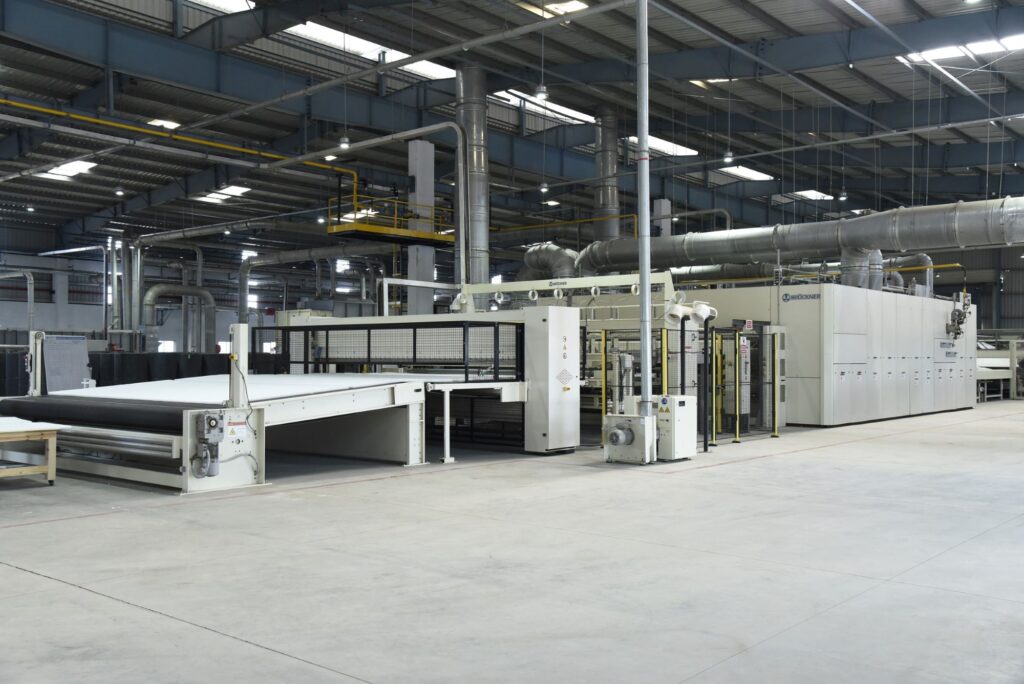
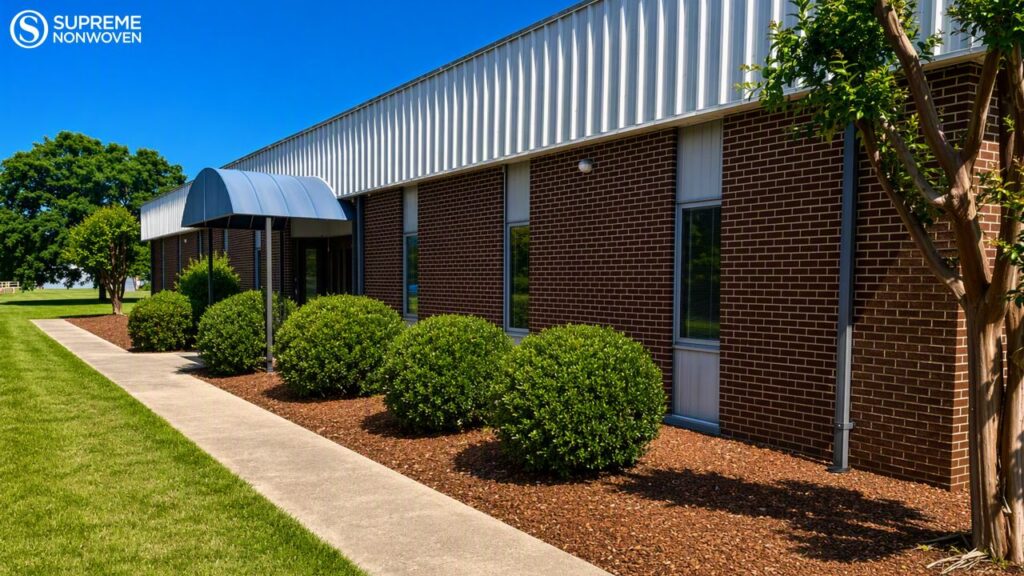
Located in Lexington, North Carolina, the new facility will serve as an integrated hub for application engineering, product development, technical collaboration, and manufacturing, enabling the company to strengthen its presence in North America and work more closely with customers across a wide range of industrial and automotive applications.

Amit Kavrie, Managing Director, Supreme Group

The investment underscores Supreme Group’s long-term commitment to the U.S. market and reflects its strategy of bringing advanced material technologies closer to customers while enhancing responsiveness, innovation, and localized manufacturing capabilities.

Building a Stronger Presence in High-Performance Nonwovens

Over nearly four decades, Supreme Group has established a strong reputation in the development and manufacture of advanced nonwoven materials serving diverse sectors including automotive, apparel, filtration, and industrial applications. The company has built a broad technology platform that enables it to transform specialized materials into value-added solutions tailored to customer requirements.

The new manufacturing facility, spanning more than 200,000 square feet, will significantly enhance the company’s ability to collaborate with customers in North America on customized material solutions. By integrating product development, application engineering, and manufacturing under one roof, Supreme aims to accelerate innovation cycles and improve speed-to-market for new products.

According to the company, the facility will play a critical role in strengthening its ability to develop, test, and refine materials closer to their end-use environments.
“Our decision to establish this facility in North Carolina reflects a long-term commitment to serving the U.S. market with locally manufactured nonwoven materials,” said Amit Kavrie, Managing Director, Supreme Group. “We see this as an important step in bringing our material technologies and development capabilities closer to customers in the region while building a foundation for long-term growth.”

Focus on Application Development and Customer-Centric Innovation

A distinguishing feature of the investment is its emphasis on technical collaboration and application-focused innovation. Rather than serving solely as a production facility, the site is being designed as a center where customers and partners can work closely with Supreme’s technical teams to develop customized material solutions for evolving market requirements.
The company believes that proximity to customers will enable a deeper understanding of application challenges while supporting more efficient product trials, validation processes, and commercialization efforts.

In its announcement, Supreme noted that the facility will focus on enhancing performance, consistency, and application relevance across its product portfolio. The local presence is expected to improve alignment with customer requirements and ensure more consistent execution across projects.

“Over time, it will strengthen our ability to develop and trial materials closer to their end use, with a focus on performance, consistency and application relevance,” the company stated.

The investment also reflects Supreme’s intention to establish a stable and scalable manufacturing platform that can evolve in line with future market demand.

Supporting Automotive and Industrial Growth Opportunities

The new U.S. facility is expected to play a key role in serving high-growth sectors such as automotive and industrial manufacturing, where demand for advanced nonwoven materials continues to increase.

As automotive manufacturers seek lighter, more sustainable, and performance-driven material solutions, nonwovens are becoming increasingly important across interior applications, acoustic systems, filtration, insulation, and engineered components. Similarly, industrial markets continue to require specialized nonwoven solutions that combine durability, functionality, and cost efficiency.

By locating closer to major customer bases, Supreme aims to strengthen technical support, improve responsiveness, and create stronger partnerships with OEMs, Tier suppliers, and industrial manufacturers throughout North America.

“Lexington offers us a strong base from which to support customers with responsiveness, technical collaboration, and reliable execution,” said Manoj Swain, Director of International Operations, Supreme Group. “As we build this operation, our focus will be on creating the right competencies locally while also drawing on the broader capabilities of the Group to serve regional customer requirements over time.”

A Strategic Step in Global Expansion

The establishment of the company’s first U.S. manufacturing presence represents far more than a capacity expansion. It reflects Supreme Group’s broader vision of building a globally integrated nonwovens business supported by localized manufacturing, customer collaboration, and innovation-driven growth.

By combining its extensive materials expertise with a strong local presence, the company is positioning itself to serve the evolving needs of North American customers more effectively while strengthening its role in the global nonwovens industry.

As demand for advanced materials continues to grow across automotive, industrial, filtration, and technical textile applications, Supreme Group’s latest investment marks an important step in expanding its international footprint and reinforcing its commitment to delivering high-performance, customer-focused nonwoven solutions worldwide.

Free Training

Source link

Apparel Brands Partner With Unspun to Build Automated U.S. Manufacturing Hub » World Business Outlook


Leading brands, including Walmart, have signed letters of support for unspun’s plan to build domestic manufacturing capacity in the U.S. using an AI-enabled 3D weaving technology designed to bring apparel manufacturing closer to consumers at a commercial scale. Supply chain partners Bethel Industries, Peckham, and PDS Ltd / GSC Link are also participating to help establish automated domestic production hubs, with initial production on the near-term horizon.

With more than USD 50M in VC funding, unspun is advancing its proprietary 3D weaving technology — an AI-enabled system that produces garments directly from yarn via a highly automated process. REI has also signed a letter of support for the initiative, reinforcing broad industry demand for reshored, next-generation apparel manufacturing. unspun has equipment ready for deployment and is currently evaluating sites across multiple states.

“We are not exploring whether domestic apparel manufacturing can work. We are building it,” said Arne Arens, CEO of unspun and former Global Brand President of The North Face. “Our clients are looking for a new production model because they see the economics: manufacturing closer to the customer, responding to demand within the same season, and creating skilled American jobs in the process.”

Unspun (Logo credit: Business Wire)Unspun (Logo credit: Business Wire)
unspun’s 3D technology weaves semi-finished garments directly from yarn in minutes, transforming dozens of traditional cut-and-sew steps into a single, automated process. The platform enables brands to produce closer to demand, reorder within the same season, and significantly reduce excess inventory — an issue that costs the industry billions each year. By shortening production timelines from months to days, 3D weaving can improve gross margins by 400–500 basis points through fewer markdowns and write-offs, while also supporting the creation of skilled manufacturing jobs in the U.S. This approach is designed to unlock domestic, demand-driven production at commercial scale as the apparel industry shifts toward next-generation manufacturing systems.

Avisnash Bhasker, Vice President, Apparel Production Development at Walmart, said, “Our customers are proud to buy apparel made in America, and the demand keeps growing. We are excited about unspun’s commitment and effort in helping rebuild domestic manufacturing capability that is faster, smarter, and designed for how customers actually shop.”

unspun is currently evaluating potential locations, infrastructure requirements, and workforce training programs as it moves toward establishing the first automated apparel manufacturing hubs in the United States powered by 3D weaving technology. The initiative represents one of the first examples of AI-enabled automation being deployed to rebuild domestic manufacturing capacity at scale.

Arens was appointed CEO in March 2026, bringing decades of experience leading global consumer brands, including The North Face and Boardriders, the parent company of Quicksilver and Billabong. His appointment signaled unspun’s shift from technology development to industrial-scale deployment.

Source

Free Training

Source link

United States Dallas Fed Manufacturing Business Index declined to -0.2 in March from previous 0.2


Information on these pages contains forward-looking statements that involve risks and uncertainties. Markets and instruments profiled on this page are for informational purposes only and should not in any way come across as a recommendation to buy or sell in these assets. You should do your own thorough research before making any investment decisions. FXStreet does not in any way guarantee that this information is free from mistakes, errors, or material misstatements. It also does not guarantee that this information is of a timely nature. Investing in Open Markets involves a great deal of risk, including the loss of all or a portion of your investment, as well as emotional distress. All risks, losses and costs associated with investing, including total loss of principal, are your responsibility. The views and opinions expressed in this article are those of the authors and do not necessarily reflect the official policy or position of FXStreet nor its advertisers. The author will not be held responsible for information that is found at the end of links posted on this page.

If not otherwise explicitly mentioned in the body of the article, at the time of writing, the author has no position in any stock mentioned in this article and no business relationship with any company mentioned. The author has not received compensation for writing this article, other than from FXStreet.

FXStreet and the author do not provide personalized recommendations. The author makes no representations as to the accuracy, completeness, or suitability of this information. FXStreet and the author will not be liable for any errors, omissions or any losses, injuries or damages arising from this information and its display or use. Errors and omissions excepted.

The author and FXStreet are not registered investment advisors and nothing in this article is intended to be investment advice.

Source: https://www.fxstreet.com/news/united-states-dallas-fed-manufacturing-business-index-declined-to-02-in-march-from-previous-02-202603301430

Free Training

Source link

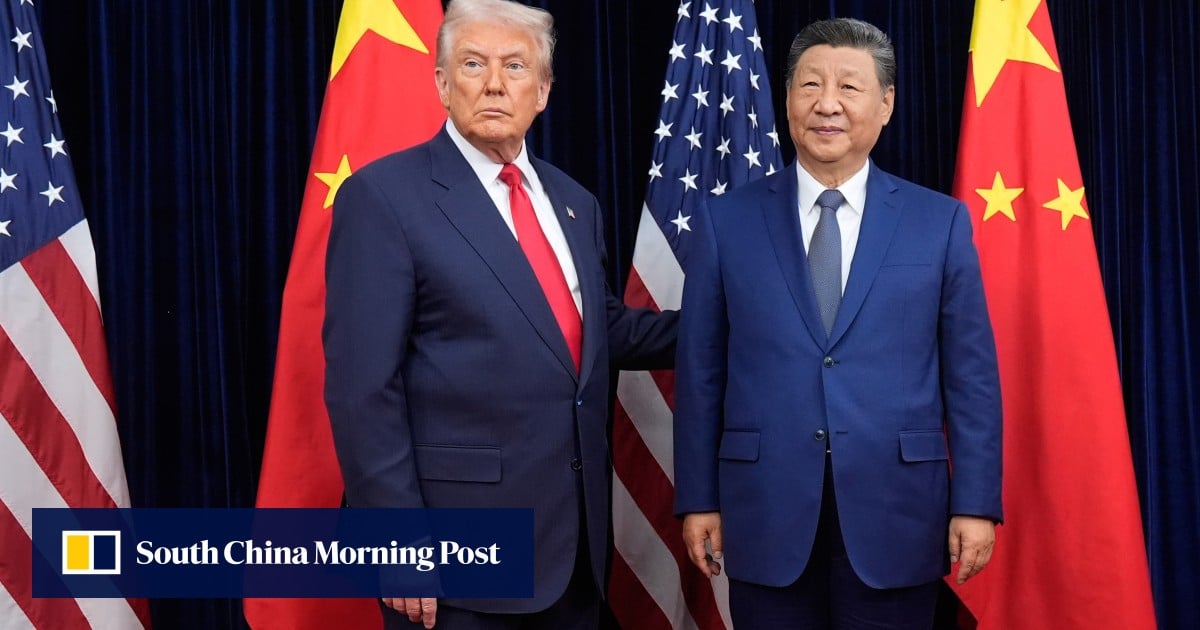
China mulls US manufacturing fund ahead of Xi-Trump summit, business leader says


China and the US are likely to secure several “very positive” outcomes but not a “grand bargain” at their presidential summit in April, according to the board chief of a major American business lobby.

James Zimmerman, chairman of the American Chamber of Commerce in China, said on Friday that “the optics [of] announcing deals” such as aircraft and soybean sales might be US President Donald Trump’s main objective for his meeting with Chinese counterpart Xi Jinping in Beijing this spring.

Speaking at an event at the Lowy Institute think tank in Sydney, the Beijing-based lawyer said another issue “still out there” was for China to invest in manufacturing in the United States. He added that China had shown receptiveness to such proposals but would require “protection” in return.

“Apparently there is a discussion about the possibility of Beijing setting up a fund to encourage Chinese investors to make manufacturing investment in the US, and similar to that encouraged of Japan, Taiwan and South Korea,” Zimmerman said.

“You won’t see a grand bargain worked out at the April meeting, but you may see certain deliverables that are very positive,” he said during the talk, adding that the pressure of the US midterm elections in November could contribute to Trump’s eagerness for those outcomes.

His comments came a day after China confirmed that discussions were under way about Trump’s visit.

Free Training

Source link

Tesla launches US-made solar panel, a rare sign of life for its solar business


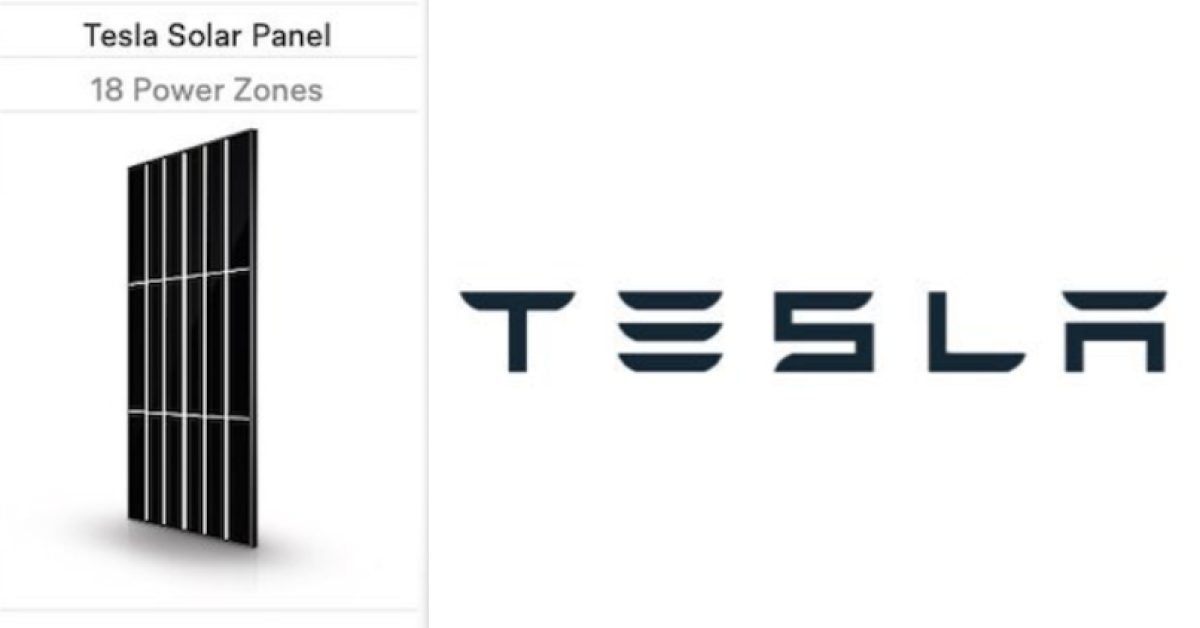
Tesla has updated its online configurator with a new solar panel heavily emphasizing its US manufacturing at Gigafactory New York. It’s a surprising new product launch for a business that Tesla has seemingly been dismantling for the last two years.

For years now, we have been reporting on the slow decline of Tesla’s solar business.

After acquiring SolarCity in 2016, Tesla’s solar deployment has never reached the highs of its predecessor. The situation became dire over the last few years as Tesla stopped scheduling projects in many markets and eventually stopped reporting its solar deployment numbers entirely in 2024.

Instead, the company shifted its strategy to become a supplier, launching an “Installer Day” and pushing its hardware through third-party certified installers rather than its own internal teams.

Advertisement – scroll for more content

But late last year, we saw a flicker of life when Tesla announced it would restart solar panel production in Buffalo. Now, we have the full specs of that product, and it looks like Tesla is finally doing what it promised nearly a decade ago: building its own unique solar module.

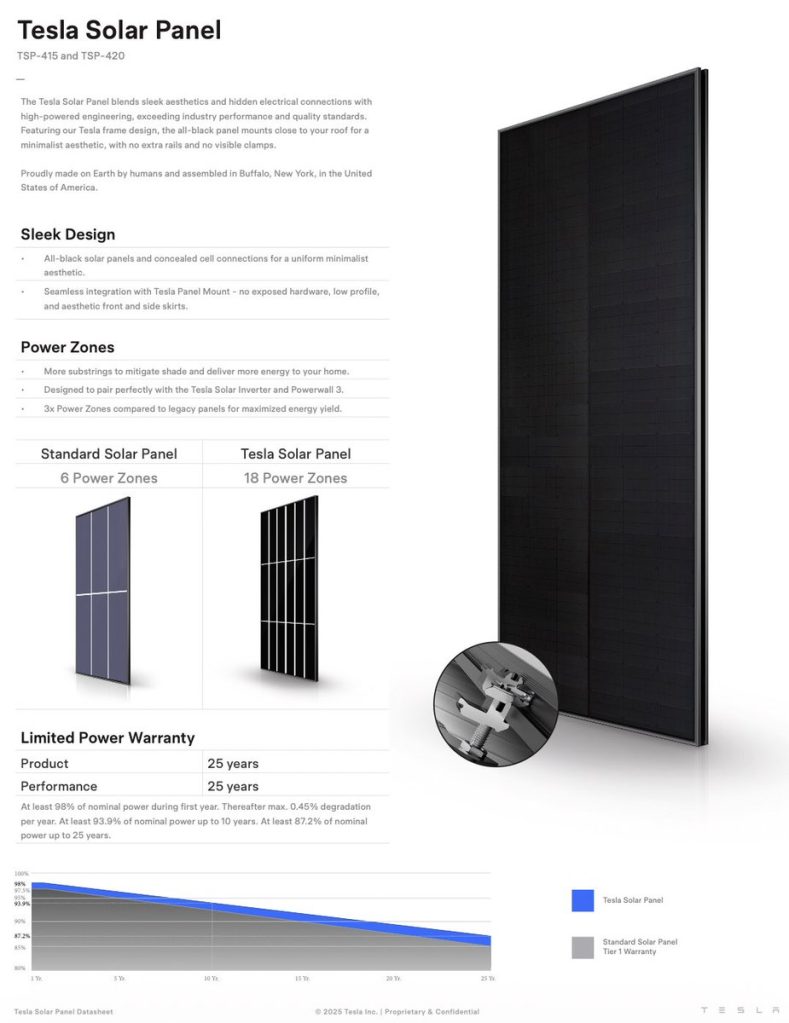
The new module, listed as TSP-420, appeared on Tesla’s website today.

Made in Buffalo, Finally

The most prominent feature of the datasheet is the statement: “Proudly made on Earth by humans and assembled in Buffalo, New York, in the United States of America.”

“Assembled in Buffalo” does point to someone outside the US producing the solar cells and Tesla assembling the panels at Gigafactory New York in Buffalo.

But this is still significant. Gigafactory New York (originally built for SolarCity and paid for by the state of New York) was supposed to be the largest solar factory in the Western Hemisphere. However, after the acquisition, Panasonic took over manufacturing there before exiting the facility in 2020. Since then, the factory has been mostly used for Supercharger components and Autopilot data labeling.

For the last few years, Tesla has been white-labeling panels from other manufacturers like Q Cells. This new datasheet confirms they are bringing manufacturing back in-house with a proprietary design.

Giga New York is back to being a solar factory to some degree.

The Specs: 18 Power Zones?

The specs show a 415W and 420W module, which is standard for the current market, we previously reported on Tesla adopting 420W panels back in 2021.

However, the technology inside seems different. Tesla claims the new panel features “18 Power Zones” compared to 6 in a standard panel.

Standard half-cut solar cells usually split a panel into two independent sections (top and bottom) to handle shading better. If Tesla is claiming 18 zones, they are likely using a shingled cell design or a custom string layout that allows the panel to maintain output even when significant portions are shaded.

The datasheet also confirms the integration of the Zep-derived rail-less mounting hardware, which Tesla claims allows the panel to sit closer to the roof for a “minimalist aesthetic” – a tech acquired through the Solar City bailout a decade ago.

Electrek’s Take

On one hand, I am happy to see Tesla finally utilizing Gigafactory New York for its original purpose. The “Power Zones” tech sounds genuinely useful for shading issues, and if they can control the manufacturing cost, it could be a competitive product.

There are some smaller panels out there that have 420 watts of capacity, but if it can handle shading better, it could be more efficient.

On the other hand, what does this mean for Tesla’s solar business?

Tesla has spent the last two years firing its solar scheduling teams and canceling customer orders en masse. They explicitly pivoted to third-party installers. Is this panel only for Tesla’s internal crews (which are now skeletal)? Or will they sell this premium, US-made panel to third-party installers?

I think it’s going to be the latter.

If they sell it to third parties, it competes directly with the commodity panels those installers love to use. If they keep it for themselves, they need to rebuild an installation workforce they just spent years dismantling.

It feels like Tesla’s solar strategy is still a bit of a yo-yo. But at least for now, the solar business has a pulse.

If you want to make sure you’re finding a trusted, reliable solar installer near you that offers competitive pricing, check out EnergySage. EnergySage is a free service that makes it easy for you to go solar – whether you’re a homeowner or renter. They have hundreds of pre-vetted solar installers competing for your business, including those who install Tesla Solar and Powerwalls, ensuring you get high-quality solutions and save 20 to 30% compared to going it alone. Plus, it’s free to use and you won’t get sales calls until you select an installer and you share your phone number with them.

Your personalized solar quotes are easy to compare online and you’ll get access to unbiased Energy Advisors to help you every step of the way. Get started here. The company is currently working double time to help people secure solar installations before the end of the tax credit.


Add Electrek as a preferred source on Google

FTC: We use income earning auto affiliate links. More.

Free Training

Source link