
Celularity and Vesalius Longevity Labs Sign Exclusive Collaboration for Peptual® Peptide APIs Manufactured in the United States


Celularity to serve as the exclusive partner for the finish manufacturing of Vesalius’s Peptual peptide APIs, supporting Vesalius’s expansion into pharmaceutical ingredient supply

Collaboration advances Celularity’s regenerative longevity vision and creates an opportunity to expand revenue through its U.S. manufacturing infrastructure and technical expertise

Celularity Inc. (Nasdaq: CELU) (“Celularity”), a longevity-focused regenerative and cellular medicine company, and Vesalius Longevity Labs Inc. (“Vesalius”), a leading, global peptide and longevity brand, today announced that they have entered into an exclusive manufacturing agreement to establish a dedicated, first-of-its-kind, U.S. final stage API manufacturing and supply platform for Vesalius’s Peptual-branded active pharmaceutical ingredients (“APIs”).

This press release features multimedia. View the full release here: https://www.businesswire.com/news/home/20261029804397/en/

The collaboration expands Celularity’s regenerative longevity platform by applying Celularity’s U.S.-based manufacturing infrastructure and technical capabilities to support the development of Vesalius’s Peptual ® -branded peptide APIs at its Florham Park, New Jersey facility. It builds on Celularity’s experience manufacturing complex biologics to current good manufacturing practice (“cGMP”) standards, extending those capabilities into peptide API manufacturing while supporting its broader vision of advancing regenerative longevity.

Under the collaboration, Celularity will perform downstream purification, processing, analytical testing and manufacturing activities using supplier-provided bulk peptide material. The work is intended to establish peptide-specific manufacturing processes that satisfy cGMP requirements, supported by defined product specifications, documented sourcing and lot-level traceability. The collaboration is intended to position the parties to respond to potential regulatory developments affecting peptide compounding. If and when the U.S. Food and Drug Administration (“FDA”), following its consideration of recommendations from the Pharmacy Compounding Advisory Committee (“PCAC”), adds covered peptide substances and forms to its list of bulk drug substances that may be used in compounding under federal law, the parties intend to supply eligible Peptual-branded APIs to appropriately licensed U.S. compounding pharmacies. The collaboration will not involve manufacturing GLP-1 receptor agonists or other weight-loss peptides, as these products are excluded from Vesalius’s business model.

“Peptides represent an important category of products which can work to augment the clinical utility of conventional therapeutics, and we believe can complement our regenerative cellular products,” said Robert J. Hariri, M.D., Ph.D., Founder, Chairman and Chief Executive Officer of Celularity. “We have invested in a purpose-built U.S. facility and assembled a team with experience manufacturing complex medicines. As such, our collaboration with Vesalius represents an important business opportunity for Celularity and a practical extension of our regenerative longevity strategy.”

The collaboration comes amid regulatory scrutiny of the quality and provenance of imported pharmaceutical ingredients. The FDA has highlighted concerns about peptide APIs from unverified foreign sources and has separately urged compounding pharmacies to verify their ingredient suppliers, understand the testing performed and identify the original API manufacturer. Celularity and Vesalius believe these concerns create an imperative for a domestic manufacturing platform to strengthen pharmaceutical supply-chain resilience and U.S. national health preparedness. By bringing key downstream manufacturing activities onshore, the collaboration is intended to establish a more transparent path from bulk peptide material through final API release.

“We selected Celularity because its facility, technical personnel and experience manufacturing complex biological products provide a strong foundation for our peptide API sourcing plans,” said Pradeep Albert, CEO of Vesalius. “Celularity’s capabilities complement our Peptual platform and commercialization strategy. Together, we aim to establish a U.S. domestic supply platform supported by documented manufacturing processes, defined quality specifications and traceability from supplier inputs through final API release.”

For patients and prescribing physicians, uncertainty about an ingredient’s origin, identity and purity raises practical questions about what is being supplied and the evidence supporting its quality. Meaningful transparency requires documentation connecting each lot to its original source, the manufacturing controls applied and the testing supporting its release. The parties intend to build that accountability into the planned platform, supporting informed sourcing decisions by pharmacies and providing a clearer basis for peptide use from prescribing physicians and their patients.

“The healthcare community deserves transparency about where the ingredients in medications originate and how their quality has been evaluated,” said Micheal Roizen,M.D., former head of Wellness at Cleveland Clinic and Chief Scientific Advisor at Vesalius. “When the original manufacturer is unclear or testing records are incomplete, physicians and patients are left with questions that should be answered before a product is used. Vesalius’s collaboration with Celularity is intended to bring greater visibility and accountability to that supply chain. That is an important foundation for responsible progress in peptide medicine.”

Regulatory Notice

The peptides and APIs described in this release are not FDA-approved drug products. Compounded drugs are not FDA-approved and are not reviewed by FDA for safety, effectiveness or manufacturing quality before marketing. FDA establishment registration, facility inspection, advisory committee consideration or recommendations, cGMP terminology, a certificate of analysis or domestic manufacture does not constitute FDA approval or endorsement of a substance, API, compounded drug, manufacturer or pharmacy. Execution of the collaboration agreement and completion of development or qualification activities do not themselves authorize commercial release, distribution or use of any peptide API. Availability is subject to applicable law, FDA policy and local jurisdictional requirements.

About Vesalius Longevity Labs

Vesalius Longevity Labs is a longevity science and regenerative health platform focused on peptides, biologics, preventative healthcare and performance optimization. Vesalius operates a scalable B2Doctor2Consumer ecosystem designed to support healthcare providers, telehealth infrastructure, product fulfillment and advanced longevity therapeutics across global markets. Vesalius’s expanding ecosystem includes peptide therapeutics, regenerative medicine initiatives, royalty-generating biologics partnerships and advanced provider enablement technologies designed to support the future of personalized health and wellness.

For more information, visit: https://www.vesaliuslabs.com/

About Celularity

Celularity Inc. (Nasdaq: CELU) is a longevity-focused regenerative and cellular medicine company developing and manufacturing allogeneic and autologous cell therapies and biomaterials. Celularity’s regenerative longevity vision centers on advancing technologies intended to address aging and age-related conditions and extend healthspan. Its purpose-built facility in Florham Park, New Jersey supports manufacturing, research and biobanking activities. Celularity also pursues contract development and manufacturing opportunities that apply its infrastructure and technical expertise to third-party programs.

For more information, visit www.celularity.com .

Celularity Forward-Looking Statements

This press release contains forward-looking statements within the meaning of the U.S. federal securities laws, including statements regarding the establishment, development and potential growth of Celularity’s peptide API manufacturing business vertical; its alignment with Celularity’s regenerative longevity strategy; the anticipated scope, implementation and benefits of the collaboration with Vesalius; the development and qualification of manufacturing processes that satisfy applicable cGMP requirements; potential commercial supply and revenue generation; utilization of Celularity’s existing infrastructure; and anticipated benefits relating to quality, traceability and domestic supply-chain resilience. These statements may be identified by words such as “anticipate,” “believe,” “expect,” “intend,” “may,” “plan,” “potential,” “will” and similar expressions, although not all forward-looking statements contain these words.

These forward-looking statements reflect Celularity’s current expectations and assumptions and are subject to substantial risks and uncertainties that could cause actual results to differ materially. These risks include the parties’ ability to agree upon and fund product-specific development plans and commercial supply terms; complete technical transfer, process development, analytical-method qualification and manufacturing qualification; establish peptide-specific processes and quality systems that satisfy applicable cGMP requirements; achieve required specifications and commercial scale; and obtain and maintain required regulatory authorizations, registrations and licenses. Additional risks include uncertain customer demand, the costs of establishing the new business vertical, Celularity’s ability to generate revenue or achieve profitable operations, and changes in laws, regulations, FDA policies or enforcement priorities affecting peptide manufacture, distribution or compounding. Particular peptide substances or forms may not be eligible for supply or use in the intended channels. Celularity’s existing facility and manufacturing experience do not assure successful development or commercial manufacture of any peptide API. Commercial supply may be delayed indefinitely or may not occur.

These risks and uncertainties should be considered together with the risks described under “Risk Factors” and elsewhere in Celularity’s most recent Annual Report on Form 10-K, as amended, subsequent Quarterly Reports on Form 10-Q and other filings with the U.S. Securities and Exchange Commission. The risks described are not exhaustive. Forward-looking statements speak only as of the date of this release, and readers should not place undue reliance on them. Except as required by law, Celularity undertakes no obligation to update any forward-looking statement to reflect subsequent events, circumstances or changes in expectations.

Vesalius Media Contacts:
Media Contact: vesalius@jacktaylorpr.com

Celularity Investor and Media Contact
info@celularity.com

Free Training

Source link

NeoVolta Announces Strategic U.S. Battery Cell Supply and BESS Manufacturing Collaboration with SK On


Five-Year Agreement Secures 9 GWh of U.S.-Manufactured LFP Cell Supply for NeoVolta Power

Additional 9 GWh Cell Supply and Pack Purchase Arrangement, Under Which SK On Will Purchase Energy Storage Packs from NeoVolta Power From 2027 through 2031, Expanding Total Collaboration to 18 GWh

SAN DIEGO, Aug. 31, 2026 (GLOBE NEWSWIRE) — NeoVolta Inc. (NASDAQ: NEOV) (“NeoVolta” or the “Company”), a U.S.-based energy technology company delivering scalable energy storage solutions, today announced that its majority-owned subsidiary, NeoVolta Power, LLC (“NeoVolta Power”), has entered into a five-year strategic supply and manufacturing collaboration with SK On (“SK On”).

The collaboration begins with a signed agreement for SK On to supply 9 gigawatt-hours (“GWh”) of U.S.-manufactured lithium iron phosphate (“LFP”) battery cells to NeoVolta Power from 2027 through 2031. The agreement also establishes a framework for broader collaboration in which SK On will supply an additional 9 GWh of LFP cells to NeoVolta Power from 2027 through 2031, and NeoVolta Power will produce energy storage packs for purchase by SK On. Together, the initial cell-supply agreement and broader pack-manufacturing collaboration are expected to support up to 18 GWh of combined activity between the companies.

Key highlights

Get the latest news


delivered to your inbox

Sign up for The Manila Times newsletters

By signing up with an email address, I acknowledge that I have read and agree to the Terms of Service and Privacy Policy.

  • Long-term U.S. cell supply: The signed five-year agreement provides for 9 GWh of U.S.-manufactured LFP cell supply from SK On from 2027 through 2031, supporting NeoVolta Power’s Pendergrass production expansion.
  • Broader pack purchase collaboration: The parties have established a framework under which SK On will provide an additional 9 GWh of LFP cells, NeoVolta Power will produce energy storage packs to be purchased by SK On from 2027 through 2031.
  • Strategic manufacturing opportunity: The collaboration establishes SK On as a strategic supply chain partner and customer for NeoVolta Power’s domestic BESS manufacturing platform as demand for reliable, scalable power infrastructure grows across utility, commercial, industrial, AI data-center markets.
  • Capacity expansion potential: The scale and multi-year nature of the relationship support NeoVolta Power’s evaluation of additional production capacity at Pendergrass, including a second production line designed around pouch-format LFP cells.
  • Domestic supply-chain position: The collaboration advances NeoVolta Power’s strategy to pair U.S.-manufactured LFP cells with domestic BESS manufacturing for commercial, industrial and utility-scale BESS applications.

Strategic Collaboration

“This collaboration represents an important milestone in NeoVolta’s expansion into large-scale energy storage and the continued buildout of our U.S. manufacturing platform,” said Ardes Johnson, Chief Executive Officer of NeoVolta. “The initial agreement secures long-term access to U.S.-manufactured LFP cells for our Pendergrass production expansion, while the broader collaboration positions NeoVolta Power to manufacture energy storage packs for SK On. Together, these initiatives reinforce our strategy to build a domestic energy storage platform designed to meet growing demand for reliable, high-performance BESS solutions.”

The signed agreement establishes SK On as the primary cell supplier for NeoVolta Power’s LFP pouch-cell-based BESS products. The broader collaboration will leverage NeoVolta Power’s domestic manufacturing capabilities, with SK On supplying additional LFP cells for incorporation into battery energy storage packs designed and manufactured by NeoVolta Power and purchased by SK On.

“This partnership strengthens SK On’s position in the U.S. BESS market and brings together SK On’s U.S.-made LFP battery technology with NeoVolta Power’s growing energy storage manufacturing capabilities,” said Daejin Choi, Head of ESS Business at SK On. “We view NeoVolta Power as a strategic partner as we expand our presence in the U.S. energy storage market. By combining our respective capabilities, we will pursue new commercial opportunities and deliver competitive BESS solutions that meet evolving market needs.”

Domestic Manufacturing Platform

NeoVolta Power’s Pendergrass, Georgia facility is designed to manufacture BESS products for commercial, industrial and utility-scale applications. By pairing U.S.-manufactured LFP cells with U.S.-based battery BESS manufacturing, the Company believes its platform is positioned to serve customers seeking reliable and domestic content BESS solutions.

The Company’s initial Pendergrass production line remains on track to advance through commissioning and production-ramp activities. The multi-year strategic collaboration with SK On is expected to accelerate NeoVolta Power’s expansion from its initial Pendergrass production line to a two-line manufacturing platform targeting up to 8 GWh of annual BESS production capacity in 2028.

About NeoVolta

NeoVolta is an innovator in energy storage solutions dedicated to advancing reliable, high-performance power infrastructure for residential, commercial, and utility applications. With a focus on scalable technology, domestic manufacturing, and strategic partnerships, NeoVolta is positioned to support the accelerating transition toward resilient energy systems.

For more information, visit www.neovolta.com.

About SK On

SK On is a global leading battery & trading company committed to technological innovation for a better, sustainable future.

SK On aims to accelerate the green energy transition by leveraging its global production base and R&D capabilities, as well as its manufacturing and quality management know-how.

Headquartered in Seoul, South Korea, SK On has a worldwide presence with battery plants currently operating or in construction across the United States, Europe, and Asia.

For more information, visit: http://eng.sk-on.com/

Forward-Looking Statements

This press release contains forward-looking statements within the meaning of applicable federal securities laws. Forward-looking statements include, among other things, statements regarding anticipated battery-cell supply, future battery-pack purchases, the implementation of future order documents, production and delivery schedules, future manufacturing capacity, the potential establishment and timing of additional production lines, domestic-content and supply-chain characteristics, the availability or applicability of tax incentives and credits, customer demand, market opportunities, and the anticipated benefits and future opportunities associated with the relationship between NeoVolta Power and SK On.

Forward-looking statements are based on current expectations and assumptions and are subject to risks and uncertainties that could cause actual results to differ materially from those expressed or implied. These risks and uncertainties include, among others, risks related to the parties’ ability to finalize and implement future order documents and commercial terms; satisfy technical and product-specification requirements; execute production ramps; obtain financing; source materials; meet regulatory or tax-credit requirements; respond to changes in tariffs or raw-material prices; and other risks described in NeoVolta’s filings with the U.S. Securities and Exchange Commission. Readers are cautioned not to place undue reliance on forward-looking statements, which speak only as of the date made. NeoVolta undertakes no obligation to update these statements except as required by law.

Contacts

NEOV Investors

Bryan Baritot

Alliance Advisors IR

[email protected]  

NEOV Media

Email: [email protected]

Phone: 800-364-5464

Free Training

Source link

Celularity Signs U.S. Manufacturing Collaboration With Potential $300 Million Purchase Opportunity


Celularity’s new manufacturing collaboration with MuseCell Innovations is intended to establish U.S. production for the Dezawa MuseCell platform, with MCI projecting that a broader relationship could generate more than $300 million in aggregate purchases from Celularity over five years.

Key Investor Takeaways

  • Celularity (NASDAQ:CELU) will undertake activities to establish U.S. manufacturing of Dezawa MuseCells at its Florham Park, New Jersey facility.

  • The collaboration also covers manufacturing of DMC-derived products, including Dezawa MuseExosomes and Dezawa MuseSecretome.

  • MuseCell Innovations projects that an expanded relationship could result in more than $300 million of aggregate purchases from Celularity over five years, based on current market conditions and its own platform projections.

  • The broader manufacturing collaboration is anticipated to create more than 200 high-tech jobs at Celularity’s New Jersey facility.

  • The initial project must be successfully completed before the companies pursue the wider manufacturing relationship, making execution an important near-term consideration.

Why CELU Stock Is in Focus

Celularity (NASDAQ:CELU) and MuseCell Innovations have entered into an additional U.S. manufacturing collaboration aimed at establishing domestic production of MCI-authenticated Dezawa MuseCells at Celularity’s 147,215-square-foot Florham Park facility.

The initial program will establish manufacturing capability for DMC preparations produced from qualified starting materials under the licensed Dezawa Method and MCI product specifications.

Celularity will also support production of products derived from the platform, including Dezawa MuseExosomes and Dezawa MuseSecretome. Each will have dedicated manufacturing processes, analytical characterization, specifications and release criteria.

Following successful completion of the initial project, the companies intend to broaden their manufacturing relationship across additional products and programs.

Why This Matters for Investors

The potential commercial scale is the most significant element for investors. MCI believes the expanded relationship could generate more than $300 million in aggregate purchases from Celularity over five years.

That figure is a projection rather than committed revenue. It is based on current market conditions and MCI’s projections for the Dezawa MuseCell platform, and includes potential future programs extending beyond the initial manufacturing project.

Even so, the collaboration could provide Celularity with an opportunity to increase utilization of manufacturing infrastructure it has already developed. Its New Jersey site includes nine Grade C/ISO 7 and six Grade D/ISO 8 manufacturing suites alongside process development, CMC, analytical and quality capabilities.

The arrangement may therefore broaden the role of Celularity’s infrastructure beyond supporting its proprietary cellular medicine pipeline. Manufacturing third-party technologies could create an additional commercial use for those capabilities while the company continues developing programs including cenplacel-L.

The anticipated creation of more than 200 specialized positions also indicates the scale envisioned for the broader collaboration, although those jobs are tied to the subsequent expanded manufacturing relationship rather than solely to the initial project.

What to Watch Next

Successful establishment of U.S. manufacturing for MCI-authenticated DMC preparations is the first major milestone.

Investors may then watch for formal expansion into additional products and programs and, importantly, evidence that MCI’s projected purchases begin converting into contracted manufacturing activity and revenue for Celularity.

The utilization of the Florham Park facility and progress toward the anticipated expansion of its workforce could provide further indicators of how materially the collaboration is scaling.

Celularity stock price

Free Training

Source link

Celularity-MuseCell U.S. Manufacturing Collaboration | CELU Stock News


Key Terms

cGMP-ready

regulatory

Facility, equipment, process, or production plan that is configured and documented to meet current Good Manufacturing Practice (cGMP) regulations used for drugs, biologics, and some medical products. Being cGMP-ready means the company has the controls, procedures, recordkeeping, and physical setup needed to manufacture to regulatory quality standards—like having a kitchen not just clean but inspected, with recipes and logs so every batch is consistent. Investors care because cGMP readiness affects how quickly a product can enter regulated markets and how likely regulators are to accept manufactured product quality.

ISO 7

technical

ISO 7 is a cleanroom classification from the international standard ISO 14644-1 that specifies how many airborne particles of certain sizes may be present in a controlled environment. Think of it as a tightly filtered room with strict airflow and cleaning rules that keeps dust and microbes far below ordinary levels. Investors care because ISO 7 facilities are often required for manufacturing pharmaceuticals, medical devices, and sensitive electronics, and their presence signals production capability and regulatory readiness.

ISO 8

technical

A designation for a cleanroom under the ISO 14644-1 standard indicating the maximum number of airborne particles allowed per cubic meter; ISO 8 permits larger numbers of particles than stricter classes, so it is used for less-stringent controlled environments. Investors care because cleanroom class affects a company’s ability to manufacture or test sensitive products—like drugs, medical devices, or electronics—and signals the level of contamination control in a production facility.

chemistry, manufacturing and controls (CMC)

regulatory

Chemistry, manufacturing and controls (CMC) is the set of scientific and operational steps that show how a drug or biologic is made, what goes into it, and how its quality is consistently checked—think of it as the recipe, the factory process, and the quality checklist for a medicine. Investors care because strong CMC reduces risks around regulatory approval, production delays, batch failures and unexpected costs, directly affecting a product’s ability to reach market and generate revenue.

chain of custody

regulatory

“Chain of custody” is the process of keeping a clear and documented record of how physical or digital evidence is handled, from collection to final use. It ensures that the evidence remains unaltered and trustworthy, much like tracking a package from sender to recipient to confirm it hasn’t been tampered with. This is important for investors because it helps verify the integrity and accuracy of information or assets being evaluated.


See more from StockTitan in Google Search and AI answers.
Adds StockTitan as a preferred source · opens Google


08/27/2026 – 09:00 AM

Collaboration is intended to expand U.S. manufacturing of Dezawa MuseCells® initially across qualified perinatal sources using the licensed Dezawa Method™ and manufacturing of DMC derived products, including Dezawa MuseExosomes® and Dezawa MuseSecretome®

FLORHAM PARK, N.J. & SINGAPORE–(BUSINESS WIRE)–
Celularity Inc. (Nasdaq: CELU) (“Celularity”), a longevity-focused regenerative and cellular medicine company, and MuseCell Innovations® Pte. Ltd. (“MCI”), the owner of the Dezawa MuseCell platform, today announced an additional U.S.-based manufacturing collaboration under which Celularity will undertake activities to establish U.S. production of Dezawa MuseCells (“DMCs”) at Celularity’s Florham Park, New Jersey facility.

The initial program is designed to establish manufacturing capability for MCI-authenticated DMC preparations. Under the MCI platform, a preparation is authenticated as a DMC product through perinatal, bone marrow or adipose qualified starting material, manufactured under the licensed Dezawa Method and conformance to MCI’s product specifications. In addition to DMC manufacturing, the collaboration encompasses the manufacture of DMC-derived products, including Dezawa MuseExosomes and Dezawa MuseSecretome. Each product will be supported by dedicated manufacturing processes, analytical characterization, specifications and release criteria appropriate to its distinct product profile.

Following successful completion of the initial project, Celularity and MCI intend to build a broader manufacturing relationship across additional products and programs. Based on current market conditions and MCI’s projections for the Dezawa MuseCell platform, MCI believes that the expanded relationship could result in more than $300 million in aggregate purchases from Celularity over the next five years. This estimate reflects the potential scope of future programs beyond the initial project, which the parties would pursue together as the collaboration develops.

“Cellular medicine remains at the center of Celularity’s strategy, including our continued advancement of our proprietary placental-derived technologies,” said Robert J. Hariri, M.D., Ph.D., Founder, Chairman and Chief Executive Officer of Celularity. “Our collaboration with MCI demonstrates how the manufacturing infrastructure and cellular expertise we have built can also support innovative third-party technologies. We look forward to expanding U.S. manufacturing for the Dezawa MuseCell platform and working with MCI to manufacture additional products derived from the platform.”

“The ability to manufacture advanced cellular technologies reproducibly and at scale is fundamental to the future of medicine,” said Peter H. Diamandis, M.D., Co-Founder and Director of Celularity. “Bob Hariri and Mari Dezawa are both pioneers in cell therapy, and this collaboration brings together their complementary scientific vision and expertise. Celularity has invested in the infrastructure and capabilities required to manufacture sophisticated cellular products, both to advance our own placental-derived technologies and to support innovators such as MCI. This collaboration demonstrates how pioneering science, paired with scalable manufacturing, can accelerate the continued advancement of cellular medicine.”

Celularity operates a 147,215-square-foot, purpose-built facility in Florham Park, New Jersey, which includes a cGMP-ready manufacturing center with nine Grade C/ISO 7 and six Grade D/ISO 8 manufacturing suites designed for commercial production of cellular therapies and advanced biomaterials. Celularity’s integrated capabilities include process development, product specific chemistry, manufacturing and controls (CMC), advanced cell manufacturing, analytical methods and quality systems. The collaboration expands the utilization of Celularity’s manufacturing infrastructure and cellular medicine expertise while Celularity continues to advance its own proprietary cellular medicine programs, including cenplacel-L, its placental derived allogeneic cell therapy. The subsequent broader manufacturing collaboration is anticipated to generate more than 200 high-tech employment opportunities at the Florham Park site during the scope of the expanded collaboration, spanning specialized positions in biomanufacturing, quality control, engineering and support functions.

“By bringing a $300 million in business and more than 200 new jobs to New Jersey, Celularity and MuseCell Innovations are making it clear that our state is open for business. I first visited Celularity in 2022, and its trajectory from a homegrown startup here in New Jersey to a thriving public company is everything that drives my optimism about the potential of the New Jersey innovation economy. Advanced biomanufacturing continues to grow as a strong pillar of our economy, and investments like this are critical to driving job growth across our state. New Jersey is the medicine chest of the world, and my administration will keep working to make our government more accountable for businesses and position our state as the global leader in life sciences,” said New Jersey Governor Mikie Sherrill.

A Source-Flexible Platform Defined by the Dezawa Method

Professor Mari Dezawa, M.D., Ph.D., discovered Muse cells as a naturally occurring, stress enduring cell population. Dezawa MuseCell biology and investigational applications have since been described in more than 170 peer-reviewed publications and evaluated in multiple human clinical studies. The Dezawa MuseCell platform combines qualified starting materials with the licensed Dezawa Method and MCI product specifications addressing identity, purity, viability, potency, traceability and lot release. This common manufacturing and quality framework is intended to preserve defined DMC identity across qualified bone marrow, adipose and perinatal sources while allowing source-specific biological characteristics to be evaluated and controlled.

“Celularity brings the infrastructure and technical depth required to establish U.S. manufacturing across qualified bone marrow, adipose and perinatal sources,” said Dominik Duscher, M.D., Ph.D., Chief Executive Officer and President of MuseCell Innovations. “The central scientific and quality principle is that Dezawa MuseCell identity is defined by manufacture under the licensed Dezawa Method and conformance to MCI’s product specifications—not by the anatomical source alone. That distinction allows the platform to expand without abandoning the methodology and standards that define the DMC phenomenon.”

“I discovered Dezawa MuseCells as a naturally occurring, stress-enduring cell population,” said Professor Mari Dezawa, M.D., Ph.D., Chair of MCI’s Scientific Advisory Board. “As manufacturing expands across qualified tissues, reproducibility depends on preserving the Dezawa Method and the defining product characteristics on which the platform was developed. Celularity provides an important opportunity to scale that approach in the United States, adding another home to the DMC global production.”

Quality, Traceability and Manufacturing Control

MCI’s platform is designed to document source qualification, manufacturing authorization, lot level testing and chain of custody through authorized distributors. The collaboration is intended to expand MCI’s U.S. manufacturing network while preserving product-specific quality controls and the distinction between MCI-authenticated DMC products and unverified SSEA-3-positive preparations manufactured outside the licensed Dezawa Method and MCI’s release framework.

About Celularity

Celularity Inc. (Nasdaq: CELU) is a longevity-focused regenerative and cellular medicine company developing and manufacturing allogeneic and autologous cell therapies derived from the postpartum placenta. Celularity leverages the placenta’s unique biology, immunologic properties and scalable availability to develop therapeutic solutions targeting fundamental mechanisms of aging and age-related disease. Celularity’s cellular therapy portfolio includes cenplacel-L, its placental-derived allogeneic cell therapy, and other investigational cellular therapies. Celularity is headquartered in Florham Park, New Jersey, where it operates a purpose built facility supporting the development and manufacture of cellular therapies and advanced biomaterials.

For more information, please visit www.celularity.com.

About MuseCell Innovations

MuseCell Innovations® Pte. Ltd. (“MCI”), headquartered in Singapore, is the owner of the Dezawa MuseCell platform based on the discoveries of Professor Mari Dezawa, M.D., Ph.D. The platform encompasses Dezawa MuseCells, Dezawa MuseExosomes and Dezawa MuseSecretome and is defined by licensed manufacturing, MCI-controlled product specifications, lot-level testing and traceability. Muse cell biology and investigational applications have been described in more than 170 peer-reviewed publications and evaluated in multiple human clinical studies.

For more information, please visit www.musecellinnovations.com.

Forward-Looking Statements

This press release contains forward-looking statements within the meaning of the U.S. federal securities laws, including statements regarding the collaboration between Celularity and MCI; the timing, execution and success of technology transfer, process development, manufacturing readiness activities, qualification, scale-up and product release; Celularity’s ability to establish manufacturing capability for DMCs from qualified bone marrow, adipose and perinatal sources; the ability of the licensed Dezawa Method and MCI product specifications to support reproducible manufacturing across source materials; the parties’ efforts to expand manufacturing to DMC-derived products; Celularity’s proprietary cellular medicine programs; and the parties’ plans and objectives in cellular medicine, regenerative medicine and longevity; and MCI’s estimate that its aggregate purchases from Celularity could exceed $300 million over the next five years.

Forward-looking statements are based on current expectations, estimates, assumptions and beliefs and are subject to risks and uncertainties that could cause actual results to differ materially. These risks include, among others, inability to complete technology transfer, qualify or validate a manufacturing process, achieve target yields, demonstrate comparability or release product; source-material and batch variability; unexpected technical or development challenges; safety, quality, regulatory, legal, intellectual-property, supply-chain, financing and commercial risks; changes in applicable laws or regulatory interpretations; and other risks described in Celularity’s filings with the U.S. Securities and Exchange Commission. The estimated value of potential purchases and statements regarding potential employment opportunities are based on current market conditions and assumptions regarding future demand, production requirements, product mix, pricing, successful manufacturing qualification, the scope and timing of any expansion of the collaboration, anticipated production volumes, staffing requirements and the parties’ continued collaboration. These statements do not constitute binding purchase or employment commitments, and there can be no assurance that MCI will make purchases in the amounts or within the time periods anticipated, or at all beyond its existing contractual commitments, or that any particular number of employment opportunities will be created, supported or retained, within any anticipated timeframe or at all. Neither cenplacel-L nor any MCI product described in this release has been approved or licensed by the U.S. Food and Drug Administration for any indication or use. Except as required by law, Celularity undertakes no obligation to update or revise any forward-looking statement.

Media and Investor Contact

Celularity Inc.

info@celularity.com

MuseCell Innovations

mci@jacktaylorpr.com

info@musecellinnovations.com

Source: MuseCell Innovations

Free Training

Source link

Factorial And Sk On Explore Collaboration On Solid-State Battery Manufacturing


U.S.-based battery developer Factorial Energy and South Korean battery manufacturer SK On plan to collaborate on solid-state battery technology. The goal is to evaluate whether and how SK On’s existing manufacturing facilities could be used to produce solid-state batteries. The specific terms of the collaboration are expected to be defined in future agreements. The partnership will focus on the technical evaluation of Factorial’s FEST solid-state battery technology.

According to the companies, the collaboration will examine the manufacturing requirements for solid-state batteries and assess whether existing lithium-ion battery production lines are suitable for the technology. Factorial aims to pursue a capital-light approach by leveraging existing manufacturing infrastructure rather than building new production facilities.

SK On has an annual global production capacity of more than 200 GWh, including approximately 100 GWh in the United States. Its U.S. manufacturing footprint includes facilities in Commerce, Georgia, as well as operations in Tennessee.

The collaboration will initially focus on technical feasibility and manufacturing requirements. Whether it will lead to commercial-scale production remains uncertain. According to Factorial, this is the company’s first manufacturing-focused partnership with a global battery producer. The companies also plan to explore potential applications for solid-state batteries in mobility and other high-performance markets.

Source:https://factorialenergy.com/press-releases/factorial-and-sk-on-sign-mou-to-explore-solid-state-battery-manufacturing/

Free Training

Source link

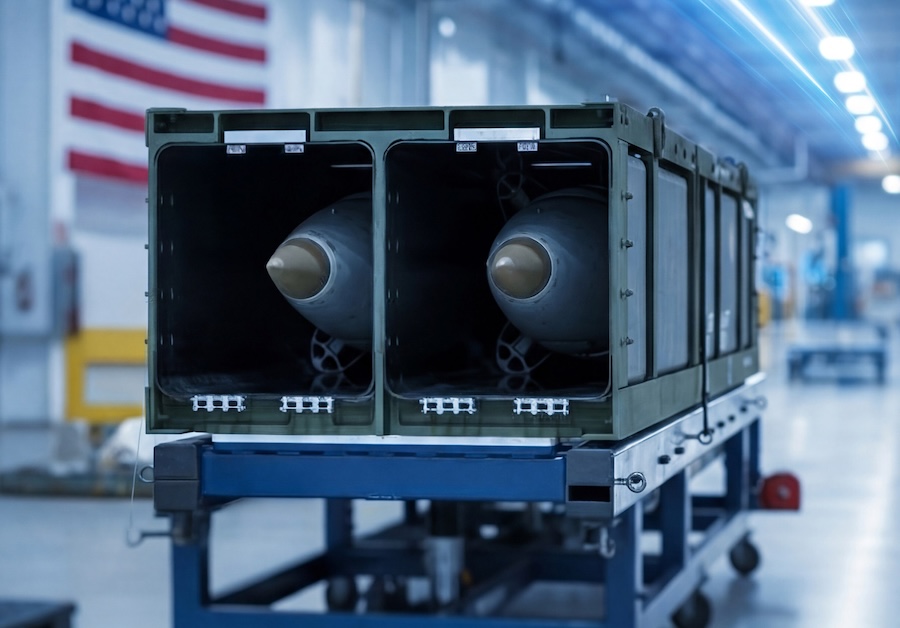
Lockheed Martin and GM Defense to explore manufacturing collaboration aimed at strengthening U.S. defense industrial base


Lockheed Martin and GM Defense have announced a new collaboration to strengthen the U.S. manufacturing and defense industrial base. The effort was facilitated by the U.S. Department of War.

The companies will work under a memorandum of understanding. They will explore opportunities to accelerate the delivery of critical capabilities and innovation.

The collaboration is intended to combine Lockheed Martin’s defense production expertise with General Motors’ industrial capabilities. GM brings experience in high-rate commercial manufacturing and engineering.

The companies said the work will focus on strengthening defense supply chains. It will also cover manufacturing and design capabilities, as well as potential production capacity expansion through commercial manufacturing expertise and infrastructure.

Initial efforts will include exploring ways to accelerate production readiness. The companies will also assess how proven commercial manufacturing approaches could support defense production requirements.

“America’s security depends not only on developing advanced technologies, but on our ability to produce them quickly, reliably and at scale,” said Frank St. John, chief operating officer, Lockheed Martin. “This collaboration brings together two leaders in American manufacturing and innovation to explore new ways to strengthen the defense industrial base, expand production capacity and accelerate delivery of critical capabilities for the United States and its allies.”

“Working together, GM Defense and Lockheed will further strengthen American manufacturing and national defense by driving greater speed, efficiency, and innovation in the aerospace and defense sectors,” said Steve duMont, president of GM Defense. “Over the coming weeks, we will be working to identify initial projects to pursue together.”

The companies said the collaboration reflects growing demand across the defense sector. They identified production capacity, supply chain resilience and manufacturing agility as key areas of need.

By combining commercial and defense expertise, Lockheed Martin and GM Defense aim to identify opportunities to accelerate production timelines. The companies said any such work would need to maintain the quality, performance and reliability standards required for mission-critical systems.

Free Training

Source link

Flex Announces U.S. Manufacturing Collaboration with AMD


Flex expanded its strategic collaboration with AMD to manufacture the AMD Instinct platform in the United States. This marks a significant milestone in strengthening domestic production of advanced AI and high-performance technologies.

]]>

As part of the collaboration, manufacturing of the AMD Instinct MI355X platform is underway at Flex’s headquarters in Austin, Texas, with volume ramp expected next quarter. 

Flex will also support the next generation of AMD Instinct platforms to meet surging demand for large‑scale AI deployments across data centers.

“Partnering with AMD to manufacture AMD Instinct platforms in the U.S. marks an important milestone in advancing domestic AI infrastructure,” said Rob Campbell, President of Communications, Enterprise and Cloud, Flex. “By combining Flex’s advanced manufacturing capabilities, resilient supply chain, and U.S. footprint with AMD’s leadership in high-performance computing, we’re enabling customers to scale AI faster and with greater reliability.”

Flex manufactures the complete AMD Instinct platform, assembling eight AMD Instinct GPUs along with surrounding components into a single, high-density system design. Each platform undergoes rigorous factory testing and validation, including using advanced liquid-cooling hardware from Flex company JetCool.

“Expanding our U.S. manufacturing presence with Flex for AMD Instinct platforms is an important step in strengthening how we build and deliver for customers,” said Keivan Keshvari, senior vice president, Global Operations & Quality, AMD. “By growing a resilient, agile, and diverse supply chain, we are better positioned to meet AI demand and deliver at scale.”

Free Training

Source link

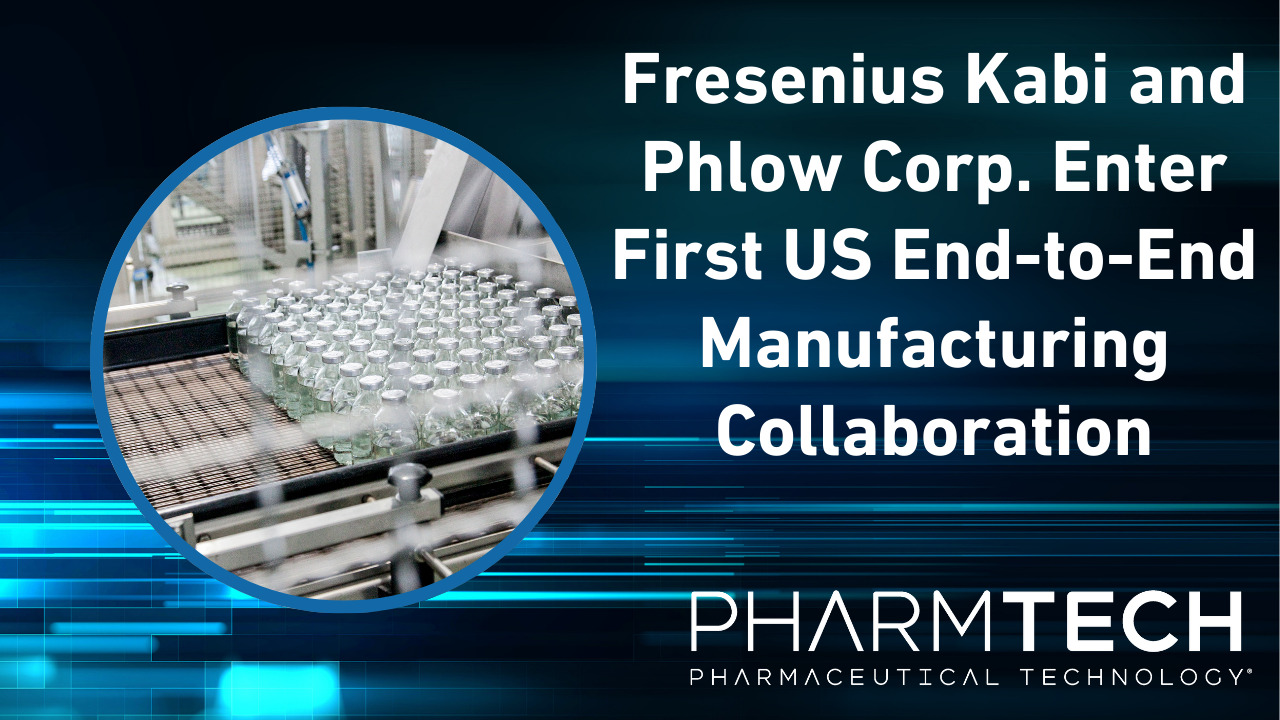
Fresenius Kabi and Phlow Corp. Enter First US End-to-End Manufacturing Collaboration


Fresenius Kabi and Phlow Corp. have announced a collaboration to onshore the manufacture of epinephrine injection, USP, including the production of APIs and finished doses.¹ This first-of-its-kind initiative represents a strategic response to the chronic shortages that have long impacted the availability of this essential medicine in the US. The arrangement utilizes a divided production model where Phlow Corp. produces the APIs at its advanced manufacturing campus in Virginia, while Fresenius Kabi manages the formulation and production of finished doses at its existing US facilities.

How Does This End-To-End Model Address Domestic Supply Chain Vulnerabilities?

The integration of API and finished dose manufacturing is a significant development because, while domestic production of the finished injection has existed, there has been no US-based source for the epinephrine API. To address this gap, a successful US-based validation campaign for the API was recently completed, and a Drug Master File has been filed with FDA.¹ This move aligns with a broader local-for-local strategy supported by over $1 billion in investments to modernize domestic manufacturing and logistics centers. Joel Rosenstack, president, US pharmaceuticals at Fresenius Kabi, stated in a press release,¹ “Fresenius is a committed partner in advancing America’s vision of a fully domestic, end-to-end, supply chain for essential medicines, closing a vital gap in national security.” By establishing a domestic source for both components, the collaboration aims to secure the supply of a drug indicated for critical applications, including the treatment of anaphylaxis and increasing mean arterial blood pressure during septic shock.

Why Is a Scalable Manufacturing Framework Vital for Future Pharmaceutical Security?

This collaboration is designed to be a scalable model that can be applied to other essential medicines identified by FDA and the WHO. The focus is on creating resilient supply assurance through tech-enabled processes and advanced development techniques. Eric Edwards, MD, PhD, CEO of Phlow, noted in a press release that, “Phlow is pioneering bold solutions to restore pharmaceutical sovereignty and strengthen America’s national health security”. He further commented, “For several years, we have worked alongside Fresenius Kabi to build resilient, end-to-end supply assurance for essential medicines. This expanded collaboration is focused on securing a reliable domestic supply of epinephrine, one of the most critical, life-saving drugs used across emergency and acute care settings in the United States.”¹ Pending necessary regulatory approvals, the product resulting from this domestic pipeline is expected to be available to US hospitals in 2027, potentially setting a new standard for how critical care medicines are developed and manufactured domestically.

How Else Is Fresenius Kabi Utilizing Collaborations?

Beyond the onshoring of traditional injectables, the drive for manufacturing innovation extends into the emerging field of cell and gene therapy. A strategic development agreement between Fresenius Kabi and TQ Therapeutics aims to enhance accessibility by enabling scalable and efficient manufacturing through integrated cell selection technology. Under this agreement Fresenius Kabi has the ability to develop, produce, and distribute products that are created with TQ Therapeutics’ proprietary cell selection technology.²

How Is Automated Cell Selection Streamlining Complex Manufacturing Workflows?

The integration of affinity and column-based isolation technology into automated processing systems is designed to produce high-purity cells quickly and consistently. This addresses the significant manufacturing challenges associated with process development and full commercialization. Saurabh Bhasin, head of Portfolio, Cell Therapies & contract manufacturing operations at Fresenius Kabi, noted in a press release,² “By integrating TQ Therapeutics’ novel selection technology into our Cue system, our aim is to improve manufacturing success and scalability—key steps toward supporting the advancement of cell and gene therapies.”

What Role Does Point-of-Care Processing Play in the Future of Individualized Medicine?

Advancing these technologies allows for ultra-short processes that can be performed closer to the point of care, simplifying treatment workflows. This modular approach supports the development of next-generation therapies delivered directly to the patient. “With Fresenius Kabi’s expertise in cell and gene therapy device technologies development and commercialization, and TQ Therapeutics’ focus on developing ultra-short processes for clinical cell therapies from manufacturing to in vivo applications, we are creating a novel value proposition for scaling and enabling the supply of cell therapies for broader patient populations,” stated Christian Eckert, CEO of TQ Therapeutics, in a press release. Such advancements reflect a broader commitment to utilizing technological knowledge to ensure access to world-class therapies through improved clinical practice and industrial production.

References

  1. Fresenius Kabi. Fresenius Kabi and Phlow Corp. Announce First-Ever, End-to-End, U.S. Manufacturing Collaboration for Epinephrine Injection, USP. Press Release. Feb 9, 2026.
  2. Fresenius Kabi. Fresenius Kabi, TQ Therapeutics Announce Cell Therapy Technology Agreement. Press Release. Feb 9, 2026.

Free Training

Source link