$500M Multistate Investment Expands Critical Grid Electronics Manufacturing


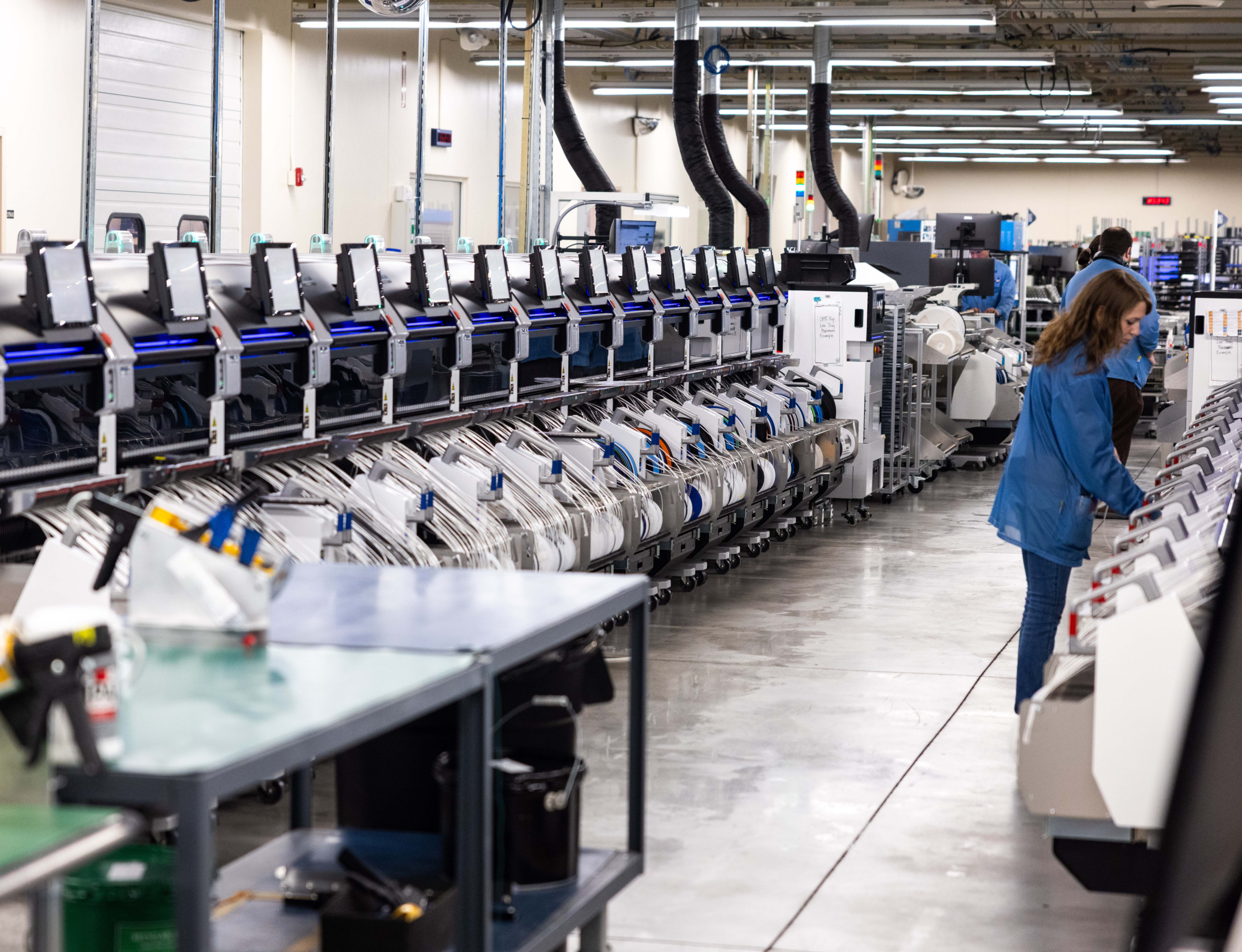
Schweitzer Engineering Laboratories is investing more than $500 million to expand its US manufacturing footprint, adding facilities and production capacity across four states. The projects, scheduled from 2026 through 2028, aim to meet growing demand for equipment used to monitor, control, and protect critical infrastructure.

Six Projects Target Production Growth

The expansion includes new electronic device manufacturing facilities in Moscow, Nampa, and Post Falls, Idaho, as well as a new manufacturing operation in Pullman, Washington. SEL is also expanding circuit board assembly in West Lafayette, Indiana, and adding panel assembly space in Charlotte, North Carolina.

The Idaho projects include investments of more than $70 million in a 305,000-square-foot facility in Moscow and $150 million each in facilities in Nampa and Post Falls. The Moscow site is expected to open by the end of 2027, while the other two locations are scheduled to begin operations in early and late 2027, respectively.

Equipment Upgrades Boost Output

Beyond facility development, SEL plans to invest more than $100 million in manufacturing equipment. The upgrades, combined with additional production shifts and more than 600 assembler positions in Pullman and Lewiston, Idaho, are expected to increase electronic device output by 40% to 60%.

In Indiana, a $25 million investment will expand board assembly capacity by more than 35%. Meanwhile, the $15 million Charlotte project will add more than 50,000 square feet of custom panel assembly space.

Expanding Domestic Supply Capacity

The multistate expansion will increase US production of electronic devices, circuit boards, and custom control panels used in critical infrastructure applications. SEL’s products support electric power systems, where equipment reliability and operational security are important considerations for utilities and industrial operators.

The projects are expected to strengthen its domestic production network while supporting customers in the United States and international markets.

Image credit: Schweitzer Engineering Laboratories

Find Thomas Network Suppliers and Services

Free Training

Source link

Inflation’s Next Wave? A Critical U.S. Manufacturing Gauge Just Surged 10% Higher


Factory purchasing managers just sent a signal that the last stretch of falling inflation may be coming to an end, and the reason behind it traces straight back to what consumers are doing with their wallets.

This post may contain links from our sponsors and affiliates, and Flywheel Publishing may receive compensation for actions taken through them.

Factory purchasing managers paid sharply more for materials in September. The Institute for Supply Management (ISM) reported that its Manufacturing Prices Paid Index rose from 71.1 to 77.9, a one-month gain of about 9.6% and the highest reading since May. A reading above 50 signals rising prices; near 78 indicates broad, accelerating increases.

It was also the index’s largest monthly increase since February. Since the start of the year, the index has gained 19.4 points, its third-biggest nine-month increase since 2021. That year is the right comparison. In 2021, factory input costs rose this quickly and reached store shelves within months.

Why Demand Is Driving Prices Higher Now

What stands out in September is the reason for the increase. Factories are busy. The ISM’s headline Purchasing Managers’ Index (PMI) came in at 54.5, its ninth consecutive month of expansion and its longest streak since 2022. New orders rose to 55.3. The backlog of unfilled orders jumped 4.6 points to 56.4, its second-highest level since May 2022.

Mark Vitner, chief economist at Piedmont Crescent Capital, named his review “The Order Book Reopened as Prices Snapped Back.” When orders arrive faster than plants can fill them, suppliers gain pricing power and manufacturers have less room to absorb increases.

Consumers are creating that demand. Retail sales hit a record $737.8 billion in August. That was 1.1% more than in July and 5.4% more than a year earlier. When shoppers keep spending at that pace, companies can pass along higher costs. Imports are rising quickly as well. In July, the trade deficit widened by $17.4 billion to $88.6 billion, which is outside its typical range of -$60B to -$80B.

What Higher Factory Costs Mean for Your Household Budget

Inflation was already running above target before this new pressure showed up. The Consumer Price Index (CPI) rose 3.4% from a year earlier in August, including a 0.4% increase in that month alone. Core Personal Consumption Expenditures (PCE) inflation, the Federal Reserve’s preferred measure, was 3.0%, compared with the central bank’s 2% target.

Higher producer costs typically reach consumers within months, first in goods made from metals, plastics, chemicals and packaging: appliances, auto parts, home improvement supplies and packaged food. Households should expect goods prices to rise through the holiday season and into early 2027.

The Fed is looking at the same data. Reuters reported that August inflation rose below expectations, giving the Fed breathing space. Bloomberg reported that Scott Bessent urged the Fed to keep an “open mind” on the inflation outlook. The September factory survey suggests that breathing space may not last. The CPI figures that pleased policymakers measure prices that were set before this jump in input costs.

Three Signals to Watch Before Year-End

Three readings will show whether September was a one-time jump or the start of a lasting rise in prices. The first is the ISM’s October report, due in early November. A second straight prices reading in the high 70s would confirm the pressure is staying. The second is the backlog index. If factories add capacity and work through their orders, their pricing power fades.

If backlogs keep growing, it strengthens. The third is goods prices in the next two CPI reports. If goods inflation speeds up while core PCE stays at 3.0%, the Fed loses the room August gave it. Borrowers hoping for lower rates would then face a longer wait.

Contact [email protected] for any questions or corrections.

Free Training

Source link

Durkin: North American Trade Is Critical to U.S. Manufacturing


America’s relationship with Mexico and Canada is the most complementary and symbiotic set of trade relationships the United States has, NAM Vice President of International Policy Andrea Durkin said on Grant Thornton’s DC Dispatch podcast recently.

  • Durkin’s comments come as U.S. and Canadian trade leaders meet to resolve differences ahead of proposed U.S. tariffs on Canada scheduled to take effect on Aug. 19.

The case for USMCA: “We export one-third of all U.S. manufactured goods to Canada and Mexico,” Durkin told Grant Thornton’s David Sites and Colin Wilhelm. “That is more than to the next nine U.S. manufacturing export partners combined.”

  • “And since implementation of USMCA, 15 of 18 manufacturing sub-sectors have increased their exports to Canada and Mexico, and they’re growing faster than to other markets.”

A symbiotic relationship: Many companies straddle these borders and benefit hugely from drawing resources from—and selling goods to—all of North America. “Half of what we’re buying from Canada and nearly 70% of what we buy from Mexico is trade within a single corporate parent,” Durkin pointed out. “It is truly regionalized co-production.”

  • Durkin emphasized that America’s trade relationship with Mexico and Canada helps it compete with China, and that the administration must balance its desire to onshore as much production as possible with keeping that regional partnership strong.

The review process explained: As a key champion of the USMCA when it was originally passed, the NAM urged policymakers to renew and modernize the agreement during its scheduled review in July. The Trump administration decided not to pursue a 16-year renewal this year, but as Durkin told the podcast hosts, that was no catastrophe.

  • The agreement will stay in force for another decade, and the three countries will continue to conduct annual reviews (CNBC).

Priorities for cooperation: Durkin laid out a few priorities for policymakers as they consider the ongoing maintenance of the agreement.

  • Strengthen implementation and coordination: “With the volume of trade and breadth of this agreement, there will always be implementation issues on any given day,” she said, noting the three countries should continually look for ways to improve coordination, make trade at the border more fluid and manage risks more effectively. “That can always be improved and should be regularly discussed.”
  • Build on the agreement: The countries should pursue additional cooperation on customs facilitation, energy, AI policy or critical minerals policy, without necessarily reopening the USMCA itself, Durkin continued. 
  • Address changes carefully: They should also continue discussions on consequential issues that could affect how companies use the agreement, including potential changes to rules of origin. 

The geopolitical angle: Durkin also highlighted the administration’s push to compete with China.

  • Emphasizing that competition with China will continue to drive U.S. investment in the “technological race in advanced manufacturing,” Durkin pointed out the importance of U.S. policies aimed at helping manufacturers “retain competitiveness in advanced manufacturing” and “leapfrog” in sectors where it needs to maintain preeminence.
  • At the same time, she stressed the need to reduce overreliance on single markets and supply chain “choke points,” arguing that manufacturers’ global footprint and diversification with U.S. allies are a “source of resilience.”

The bottom line: Durkin urged policymakers to work closely with manufacturers as they consider changes to the agreement—particularly aground rules of origin, where adjustments can ripple across supply chains and affect costs and competitiveness across the sector.

  • “Our advice to the government is: Please work with us,” she said. “We will be happy to test-proof some innovative ideas around rules of origin.”
  • Durkin said manufacturers can help policymakers determine which parts of the production process are most important to retain in the United States—and where the region can benefit from integrated North American supply chains, including access to raw materials that are not available domestically.

Free Training

Source link

SBA Announces First-Ever Critical Suppliers Prize Competition to Strengthen U.S. Manufacturing and Supply Chains – The Gilmer Mirror


WASHINGTON — Today, the U.S. Small Business Administration announced its first-ever Critical Suppliers Prize Competition, a national contest to strengthen U.S. manufacturing and critical industry supply chains by expanding capacity at key chokepoints. The competition will award up to $20 million in non‑dilutive capital, including as many as six prizes with a maximum of $6 million each, to small businesses that demonstrate the capacity to rapidly scale domestic production through measurable, enduring supply chain solutions.

“For decades, bad policy hollowed out America’s industrial base and shifted our reliance toward foreign producers and fragile overseas supply chains. Thanks to President Trump, those days are over,” said Administrator Kelly Loeffler. “The Critical Suppliers Prize Competition will unleash promising solutions to supply‑chain vulnerabilities, bring capacity and jobs back home, and rebuild strategic sectors like advanced materials, metals, and energy production. By backing innovators to deliver at scale, the Trump SBA is targeting the critical industries that will anchor America’s economic strength and national security for decades to come.”

“I urge manufacturers and critical suppliers throughout the region to seize this exciting opportunity and submit proposals for the Critical Suppliers Prize Competition,” said Regional Administrator Steven Snow, who oversees SBA operations in California, Arizona, Nevada, Hawaii, Texas, New Mexico, and Oklahoma. “Our region is home to industrial powerhouses of every size—from innovative small businesses to established manufacturers—supporting semiconductors, medical devices, precision metals, and more. Together, these job creators employ millions of Americans, strengthen our critical supply chains, and prove that American ingenuity and American-made products can compete and win anywhere in the world. This competition is a chance to expand that capacity, bring production home, and build a stronger, more secure industrial future for our country.”

Contestants must have an aligned business strategy that provides tangible deliverables on one of the following critical industry supply chain priorities:

  • Advanced Metals Manufacturing, including rapid tooling, precision casting and forging, heat treated components, strategic and critical minerals, and rare earth element recovery and magnet production.
  • Advanced Materials Manufacturing, including large format additive manufacturing and materials transformation.
  • Energy Systems, Energetics and Components, including nuclear energy, battery energy storage systems and standardization efforts.

Eligible competition contestants must meet the following criteria:

  • Private entities or teams that meet SBA’s definition of a small business.
  • Individuals submitting responses to this opportunity, including individuals representing organizations partnering with the small business applicant, must be U.S. citizens or lawful permanent residents who are at least 18 years of age at the time of their submission of an entry.
  • An individual cannot belong to more than one entry in this competition.
  • Contestants must be current and in good standing on any federal obligations.
  • Contestants must be in good standing in the jurisdiction of their state of organization.
  • Contestants must be an entity organized in and maintaining a primary place of business in the U.S. and/or its territories.
  • Contestants must be profitable and demonstrate creditworthiness.
  • Contestants must demonstrate the ability to deploy funds rapidly (within six months) and demonstrate the ability to achieve measurable increases in production or ability to implement a solution to support efficiencies in production to deliver near-term supply chain impact.
  • All members of the senior management team of a contestant must be U.S. citizens or permanent residents of the U.S. and over the age of 18.

The SBA has committed to rebuilding American supply chains and domestic manufacturing through a series of targeted initiatives. This year, the agency waived loan fees for manufacturing NAICS codes, established the first-ever loan program dedicated to American manufacturers, and modernized the Small Business Investment Company (SBIC) program so more private capital flows into critical, supply‑chain‑sensitive industries. The agency also announced a new 90% Made in America Loan Guarantee for small manufacturers and continues to promote existing programs such as the asset-based 7(a) Working Capital Pilot (WCP) Program. Through its ongoing Supplier Matchmaking Expo series and its Make Onshoring Great Again Portal, the agency has also played an active role in helping large companies source small suppliers to onshore supply chains across industries.

Contestants must submit proposals electronically to investinnovate@sba.gov. Proposals may be in the form of a company pitch deck. More information can be found at https://www.sba.gov/about-sba/priorities/sba-initiatives/critical-suppliers-prize-competition/. The deadline for submission is Aug. 21 by 11:59 p.m. ET.


About the U.S. Small Business Administration

The U.S. Small Business Administration helps power the American dream of entrepreneurship. As the leading voice for small businesses within the federal government, the SBA empowers job creators with the resources and support they need to start, grow, and expand their businesses or recover from a declared disaster. It delivers services through an extensive network of SBA field offices and partnerships with public and private organizations. To learn more, visit www.sba.gov.

About SBA Office of Investment and Innovation

The U.S. Small Business Administration (SBA) Office of Investment and Innovation (OII) leads programs to support U.S. growth-oriented small businesses and startups. These programs provide access to capital, assistance, and networks to support the success of innovation-driven small businesses. OII’s work is bolstered by public-private partnerships that drive small business growth from idea to impact. To learn more, visit https://www.sba.gov/about-sba/sba-locations/headquarters-offices/office-investment-innovation.


Free Training

Source link

Octapharma To Build $1.5 Billion Critical Care Manufacturing Facility In South Carolina


Octapharma plans to invest $1.5 billion in its first U.S.-based manufacturing and production facility, creating approximately 1,500 full-time jobs in Rock Hill, South Carolina.

The 50-acre campus will be developed at Palmetto Research Park and is expected to become one of the largest private biomedical investments in South Carolina’s history.

The facility will produce plasma-derived therapies from Octapharma’s portfolio, establishing domestic manufacturing capabilities for medicines currently supported by the company’s international production network.

Octapharma also plans to manufacture bleeding management and trauma care products used for national security and emergency preparedness purposes.

The project is intended to reduce dependence on overseas pharmaceutical supply chains while bringing production closer to the plasma donated in the United States and the American patients who rely on the company’s treatments.

Octapharma selected Rock Hill following a planning and zoning process conducted with Rock Hill and York County officials and in coordination with local, state and federal leaders.

The company cited South Carolina’s advanced manufacturing infrastructure, logistics network, access to deep-water ports and growing biomedical workforce as factors supporting the location decision.

Octapharma expects demand for its existing therapies and future products to increase, requiring the company to expand its manufacturing capacity.

Construction and groundbreaking details will be announced at a later date.

Headquartered in Lachen, Switzerland, Octapharma develops and manufactures human protein therapies derived from human plasma and cell lines. The company has more than 11,000 employees and serves patients in 117 countries across immunotherapy, hematology and critical care.

Octapharma currently operates five European manufacturing facilities, seven research and development sites and more than 200 plasma donation centers across the United States and Europe.

KEY QUOTES:

“We expect significant future growth, driven by our existing life-saving therapies and a strong pipeline of new products. Our manufacturing capacity must evolve to support this ambition, and our U.S. manufacturing facility will be an important milestone. From a U.S. national security perspective, having the ability to produce and supply our therapies domestically is invaluable.”

Wolfgang Marguerre, CEO and Chairman of Octapharma

“We have built a significant presence in the U.S. over the last 20 years through our commercial capabilities, alongside our extensive network of plasma donation centers. As the demand in the U.S. for our portfolio of products continues to grow, the new U.S. manufacturing site will bring production of our FDA-approved therapies closer to both the plasma donated in the U.S. and to the patients who rely on them.”

Tobias Marguerre, Deputy Chairman of Octapharma

“Octapharma appreciates the good-faith work of every elected official and staff member in York County and Rock Hill who helped bring this to fruition. We also want to thank Governor McMaster and South Carolina’s federal and state delegation for their support in welcoming Octapharma to the Palmetto State.”

“South Carolina’s talented workforce, strong life sciences ecosystem and pro-business environment made it clear this was the right home for our first U.S. manufacturing facility.”

Flemming Nielsen, President of Octapharma USA

Thank you for visiting Pulse 2.0. We work hard every day to bring leaders and decision makers like you the latest intelligence on business, finance, capital markets, deal flow, law, tech, and AI. Click here to subscribe to the Pulse 2.0 Newsletter.

Free Training

Source link

Octapharma To Build $1.5 Billion State-Of-The-Art Critical Care Manufacturing Facility In Rock Hill, SC


Octapharma, the largest privately owned and independent plasma fractionator in the world, has formally announced plans to establish its first-ever United States-based manufacturing and production site at the Palmetto Research Park in Rock Hill, South Carolina. The $1.5 billion project is expected to bring 1,500 full-time jobs to South Carolina, making it one of the largest private biomedical investments in the state’s history.

Once operations commence, the facility will produce critical, life-saving medicines from Octapharma’s portfolio of plasma-derived therapies, strengthening the domestic biomedical supply chain while complementing the company’s global manufacturing capabilities. The Rock Hill site will also produce bleeding management and trauma care products for national security and emergency preparedness needs. The announcement follows a thorough planning and zoning process coordinated with officials from Rock Hill and York County, alongside local, state, and federal leaders.

Rock Hill was selected for its proven infrastructure for advanced manufacturing, access to deep-water ports, and proximity to major logistics networks. South Carolina’s pipeline of biomedical and life sciences talent, supported by technical colleges and universities, is expected to provide the workforce needed to support the facility. Octapharma has built a significant US presence over the past 20 years through its commercial capabilities and extensive network of plasma donation centers, and the new site is intended to bring production of its FDA-approved therapies closer to both the plasma donated in the US and the patients who rely on them.

Octapharma is headquartered in Lachen, Switzerland, with more than 11,000 employees serving patients in 117 countries across Immunotherapy, Hematology, and Critical Care. The company operates 190 plasma donation centers across the United States and seven R&D sites and five manufacturing facilities in Europe. More details regarding a groundbreaking ceremony and construction timeline will be released at a later date.

KEY QUOTES:

“We expect significant future growth, driven by our existing life-saving therapies and a strong pipeline of new products. Our manufacturing capacity must evolve to support this ambition, and our US manufacturing facility will be an important milestone. From a US national security perspective, having the ability to produce and supply our therapies domestically is invaluable.”

Wolfgang Marguerre, CEO and Chairman, Octapharma

“We have built a significant presence in the US over the last 20 years through our commercial capabilities, alongside our extensive network of plasma donation centres. As the demand in the US for our portfolio of products continues to grow, the new US manufacturing site will bring production of our FDA-approved therapies closer to both the plasma donated in the US, and to the patients who rely on them.”

Tobias Marguerre, Deputy Chairman, Octapharma

“Octapharma appreciates the good-faith work of every elected official and staff member in York County and Rock Hill who helped bring this to fruition. South Carolina’s talented workforce, strong life sciences ecosystem, and pro-business environment made it clear this was the right home for our first US manufacturing facility.”

Flemming Nielsen, President, Octapharma USA

Thank you for visiting Pulse 2.0. We work hard every day to bring leaders and decision makers like you the latest intelligence on business, finance, capital markets, deal flow, law, tech, and AI. Click here to subscribe to the Pulse 2.0 Newsletter.

Free Training

Source link

Octapharma to build $1.5 billion state-of-the-art critical care manufacturing facility in Rock Hill, SC


New 50-acre campus will be one of the largest private biomedical investments in state’s history, bringing 1,500 jobs to South Carolina

Manufacturing facility will establish domestic production of Octapharma’s plasma-based therapies and products of national security concern, reducing dependency on overseas supply chains

PARAMUS, N.J., July 29, 2026 /PRNewswire/ — Octapharma, the largest privately owned and independent plasma fractionator in the world, has formally announced plans to establish its first-ever United States-based manufacturing and production site at the Palmetto Research Park in Rock Hill, South Carolina. The $1.5 billion project is expected to bring 1,500 full-time jobs to South Carolina, making this one of the largest private biomedical investments in the state’s history.  

Once operations commence, this facility will produce critical, life-saving medicines from Octapharma’s portfolio of plasma-derived therapies, strengthening the domestic biomedical supply chain while also complementing the company’s global manufacturing capabilities. Octapharma’s Rock Hill site will also produce bleeding management and trauma care products for national security and emergency preparedness needs.

Today’s announcement follows a thorough planning and zoning process coordinated with officials from Rock Hill and York County, and close partnership with local, state and federal leaders. 

“We expect significant future growth, driven by our existing life-saving therapies and a strong pipeline of new products,” said Wolfgang Marguerre, CEO and Chairman, Octapharma. “Our manufacturing capacity must evolve to support this ambition, and our US manufacturing facility will be an important milestone. From a US national security perspective, having the ability to produce and supply our therapies domestically is invaluable.”

“We have built a significant presence in the US over the last 20 years through our commercial capabilities, alongside our extensive network of plasma donation centres,” said Tobias Marguerre, Deputy Chairman, Octapharma. “As the demand in the US for our portfolio of products continues to grow, the new US manufacturing site will bring production of our FDA-approved therapies closer to both the plasma donated in the US, and to the patients who rely on them.”

Octapharma’s Commitment to Rock Hill
South Carolina’s leadership and Octapharma share a commitment to biomedical innovation, domestic supply chain resilience, and long-term economic investment in the surrounding community. 

With its proven infrastructure for advanced manufacturing, access to deep-water ports and proximity to major logistics networks, Rock Hill was selected as an ideal location for Octapharma’s first US facility. Additionally, South Carolina’s strong pipeline of biomedical and life sciences talent, supported by top-tier technical colleges and universities, will provide the workforce needed to support clean, efficient biopharmaceutical manufacturing at scale.

“Octapharma appreciates the good-faith work of every elected official and staff member in York County and Rock Hill who helped bring this to fruition,” said Flemming Nielsen, President, Octapharma USA. “We also want to thank Governor McMaster and South Carolina’s federal and state delegation for their support in welcoming Octapharma to the Palmetto State. South Carolina’s talented workforce, strong life sciences ecosystem, and pro-business environment made it clear this was the right home for our first US manufacturing facility.” 

More details regarding a groundbreaking ceremony and construction timeline will be released at a later date.  

To view the full release from the South Carolina Department of Commerce, please click here.  

About Octapharma
Octapharma is one of the world’s largest human protein manufacturers, developing and producing therapies from human plasma and human cell lines. Headquartered in Lachen, Switzerland, Octapharma has over 11,000 employees and serves patients in 117 countries across Immunotherapy, Hematology, and Critical Care. Octapharma has 190 plasma donation centers across the United States 

With seven R&D sites, five manufacturing facilities in Europe, and more than 200 plasma donation centers in the US and Europe, Octapharma has delivered trusted therapies for over 40 years. The company is committed to improving lives through innovation, quality, and a deep focus on patient care and clinical partnership. To learn more please visit www.octapharma.com. 

Media Contact:
Michael Steier
[email protected]
+1 (551) 410-7797

SOURCE Octapharma

Free Training

Source link

Critical Minerals Executive Order Strengthens U.S. Manufacturing


President Trump’s recent executive order to accelerate permitting and access to domestic critical minerals will help manufacturing—and America—win, NAM President and CEO Jay Timmons said.

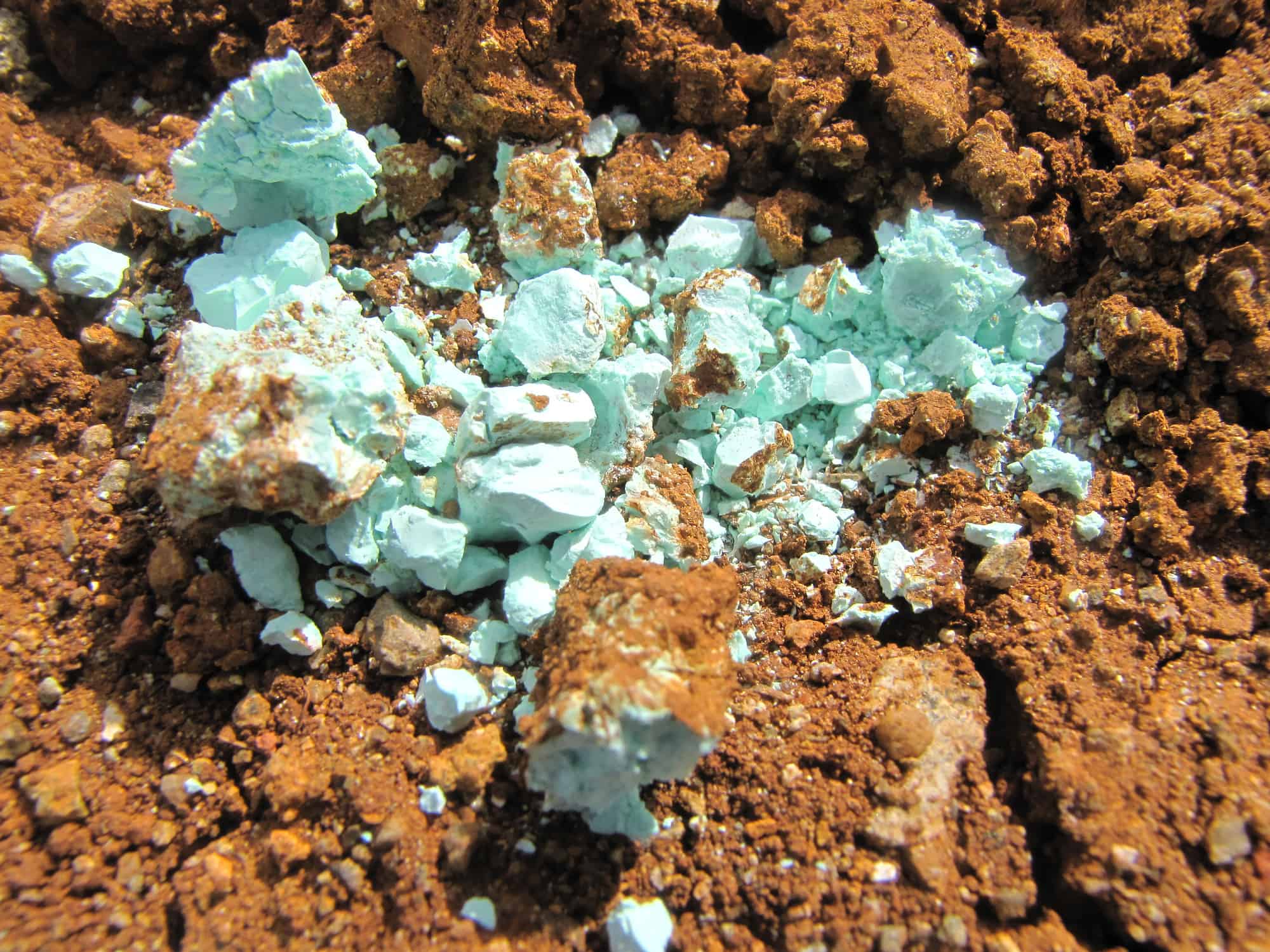
What’s going on: The recent executive order aims to boost U.S. production of critical minerals—which include lithium and cobalt—“as well as uranium, copper, potash, gold and any other element, compound or material as determined by the Chair of the National Energy Dominance Council,” according to the EO.

  • China dominates the global market for critical minerals, which are vital in the manufacture of everyday goods from cell phones and computers to advanced energy and defense technologies.
  • Increasing American production of these crucial substances “can create jobs, fuel prosperity and significantly reduce our reliance on foreign nations,” according to the EO. “Transportation, infrastructure, defense capabilities and the next generation of technology rely upon a secure, predictable and affordable supply of minerals.”

What’s in it: The EO—which cites “overbearing federal regulation” for the lack of American critical mineral production—enumerates “staggered timelines for agencies across government to prioritize financing for domestic mineral projects, including loans, capital and technical assistance, and calls on the Department of Defense to accelerate domestic mineral production” (POLITICO Pro’s GREENWIRE).

  • It also calls on the DOD to work with the U.S. International Development Finance Corporation to offer financing for the projects.

Aligned on regulations: The NAM has long called for regulatory reform to combat the onslaught of rules coming from the federal government—and this EO is a much-needed reform, said Timmons.

  • “For too long, red tape and burdensome regulations have stood in the way of the basic building blocks that power manufacturing in the United States, especially mining and processing the minerals manufacturers rely on to create jobs and dominate on the world stage,” Timmons said. “The administration is addressing those barriers, making it easier for manufacturers to access the resources we need to build the future in America.”

Free Training

Source link

How Demand Forecasting became Critical to American Manufacturing


State

AlabamaAlaskaArizonaArkansasCaliforniaColoradoConnecticutDelawareFloridaGeorgiaHawaiiIdahoIllinoisIndianaIowaKansasKentuckyLouisianaMaineMarylandMassachusettsMichiganMinnesotaMississippiMissouriMontanaNebraskaNevadaNew HampshireNew JerseyNew MexicoNew YorkNorth CarolinaNorth DakotaOhioOklahomaOregonPennsylvaniaRhode IslandSouth CarolinaSouth DakotaTennesseeTexasUtahVermontVirginiaWashingtonWashington D.C.West VirginiaWisconsinWyomingPuerto RicoUS Virgin IslandsArmed Forces AmericasArmed Forces PacificArmed Forces EuropeNorthern Mariana IslandsMarshall IslandsAmerican SamoaFederated States of MicronesiaGuamPalauAlberta, CanadaBritish Columbia, CanadaManitoba, CanadaNew Brunswick, CanadaNewfoundland, CanadaNova Scotia, CanadaNorthwest Territories, CanadaNunavut, CanadaOntario, CanadaPrince Edward Island, CanadaQuebec, CanadaSaskatchewan, CanadaYukon Territory, Canada

Zip Code

Country

United States of AmericaUS Virgin IslandsUnited States Minor Outlying IslandsCanadaMexico, United Mexican StatesBahamas, Commonwealth of theCuba, Republic ofDominican RepublicHaiti, Republic ofJamaicaAfghanistanAlbania, People’s Socialist Republic ofAlgeria, People’s Democratic Republic ofAmerican SamoaAndorra, Principality ofAngola, Republic ofAnguillaAntarctica (the territory South of 60 deg S)Antigua and BarbudaArgentina, Argentine RepublicArmeniaArubaAustralia, Commonwealth ofAustria, Republic ofAzerbaijan, Republic ofBahrain, Kingdom ofBangladesh, People’s Republic ofBarbadosBelarusBelgium, Kingdom ofBelizeBenin, People’s Republic ofBermudaBhutan, Kingdom ofBolivia, Republic ofBosnia and HerzegovinaBotswana, Republic ofBouvet Island (Bouvetoya)Brazil, Federative Republic ofBritish Indian Ocean Territory (Chagos Archipelago)British Virgin IslandsBrunei DarussalamBulgaria, People’s Republic ofBurkina FasoBurundi, Republic ofCambodia, Kingdom ofCameroon, United Republic ofCape Verde, Republic ofCayman IslandsCentral African RepublicChad, Republic ofChile, Republic ofChina, People’s Republic ofChristmas IslandCocos (Keeling) IslandsColombia, Republic ofComoros, Union of theCongo, Democratic Republic ofCongo, People’s Republic ofCook IslandsCosta Rica, Republic ofCote D’Ivoire, Ivory Coast, Republic of theCyprus, Republic ofCzech RepublicDenmark, Kingdom ofDjibouti, Republic ofDominica, Commonwealth ofEcuador, Republic ofEgypt, Arab Republic ofEl Salvador, Republic ofEquatorial Guinea, Republic ofEritreaEstoniaEthiopiaFaeroe IslandsFalkland Islands (Malvinas)Fiji, Republic of the Fiji IslandsFinland, Republic ofFrance, French RepublicFrench GuianaFrench PolynesiaFrench Southern TerritoriesGabon, Gabonese RepublicGambia, Republic of theGeorgiaGermanyGhana, Republic ofGibraltarGreece, Hellenic RepublicGreenlandGrenadaGuadaloupeGuamGuatemala, Republic ofGuinea, Revolutionary
People’s Rep’c ofGuinea-Bissau, Republic ofGuyana, Republic ofHeard and McDonald IslandsHoly See (Vatican City State)Honduras, Republic ofHong Kong, Special Administrative Region of ChinaHrvatska (Croatia)Hungary, Hungarian People’s RepublicIceland, Republic ofIndia, Republic ofIndonesia, Republic ofIran, Islamic Republic ofIraq, Republic ofIrelandIsrael, State ofItaly, Italian RepublicJapanJordan, Hashemite Kingdom ofKazakhstan, Republic ofKenya, Republic ofKiribati, Republic ofKorea, Democratic People’s Republic ofKorea, Republic ofKuwait, State ofKyrgyz RepublicLao People’s Democratic RepublicLatviaLebanon, Lebanese RepublicLesotho, Kingdom ofLiberia, Republic ofLibyan Arab JamahiriyaLiechtenstein, Principality ofLithuaniaLuxembourg, Grand Duchy ofMacao, Special Administrative Region of ChinaMacedonia, the former Yugoslav Republic ofMadagascar, Republic ofMalawi, Republic ofMalaysiaMaldives, Republic ofMali, Republic ofMalta, Republic ofMarshall IslandsMartiniqueMauritania, Islamic Republic ofMauritiusMayotteMicronesia, Federated States ofMoldova, Republic ofMonaco, Principality ofMongolia, Mongolian People’s RepublicMontserratMorocco, Kingdom ofMozambique, People’s Republic ofMyanmarNamibiaNauru, Republic ofNepal, Kingdom ofNetherlands AntillesNetherlands, Kingdom of theNew CaledoniaNew ZealandNicaragua, Republic ofNiger, Republic of theNigeria, Federal Republic ofNiue, Republic ofNorfolk IslandNorthern Mariana IslandsNorway, Kingdom ofOman, Sultanate ofPakistan, Islamic Republic ofPalauPalestinian Territory, OccupiedPanama, Republic ofPapua New GuineaParaguay, Republic ofPeru, Republic ofPhilippines, Republic of thePitcairn IslandPoland, Polish People’s RepublicPortugal, Portuguese RepublicPuerto RicoQatar, State ofReunionRomania, Socialist Republic ofRussian FederationRwanda, Rwandese RepublicSamoa, Independent State ofSan Marino, Republic ofSao Tome and Principe, Democratic Republic ofSaudi Arabia, Kingdom ofSenegal, Republic ofSerbia and MontenegroSeychelles, Republic ofSierra Leone, Republic ofSingapore, Republic ofSlovakia (Slovak Republic)SloveniaSolomon IslandsSomalia, Somali RepublicSouth Africa, Republic ofSouth Georgia and the South Sandwich IslandsSpain, Spanish StateSri Lanka, Democratic Socialist Republic ofSt. HelenaSt. Kitts and NevisSt. LuciaSt. Pierre and MiquelonSt. Vincent and the GrenadinesSudan, Democratic Republic of theSuriname, Republic ofSvalbard & Jan Mayen IslandsSwaziland, Kingdom ofSweden, Kingdom ofSwitzerland, Swiss ConfederationSyrian Arab RepublicTaiwan, Province of ChinaTajikistanTanzania, United Republic ofThailand, Kingdom ofTimor-Leste, Democratic Republic ofTogo, Togolese RepublicTokelau (Tokelau Islands)Tonga, Kingdom ofTrinidad and Tobago, Republic ofTunisia, Republic ofTurkey, Republic ofTurkmenistanTurks and Caicos IslandsTuvaluUganda, Republic ofUkraineUnited Arab EmiratesUnited Kingdom of Great Britain & N. IrelandUruguay, Eastern Republic ofUzbekistanVanuatuVenezuela, Bolivarian Republic ofViet Nam, Socialist Republic ofWallis and Futuna IslandsWestern SaharaYemenZambia, Republic ofZimbabwe

Free Training

Source link