



US manufacturers need robotics to expand at scale, executive says
Path Robotics executive Heather Carroll says robotics could help bring manufacturing jobs back to America, pointing to a Texas shipyard planning 10,000 jobs as the US works to regain ground against China.
Robotics will be critical to expanding U.S. manufacturing at scale as companies struggle to find enough skilled workers, a manufacturing executive told FOX Business.
“We do not have the workforce needed to do that,” Heather Carroll, chief revenue officer at Path Robotics, said when asked whether the U.S. could expand manufacturing at scale without robotics.
Carroll pointed to Saronic Technologies’ $3.2 billion Port Alpha shipyard in Brownsville, Texas, as an example of how automation can be used alongside American workers. Vice President JD Vance attended the project’s groundbreaking last month.
“This is a great example of how using automation, advanced technology, can be joined and combined with hiring lots of really good American jobs right here at home,” she said.
The issue is becoming increasingly important as the U.S. competes with China, which Carroll said has moved faster to put robotics to work in its factories.
INSIDE SILICON VALLEY’S BET ON A NEW PATH TO LANDING A JOB IN THE AI ERA
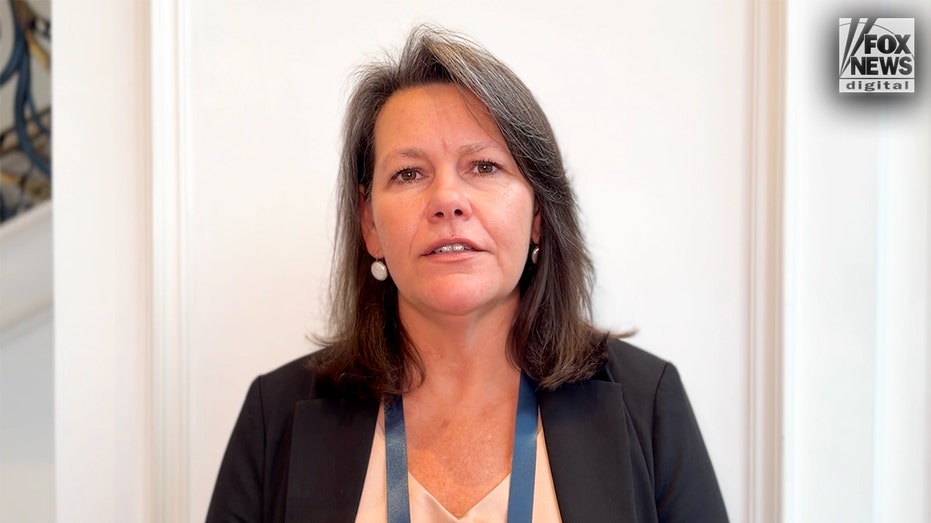
Robotics will be critical to expanding U.S. manufacturing at scale as companies struggle to find enough skilled workers, a manufacturing executive told FOX Business. (Brooke Curto/Fox News Digital)
“I definitely think that that is a big risk that we run right now,” she said when asked whether the U.S. could lose ground by failing to adopt the technology quickly enough.
China has developed a national strategy around robotics and AI that brings together government, industry and financing to increase adoption, according to Carroll.
“We really lack something similar here in the United States, and it is a competitive disadvantage,” Carroll said. “And so what we’re seeing is this gap widening between the amount of adoption that China has in the robotics space versus what we have in the United States.”
Carroll said American manufacturers face several hurdles to adopting automation, including access to capital, uncertainty over demand and a shortage of workers with the technical skills needed to deploy the technology.
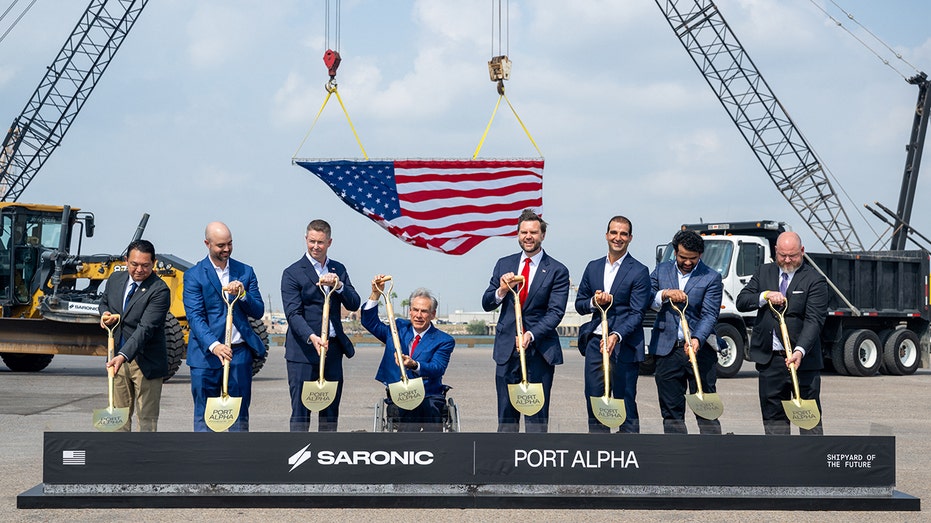
Carroll pointed to Saronic Technologies’ $3.2 billion Port Alpha shipyard in Brownsville, Texas, as an example of how automation can be used alongside American workers. (Brandon Bell/Getty Images)
She said advances in AI could help lower some of those barriers by making robots easier to deploy without requiring as much technical expertise.
Carroll said automation could help manufacturers offset shortages of skilled workers.
She pointed to welding, where she said an aging workforce is facing growing demand from shipbuilding, defense, energy and AI infrastructure.
“We see it with everyday manufacturers that tell us, ‘We have huge order volumes, but we can’t take this work on here, because we can’t hire a second shift,'” she said.
ERIC TRUMP-BACKED ROBOT STARTUP LANDS $24M PENTAGON DEAL TO COMPETE WITH CHINA
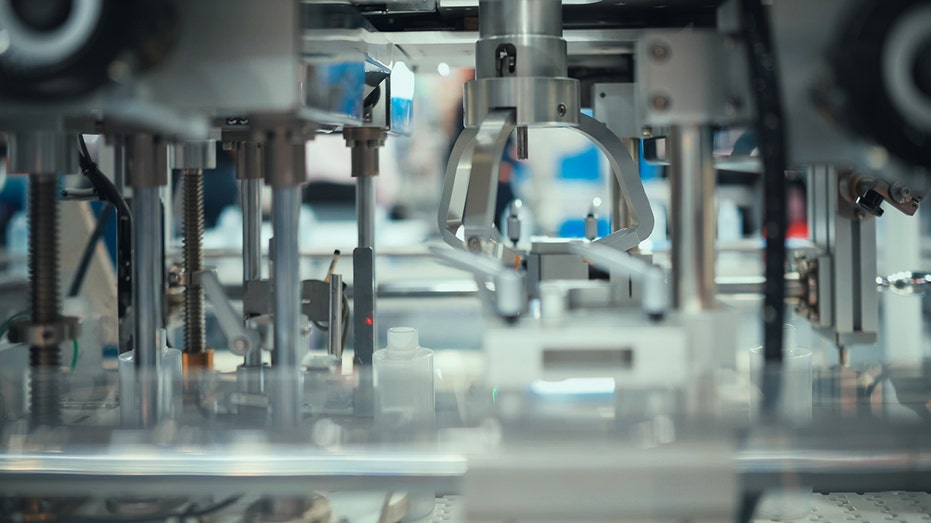
Carroll said automation could help manufacturers offset shortages of skilled workers. (iStock)
She said, for example, that one welder could be trained to operate 10 welding robots while continuing to handle more skilled work.
Carroll acknowledged concerns that AI and robotics could replace jobs but said the focus should be on training workers to use the new technology.
GET FOX BUSINESS ON THE GO BY CLICKING HERE
“We need to look at ways that we can augment the workers that we have, and ways that we can upskill them and provide them opportunities to be part of the workforce that is being developed around these new types of jobs and skills,” Carroll said.