
3 U.S. Manufacturing Stocks Investors Are Watching After New China Forced Labor Tariffs
Fresh US tariffs tied to alleged forced labor in China are reshaping global supply chains and putting a spotlight on companies that make more at home. This creates potential openings and risks as money shifts toward U.S. based manufacturing strength. This article walks through three U.S. domestic manufacturing screener stocks that are closely exposed to this news and explains what the headlines could mean for your watchlist today.
The three stocks in focus below are just a starting sample, and the full U.S. domestic manufacturing screen surfaced 44 more companies with equally compelling onshoring and reshoring narratives that are not covered in this article. If you want to identify and analyze potential high conviction ideas at your own pace, head straight into the U.S. Domestic Manufacturing (Onshoring/Reshoring) screener.
Atkore (ATKR)
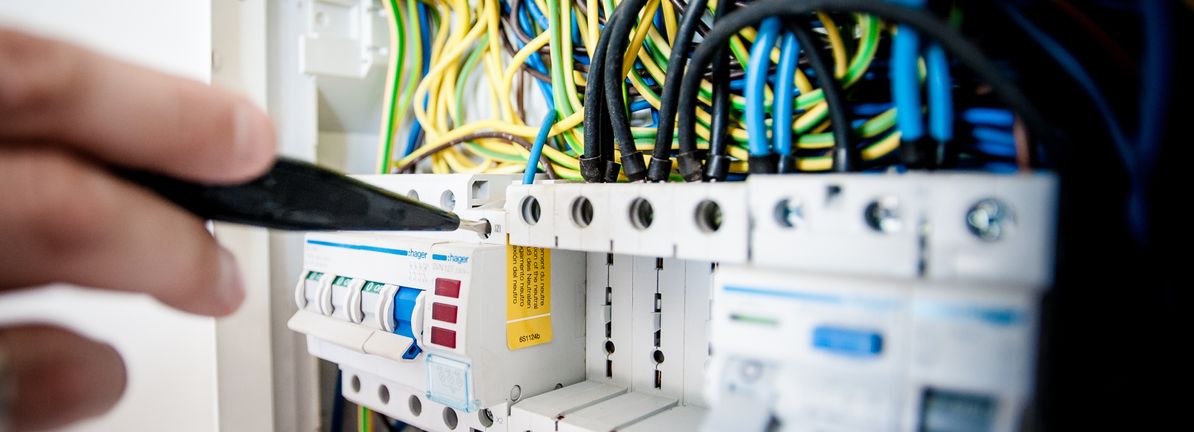
Atkore is a US based manufacturer of electrical conduit, cable management and safety products that sit inside the walls, ceilings and perimeters of factories, data centers and other critical infrastructure. The Electrical segment is the core of the business, generating about US$2.1b of revenue, while Safety & Infrastructure adds around US$836 million. Atkore has a market cap of roughly US$3.2b.
Atkore sits at the center of the onshoring story because many of its conduits, cable trays and support systems are made domestically and are essential for new and expanded US plants. The latest US tariffs on Chinese suppliers reduce import competition and align with management commentary that tariffs on steel, PVC and copper products tend to be a tailwind for the company. However, higher input costs and price pressure on PVC conduit remain real risks. When you add in the planned all cash acquisition by Prysmian at US$95 per share, ongoing tariff policy changes and a history of earnings volatility, you have a business that could benefit from supply chain shifts but still asks investors to think carefully about pricing power, project timing and how much of the U.S. manufacturing uptrend is already reflected in expectations.
Atkore’s tariff tailwinds and onshoring exposure could be masking a very different risk reward picture under the surface. Before the Prysmian deal closes, read the 2 key rewards and 2 important warning signs

Build your own onshoring shortlist around Atkore
Atkore and the two other stocks in this article all came from a single screener, but the real value comes from setting your own filters. Use our flexible Screener to mix metrics like valuation, growth and balance sheet strength, or lean on our curated Investing Ideas if you prefer ready made shortlists.
Comfort Systems USA (FIX)
Comfort Systems USA is a Houston based contractor that designs, installs and maintains heating, cooling, electrical and plumbing systems for commercial, industrial and institutional buildings across the United States. The company generates the bulk of its revenue from Mechanical Services at about US$8.0b, with Electrical Services contributing roughly US$3.2b. Comfort Systems USA has a market cap of around US$60.2b.
Comfort Systems USA sits in the slipstream of reshoring and AI infrastructure spending, wiring and plumbing the data centers, fabs and hospitals that global supply chains now depend on. A record project backlog, a growing modular construction footprint and rising service revenue give the company more visibility and pricing power. At the same time, tariff driven material cost swings and dependence on large tech related projects keep execution risk front and center. With management openly discussing how scale, contract structures and early material purchasing help them handle supply chain shocks, investors weighing this stock have more to consider than just headline growth numbers.
Comfort Systems USA looks like a simple contractor; however, accelerating orders and modular projects hint at something bigger in reshoring and AI buildouts. Get the full story in the analysis report for Comfort Systems USA

JBT Marel (JBTM)
JBT Marel is a Chicago based food and beverage equipment company that supplies automated processing, packaging and material handling systems used in everything from poultry and meat plants to ready meals, dairy and pet food facilities worldwide. It also sells automated guided vehicle systems for warehouses, auto plants and hospitals. JBT Marel has a market cap of about US$6.3b.
JBT Marel gives you exposure to two themes at once: automation in food production, and the push to bring more high value equipment manufacturing closer to U.S. customers. Management is already discussing tariff headwinds of around US$10 million to US$15 million per quarter and an annualized cost impact of roughly US$50 million to US$60 million. At the same time, the company is working to shift sourcing and some production to the U.S. and other regions to offset those costs. Along with merger synergies, growing aftermarket and software revenue, and a board that has reaffirmed 2026 guidance despite tariff developments, this creates a situation where the potential benefits are identifiable while the tariff, integration and debt risks still require careful analysis.
JBT Marel is reshaping food automation just as tariffs bite and sourcing shifts closer to U.S. customers. See how the tariff bill, merger plans and debt profile really stack up in the analysis report for JBT Marel

Seeking Alternatives Before The Crowd Moves
Fresh ideas do not stay under the radar for long. By the time momentum is high, the easiest entry points can be gone. Scan these curated lists and consider getting in early.
- Target income that can keep working for you through changing cycles by reviewing our curated 8 dividend fortresses that focus on durability as much as yield.
- Spot early movers in critical infrastructure and explore potential grid upgrade trends with a focused sweep through 36 power grid technology and infrastructure stocks while it still feels under followed.
- Consider positioning ahead of potential data center and automation buildouts by screening 55 AI infrastructure stocks before interest increases and more investors start focusing on the same tickers.
This article by Simply Wall St is general in nature. We provide commentary based on historical data
and analyst forecasts only using an unbiased methodology and our articles are not intended to be financial advice. It does not constitute a recommendation to buy or sell any stock, and does not take account of your objectives, or your
financial situation. We aim to bring you long-term focused analysis driven by fundamental data.
Note that our analysis may not factor in the latest price-sensitive company announcements or qualitative material.
Simply Wall St has no position in any stocks mentioned.
New: AI Stock Screener & Alerts
Our new AI Stock Screener scans the market every day to uncover opportunities.
• Dividend Powerhouses (3%+ Yield)
• Undervalued Small Caps with Insider Buying
• High growth Tech and AI Companies
Or build your own from over 50 metrics.
Have feedback on this article? Concerned about the content? Get in touch with us directly. Alternatively, email editorial-team@simplywallst.com