John Deere Plans Major U.S. Manufacturing Changes


Deere will shift production of windrowers, round balers, Hagie sprayers and small planters as part of a multi-year manufacturing restructuring.

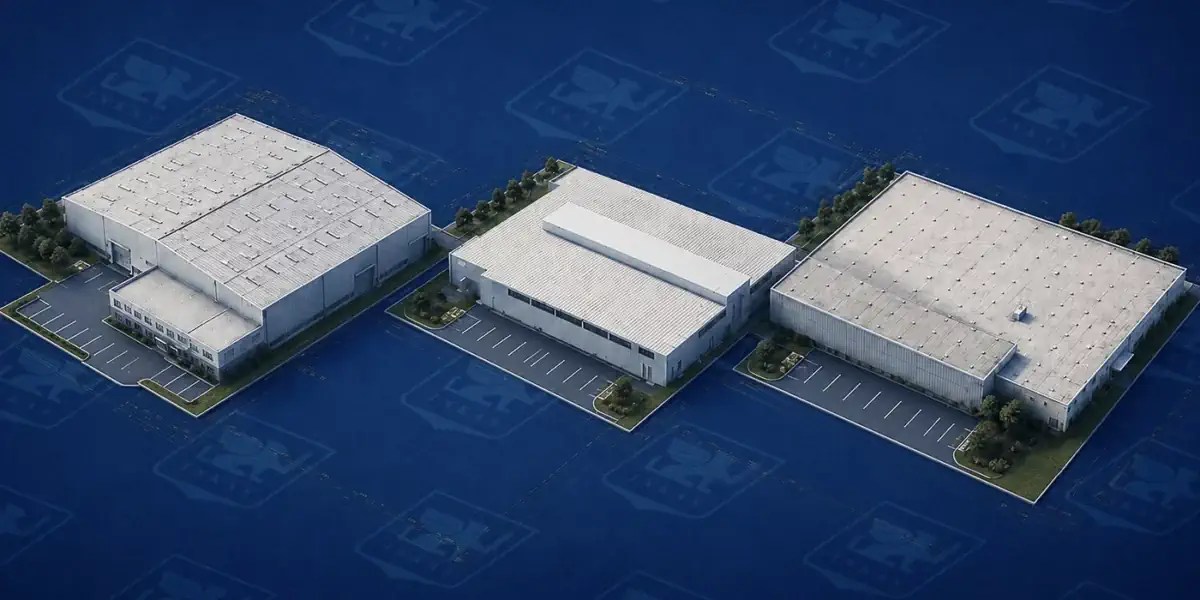
John Deere is making significant changes to its U.S. manufacturing network, including plans to close two Iowa factories, shift production among several American plants, and consolidate sugar cane harvester manufacturing in Brazil.

The company says the changes are intended to better align manufacturing capacity with customer demand while concentrating investment in modern, heavily utilized U.S. facilities.

For farmers, the moves will change where several familiar pieces of John Deere agricultural equipment are manufactured over the next several years, including windrowers, round balers, Hagie STS sprayers and small planters.

Ottumwa Works to close

One of the biggest changes involves John Deere’s Ottumwa Works in Iowa.

Deere plans to transfer windrower production from Ottumwa to Des Moines Works by the end of fiscal year 2027. Round baler production is expected to follow by the end of fiscal year 2028.

After those transfers are completed, Deere intends to close the Ottumwa factory.

The company attributed the decision to changes in customer demand and the manufacturing capacity available elsewhere within its network.

The move does not mean Deere is ending production of the equipment. Instead, manufacturing will be consolidated at another U.S. Deere facility.

Hagie sprayer production moving to Louisiana

Another Iowa operation will eventually cease manufacturing.

Starting in fiscal year 2028, Deere plans to move production of Hagie STS sprayers from Clarion, Iowa, to its factory in Thibodaux, Louisiana.

Manufacturing operations at the Hagie factory in Clarion are then expected to end by fiscal year 2029.

The Thibodaux facility will therefore gain sprayer production as Deere reorganizes manufacturing capacity across its U.S. operations.

Sugar cane harvester production moving to Brazil

Thibodaux will also see another significant change.

In fiscal year 2029, Deere intends to move sugar cane harvester production from Louisiana to Catalão, Brazil, where the company already manufactures sugar cane harvesters.

Deere said consolidating production in Brazil will place manufacturing closer to the largest concentration of customer demand in South America while allowing the company to produce the machines at a single location.

The Louisiana factory currently produces approximately 35 sugar cane harvesters annually for the U.S. market.

While this represents a transfer of some manufacturing outside the United States, Deere’s broader announcement emphasizes its continued investment in American manufacturing and its strategy of concentrating U.S. production in facilities where the company sees the greatest long-term value.

Small planter production moving to Iowa

John Deere is also changing where some of its planting equipment is manufactured.

In fiscal year 2027, small planter production is scheduled to move from John Deere Seeding in Moline, Illinois, to the company’s facility in Paton, Iowa.

As with the windrower, baler and sprayer changes, production will remain within Deere’s U.S. manufacturing network.

Construction and forestry operations under review

Deere is also evaluating strategic sourcing opportunities within its Construction and Forestry Division.

According to the company, that review is designed to improve competitiveness and flexibility, manage costs, and allow greater investment in areas including product development, technology, field sales and customer support.

Deere characterized the review as part of a broader industry response to changing market conditions, shifts in customer demand and global cost pressures.

The company did not announce specific plant closures or production transfers related to the Construction and Forestry review in the release.

What the changes mean for Deere customers

Despite the multi-year manufacturing transition, Deere says it expects to continue serving customers without disruption.

The company plans to manage the transfers with the goal of maintaining equipment quality, product availability and service.

For farmers, that means the immediate significance of the announcement is primarily where equipment will be manufactured rather than whether the affected product lines will remain available.

The changes will unfold over several years, with the first production transfers planned for fiscal year 2027 and other moves continuing through fiscal year 2029.

Deere says concentrating investments in modern, high-use facilities will help preserve and expand critical U.S. manufacturing capabilities while supporting the company’s competitiveness and its ability to continue investing during changing business cycles.

Iowa communities face plant closures

The biggest local impacts could be felt in Ottumwa and Clarion, Iowa, where Deere intends to eventually end manufacturing operations.

The company acknowledged that the decisions will affect employees and communities.

During the transition, Deere says it will engage with employees, union representatives where applicable, local leaders and community stakeholders.

The company has also committed to identifying what it describes as the best future use for the Ottumwa and Clarion properties.

Free Training

Source link

American Rheinmetall expands U.S. Tier 1 manufacturing network supporting missile structures and major military modernization programs


American Rheinmetall is positioning its U.S. Tier 1 manufacturing network to support rising demand for precision components used in critical defense systems. The company highlighted missile body structures as one area where its domestic facilities provide advanced metal forming, machining and finishing capabilities.

The missile structures require tight manufacturing tolerances and must withstand demanding operational environments, according to the company. American Rheinmetall said its manufacturing teams are delivering at the speed and volume required by the U.S. Department of War.

The manufacturing network forms part of a broader U.S. industrial operation spanning six facilities in Michigan, Ohio and Maine. American Rheinmetall operates more than 1.7 million square feet of manufacturing space and employs more than 1,500 people.

The workforce supports fabrication, machining, assembly and welding activities for defense and commercial customers. The company said its facilities also retain significant capacity for future expansion.

Headquartered in Auburn Hills, Michigan, American Rheinmetall designs, develops and produces tracked and wheeled military vehicles and components. It operates as both a full-service original equipment manufacturer and a Tier 1 supplier to the U.S. defense sector.

Its portfolio includes vehicle systems, mechanical systems, ground-vehicle electronics, ISR platforms and soldier lethality technologies. The company also supplies short-range air defense solutions, fabricated structures, armored products, rubber products and track systems.

American Rheinmetall’s U.S. industrial footprint expanded significantly after Rheinmetall AG acquired Loc Performance Products in late 2024. The Michigan and Ohio-based business supplied track and mechanical systems, fabricated structures and precision-machined components to defense, industrial and commercial customers.

Loc Performance Products now operates under the American Rheinmetall name, with its legacy products and capabilities incorporated into the wider business. Rheinmetall said the acquisition would directly support the growth of its U.S. military vehicle operations.

American Rheinmetall Systems also began operating under the unified American Rheinmetall name in 2025. The Biddeford, Maine-based operation focuses on next-generation lethality, fire control, vision systems and short-range air defense technologies.

The company said the unified structure is intended to streamline operations and improve collaboration across its U.S. businesses. American Rheinmetall continues to supply the U.S. government, major defense prime contractors and customers in several commercial industries.

Its U.S. strategy combines domestic manufacturing capacity with access to Rheinmetall’s wider vehicle and electronics portfolios. American Rheinmetall said that approach allows it to adapt and integrate established platforms for specific U.S. military requirements.

Free Training

Source link

US manufacturing hits 4-year high, with AI buildout a major driver of growth, though price volatility looms: survey


Manufacturing activity in July hit a four-year high, with massive AI infrastructure investment a major driver of growth — even as industry leaders sounded the alarm over price volatility, according to a survey released Monday.

The Institute for Supply Management’s July manufacturing gauge jumped to 55.6 – expanding at its fastest pace since May 2022 and marking its seventh consecutive month of growth, the survey said.

President Trump has called for a return to US manufacturing. REUTERS

Any reading above 50 in the ISM’s monthly survey indicates growth while any measure below 50 signals contraction.

Susan Spence, chair of the ISM Manufacturing Business Survey Committee, said increased certainty around President Trump’s tariff policy and hopes for a more permanent deal to end the war in Iran helped encourage the boost in manufacturing.

“My gut is, it’s not just a one- or two-month trend,” Spence told reporters. “Companies are seeing six or more months of these solid demand factors going in the right direction.”

The survey’s gauge for production jumped to 58.5, its highest level since the end of 2021; the employment measure hit 52.8, rising for the first time in nearly three years; and new orders growth, which signals demand, also increased.

Massive business investments in AI infrastructure helped drive the expansion, along with political pressure to ramp up US manufacturing, according to experts.

Despite the growth in manufacturing, individuals’ responses to the ISM survey were overwhelmingly negative, with many industry leaders calling out price shocks from the Iran war and the chances that the Fed could raise interest rates next month to counter inflation fears.

“Pricing volatility was mentioned in 57% of negative comments, the Iran war 43%, increasing lead times 22% and tariffs 18%,” Spence said.

Among the survey responses, one metals producer remarked that “it makes me yearn for the coronavirus pandemic chaos, which was more manageable than whatever this is that we are in.”

The Institute for Supply Management’s July manufacturing gauge jumped to 55.6. AFP via Getty Images

Some transportation equipment manufacturers lamented increased costs and transit time “for rerouted shipments due to conflicts in the Red Sea, Strait of Hormuz and Suez Canal.”

Others noted that a spike in demand for certain electronics supplies due to the AI race was “challenging on-time fulfillment for our supply chains.”

Jackson Barnes, CEO of Novo, a financial platform for small businesses, said the build-out of massive AI data centers is largely driving manufacturing investments – but that has a lopsided impact on the industry. 

“Look at where the demand is coming from. It’s coming from semiconductors, AI infrastructure and defense. Those are capital-intensive supply chains dominated by large manufacturers,” Barnes told The Post.

Massive business investments in AI infrastructure helped drive the expansion, according to experts. Getty Images

“That gap shows up clearly in what we see. Across the small manufacturers we work with, the median firm’s quarterly revenue is down roughly 12% from two years ago, even though total volume across that same group is up about 14%.”

Tech giants like Meta and Microsoft have announced planned capital expenditures this year of as much as $145 billion and $190 billion, respectively, as they ramp up their AI efforts.

Rising oil prices amid the Iran war have multiplied costs for nearly every manufacturer – and the concern for many in the industry is that the Federal Reserve could soon raise interest rates as a result, which could hit their growth streak.

Overall, it was a strong report, according to experts, as all but one manufacturing industry reported growth in July — including electrical equipment, appliances and components and computer and electronic products. Chemical products marked the only sector that contracted over the month.

“I would say that a lot of the tech investment right now has a lag,” said Amrita Bhasin, co-founder and CEO of Sotira and a manufacturing expert. “There is a lot of money being poured into AI infrastructure and that infrastructure is very resource-intensive.”

“I am optimistic just because we’ve got a lot of factors that are all coinciding at the right time,” Bhasin told The Post.

Free Training

Source link

The Protocase Companies Mark Major U.S. Manufacturing Milestone With Launch of Laser Cutting Operations in Wilmington


Latest Investment Expands Production Capacity and Strengthens the Company’s Growing U.S. Manufacturing Footprint

Laser cutting is one of the core technologies behind Protocase’s proprietary High Velocity Mass Customization (HVMC) manufacturing model. Bringing the capability to Wilmington establishes end-to-end precision sheet metal fabrication within the company’s U.S. operation, increases production capacity and supports the fast turnaround times customers rely on for custom-manufactured parts.

The milestone comes during a period of rapid growth for the company’s North Carolina operations. Between May and July, The Protocase Companies grew its Wilmington workforce from 39 employees to 72 while continuing to expand production inside its 20,900-square-foot manufacturing facility. The investment reflects the company’s long-term commitment to growing advanced manufacturing capacity in the United States while creating highly skilled manufacturing careers in southeastern North Carolina.

“High Velocity Mass Customization isn’t just about the equipment. It’s about how experienced people, proven systems, smart facilities, and years of proven advanced manufacturing know-how work in harmony together. Bringing laser cutting to Wilmington is another step in building a stronger manufacturing operation. Every capability we add gives us more capacity to serve customers while maintaining the speed and quality they’ve come to expect from Protocase,” said Co-founder and Vice President Dr. Doug Milburn.

For engineers, researchers and product developers, manufacturing speed often determines how quickly ideas become prototypes, products and breakthroughs. Expanding core production capabilities in Wilmington enables Protocase to move more projects from design to finished parts in days instead of weeks, helping customers accelerate development without compromising precision or quality.

Protocase is already investing in the next phase of its Wilmington expansion. A dedicated CNC machining operation is planned to further broaden its U.S. manufacturing capabilities, while exploratory plans are underway for a larger Wilmington campus that would include expanded manufacturing space and corporate offices to support continued growth.

With laser cutting now online and additional investments already underway, Wilmington is becoming an increasingly important manufacturing hub for The Protocase Companies. Each new capability strengthens the company’s ability to deliver rapid, custom manufacturing to engineers, innovators and organizations across the United States and around the world.

About The Protocase Companies

The Protocase Companies are leaders in rapid custom manufacturing, advanced computing infrastructure and precision manufacturing solutions. Through Protocase, the company pioneered its High Velocity Mass Customization manufacturing model, enabling engineers, researchers and innovators to receive precision sheet metal parts, CNC machined components and custom electronic enclosures in days rather than weeks. The Protocase Companies also include 45Drives, a leader in open-source data storage and private cloud infrastructure, and ProtoSpace Manufacturing, which provides advanced precision manufacturing services. Headquartered in Sydney, Nova Scotia, with a rapidly expanding U.S. manufacturing operation in Wilmington, North Carolina, The Protocase Companies serve customers across aerospace, defense, robotics, scientific research, advanced computing, industrial technology and other innovation-driven industries worldwide.

Contact: 
Jon Lindsay Phillips
Protocase@PhillComm.Global

Free Training

Source link

INKAS® Announces Major North American Manufacturing Expansion Across Canada and the United States – sUAS News


New facilities in Canada, North Carolina, and Florida are expected to more than double INKAS®’ armored vehicle, defense, and special-purpose production footprint by July 31, 2026

INKAS®, a Canadian armored vehicle manufacturer and systems integrator, announces a major expansion of its North American manufacturing footprint, with three additional production facilities across Canada and the United States expected to be in full operation by July 31, 2026.  

The three newly leased facilities are comprised of a mix of manufacturing and production space, with approximately 42,000 square feet at an additional Toronto facility in Canada, 200,000 square feet at an armored vehicle production facility in Charlotte, North Carolina, and 31,000 square feet for a first-time facility in Florida at Fort Pierce.  

Together, these facilities are expected to more than double INKAS’® production space across North America, strengthening the company’s ability to support growing demand from government, defense, law enforcement, commercial security, and specialized vehicle customers.  

The expanded footprint provides INKAS® with greater production flexibility, additional manufacturing capacity, and a stronger operational platform to support both current and future programs across its armored vehicle, tactical platform, drone / UAV, and special purpose vehicle portfolios. The Charlotte facility is specially equipped for armored vehicle production and has access to an experienced workforce with direct expertise in armored vehicle manufacturing, helping accelerate operational scaling without the need to build those capabilities from the ground up.  

“This expansion marks an important milestone in the continued growth of INKAS® as a North American manufacturer,” said David Khazanski, CEO of INKAS®. “By adding significant production space across Canada and the United States, we are strengthening our ability to support customers with reliable, scalable, and mission-ready security and defense solutions. This investment reflects our confidence in the long-term demand for advanced protected mobility, unmanned systems, and specialized platforms.” 

The new facilities form part of INKAS®’ broader strategy to increase production capacity, improve operational resilience, and support a growing portfolio of armored, tactical, unmanned, and special-purpose solutions. With operations expanding across Toronto, Charlotte, and Fort Pierce, INKAS® is positioned to better serve domestic and international customers while supporting more efficient production, faster program execution, and future growth across key markets.  

“Beyond expanding our production footprint, this investment is about creating skilled jobs, supporting local economies, and building long-term manufacturing capability in North America,” said Margarita Simkin, Chairwoman of INKAS®. “As these facilities come online, they will create opportunities for engineers, technicians, production specialists, and support teams across Canada and the United States. We believe that investing in people and manufacturing infrastructure is essential to building a stronger, more resilient security and defense industry.”

For nearly three decades, INKAS® has specialized in the design, engineering, and manufacturing of armored vehicles and advanced security solutions. The company’s portfolio includes discreet armored SUVs and sedans, tactical vehicles, armored personnel carriers, drones / UAVs, cash-in-transit vehicles, and custom-built special purpose platforms for clients around the world. 

Discover more from sUAS News

Subscribe to get the latest posts sent to your email.

Free Training

Source link

Trump says Intel will make chips for Apple in a major win for U.S. manufacturing


Intel’s efforts to rebuild its chipmaking business may have landed its biggest customer yet. U.S. President Donald Trump announced on Thursday that Apple has agreed to work with Intel to design and manufacture chips in the United States, a deal that could significantly strengthen Intel’s foundry ambitions.

The announcement does not come out of the blue. Earlier reports indicated that Apple and Intel had been discussing a manufacturing partnership for more than a year and had already begun working together on select chip production projects.

A major customer win for Intel

Trump announced the agreement in a post on Truth Social but did not specify which Apple chips Intel would manufacture. The president said the deal is part of his administration’s efforts to strengthen domestic chip production and support Intel’s recovery.

Landing Apple would be a major breakthrough for Intel Foundry. The company has spent years trying to attract major technology customers and prove it can compete with manufacturing leaders such as TSMC.

The Trump administration has also invested heavily in Intel’s future. Last year, the U.S. government took a 10% stake in the company and announced plans to invest roughly $10 billion to help build and expand semiconductor manufacturing facilities in the United States.

Intel and Apple have not officially announced the partnership, and neither company has publicly commented on Trump’s claims.

silicon wafer Intel

Intel’s foundry push is finally starting to show results

Recent developments suggest Intel’s manufacturing plans may finally be gaining momentum. The company recently announced that its 18A-P manufacturing process has entered risk production, a key milestone before large-scale manufacturing begins. Intel has also secured Tesla as a future customer for its 14A process, while reports suggest Nvidia could manufacture some products using Intel Foundry technology later this decade.

An Apple manufacturing deal would add significant weight to those efforts. Securing one of the world’s largest chip buyers would help validate Intel’s manufacturing roadmap and strengthen its position as it competes for more foundry customers. With TSMC facing strong demand for advanced manufacturing capacity and charging higher prices for access to its leading-edge processes, Intel has an opportunity to establish itself as a credible alternative for major chip designers.

Free Training

Source link

Trump Claims Apple And Intel Struck A Major US Chip Manufacturing Deal


hero intel tan

President Donald Trump announced today that Apple has finalized a historic deal to design and manufacture its next-generation chips using Intel’s facilities on American soil. Neither company has commented on the claim, but if true, this would be huge for Apple, which has spent years relying heavily on Taiwan Semiconductor Manufacturing Company (TSMC) to build the custom silicon powering its iPhones and Macs. It’s only a matter of time when we find out whether Trump’s strong-arming tech companies to repatriate their manufacturing in the United States truly pans out.

Again, assuming Trump’s post on Truth Social is accurate, the deal is the culmination of a yearlong pressure campaign led by U.S. Commerce Secretary Howard Lutnick, who reportedly met with Apple leadership repeatedly to broker a domestic alliance with Intel. Rumors of a preliminary partnership had been circulating for months, so it’s possible that Trump’s post alludes to something real. Also In his post, President Trump heavily critiqued previous administrations for allowing foreign nations to dominate the semiconductor landscape, emphasizing his use of tariffs and economic incentives to force major tech players back to domestic supply chains.

For Intel, securing Apple as a foundry customer would be a monumental victory. Once the undisputed titan of the chip world with its “Intel Inside” branding, the company struggled for years to keep pace with foreign competitors as production moved overseas. Under the direction of former CEO Pat Gelsinger and current CEO Lip-Bu Tan, Intel aggressively overhauled its foundry division. The company successfully executed its ambitious roadmap to develop five manufacturing nodes in four years, culminating in its 18A process.

apple store1

Insider reports suggest that Apple has already begun testing system-on-chips (SoCs) built on Intel’s updated 18A-P tech. Testing is slated to continue through the end of 2026, with full-scale production and initial deliveries for Apple’s M7 Mac chips targeted for late 2027, followed by next-generation iPhone chips built on Intel’s 14A node by 2028. Intel is expected to fulfill Apple’s domestic orders across its heavily
subsidized fabrication plants in Oregon, Arizona, and Ohio.

Also at play here is the ongoing financial entanglement between the federal government and Intel. In August last year, the U.S. government took an 10% equity stake in Intel via an $8.9 billion taxpayer investment. This capital injection combined funds originally earmarked through the CHIPS Act with resources from the military’s Secure Enclave program. In his statement, Trump explicitly tied the government’s stake to Intel’s recent financial turnaround, claiming the company’s valuation has soared from $100 billion to $600 billion due to the state’s intervention and subsequent high-profile contracts, which also include a partnership with Elon Musk’s TeraFab.

Shares of Intel are up more than 9% this morning on the heel’s of President Trump’s post. Apple’s stock is up around 0.33% at the time of this writing.

Free Training

Source link

Clarity advances US manufacturing strategy with major copper 64 supply agreement


Clarity Pharmaceuticals (ASX:CU6) has announced a large-scale manufacturing supply agreement for copper-64 with US-based Theragenics.

The company said the deal signals a clear move from late-stage clinical development toward building the infrastructure required for a potential commercial launch of its lead diagnostic candidate, 64Cu SAR bisPSMA.

At the centre of the agreement is Theragenics’ expansive production facility near Atlanta, Georgia, a strategically located transport hub equipped with 14 cyclotrons.

The site is designed to enable centralised, high-volume production of copper-64, a radioisotope that plays a critical role in next-generation cancer imaging. This capacity is expected to support Clarity’s anticipated commercial rollout, contingent on the successful completion of its Phase 3 trials and regulatory approval in the United States.

Theragenics brings decades of radiometal production expertise to the partnership, alongside the ability to generate substantial daily output. A single cyclotron at the facility can produce enough copper-64 to support approximately 2,000 patient doses per day, highlighting the scalability of the arrangement. Clarity said this agreement complements existing supply deals and strengthens a geographically diverse manufacturing network designed to ensure reliability and redundancy across the US market.

Clarity said the agreement represents a shift toward a more scalable, economically efficient model for radiodiagnostics, one that could expand patient access while improving operational viability for providers.

Free Training

Source link

U.S. Launches Major Trade Investigation into Global Manufacturing Overcapacity | 2026 – News and Statistics


Mar 12, 2026

According to SupplyChainDive, the United States has initiated an investigation into the manufacturing policies of multiple nations to evaluate potential structural excess capacity and its effects on domestic industries. The Office of the U.S. Trade Representative is conducting this Section 301 probe, which includes China, the European Union, Singapore, Switzerland, Norway, Indonesia, Malaysia, Cambodia, Thailand, Korea, Vietnam, Taiwan, Bangladesh, Mexico, Japan, and India.

The investigation will assess possible supply and demand imbalances, policies affecting wages, and barriers to market access. The USTR filing indicates that key trading partners have developed manufacturing capacity that exceeds both domestic and global demand incentives, leading to overproduction, persistent trade surpluses, and underutilized facilities.

Sectors identified as currently experiencing overcapacity and excessive production include automobiles, electronics, processed food, and semiconductors. The filing specifically cited electric vehicle production in China as surpassing demand, noting one manufacturer’s expanding distribution and production networks abroad. USTR Jamieson Greer stated that overproduction by trading partners displaces existing U.S. domestic production or prevents new U.S. manufacturing investment and expansion.

The agency will open a docket for public comments on March 17, with a hearing scheduled for May 5. This investigation adds to a series of Section 301 probes started in the last year. Following a Supreme Court ruling in February that eliminated a broad set of tariffs installed last year, Greer said the U.S. would launch these investigations on an accelerated schedule, with an expectation they could be completed within the next five months.

Trade analysts note that if the investigation concludes that foreign industrial policies are unreasonable or distort trade, the U.S. could respond with tariffs. The current administration has previously used Section 301 investigations to review trading practices of other nations, some of which resulted in levies.

  1. 1. INTRODUCTION

    Making Data-Driven Decisions to Grow Your Business

    1. REPORT DESCRIPTION
    2. RESEARCH METHODOLOGY AND THE AI PLATFORM
    3. DATA-DRIVEN DECISIONS FOR YOUR BUSINESS
    4. GLOSSARY AND SPECIFIC TERMS
  2. 2. EXECUTIVE SUMMARY

    A Quick Overview of Market Performance

    1. KEY FINDINGS
    2. MARKET TRENDS This Chapter is Available Only for the Professional EditionPRO
  3. 3. MARKET OVERVIEW

    Understanding the Current State of The Market and its Prospects

    1. MARKET SIZE: HISTORICAL DATA (2012–2025) AND FORECAST (2026–2035)
    2. CONSUMPTION BY COUNTRY: HISTORICAL DATA (2012–2025) AND FORECAST (2026–2035)
    3. MARKET FORECAST TO 2035
  4. 4. MOST PROMISING PRODUCTS FOR DIVERSIFICATION

    Finding New Products to Diversify Your Business

    1. TOP PRODUCTS TO DIVERSIFY YOUR BUSINESS
    2. BEST-SELLING PRODUCTS
    3. MOST CONSUMED PRODUCTS
    4. MOST TRADED PRODUCTS
    5. MOST PROFITABLE PRODUCTS FOR EXPORT
  5. 5. MOST PROMISING SUPPLYING COUNTRIES

    Choosing the Best Countries to Establish Your Sustainable Supply Chain

    1. TOP COUNTRIES TO SOURCE YOUR PRODUCT
    2. TOP PRODUCING COUNTRIES
    3. TOP EXPORTING COUNTRIES
    4. LOW-COST EXPORTING COUNTRIES
  6. 6. MOST PROMISING OVERSEAS MARKETS

    Choosing the Best Countries to Boost Your Export

    1. TOP OVERSEAS MARKETS FOR EXPORTING YOUR PRODUCT
    2. TOP CONSUMING MARKETS
    3. UNSATURATED MARKETS
    4. TOP IMPORTING MARKETS
    5. MOST PROFITABLE MARKETS
  7. 7. PRODUCTION

    The Latest Trends and Insights into The Industry

    1. PRODUCTION VOLUME AND VALUE: HISTORICAL DATA (2012–2025) AND FORECAST (2026–2035)
    2. PRODUCTION BY COUNTRY: HISTORICAL DATA (2012–2025) AND FORECAST (2026–2035)
  8. 8. IMPORTS

    The Largest Import Supplying Countries

    1. IMPORTS: HISTORICAL DATA (2012–2025) AND FORECAST (2026–2035)
    2. IMPORTS BY COUNTRY: HISTORICAL DATA (2012–2025) AND FORECAST (2026–2035)
    3. IMPORT PRICES BY COUNTRY: HISTORICAL DATA (2012–2025) AND FORECAST (2026–2035)
  9. 9. EXPORTS

    The Largest Destinations for Exports

    1. EXPORTS: HISTORICAL DATA (2012–2025) AND FORECAST (2026–2035)
    2. EXPORTS BY COUNTRY: HISTORICAL DATA (2012–2025) AND FORECAST (2026–2035)
    3. EXPORT PRICES BY COUNTRY: HISTORICAL DATA (2012–2025) AND FORECAST (2026–2035)
  10. 10. PROFILES OF MAJOR PRODUCERS

    The Largest Producers on The Market and Their Profiles

  11. 11. COUNTRY PROFILES

    The Largest Markets And Their Profiles

    This Chapter is Available Only for the Professional Edition
    PRO

    1. 11.1

      United States

      • Market Size
      • Production
      • Imports
      • Exports
    2. 11.2

      China

      • Market Size
      • Production
      • Imports
      • Exports
    3. 11.3

      Japan

      • Market Size
      • Production
      • Imports
      • Exports
    4. 11.4

      Germany

      • Market Size
      • Production
      • Imports
      • Exports
    5. 11.5

      United Kingdom

      • Market Size
      • Production
      • Imports
      • Exports
    6. 11.6

      France

      • Market Size
      • Production
      • Imports
      • Exports
    7. 11.7

      Brazil

      • Market Size
      • Production
      • Imports
      • Exports
    8. 11.8

      Italy

      • Market Size
      • Production
      • Imports
      • Exports
    9. 11.9

      Russian Federation

      • Market Size
      • Production
      • Imports
      • Exports
    10. 11.10

      India

      • Market Size
      • Production
      • Imports
      • Exports
    11. 11.11

      Canada

      • Market Size
      • Production
      • Imports
      • Exports
    12. 11.12

      Australia

      • Market Size
      • Production
      • Imports
      • Exports
    13. 11.13

      Republic of Korea

      • Market Size
      • Production
      • Imports
      • Exports
    14. 11.14

      Spain

      • Market Size
      • Production
      • Imports
      • Exports
    15. 11.15

      Mexico

      • Market Size
      • Production
      • Imports
      • Exports
    16. 11.16

      Indonesia

      • Market Size
      • Production
      • Imports
      • Exports
    17. 11.17

      Netherlands

      • Market Size
      • Production
      • Imports
      • Exports
    18. 11.18

      Turkey

      • Market Size
      • Production
      • Imports
      • Exports
    19. 11.19

      Saudi Arabia

      • Market Size
      • Production
      • Imports
      • Exports
    20. 11.20

      Switzerland

      • Market Size
      • Production
      • Imports
      • Exports
    21. 11.21

      Sweden

      • Market Size
      • Production
      • Imports
      • Exports
    22. 11.22

      Nigeria

      • Market Size
      • Production
      • Imports
      • Exports
    23. 11.23

      Poland

      • Market Size
      • Production
      • Imports
      • Exports
    24. 11.24

      Belgium

      • Market Size
      • Production
      • Imports
      • Exports
    25. 11.25

      Argentina

      • Market Size
      • Production
      • Imports
      • Exports
    26. 11.26

      Norway

      • Market Size
      • Production
      • Imports
      • Exports
    27. 11.27

      Austria

      • Market Size
      • Production
      • Imports
      • Exports
    28. 11.28

      Thailand

      • Market Size
      • Production
      • Imports
      • Exports
    29. 11.29

      United Arab Emirates

      • Market Size
      • Production
      • Imports
      • Exports
    30. 11.30

      Colombia

      • Market Size
      • Production
      • Imports
      • Exports
    31. 11.31

      Denmark

      • Market Size
      • Production
      • Imports
      • Exports
    32. 11.32

      South Africa

      • Market Size
      • Production
      • Imports
      • Exports
    33. 11.33

      Malaysia

      • Market Size
      • Production
      • Imports
      • Exports
    34. 11.34

      Israel

      • Market Size
      • Production
      • Imports
      • Exports
    35. 11.35

      Singapore

      • Market Size
      • Production
      • Imports
      • Exports
    36. 11.36

      Egypt

      • Market Size
      • Production
      • Imports
      • Exports
    37. 11.37

      Philippines

      • Market Size
      • Production
      • Imports
      • Exports
    38. 11.38

      Finland

      • Market Size
      • Production
      • Imports
      • Exports
    39. 11.39

      Chile

      • Market Size
      • Production
      • Imports
      • Exports
    40. 11.40

      Ireland

      • Market Size
      • Production
      • Imports
      • Exports
    41. 11.41

      Pakistan

      • Market Size
      • Production
      • Imports
      • Exports
    42. 11.42

      Greece

      • Market Size
      • Production
      • Imports
      • Exports
    43. 11.43

      Portugal

      • Market Size
      • Production
      • Imports
      • Exports
    44. 11.44

      Kazakhstan

      • Market Size
      • Production
      • Imports
      • Exports
    45. 11.45

      Algeria

      • Market Size
      • Production
      • Imports
      • Exports
    46. 11.46

      Czech Republic

      • Market Size
      • Production
      • Imports
      • Exports
    47. 11.47

      Qatar

      • Market Size
      • Production
      • Imports
      • Exports
    48. 11.48

      Peru

      • Market Size
      • Production
      • Imports
      • Exports
    49. 11.49

      Romania

      • Market Size
      • Production
      • Imports
      • Exports
    50. 11.50

      Vietnam

      • Market Size
      • Production
      • Imports
      • Exports
  12. LIST OF TABLES

    1. Key Findings In 2025
    2. Market Volume, In Physical Terms: Historical Data (2012–2025) and Forecast (2026–2035)
    3. Market Value: Historical Data (2012–2025) and Forecast (2026–2035)
    4. Per Capita Consumption, by Country, 2022–2025
    5. Production, In Physical Terms, By Country: Historical Data (2012–2025) and Forecast (2026–2035)
    6. Imports, In Physical Terms, By Country: Historical Data (2012–2025) and Forecast (2026–2035)
    7. Imports, In Value Terms, By Country: Historical Data (2012–2025) and Forecast (2026–2035)
    8. Import Prices, By Country: Historical Data (2012–2025) and Forecast (2026–2035)
    9. Exports, In Physical Terms, By Country: Historical Data (2012–2025) and Forecast (2026–2035)
    10. Exports, In Value Terms, By Country: Historical Data (2012–2025) and Forecast (2026–2035)
    11. Export Prices, By Country: Historical Data (2012–2025) and Forecast (2026–2035)
  13. LIST OF FIGURES

    1. Market Volume, In Physical Terms: Historical Data (2012–2025) and Forecast (2026–2035)
    2. Market Value: Historical Data (2012–2025) and Forecast (2026–2035)
    3. Consumption, by Country, 2025
    4. Market Volume Forecast to 2035
    5. Market Value Forecast to 2035
    6. Market Size and Growth, By Product
    7. Average Per Capita Consumption, By Product
    8. Exports and Growth, By Product
    9. Export Prices and Growth, By Product
    10. Production Volume and Growth
    11. Exports and Growth
    12. Export Prices and Growth
    13. Market Size and Growth
    14. Per Capita Consumption
    15. Imports and Growth
    16. Import Prices
    17. Production, In Physical Terms: Historical Data (2012–2025) and Forecast (2026–2035)
    18. Production, In Value Terms: Historical Data (2012–2025) and Forecast (2026–2035)
    19. Production, by Country, 2025
    20. Production, In Physical Terms, by Country: Historical Data (2012–2025) and Forecast (2026–2035)
    21. Imports, In Physical Terms: Historical Data (2012–2025) and Forecast (2026–2035)
    22. Imports, In Value Terms: Historical Data (2012–2025) and Forecast (2026–2035)
    23. Imports, In Physical Terms, By Country, 2025
    24. Imports, In Physical Terms, By Country: Historical Data (2012–2025) and Forecast (2026–2035)
    25. Imports, In Value Terms, By Country: Historical Data (2012–2025) and Forecast (2026–2035)
    26. Import Prices, By Country: Historical Data (2012–2025) and Forecast (2026–2035)
    27. Exports, In Physical Terms: Historical Data (2012–2025) and Forecast (2026–2035)
    28. Exports, In Value Terms: Historical Data (2012–2025) and Forecast (2026–2035)
    29. Exports, In Physical Terms, By Country, 2025
    30. Exports, In Physical Terms, By Country: Historical Data (2012–2025) and Forecast (2026–2035)
    31. Exports, In Value Terms, By Country: Historical Data (2012–2025) and Forecast (2026–2035)
    32. Export Prices, By Country: Historical Data (2012–2025) and Forecast (2026–2035)

Free Training

Source link

Apple to bring Mac mini production to Houston in major US manufacturing expansion


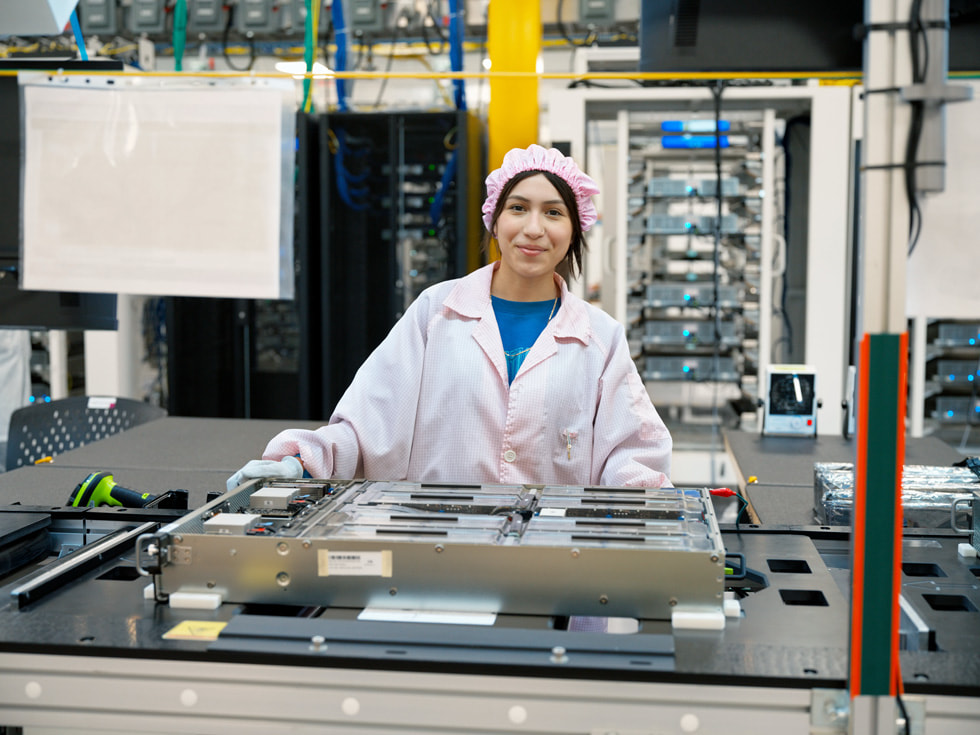
Apple has announced a significant expansion of its Houston manufacturing operations, confirming that production of the Mac mini will move to the United States for the first time as part of a broader investment in advanced manufacturing and AI infrastructure.

The move will also see Apple expand AI server production at the Texas site and open a new Advanced Manufacturing Center later this year, initiatives that together are expected to create thousands of jobs.

Bringing Mac mini production Stateside

Apple said Mac mini manufacturing will begin later in 2026 at a new factory within its Houston campus, effectively doubling the site’s footprint. The compact desktop computer has been a core part of Apple’s product lineup for more than two decades, and the decision marks a notable shift in the company’s global manufacturing strategy.

According to Apple CEO Tim Cook, the investment reflects the company’s growing commitment to U.S. manufacturing capacity: “Apple is deeply committed to the future of American manufacturing, and we’re proud to significantly expand our footprint in Houston with the production of Mac mini starting later this year.”

The move follows a wider trend among technology firms seeking to diversify supply chains and expand domestic production capacity, particularly in high-value electronics manufacturing.

Expansion of AI server manufacturing

Alongside Mac mini production, Apple is ramping up output of advanced AI servers at the Houston site. The company began assembling servers there in 2025, with production already ahead of schedule.

Servers built in Houston—including logic boards produced onsite—are used in Apple data centres across the United States. The expansion reflects Apple’s growing investment in artificial intelligence infrastructure, an area that has become central to both consumer devices and cloud services.

Cook noted the accelerated rollout of AI server production as an early success for the site: “We began shipping advanced AI servers from Houston ahead of schedule, and we’re excited to accelerate that work even further.”

Investing in skills and workforce development

Beyond hardware production, Apple is also investing in workforce development with the launch of a 20,000-square-foot Advanced Manufacturing Center in Houston. The facility, currently under construction, will provide hands-on training in advanced manufacturing techniques.

The centre is expected to train students, supplier employees, and small- and medium-sized manufacturers in processes used in Apple’s own production lines. Apple engineers will lead training sessions designed to help U.S. manufacturers adopt new technologies and improve efficiency.

The company said the initiative aims to strengthen the domestic manufacturing ecosystem while building a pipeline of skilled workers.

Strategic implications for North American manufacturing

Apple’s expansion comes amid a broader push to localise manufacturing in North America, driven by supply-chain resilience concerns, geopolitical tensions, and government incentives.

Bringing Mac mini production to Houston signals that high-tech consumer electronics assembly—traditionally concentrated in Asia—may increasingly be split across multiple regions. Meanwhile, Apple’s investment in AI server production reflects surging demand for data-centre hardware as artificial intelligence applications expand.

For Houston, the project adds another high-profile technology manufacturing investment to the region’s growing industrial base.

A long-term commitment

Apple’s announcement highlights how technology companies are blending product manufacturing, infrastructure development, and workforce training into integrated investment strategies.

By combining Mac mini assembly, AI server production, and advanced manufacturing training, Apple is positioning Houston as a key node in its global supply chain—while signalling a deeper commitment to U.S. manufacturing capacity.

As reshoring momentum continues across North America, Apple’s move could encourage other electronics manufacturers to consider similar strategies, particularly for high-value or strategically important products.

Free Training

Source link