Global manufacturing is entering a new phase, and Pegatron is placing a big bet on the United States. The Taiwan-based electronics manufacturer, known worldwide as a key supplier to Apple and Dell, has confirmed that its new US manufacturing plant will be completed by the end of March. This move marks a major step in reshaping global supply chains and reflects how electronics makers are responding to trade pressure, geopolitical risks, and customer demand for local production.
The announcement has caught the attention of investors, policymakers, and technology watchers. Pegatron is one of Apple’s most important assembly partners, alongside Foxconn and Wistron. Any shift in its production footprint signals broader changes in how and where the world’s most popular devices are made.
So why is this move happening now, and what does it mean for Apple, Dell, and the wider tech industry? Let us break it down in simple terms.
Pegatron Confirms US Plant Timeline and Strategy
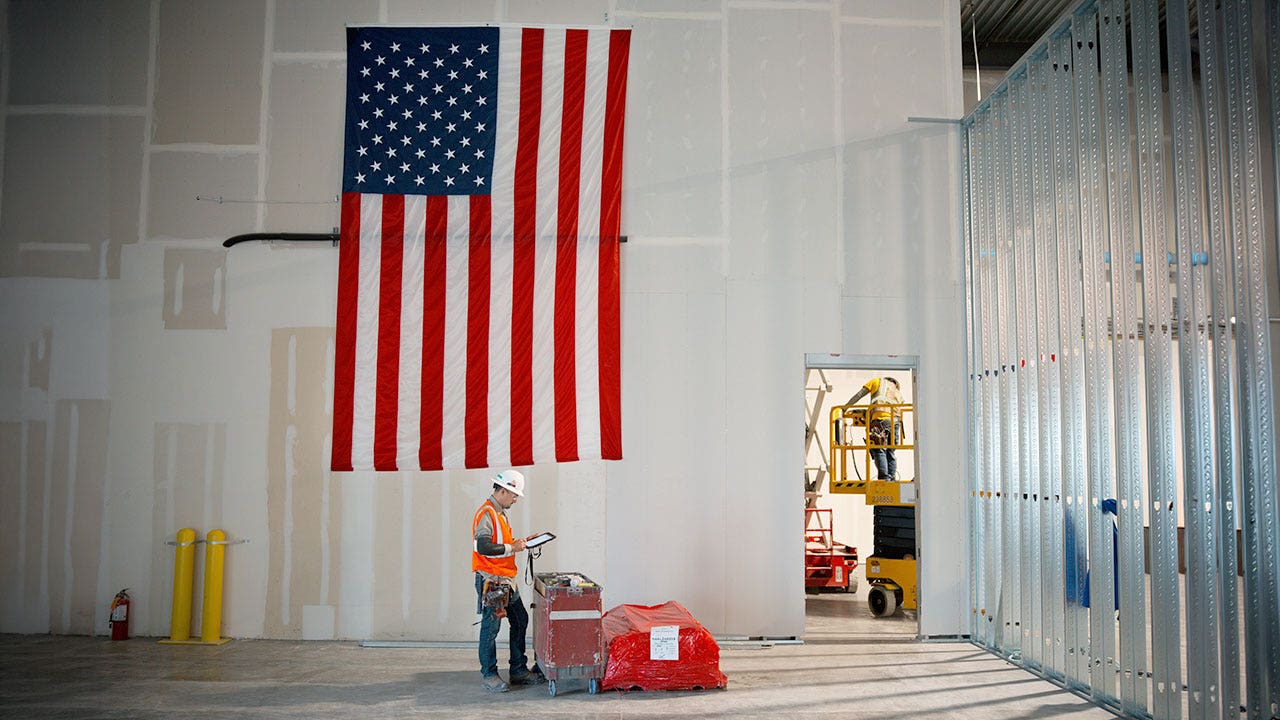
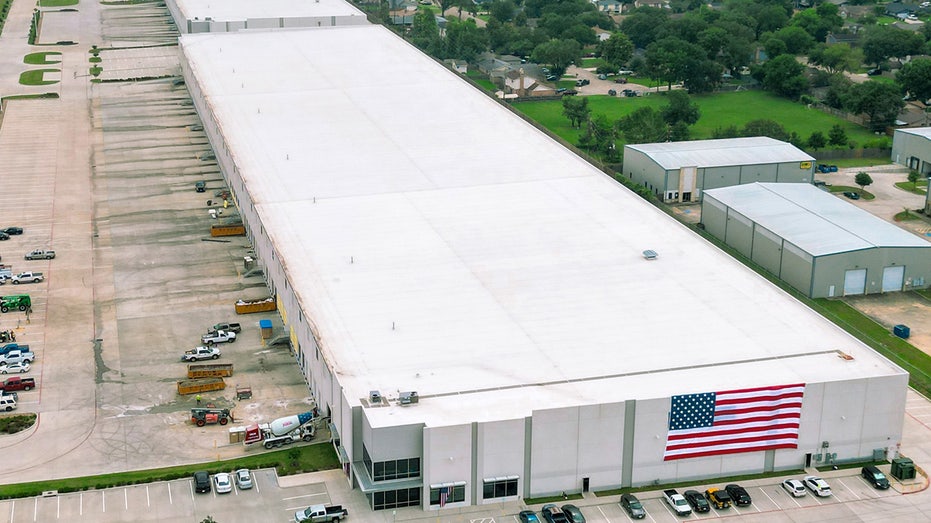
Pegatron said the US manufacturing plant is expected to be completed by the end of March, with initial operations starting soon after. The facility is part of the company’s long-term plan to diversify production away from an over-reliance on Asia, especially China.
According to company executives, construction work is moving on schedule, and the plant will focus on advanced electronics assembly and system integration. While Pegatron has not disclosed the full list of products to be made at the site, it confirmed that the facility will support orders for major clients, including Apple and Dell.
Why does this timeline matter?
Because large electronics plants take months to test and scale. Completing the site by March allows Pegatron to align production with new product cycles later in the year.
The move was widely discussed online as a signal that global manufacturing is shifting faster than expected.
$AAPL $TSM
Pegatron expects US plant construction to finish by end of March; Taiwan-US trade deal includes $250B investment
— 이코노믹캣 (@theconomicat) January 23, 2026
That reaction highlights how investors see Pegatron’s decision as part of a bigger trend rather than a one-off move.
Why Pegatron Is Expanding Manufacturing in the US
The decision to build a US plant did not happen overnight. Several forces are pushing companies like Pegatron to rethink where they make products.
First, geopolitical tensions and trade policies have made companies cautious about concentrating production in one region. Tariffs, export controls, and policy uncertainty have raised costs and risks.
Second, major customers such as Apple and Dell are asking suppliers to localize parts of their supply chain. Producing closer to end markets reduces shipping delays and improves response times.
Third, US incentives and state-level support have made domestic manufacturing more attractive. Tax credits, infrastructure support, and workforce programs help offset higher labor costs.
In short, Pegatron is responding to both pressure and opportunity.
What Will the US Plant Produce for Apple and Dell
While Pegatron has not released a full product list, industry sources suggest the US plant will focus on final assembly, testing, and customization rather than full-scale component manufacturing.
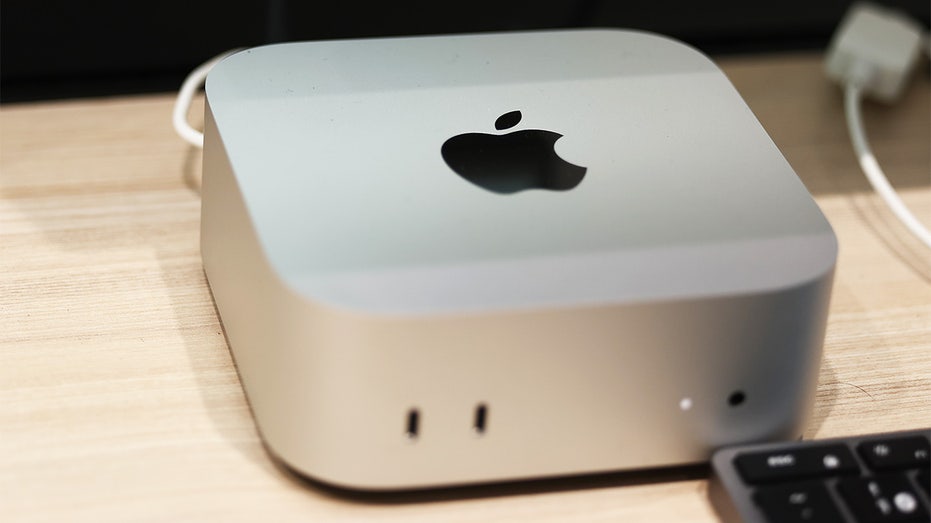
For Apple, this could include limited production runs or specialized configurations of devices for the US market. For Dell, the plant may support enterprise hardware and custom systems that benefit from local assembly.
Why not move everything to the US?
Because full electronics manufacturing requires complex supplier networks. The US plant is meant to complement, not replace, existing facilities in Asia.
This hybrid model allows Pegatron to balance cost efficiency with flexibility and political resilience.
Impact on Apple’s and Dell’s Supply Chains
For Apple, Pegatron’s US expansion supports its broader goal of supply chain diversification. Apple has already increased production in India and Vietnam, and the addition of US capacity adds another layer of resilience.
Dell, which sells a large volume of systems to US businesses and government clients, benefits from local assembly that can meet compliance and delivery requirements more easily.
From a branding point of view, having products assembled in the US also carries symbolic value, especially at a time when governments are encouraging domestic manufacturing.
Does this mean more Apple products will be labeled as US assembled?
Possibly, but likely in limited volumes at first.
Pegatron operates factories across Taiwan, China, Southeast Asia, and now the United States. This global network allows it to shift production based on demand, costs, and policy changes.
The US plant is not Pegatron’s largest facility, but it is strategically important. It gives the company a direct presence in one of its biggest end markets and reduces exposure to sudden trade disruptions.
Executives have said the company will continue to invest in multiple regions rather than betting on a single country.
Market and Investor Reaction
Investors are watching Pegatron closely as supply chains evolve. The company’s move into the US is seen as a long-term investment rather than a short-term profit driver.
Analysts note that margins at the US plant may initially be lower due to higher costs. However, these costs could be offset by stable orders, lower logistics risk, and stronger client relationships.
Some market participants are using AI Stock tools to track how supply chain shifts may affect electronics manufacturers and their customers over time.
Economic and Policy Implications
Pegatron’s US plant also has wider economic implications. New manufacturing facilities create jobs, support local suppliers, and strengthen regional technology ecosystems.
Local governments often welcome such investments, especially when they involve high-skilled manufacturing rather than basic assembly.
At the same time, companies must navigate workforce training, regulatory compliance, and infrastructure challenges.
Is US manufacturing competitive with Asia?
Not on cost alone, but competitiveness improves when stability and speed matter more than price.
Technology Manufacturing and the Bigger Trend
Pegatron’s decision fits into a broader pattern across the tech industry. Semiconductor firms, device makers, and component suppliers are all spreading production across regions.
This trend is driven by risk management rather than pure economics. Companies want to ensure they can deliver products even if one region faces disruption.
Investors studying these changes often rely on AI Stock research to analyze long-term shifts in capital spending and manufacturing strategy.
What Comes Next After March
Once the US plant is completed by the end of March, Pegatron will likely spend several months ramping up operations. Initial output may be modest, with volumes increasing as processes stabilize.
Future expansion will depend on customer demand, policy support, and overall market conditions. Pegatron has said it will review capacity regularly and adjust plans as needed.
For Apple and Dell, the plant provides an option rather than a guarantee of large-scale US production.
Risks and Challenges Ahead
Despite the optimism, challenges remain. Labor availability, cost control, and supply chain coordination will test Pegatron’s execution.
US manufacturing also faces competition from other regions offering lower costs and faster scaling.
Still, most analysts agree that having a US base is a strategic advantage, even if it is not the cheapest option.
Traders and institutions monitoring these risks are increasingly using modern trading tools to react quickly to news about supply chains and capital investment.
Long-Term Outlook for Pegatron
In the long run, Pegatron’s diversified footprint could make it more resilient than competitors tied too closely to one region. The US plant adds flexibility and strengthens ties with key customers.
As technology products become more complex and politically sensitive, suppliers that can adapt quickly may gain an edge.
Some investors are already applying AI stock analysis to Pegatron and similar firms to model how regional production affects earnings stability.
Conclusion
The confirmation that Pegatron will complete its US manufacturing plant by the end of March marks an important milestone for the global electronics supply chain. As a major supplier to Apple and Dell, Pegatron’s move reflects a deeper shift toward diversified and resilient production.
While the US plant will not replace Asia-based manufacturing, it adds a critical layer of flexibility at a time when stability matters as much as cost. For investors, policymakers, and technology partners, Pegatron’s expansion offers a clear signal. The future of manufacturing will be global, balanced, and increasingly close to the customer.
Disclaimer
The content shared by Meyka AI PTY LTD is solely for research and informational purposes. Meyka is not a financial advisory service, and the information provided should not be considered investment or trading advice.

Source link