Apple Expands U.S. Manufacturing Partners


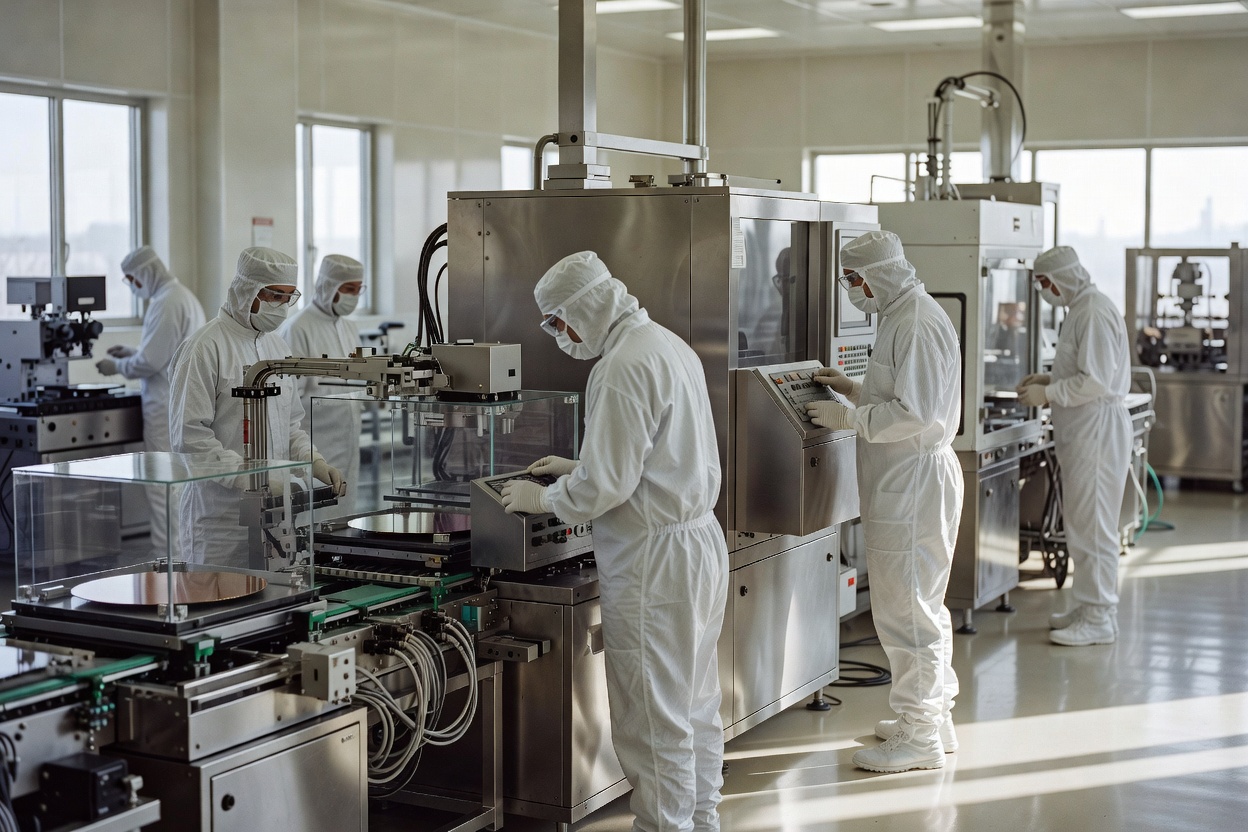
Apple announced new members of its American Manufacturing Program (AMP), expanding the company’s commitment to bring more advanced manufacturing and component production to the United States. Apple is working with Bosch, Cirrus Logic, TDK, and Qnity Electronics to manufacture essential materials and components in the U.S. for Apple products sold around the world, creating jobs and strengthening America’s manufacturing capabilities.

Why it matters

This expansion of Apple’s U.S. supply chain through the AMP program is part of the company’s broader $600 billion, four-year commitment to U.S. manufacturing and innovation. It demonstrates Apple’s belief in the power of American ingenuity and manufacturing, and will help create jobs while bolstering domestic production of critical components.

The details

The new collaborations will enable key technologies for Apple products, including sensor hardware for features like Crash Detection and Face ID systems. Apple is also working with partners to establish new semiconductor process technologies and cutting-edge materials production in the U.S. for the first time.

  • Apple announced the new AMP members on March 27, 2026.
  • The company plans to spend $400 million on these new programs through 2030.

The players

Apple

An American technology company that designs, develops, and sells consumer electronics, computer software, and online services.

Tim Cook

The CEO of Apple.

Bosch

A German multinational engineering and technology company.

Cirrus Logic

An American semiconductor company that designs and manufactures integrated circuits for audio and energy applications.

TDK

A Japanese electronics company that manufactures electronic materials, electronic components, and recording and data-storage media.

Qnity Electronics

A company that provides cutting-edge materials and technologies essential for semiconductor manufacturing and advanced electronics.

Got photos? Submit your photos here. ›

What they’re saying

“At Apple, we believe in the power of American innovation and manufacturing, and we’re proud to partner with even more companies to produce critical components and cutting-edge materials for our products right here in the U.S.”

— Tim Cook, Apple’s CEO

What’s next

Apple’s American Manufacturing Academy will host its first Spring Forum from April 30 to May 1 at Michigan State University in East Lansing, Michigan, bringing together students, educators, industry leaders, and businesses to discuss how AI is transforming the manufacturing industry.

The takeaway

This expansion of Apple’s U.S. supply chain demonstrates the company’s commitment to American innovation and manufacturing, and will help create jobs while strengthening domestic production of critical components for Apple products.

Free Training

Source link

Apple adds US manufacturing partners with $400M expansion


Listen to the article

This audio is auto-generated. Please let us know if you have feedback.

Dive Brief:

  • Apple recently added four semiconductor companies to its American Manufacturing Program, including Bosch, Cirrus Logic, TDK and Qnity Electronics.
  • The Cupertino, California-based company on Thursday said it plans to spend $400 million through 2030 in support of its new partners as they produce materials and components in the United States for Apple products sold around the world.
  • As part of the expansion, longtime Apple supplier TDK has agreed to make iPhone sensors in the U.S. for the first time. The advanced sensors support camera stabilization, among other features. Apple is also working with Bosch on producing circuits that support crash detection, activity tracking and elevation.

Dive Insight:

Apple’s expansion is part of a larger $600 billion commitment to U.S. manufacturing and innovation. It adds to a growing number of companies participating in Apple’s American Manufacturing Program as uncertainty fueled by tariffs and international conflict spur domestic investments.

Initial members such as Amkor, GlobalWafers and Corning are already starting to implement their plans with Apple. The technology giant has redirected all of its iPhone and Apple Watch cover glass production to Corning’s Harrodsburg, Kentucky, facility. It also recently announced plans to bring Mac mini production to Houston later this year.

GlobalWafers has begun wafer production at its Sherman, Texas, factory. Meanwhile, Amkor has broken ground on its advanced packaging and test facility in Peoria, Arizona, where Apple is set to be its first and largest customer.

“We’re proud to partner with even more companies to produce critical components and cutting-edge materials for our products right here in the U.S,” Apple CEO Tim Cook said in a statement.

In addition to new partnerships with TDK and Bosch, Apple is working with Cirrus Logic to establish new semiconductor process technologies at GlobalFoundries’ facility in Malta, New York. Apple said this collaboration will enable Cirrus Logic to develop “mixed-signal solutions” for its applications, including advanced integrated circuits for Face ID systems.

Qnity Electronics and HD Microsystems have also agreed to provide materials and technologies that enhance semiconductor manufacturing through artificial intelligence and high-performance computing. Qnity, a Dupont spinoff, recently formed in November and opened a 385,000-square-foot chips facility in Newark, Delaware, to meet rising AI demand.

Apple also said it has served nearly 150 businesses through dozens of free, in-person training sessions and virtual programming. It is scheduled to host its first Spring Forum from April 30 to May 1 at Michigan State University in East Lansing, Michigan.

Free Training

Source link

Apple to Expand American Manufacturing Programme by US$400m


“We are very proud to be working with Apple to accelerate US manufacturing. We share their commitment to do more in the US, and our teams are working side-by-side with theirs in the US.”

TDK’s US facility will supply TMR sensors in devices shipped all over the world, and will increase the volume of chips that Apple will source from US silicon supply chains.

Expanded with other partners

As part of this new investment in Apple’s AMP, Cirrus Logic and GlobalFoundries will establish new semiconductor process technologies at GlobalFoundries’ facility in New York that will enable Apple to develop mixed-signal solutions for a number of applications, including advanced ICs to power Face ID systems.

Tim Cook, Apple’s CEO, says: “At Apple, we believe in the power of American innovation and manufacturing, and we’re proud to partner with even more companies to produce critical components and cutting-edge materials for our products right here in the US.

“Today, we’re joining with world-class partners like Bosch, Cirrus Logic, TDK, and Qnity Electronics to further expand Apple’s US supply chain through our American Manufacturing Program. This is another powerful example of what is possible when we invest in American ingenuity, and we’re excited to build the future together.”

Free Training

Source link

Apple adds new partners to its American Manufacturing Programme


Apple adds new partners to its American Manufacturing Programme

New Delhi, March 26 (SocialNews.XYZ) Apple on Thursday announced new members of its American Manufacturing Programme (AMP), expanding the company’s long-standing commitment to bring even more advanced manufacturing and critical component production to the United States.

Apple is working with Bosch, Cirrus Logic, TDK, and Qnity Electronics to manufacture essential materials and components in the U.S. for Apple products sold around the world, creating jobs and strengthening America’s manufacturing capabilities. Apple is planning to spend $400 million for these new programs through 2030.

“At Apple, we believe in the power of American innovation and manufacturing, and we’re proud to partner with even more companies to produce critical components and cutting-edge materials for our products right here in the U.S.,” said Tim Cook, Apple’s CEO.

“Today, we’re joining with world-class partners like Bosch, Cirrus Logic, TDK, and Qnity Electronics to further expand Apple’s U.S. supply chain through our American Manufacturing Program. This is another powerful example of what is possible when we invest in American ingenuity, and we’re excited to build the future together,” Cook added.

Today’s expansion accelerates the momentum of AMP, a key part of Apple’s $600 billion, four-year commitment to US manufacturing and innovation.

The programme’s initial partners, including Amkor, Applied Materials, Broadcom, Coherent, Corning, GlobalFoundries, GlobalWafers America, MP Materials, Samsung, and Texas Instruments, are already achieving major milestones to expand advanced manufacturing in America and strengthen Apple’s domestic supply chain.

Longtime Apple supplier TDK will manufacture sensors for Apple in the U.S. for the very first time.

The two companies have collaborated for over 30 years on various technologies, including advanced tunnel magnetoresistance (TMR) sensors that support key iPhone features like camera stabilisation.

TDK’s US facility will supply TMR sensors in devices shipped all over the world, and will increase the volume of chips that Apple will source from U.S. silicon supply chains.

Apple, Bosch, and TSMC will work together to produce integrated circuits (ICs) for Bosch’s new sensing hardware at TSMC Washington in Camas, Washington. These ICs are essential for features like Crash Detection, Activity tracking, and elevation in Apple products.

Apple is also working with Cirrus Logic and GlobalFoundries to establish new semiconductor process technologies at GlobalFoundries’ facility in Malta, New York. GlobalFoundries’ newest silicon process will be available in the U.S. for the first time to enable key technologies for Apple products. This collaboration enables Cirrus Logic to develop mixed-signal solutions for a number of Apple applications, including advanced ICs to power Face ID systems.

Qnity Electronics and HD MicroSystems will provide cutting-edge materials and technologies essential for semiconductor manufacturing and advanced electronics. This collaboration will pioneer innovations for high-performance computing and AI, bolstering the domestic production of critical components and strengthening America’s leadership in advanced technology.

Apple’s commitment to supporting American jobs and manufacturing includes the Apple Manufacturing Academy, launched last fall in Detroit to provide small- and medium-sized manufacturers hands-on training in AI, automation, and smart manufacturing. The academy has already supported nearly 150 businesses through dozens of free in-person training sessions and virtual programming.

Source: IANS

Apple adds new partners to its American Manufacturing Programme

About Gopi

Gopi Adusumilli is a Programmer. He is the editor of SocialNews.XYZ and President of AGK Fire Inc.

He enjoys designing websites, developing mobile applications and publishing news articles on current events from various authenticated news sources.

When it comes to writing he likes to write about current world politics and Indian Movies. His future plans include developing SocialNews.XYZ into a News website that has no bias or judgment towards any.

He can be reached at gopi@socialnews.xyz

Like this:

Like Loading…

Free Training

Source link

Apple to bring Mac mini production to Houston in major US manufacturing expansion


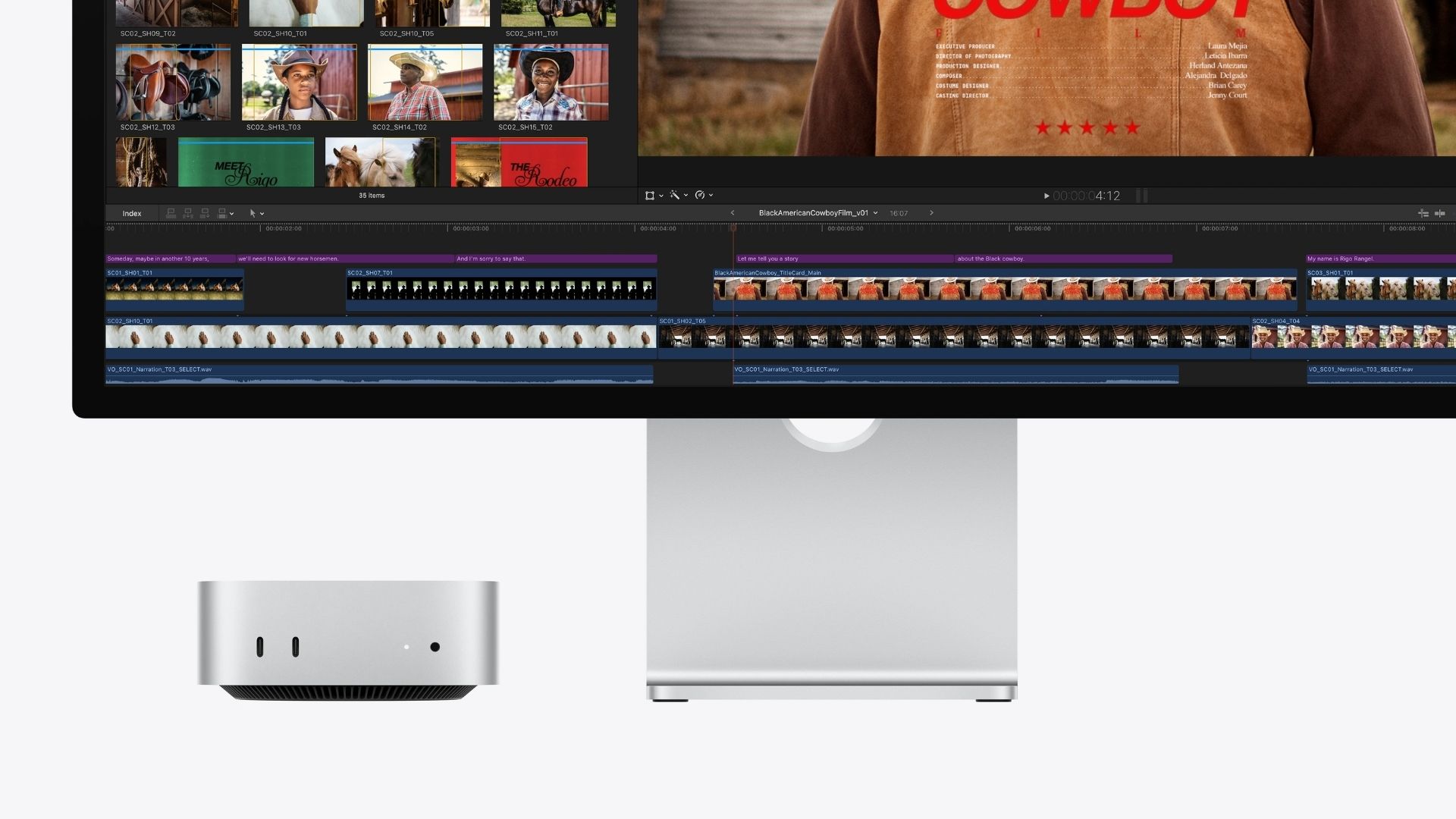
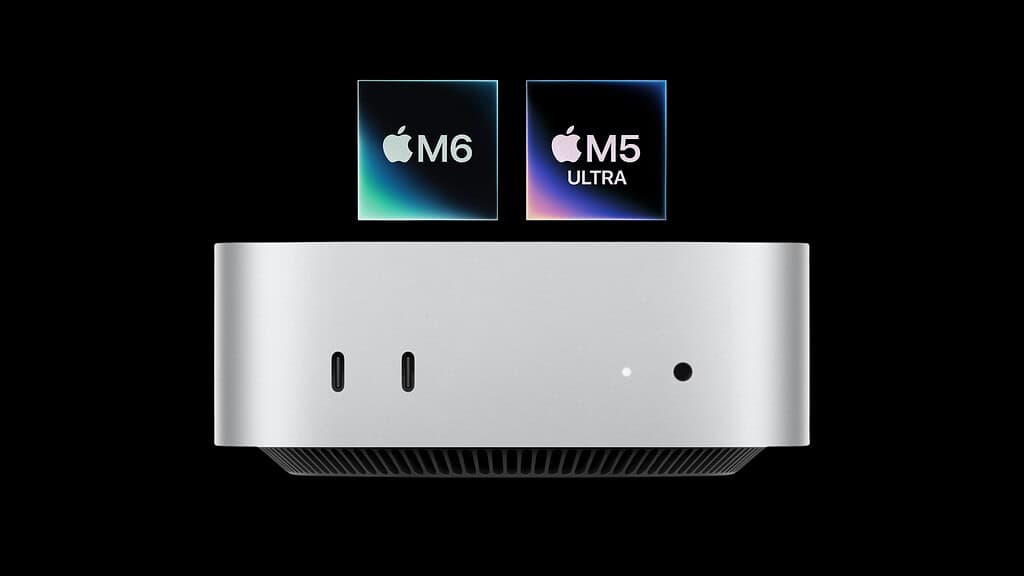
Apple has announced a significant expansion of its Houston manufacturing operations, confirming that production of the Mac mini will move to the United States for the first time as part of a broader investment in advanced manufacturing and AI infrastructure.

The move will also see Apple expand AI server production at the Texas site and open a new Advanced Manufacturing Center later this year, initiatives that together are expected to create thousands of jobs.

Bringing Mac mini production Stateside

Apple said Mac mini manufacturing will begin later in 2026 at a new factory within its Houston campus, effectively doubling the site’s footprint. The compact desktop computer has been a core part of Apple’s product lineup for more than two decades, and the decision marks a notable shift in the company’s global manufacturing strategy.

According to Apple CEO Tim Cook, the investment reflects the company’s growing commitment to U.S. manufacturing capacity: “Apple is deeply committed to the future of American manufacturing, and we’re proud to significantly expand our footprint in Houston with the production of Mac mini starting later this year.”

The move follows a wider trend among technology firms seeking to diversify supply chains and expand domestic production capacity, particularly in high-value electronics manufacturing.

Expansion of AI server manufacturing

Alongside Mac mini production, Apple is ramping up output of advanced AI servers at the Houston site. The company began assembling servers there in 2025, with production already ahead of schedule.

Servers built in Houston—including logic boards produced onsite—are used in Apple data centres across the United States. The expansion reflects Apple’s growing investment in artificial intelligence infrastructure, an area that has become central to both consumer devices and cloud services.

Cook noted the accelerated rollout of AI server production as an early success for the site: “We began shipping advanced AI servers from Houston ahead of schedule, and we’re excited to accelerate that work even further.”

Investing in skills and workforce development

Beyond hardware production, Apple is also investing in workforce development with the launch of a 20,000-square-foot Advanced Manufacturing Center in Houston. The facility, currently under construction, will provide hands-on training in advanced manufacturing techniques.

The centre is expected to train students, supplier employees, and small- and medium-sized manufacturers in processes used in Apple’s own production lines. Apple engineers will lead training sessions designed to help U.S. manufacturers adopt new technologies and improve efficiency.

The company said the initiative aims to strengthen the domestic manufacturing ecosystem while building a pipeline of skilled workers.

Strategic implications for North American manufacturing

Apple’s expansion comes amid a broader push to localise manufacturing in North America, driven by supply-chain resilience concerns, geopolitical tensions, and government incentives.

Bringing Mac mini production to Houston signals that high-tech consumer electronics assembly—traditionally concentrated in Asia—may increasingly be split across multiple regions. Meanwhile, Apple’s investment in AI server production reflects surging demand for data-centre hardware as artificial intelligence applications expand.

For Houston, the project adds another high-profile technology manufacturing investment to the region’s growing industrial base.

A long-term commitment

Apple’s announcement highlights how technology companies are blending product manufacturing, infrastructure development, and workforce training into integrated investment strategies.

By combining Mac mini assembly, AI server production, and advanced manufacturing training, Apple is positioning Houston as a key node in its global supply chain—while signalling a deeper commitment to U.S. manufacturing capacity.

As reshoring momentum continues across North America, Apple’s move could encourage other electronics manufacturers to consider similar strategies, particularly for high-value or strategically important products.

Free Training

Source link

Apple to begin Mac mini production in Houston, expanding US manufacturing footprint


Stockbrokers.com director of investor research Jessica Inskip discusses investor overthinking, Apple’s ChatGPT moment and CME’s prediction market play on ‘Making Money.’ 

Apple will begin producing Mac minis in Houston later this year for the first time, expanding its U.S. manufacturing footprint and creating what the company said will be “thousands of jobs.”

The expansion will effectively double the size of Apple’s Houston campus and increase production of advanced artificial intelligence servers used in the company’s U.S. data centers.

Apple said Tuesday it will also open a 20,000-square-foot Advanced Manufacturing Center in Houston focused on hands-on workforce training. CEO Tim Cook said the expansion reflects the company’s previously announced commitment to increase U.S. manufacturing, adding that AI server shipments from Houston are ahead of schedule.

The Mac mini will be assembled at a new factory on the Houston campus. The company said servers built there – including logic boards manufactured onsite – are being deployed across its U.S. data center network.

ALTMAN CALLS MUSK’S SPACE DATA CENTER PLANS ‘RIDICULOUS’ FOR CURRENT AI COMPUTING NEEDS

Apple's new manufacturing facility in Houston, Texas.

Apple’s new manufacturing facility in Houston, Texas. (Apple)

The expansion comes as technology companies increase domestic AI infrastructure capacity and reassess overseas supply chain exposure. Apple did not disclose financial details specific to the Houston project, but it previously pledged to invest $600 billion in the U.S. and says it has surpassed some related targets.

apple mac mini

Apple will begin producing Mac minis in Houston later this year for the first time. (Jakub Porzycki/NurPhoto via Getty Images)

As part of that broader effort, Apple said it has sourced more than 20 billion U.S.-made chips from 24 factories across 12 states, working with suppliers including TSMC, Broadcom and Texas Instruments. The company expects to purchase well over 100 million advanced chips from TSMC’s Arizona facility in 2026. It is also supporting semiconductor and materials investments in Texas, Arizona and Kentucky through partners such as Amkor, GlobalWafers and Corning.

Ticker Security Last Change Change % AAPL APPLE INC. 274.24 +2.10
+0.77%

Beyond Houston, Apple has expanded its Apple Manufacturing Academy in Detroit, which provides training in artificial intelligence, automation and smart manufacturing to small- and medium-sized U.S. businesses.

Customers wait outside Apple store in Los Angeles

Customers line up outside of Apple’s Grove store in Los Angeles. (Eric Thayer/Bloomberg via Getty Images)

The Houston expansion is expected to generate new high-tech manufacturing roles and create additional opportunities for suppliers in the region.

CLICK HERE TO GET FOX BUSINESS ON THE GO

While Apple did not detail potential pricing implications, the increased U.S.-based production of advanced chips and AI servers reflects the company’s growing reliance on domestic facilities to support its artificial intelligence and data center operations.

Free Training

Source link

February 24, 2026 – Apple US manufacturing, iOS 26.4 beta 2


9to5mac daily podcast

Listen to a recap of the top stories of the day from 9to5Mac. 9to5Mac Daily is available on iTunes and Apple’s Podcasts appStitcherTuneInGoogle Play, or through our dedicated RSS feed for Overcast and other podcast players.

Sponsored by BenQ: Check out BenQ’s smarter displays made for how Mac users actually work and sign up for the giveaway here.

New episodes of 9to5Mac Daily are recorded every weekday. Subscribe to our podcast in Apple Podcast or your favorite podcast player to guarantee new episodes are delivered as soon as they’re available.

Stories discussed in this episode:

Listen & Subscribe:

Subscribe to support Chance directly with 9to5Mac Daily Plus and unlock:

  • Ad-free versions of every episode
  • Bonus content

Catch up on 9to5Mac Daily episodes!

Don’t miss out on our other daily podcasts:

Share your thoughts!

Drop us a line at happyhour@9to5mac.com. You can also rate us in Apple Podcasts or recommend us in Overcast to help more people discover the show.


Add 9to5Mac as a preferred source on Google

FTC: We use income earning auto affiliate links. More.


Free Training

Source link

Apple to move part of Mac Mini production to US with Houston expansion


Apple Inc. will move part of its Mac Mini production to the United States, with assembly set to begin later this year at a Foxconn facility in north Houston, according to a Wall Street Journal report.

Apple Inc. will move part of its Mac Mini production to the United States, with assembly set to begin later this year at a Foxconn facility in north Houston, according to a Wall Street Journal report.

Apple will move some
production of its Mac Mini desktop computer ​to the U.S. from
Asia, with a new manufacturing ‌effort set to begin later this
year at ​a Foxconn facility in north Houston, ⁠The Wall Street
Journal reported on Monday.

The plan marks the iPhone maker’s most recent U.S.
investment, following its commitment announced ‌last August to
invest $600 billion in the U.S. over the next four years.

In May, ‌U.S. President Donald Trump had threatened Apple
with ‌a ⁠25% tariff on products manufactured overseas, a ⁠sharp
reversal from earlier policy when his administration had
exempted smartphones, computers and other electronics from
rounds of tariffs on Chinese imports.

The ​production for Mac ‌Mini will continue in Asia, its chief
operating officer Sabih Khan told WSJ, adding that the facility
will meet local demand as the U.S. assembly ‌line ramps up.

It was not immediately clear ​whether Apple plans to
scale down production in its Asia facilities. Apple did not
immediately ⁠respond to a Reuters request for comment.

The company feels more confident projecting long-term demand
for the Mac ‌Mini, which is more popular than the Mac Pro, Khan
added.

It is also expanding the Houston facility to include a new
training center for advanced manufacturing, according to the
report.

Apple has a mixed track record when it comes to following
through on ‌investment promises.

In 2019, for instance, Cook toured a Texas ​factory
with Trump that was promoted as a new manufacturing site.
However, the facility had ⁠been producing Apple computers since
2013 and Apple has since ⁠moved that production to Thailand.

Apple continues to manufacture most of its products,
including iPhones ‌and iPads, in Asia, primarily in China,
although it has shifted some production to Vietnam, Thailand ​and
India in recent years.

Published on February 24, 2026

Free Training

Source link

Pegatron to Complete US Manufacturing Plant by End of March, Supplies Apple and Dell


Global manufacturing is entering a new phase, and Pegatron is placing a big bet on the United States. The Taiwan-based electronics manufacturer, known worldwide as a key supplier to Apple and Dell, has confirmed that its new US manufacturing plant will be completed by the end of March. This move marks a major step in reshaping global supply chains and reflects how electronics makers are responding to trade pressure, geopolitical risks, and customer demand for local production.

The announcement has caught the attention of investors, policymakers, and technology watchers. Pegatron is one of Apple’s most important assembly partners, alongside Foxconn and Wistron. Any shift in its production footprint signals broader changes in how and where the world’s most popular devices are made.

So why is this move happening now, and what does it mean for Apple, Dell, and the wider tech industry? Let us break it down in simple terms.

Pegatron Confirms US Plant Timeline and Strategy

Pegatron said the US manufacturing plant is expected to be completed by the end of March, with initial operations starting soon after. The facility is part of the company’s long-term plan to diversify production away from an over-reliance on Asia, especially China.

According to company executives, construction work is moving on schedule, and the plant will focus on advanced electronics assembly and system integration. While Pegatron has not disclosed the full list of products to be made at the site, it confirmed that the facility will support orders for major clients, including Apple and Dell.

Why does this timeline matter?
Because large electronics plants take months to test and scale. Completing the site by March allows Pegatron to align production with new product cycles later in the year.

The move was widely discussed online as a signal that global manufacturing is shifting faster than expected.

$AAPL $TSM

Pegatron expects US plant construction to finish by end of March; Taiwan-US trade deal includes $250B investment

— 이코노믹캣 (@theconomicat) January 23, 2026

That reaction highlights how investors see Pegatron’s decision as part of a bigger trend rather than a one-off move.

Why Pegatron Is Expanding Manufacturing in the US

The decision to build a US plant did not happen overnight. Several forces are pushing companies like Pegatron to rethink where they make products.

First, geopolitical tensions and trade policies have made companies cautious about concentrating production in one region. Tariffs, export controls, and policy uncertainty have raised costs and risks.

Second, major customers such as Apple and Dell are asking suppliers to localize parts of their supply chain. Producing closer to end markets reduces shipping delays and improves response times.

Third, US incentives and state-level support have made domestic manufacturing more attractive. Tax credits, infrastructure support, and workforce programs help offset higher labor costs.

In short, Pegatron is responding to both pressure and opportunity.

What Will the US Plant Produce for Apple and Dell

While Pegatron has not released a full product list, industry sources suggest the US plant will focus on final assembly, testing, and customization rather than full-scale component manufacturing.

For Apple, this could include limited production runs or specialized configurations of devices for the US market. For Dell, the plant may support enterprise hardware and custom systems that benefit from local assembly.

Why not move everything to the US?
Because full electronics manufacturing requires complex supplier networks. The US plant is meant to complement, not replace, existing facilities in Asia.

This hybrid model allows Pegatron to balance cost efficiency with flexibility and political resilience.

Impact on Apple’s and Dell’s Supply Chains

For Apple, Pegatron’s US expansion supports its broader goal of supply chain diversification. Apple has already increased production in India and Vietnam, and the addition of US capacity adds another layer of resilience.

Dell, which sells a large volume of systems to US businesses and government clients, benefits from local assembly that can meet compliance and delivery requirements more easily.

From a branding point of view, having products assembled in the US also carries symbolic value, especially at a time when governments are encouraging domestic manufacturing.

Does this mean more Apple products will be labeled as US assembled?
Possibly, but likely in limited volumes at first.

Pegatron operates factories across Taiwan, China, Southeast Asia, and now the United States. This global network allows it to shift production based on demand, costs, and policy changes.

The US plant is not Pegatron’s largest facility, but it is strategically important. It gives the company a direct presence in one of its biggest end markets and reduces exposure to sudden trade disruptions.

Executives have said the company will continue to invest in multiple regions rather than betting on a single country.

Market and Investor Reaction

Investors are watching Pegatron closely as supply chains evolve. The company’s move into the US is seen as a long-term investment rather than a short-term profit driver.

Analysts note that margins at the US plant may initially be lower due to higher costs. However, these costs could be offset by stable orders, lower logistics risk, and stronger client relationships.

Some market participants are using AI Stock tools to track how supply chain shifts may affect electronics manufacturers and their customers over time.

Economic and Policy Implications

Pegatron’s US plant also has wider economic implications. New manufacturing facilities create jobs, support local suppliers, and strengthen regional technology ecosystems.

Local governments often welcome such investments, especially when they involve high-skilled manufacturing rather than basic assembly.

At the same time, companies must navigate workforce training, regulatory compliance, and infrastructure challenges.

Is US manufacturing competitive with Asia?
Not on cost alone, but competitiveness improves when stability and speed matter more than price.

Technology Manufacturing and the Bigger Trend

Pegatron’s decision fits into a broader pattern across the tech industry. Semiconductor firms, device makers, and component suppliers are all spreading production across regions.

This trend is driven by risk management rather than pure economics. Companies want to ensure they can deliver products even if one region faces disruption.

Investors studying these changes often rely on AI Stock research to analyze long-term shifts in capital spending and manufacturing strategy.

What Comes Next After March

Once the US plant is completed by the end of March, Pegatron will likely spend several months ramping up operations. Initial output may be modest, with volumes increasing as processes stabilize.

Future expansion will depend on customer demand, policy support, and overall market conditions. Pegatron has said it will review capacity regularly and adjust plans as needed.

For Apple and Dell, the plant provides an option rather than a guarantee of large-scale US production.

Risks and Challenges Ahead

Despite the optimism, challenges remain. Labor availability, cost control, and supply chain coordination will test Pegatron’s execution.

US manufacturing also faces competition from other regions offering lower costs and faster scaling.

Still, most analysts agree that having a US base is a strategic advantage, even if it is not the cheapest option.

Traders and institutions monitoring these risks are increasingly using modern trading tools to react quickly to news about supply chains and capital investment.

Long-Term Outlook for Pegatron

In the long run, Pegatron’s diversified footprint could make it more resilient than competitors tied too closely to one region. The US plant adds flexibility and strengthens ties with key customers.

As technology products become more complex and politically sensitive, suppliers that can adapt quickly may gain an edge.

Some investors are already applying AI stock analysis to Pegatron and similar firms to model how regional production affects earnings stability.

Conclusion

The confirmation that Pegatron will complete its US manufacturing plant by the end of March marks an important milestone for the global electronics supply chain. As a major supplier to Apple and Dell, Pegatron’s move reflects a deeper shift toward diversified and resilient production.

While the US plant will not replace Asia-based manufacturing, it adds a critical layer of flexibility at a time when stability matters as much as cost. For investors, policymakers, and technology partners, Pegatron’s expansion offers a clear signal. The future of manufacturing will be global, balanced, and increasingly close to the customer.

Disclaimer

The content shared by Meyka AI PTY LTD is solely for research and informational purposes. Meyka is not a financial advisory service, and the information provided should not be considered investment or trading advice.


Free Training

Source link