



Nebraska Manufacturing Growth Slows as Regional Economy Continues to Expand
By Allison Peck
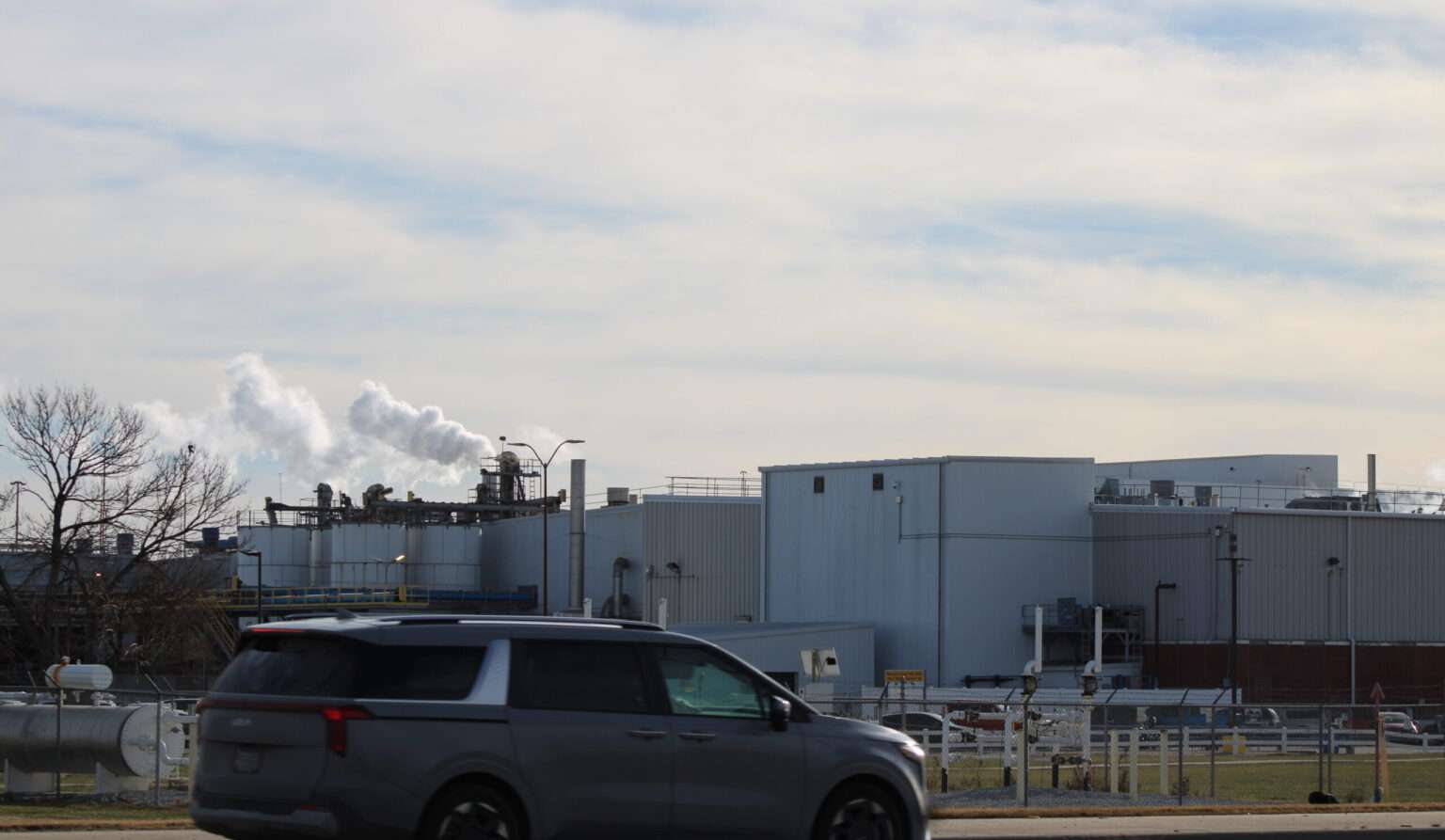 The Tyson beef plant in Lexington, shown in December, 2026 closure accounted for 3,212 jobs. (Juan Salinas II/Nebraska Examiner)
Manufacturing activity across the Mid-America region remained in growth territory for the sixth consecutive month in July, according to the latest Creighton University Mid-America Business Conditions Index. While the regional economy continues to show steady expansion, Nebraska recorded the weakest manufacturing performance among the nine states included in the monthly survey.
The overall Business Conditions Index slipped slightly to 55.7 in July from 56.0 in June. A reading above 50 indicates growth in the manufacturing sector.
Ernie Goss, director of Creighton University’s Economic Forecasting Group, said regional manufacturers continue to perform well despite persistent inflationary pressures.
“Regional manufacturing growth continues on a solid pace but with elevated inflationary pressures at the wholesale level,” Goss said.
Inflation remains a major concern for manufacturers. Although the wholesale price index declined from June, it stayed well above growth-neutral levels, leading researchers to conclude the Federal Reserve is unlikely to lower interest rates over the next several months.
Supply managers also reported continued effects from the war in Iran. Nearly two-thirds said the conflict has led to shipping delays and higher transportation costs, while more than 93 percent reported they have been able to pass those increased costs on to customers.
Employment across the region showed modest improvement, with the manufacturing employment index moving above growth-neutral for only the second time in the past year. About one in four companies reported adding workers during July, while only one in 13 reported layoffs.
Some manufacturers also reported signs that production is returning to the United States.
“It is encouraging to see reshoring taking place,” one supply manager said. “Two major customers have moved operations from Mexico to the U.S.”
In Nebraska, the Business Conditions Index fell to 51.1 in July from 52.5 in June, the lowest reading among the nine-state region. While the state’s manufacturing sector continued to expand slightly, its employment index dropped to 46.6, indicating continued job losses.
According to U.S. Bureau of Labor Statistics data cited in the report, Nebraska has lost approximately 4,700 manufacturing jobs over the past 12 months, a decline of 4.6 percent. The food processing industry accounted for about 4,000 of those lost jobs.
Despite Nebraska’s weaker performance, business leaders across the region remain cautiously optimistic. The six-month Business Confidence Index climbed to 57.7 in July, its highest level since January. However, Goss warned that continued geopolitical tensions, higher oil prices and supply disruptions could weaken confidence in the months ahead.
The Creighton University survey measures manufacturing activity in Arkansas, Iowa, Kansas, Minnesota, Missouri, Nebraska, North Dakota, Oklahoma and South Dakota and is considered a leading indicator of economic conditions across the Mid-America region.

