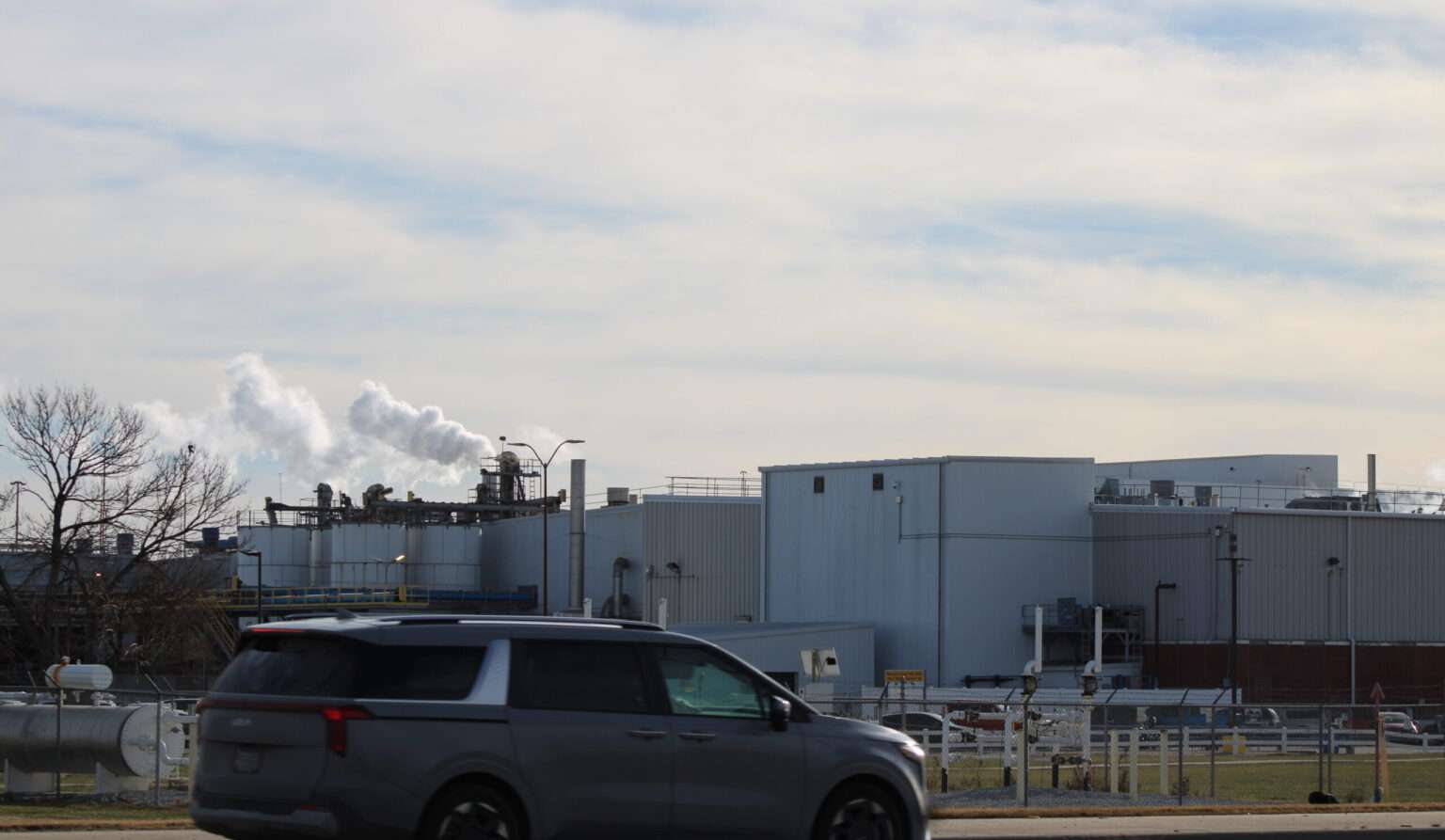


Skydio to invest $3.5 billion to expand U.S. drone manufacturing


Skydio announced plans to invest $3.5 billion in the United States over the next five years to expand domestic manufacturing and research capabilities. The company said the initiative aims to strengthen supply chains and support long-term growth in the U.S. drone industry.


The investment is expected to create more than 2,000 jobs within Skydio and support over 3,000 additional roles across the domestic supply chain. More than $1 billion of the total funding will be directed to U.S.-based suppliers.

Skydio said it already produces more dual-use drones than any company outside China. The company has delivered over 60,000 systems to more than 3,800 customers, including public safety agencies, U.S. military branches, allied nations and commercial operators.

A central element of the expansion is the SkyForge program. This initiative is designed to support domestic production and reinforce U.S.-based manufacturing capabilities.


The company plans to open a new manufacturing facility that will be five times larger than its current site. This will mark Skydio’s fifth expansion in eight years as it responds to increased demand.

The investment will also support the development of domestic suppliers for critical components. Skydio said it will work with selected partners to co-locate production and provide access to engineering expertise.

Adam Bry, co-founder and Chief Executive Officer of Skydio, said: “U.S. innovation invented the airplane, ramped up manufacturing to win WWII, put a man on the moon, broke the sound barrier, and commercialized space travel.” He added: “Skydio has proven that American companies can compete and win in the civilian drone market against products from our adversaries.”

The company said drones have rapidly evolved into critical infrastructure tools across multiple sectors. Its systems are used in public safety, where aerial capabilities can support faster response times.


Skydio said its technology enables drones to arrive first at incident scenes in a majority of cases. In some situations, operations can be resolved without deploying additional units.

The company said the investment will reinforce domestic manufacturing of electronics and components. It also aims to strengthen secure supply chains that support national resilience.

Skydio said it will continue expanding production capacity to meet demand from public safety, national security and utility sectors. The company added that the initiative reflects a broader effort to position the United States as a leader in autonomous aerial systems.


Free Training

Source link

Toyota Invests $1 Billion to Expand U.S. Manufacturing Capacity


GEORGETOWN, Ky. — Toyota is investing $1 billion across its Kentucky and Indiana manufacturing operations to expand production capacity and support electrification, as the company marks 40 years of vehicle assembly in Kentucky.

The investment includes $800 million at Toyota’s Georgetown, Kentucky plant to prepare the facility for a second battery electric vehicle and increase assembly capacity for the Camry and RAV4. An additional $200 million will go to Toyota’s Indiana plant to expand production of the Grand Highlander SUV.

Toyota said the investment is part of a previously announced plan to invest up to $10 billion in U.S. manufacturing over the next five years, aimed at meeting customer demand and supporting a broader vehicle lineup.

The Georgetown facility, Toyota’s largest manufacturing plant globally, has produced more than 14 million vehicles since opening in 1986. The site remains a key hub for vehicle assembly and is central to the company’s strategy to expand production in North America.

In Indiana, the investment will increase output of the Grand Highlander, which will be assembled alongside the Sienna minivan in the plant’s East facility while continuing production with the Lexus TX in the West facility.

“Today’s announcement reflects the company’s commitment to meeting customer demand and the belief in our team to get it done,” said Jason Puckett, president of Toyota Indiana.

Toyota said the investments are designed to increase throughput and support production of both traditional and electrified vehicles as demand shifts across the automotive market.

]]>


Looking for quick answers on assembly and manufacturing topics?


Try Ask ASM, our new smart AI search tool.

Ask ASM

In addition to manufacturing expansion, the company is investing in workforce development programs tied to its production operations. Toyota Kentucky announced $4 million in funding for STEM education initiatives in local school systems and $400,000 to support manufacturing engineering programs at Eastern Kentucky University.

The company said the efforts are intended to support workforce readiness and ensure a pipeline of skilled workers for future production needs.

Toyota’s Kentucky plant employs approximately 10,000 workers, while its Indiana facility employs more than 7,000. The company said continued investment in facilities and workforce development is essential to maintaining production capacity and supporting long-term manufacturing growth in the United States.

Free Training

Source link

Apple to Expand American Manufacturing Programme by US$400m


“We are very proud to be working with Apple to accelerate US manufacturing. We share their commitment to do more in the US, and our teams are working side-by-side with theirs in the US.”

TDK’s US facility will supply TMR sensors in devices shipped all over the world, and will increase the volume of chips that Apple will source from US silicon supply chains.

Expanded with other partners

As part of this new investment in Apple’s AMP, Cirrus Logic and GlobalFoundries will establish new semiconductor process technologies at GlobalFoundries’ facility in New York that will enable Apple to develop mixed-signal solutions for a number of applications, including advanced ICs to power Face ID systems.

Tim Cook, Apple’s CEO, says: “At Apple, we believe in the power of American innovation and manufacturing, and we’re proud to partner with even more companies to produce critical components and cutting-edge materials for our products right here in the US.

“Today, we’re joining with world-class partners like Bosch, Cirrus Logic, TDK, and Qnity Electronics to further expand Apple’s US supply chain through our American Manufacturing Program. This is another powerful example of what is possible when we invest in American ingenuity, and we’re excited to build the future together.”

Free Training

Source link

Hyundai Plans 36 New Models for N.A. & Expand U.S. Manufacturing


Hyundai Motor Company laid out an ambitious product and manufacturing strategy on Wednesday, announcing plans to introduce 36 new or substantially updated vehicles across North America by 2030 as part of a sweeping effort to deepen its footprint in the United States and cement its standing as one of the industry’s most aggressive growth stories.

The announcement, made by President and Chief Executive José Muñoz at the company’s annual shareholder meeting, signals Hyundai’s determination to compete aggressively in a market that has become central to its global ambitions — even as the broader auto industry navigates economic uncertainty, shifting consumer preferences and an uneven transition to electric vehicles.

The planned vehicles — spanning passenger cars, sport utility vehicles, trucks and commercial models — will be offered with a range of powertrains, including traditional combustion engines, hybrids, fully electric and extended-range electric options. The lineup will also include expanded trim levels, among them the rugged XRT variants and high-performance N derivatives that have cultivated a devoted following among driving enthusiasts. The rollout will cover the United States, Canada and Mexico.

“Hyundai is accelerating across North America,” Mr. Muñoz said at the meeting. “By expanding our product portfolio and offering a wider range of powertrains in North America, we’re giving customers more choice while continuing to strengthen our long-term investment in U.S. manufacturing, jobs, and the broader automotive ecosystem.”

The product push is closely tied to a $26 billion investment in the United States previously announced by Hyundai Motor Group. That commitment, which extends well beyond vehicle development, also encompasses a new state-of-the-art steel mill in Louisiana and a robotics research and innovation hub — investments the company says will strengthen its manufacturing capabilities and technology infrastructure across the region for decades to come.

On the production side, Hyundai said it aims to have more than 80 percent of the vehicles it sells in the United States assembled domestically by 2030, a significant increase from current levels. Simultaneously, the company is targeting a rise in American-made components within its supply chain, pushing that figure from roughly 60 percent today to approximately 80 percent. Together, those goals are designed to reduce the company’s exposure to global supply chain disruptions and improve operational efficiency through more localized sourcing.

The strategy reflects a broader industrywide pressure on automakers to bring production closer to home — a trend sharply accelerated by pandemic-era supply chain upheaval, evolving trade policy and growing political and consumer interest in domestic manufacturing. For Hyundai, the push also represents a calculated bet that committing deeply to American production and American workers will pay long-term dividends in both brand loyalty and market resilience across the United States, Canada and Mexico.

Free Training

Source link

President Trump Secures Trillions in New U.S. Investments as Companies Expand American Manufacturing


Supporters of President Donald J. Trump say his America First economic policies are driving a massive wave of private investment back into the United States. Since the start of his second term, companies from around the world have announced major plans to expand U.S. manufacturing, artificial intelligence infrastructure, energy production, and advanced technology development.

Advocates of the administration say the investments demonstrate renewed confidence in the U.S. economy and a shift toward onshoring production, strengthening domestic supply chains, and creating American jobs. The announced investments collectively total trillions of dollars, with projects spread across dozens of states.

Below is a non-comprehensive list of companies and projects announcing new U.S.-based investments during President Trump’s second term.

  • Apple – $600 billion investment in U.S. manufacturing and workforce training while expanding domestic supply chains.
  • Meta – $600 billion investment by 2028 to expand artificial intelligence technology, infrastructure, and workforce development in the U.S.
  • Project Stargate (SoftBank, OpenAI, Oracle) – $500 billion private investment in U.S. artificial intelligence infrastructure.
  • NVIDIA – $500 billion investment in U.S. AI infrastructure over four years, while manufacturing AI supercomputers in the United States for the first time.
  • Amazon – $340 billion invested in the U.S. last year, plus $20 billion for cloud infrastructure in Pennsylvania, $10 billion in North Carolina data centers, and $4 billion across small towns nationwide.
  • Micron Technology – $200 billion investment in U.S. semiconductor manufacturing, including facilities in Boise, Idaho, and Manassas, Virginia.
  • IBM – $150 billion investment over five years in U.S. manufacturing and technology growth.
  • Taiwan Semiconductor Manufacturing Company (TSMC) – $100 billion investment in U.S. chip manufacturing facilities.
  • Johnson & Johnson – $55 billion investment in manufacturing, research, and technology, including a major facility in North Carolina.
  • AstraZeneca – $50 billion investment in medicines manufacturing and research in the U.S.
  • Anthropic – $50 billion investment in AI infrastructure, including new data centers in Texas and New York.
  • Roche – $50 billion investment in U.S. research and manufacturing expected to create more than 1,000 permanent jobs and 12,000 construction jobs.
  • Bristol Myers Squibb – $40 billion investment in U.S. manufacturing, technology, and research operations.
  • GSK – $30 billion investment in U.S. research, development, and manufacturing facilities.
  • Eli Lilly – $27 billion investment to more than double U.S. drug manufacturing capacity.
  • Hyundai – $26 billion investment, including a $5.8 billion steel plant in Louisiana, creating roughly 1,500 jobs.
  • Vantage Data Centers – $25 billion project to build a 1.4-gigawatt data center campus in Texas employing more than 5,000 workers.
  • ADQ and Energy Capital Partners – $25 billion investment in U.S. energy and data center infrastructure.
  • Google – $25 billion investment in AI and data center infrastructure.
  • Blackstone – $25 billion investment in digital and energy infrastructure in Pennsylvania.
  • Novartis – $23 billion investment to build or expand ten U.S. manufacturing facilities and create 4,000 jobs.
  • John Deere – $20 billion investment over the next decade in American manufacturing expansion.
  • DAMAC Properties – $20 billion investment in U.S. data centers.
  • CMA CGM – $20 billion investment in shipping and logistics expected to create 10,000 jobs.
  • Sanofi – $20 billion investment in research and manufacturing in the U.S.
  • Venture Global LNG – $18 billion investment in a Louisiana liquefied natural gas facility.
  • Woodside Energy Group – $17.5 billion investment in a new LNG facility in Louisiana.
  • GlobalFoundries – $16 billion investment expanding chip manufacturing plants in New York and Vermont.
  • FirstEnergy Corp. – $15 billion investment in energy infrastructure improvements.
  • Nippon Steel – $14 billion investment in U.S. Steel operations, including a new steel mill.
  • Stellantis – $13 billion investment to expand U.S. vehicle production by more than 50 percent.
  • Gilead Sciences – $11 billion expansion of U.S. manufacturing investment.
  • AbbVie – $10 billion investment over ten years, adding four new manufacturing plants.
  • JPMorganChase – $10 billion investment supporting U.S. manufacturing growth.
  • Merck & Co. – $9 billion investment in U.S. pharmaceutical manufacturing, including new facilities in Delaware and North Carolina.
  • PPL – $6.8 billion investment expanding power grid capacity.
  • CoreWeave – $6 billion investment in data center expansion.
  • Westinghouse – $6 billion investment to build ten nuclear reactors in the United States.
  • Clarios – $6 billion expansion of domestic manufacturing operations.
  • UCB – $5 billion investment for a new U.S. pharmaceutical manufacturing plant.
  • Ford – $5 billion investment in Kentucky and Michigan manufacturing facilities.
  • Pratt Industries – $5 billion investment creating 5,000 manufacturing jobs across four states.
  • Hanwha Group – $5 billion investment expanding shipbuilding operations in Philadelphia.
  • GlobalWafers – $4 billion investment expanding U.S. semiconductor production.
  • General Motors – $4 billion investment shifting vehicle production from Mexico and China to U.S. plants.
  • Mitsubishi – $3.9 billion investment in American energy projects.
  • Shintech – $3.4 billion expansion of a Louisiana chemical manufacturing facility.
  • Regeneron and Fujifilm Diosynth Biotechnologies – $3 billion agreement to expand pharmaceutical manufacturing in North Carolina.
  • Kraft Heinz – $3 billion investment upgrading U.S. food manufacturing plants.
  • GE Appliances – $3 billion investment expanding manufacturing across five states.
  • NorthMark Strategies – $2.8 billion supercomputing facility in South Carolina.
  • Thermo Fisher Scientific – $2 billion investment expanding manufacturing operations.
  • Amkor Technology – $2 billion semiconductor facility in Arizona, creating 2,000 jobs.
  • Biogen – $2 billion investment in North Carolina manufacturing.
  • Mars, Inc. – $2 billion expansion of U.S. manufacturing operations.
  • GE Aerospace – $2 billion combined investment creating 10,000 jobs nationwide.
  • Kimberly-Clark – $2 billion investment expanding manufacturing facilities, including a major plant in Ohio.
  • Chobani – $1.7 billion investment, including a new dairy processing plant in New York.
  • Oklo – $1.68 billion fuel recycling facility in Tennessee.
  • Corning – $1.5 billion expansion of Michigan manufacturing, creating 1,500 jobs.
  • Smithfield Foods – $1.3 billion pork processing facility in South Dakota.
  • MP Materials – $1.25 billion rare earth magnet facility in Texas.
  • First Solar – $1.1 billion solar manufacturing plant in Louisiana.
  • Carrier – $1 billion investment creating 4,000 jobs.
  • Cencora – $1 billion investment strengthening U.S. distribution networks.
  • Siemens Energy – $1 billion expansion of grid and turbine manufacturing.
  • Hikma Pharmaceuticals – $1 billion investment expanding research and manufacturing.
  • Vaxcyte – $1 billion U.S. vaccine manufacturing investment.
  • Anduril Industries – $1 billion autonomous defense systems facility in Ohio.
  • Live Nation Entertainment – $1 billion investment building 18 new music venues nationwide.
  • Hitachi – $1 billion investment in American energy infrastructure, including a transformer plant in Virginia.
  • Williams International – $1 billion aviation engine manufacturing facility in Florida.

Numerous additional companies—including Toyota, Lego, Samsung Biologics, Siemens, Abbott Laboratories, Anheuser-Busch, Whirlpool, Rolls-Royce, Philips, ABB, JBS USA, Pratt & Whitney, and many others—have also announced new manufacturing plants, technology facilities, or infrastructure investments across the country.

Supporters say the scale of the announcements reflects a broader trend of reindustrialization and renewed domestic manufacturing capacity, with hundreds of thousands of jobs expected to be created.

Economic analysts note that many large corporate investment decisions span several years and multiple administrations, but the administration’s backers argue the surge signals strong confidence in the American economy and workforce.

More investment announcements are expected as companies continue expanding U.S. operations.

Free Training

Source link

Manufacturers Expand U.S. Operations With New Plants and Investments


Several major companies are ramping up manufacturing investments across the United States, announcing new facilities, production expansions and job creation as firms strengthen domestic supply chains and meet rising demand in sectors such as pharmaceuticals, steel and advanced electronics.

Courtesy: Photo by Josh Olalde on Unsplash

Industry leaders including Novartis, US Forged Rings, Akston Biosciences and Faith Technologies have recently revealed projects spanning multiple states, highlighting continued momentum in U.S. manufacturing development.

These investments come as companies seek to expand production capacity, shorten supply chains and support growing demand for high-tech products and industrial materials.

Novartis Plans New Cancer Treatment Facility in Texas

Pharmaceutical giant Novartis is planning to build a 46,000-square-foot radioligand therapy manufacturing facility in Denton, Texas, as part of its wider effort to expand research and manufacturing operations in the United States.

The new plant will focus on producing targeted treatments for patients with advanced cancers and will become the company’s fifth U.S. site dedicated to radioligand therapy manufacturing.

Construction on the project is expected to begin in 2026, with commercial production anticipated to start by 2028.

The Denton facility represents part of Novartis’ broader $23 billion commitment to expand its U.S. manufacturing and research footprint, which the company announced last year.

Over the past 10 months, the pharmaceutical company has already broken ground on four additional facilities across the country, demonstrating continued progress toward that long-term investment strategy.

The Texas project is expected to create jobs in several specialized fields including:

  • Bioengineering
  • Advanced manufacturing
  • Quality control
  • Operations management

Local officials say the project could generate new opportunities for the regional biotechnology workforce while supporting broader economic growth.

The investment in Denton is estimated at $280 million and may qualify for nearly $9 million in state and local tax incentives, according to local reports.

US Forged Rings Plans Major Steel Production Facility

Startup steel manufacturer US Forged Rings has selected Hertford County, North Carolina, as the location for a large-scale industrial production facility focused on steel forgings and industrial components.

The project is part of a three-phase development plan valued at approximately $875 million.

The first two phases alone are expected to create 625 new jobs in the region while supporting growth in domestic steel production.

“This investment represents an important step in our mission to strengthen American manufacturing capability in critical steel products,” US Forged Rings President and CEO Giacomo Sozzi said in a statement.

Founded in 2022, the company is part of the Sozzi family’s industrial group, which has more than four decades of experience in steel forging operations.

Once operational, the facility will produce specialty tubular products and forged components used in sectors such as power generation and heavy industry.

The plant will also manufacture industrial parts including:

  • Forged rings
  • Shafts
  • Cylinders

The site will be located next to a steel plant operated by Nucor, a key supply chain partner for the project. Rail services will be provided by CSX Transportation to support long-distance freight shipments.

Production for the first phases is expected to begin in 2028.

Additional Manufacturing Projects Expand Across the U.S.

Several other companies are also expanding their manufacturing presence with new facilities and production investments.

Animal health biotech company Akston Biosciences has opened a 31,000-square-foot manufacturing plant in Shreveport, Louisiana, marking a key milestone in its expansion strategy.

The facility is part of a $7 million investment aimed at increasing production of protein therapeutics designed for pet health treatments.

The site is expected to create 69 direct jobs over the next five years, with average annual salaries of around $100,000, according to local economic development officials.

Akston co-founder and CEO Todd Zion described the project as a significant step for the company’s growth.

“major milestone,” saying that it was critical to expand in the U.S. and aims to address unmet needs in pet health with its protein therapeutics.

The facility includes specialized infrastructure such as clean rooms for biologics production, quality control laboratories, cold storage systems and warehouse space.

Meanwhile, electrical equipment manufacturer Faith Technologies is planning to invest $79 million in a new production facility in Opelika, Alabama.

The project involves renovating a former distribution center previously used by Joann Fabrics.

Once completed, the site is expected to create around 200 jobs in the Auburn-Opelika metropolitan area.

Courtesy: Photo by Aleksey on Pexels

Faith Technologies manufactures electrical systems including switchboards, power modules and charging infrastructure used in energy, construction and technology markets.

The company’s modular electrical solutions are also designed for large data center developers and industrial customers, a rapidly growing segment of the construction and technology industries.

Domestic Manufacturing Momentum Continues

The wave of new investments reflects a broader trend toward reshoring manufacturing operations in the United States.

Companies are increasingly prioritizing domestic production to improve supply chain resilience, reduce shipping delays and respond more quickly to market demand.

At the same time, federal and state incentives, growing demand for advanced technologies and expanding infrastructure projects are encouraging firms to build new facilities across the country.

As industries such as pharmaceuticals, energy, electronics and advanced materials continue to grow, analysts expect manufacturing investment in the U.S. to remain strong in the coming years, with more companies announcing expansion plans and new production hubs.

Originally reported by Nathan Owens, Reporter in Manufacturing Dive.

Free Training

Source link

AbbVie to invest $380 million to expand US manufacturing in Illinois


Feb 23 (Reuters) – AbbVie on Monday said it would invest $380 million to build two new active pharmaceutical ingredient manufacturing facilities at its Illinois campus, expanding its domestic production capacity for its neuroscience and obesity medicines.

The investment is part of AbbVie’s broader effort to scale up domestic manufacturing, as drugmakers are scrambling to shore up their U.S. manufacturing capacity and domestic inventory amid the Trump administration’s hefty tariffs on pharmaceutical imports into the country.

The U.S. government imposed a 100% tariff on branded drugs in October, but said it would only apply to producers who had not already broken ground on U.S. manufacturing plants.

AbbVie said the construction at the new facility in North Chicago, Illinois would begin in spring 2026, with both new facilities expected to be fully operational in 2029.

The new facilities will integrate advanced manufacturing technologies and artificial intelligence to support production of future pipeline medicines, the company said.

API production – the process of making a drug’s active chemical components – is one of the most complex steps in pharmaceutical manufacturing, the drugmaker said.

AbbVie said it plans to hire 300 people in North Chicago, including engineers, scientists, manufacturing operators and lab technicians.

In January, it committed $100 billion over the next decade to U.S.-based research and development, including an earlier $195 million expansion at the same North Chicago site to boost API production for immunology, oncology and neuroscience drugs.

AbbVie already has 11 manufacturing sites in the U.S. and is also in discussions with multiple U.S. states about potential projects and expects to announce further investments in 2026.

(Reporting by Siddhi Mahatole in Bengaluru; Editing by Maju Samuel)

Free Training

Source link

State looks to expand manufacturing training at community colleges | News


CHICAGO — As the U.S. sheds manufacturing jobs, Illinois is accepting applications for $24 million in grant funding to establish training facilities at community colleges aimed at bolstering the state’s manufacturing labor pool.

The funding is for six “manufacturing training academies” at downstate community colleges that will add to two existing academies that opened in 2024.

kAm%96 ?6H 8C2?ED H:== 36 2H2C565 E9C@F89 2 3:55:?8 AC@46DD] %96 s6A2CE>6?E @7 r@>>6C46 2?5 t4@?@>:4 ~AA@CEF?:EJ 2??@F?465 E92E E96 =2E6DE 2AA=:42E:@? H:?5@H @A6?65 62C=:6C E9:D >@?E9] r@>>F?:EJ 4@==686D @FED:56 @7 r@@< 2?5 E96 4@==2C 4@F?E:6D 42? 2AA=J 7@C 8C2?ED C2?8:?8 7C@> Sb >:==:@? E@ Se >:==:@?]k^Am

kAmxE 4@>6D 2D E96 :?5FDECJ 7246D 92CD9 9625H:?5D 7C@> 2 H:56 C2?86 @7 724E@CD[ :?4=F5:?8 E9@D6 @FED:56 @7 $AC:?87:6=5’D 4@?EC@=]k^Am

kAm%96 EC2:?:?8 24256>J AC@8C2> 😀 2? @77D9@@E @7 E96 3:A2CE:D2? 3F586E 2?5 AF3=:4 :?7C2DECF4EFC6 7C2>6H@C< E92E 3642>6 =2H 5FC:?8 !C:EK<6C’D 7:CDE J62C 😕 @77:46 😕 a_`h] %96 x==:?@:D |2?F724EFC6CD’ pDD@4:2E:@?[ 2 AC@\3FD:?6DD EC256 4@?D@CE:F>[ H2D :?DECF>6?E2= 😕 :ED =2F?49]k^Am

kAm“%@52JVD >2?F724EFC:?8 😀 72C 5:776C6?E E92? :E =@@<65 `_[ a_[ b_ J62CD 28@[” D2:5 |2C< s6?K=6C[ E96 AC6D:56?E 2?5 rt~ @7 x|p] “Wu@CX E96 DE2E6D E92E 2C6 8@:?8 E@ H:? @? 64@?@>:4 56G6=@A>6?E[ 2 =2C86 A2CE @7 E92E 😀 >2<:?8 DFC6 H6 92G6 2 D<:==65 H@C<7@C46]”k^Am

k9bm$E2E6 7F?5:?8k^9bm

kAm%96 7:CDE EH@ EC2:?:?8 24256>:6D H6C6 3F:=E 2E w62CE=2?5 r@>>F?:EJ r@==686 @FED:56 q=@@>:?8E@? 2?5 $@FE9H6DE6C? x==:?@:D r@==686 😕 q6==6G:==6] %96 4@==686D ?@H @776C AC@8C2>D 2?5 46CE:7:42E6D 😕 2 H:56 C2?86 @7 >2?F724EFC:?8 AC@46DD6D 2?5 E649?@=@8:6D[ :?4=F5:?8 C@3@E:4D[ H6=5:?8[ 25G2?465 2FE@>2E:@? 2?5 C6?6H23=6 6?6C8J E649?@=@8J]k^Am

kAm%96 DE2E6 2=D@ >256 2H2C5D E@ #:49=2?5 r@>>F?:EJ r@==686 😕 s642EFC 2?5 z2?<2<66 r@>>F?:EJ r@==686]k^Am

kAm“~FC D<:==65 H@C<7@C46 😀 A2CE @7 H92E >2<6D x==:?@:D 2 >2?F724EFC:?8 A@H6C9@FD6[” v@G] yq !C:EK<6C D2:5 😕 2 DE2E6>6?E] “%9:D 4C:E:42= 8C2?E 7F?5:?8 H:== 6>A@H6C >@C6 x==:?@:D2?D E@ AFCDF6 9:89\56>2?5[ H6==\A2J:?8 ;@3D 😕 @FC 8C@H:?8 >2?F724EFC:?8 D64E@C]”k^Am

kAm%96 DE2E6 2=D@ 2H2C565 >@C6 E92? S`f >:==:@? E9:D >@?E9 E@ 7F?5 AC6\2AAC6?E:46D9:A AC@8C2>D 😕 E96 DE2E6’D 3F:=5:?8 2?5 4@?DECF4E:@? EC256D] (9:=6 AC6\2AAC6?E:46D9:A EC2:?:?8 😀 5:DE:?4E 7C@> E96 >2?F724EFC:?8 24256>:6D[ !C:EK<6C AC@>@E65 3@E9 AC@8C2>D 2D >62?D E@ 7F??6= 42?5:52E6D :?E@ :?\56>2?5 ;@3D H:E9 9:89 32CC:6CD E@ 6?ECJ]k^Am

kAm!C6\2AAC6?E:46D9:A AC@8C2>D 2C6 56D:8?65 E@ AC6A2C6 42?5:52E6D E@ 6?E6C C68:DE6C65 2AAC6?E:46D9:A AC@8C2>D[ 2D46?D:@? E@ H9:49 😀 9:89=J 4@>A6E:E:G6 😕 E96 F?:@?:K65 3F:=5:?8 EC256D[ D2:5 y2J #@H6==[ 6I64FE:G6 5:C64E@C 2E w:C6 be_[ 2? 2H2C566 @7 E96 ?6H 8C2?E 7F?5D]k^Am

kAm~E96C !C:EK<6C 25>:?:DEC2E:@? A@=:4:6D 92G6 2=D@ D@F89E E@ 3@=DE6C >2?F724EFC:?8 😕 x==:?@:D] %96 a_a` #6:>28:?:?8 t?6C8J 2?5 ’69:4=6D 😕 x==:?@:D p4E FD6D E2I :?46?E:G6D E@ 2EEC24E BF2=:7:65 C6?6H23=6 6?6C8J\C6=2E65 >2?F724EFC:?8 4@>A2?:6D E@ >2<6 42A:E2= :?G6DE>6?ED 😕 E96 DE2E6]k^Am

kAm%96 25>:?:DEC2E:@?’D 2??@F?46>6?E @7 E96 EC2:?:?8 24256>J 6IA2?D:@? 4:E65 2 “8C@H:?8 =:DE” @7 >2?F724EFC6CD E92E 2C6 6IA2?5:?8 @A6C2E:@?D 😕 x==:?@:D[ D@>6 @7 H9:49[ =:<6 r2496 t?6C8J 2?5 }2?@ }F4=62C[ 2C6 #t’ x==:?@:D AC@8C2> A2CE:4:A2?ED]k^Am

k9bm$H:>>:?8 FADEC62>k^9bm

kAm%96 >2?F724EFC:?8 D64E@C 2D 2 H9@=6 4@?E:?F6D E@ D9C:?< 24C@DD E96 &]$] p=E@86E96C[ E96 &]$] =@DE eb[___ >2?F724EFC:?8 ;@3D 😕 a_ad[ 244@C5:?8 E@ 52E2 7C@> E96 qFC62F @7 {23@C $E2E:DE:4D] ~G6C E92E D2>6 A6C:@5[ x==:?@:D =@DE f[`__ >2?F724EFC:?8 ;@3D[ 2 A246 a]d E:>6D E96 ?2E:@?2= C2E6] uC2?< |2?K@[ 2? 64@?@>:DE 2E E96 x==:?@:D t4@?@>:4 !@=:4J x?DE:EFE6[ 2EEC:3FE65 E9:D[ 😕 A2CE[ E@ :?4C62D:?8 :?AFE 4@DED 7C@> E2C:77D 2?5 7656C2= 4FED E@ :?7C2DECF4EFC6 7F?5:?8]k^Am

kAm%96 x==:?@:D t4@?@>:4 !@=:4J x?DE:EFE6 😀 4=@D6=J E:65 E@ D6G6C2= @7 E96 DE2E6’D =23@C @C82?:K2E:@?D]k^Am

kAm|2?F724EFC:?8 2D 2 D92C6 @7 &]$] vs! 92D 366? @? E96 564=:?6 7@C 564256D[ 2D 92G6 E96 ?F>36C @7 >2?F724EFC:?8 ;@3D 😕 x==:?@:D] pG6C286 9@FC=J 62C?:?8D 7@C >2?F724EFC:?8 H@C<6CD 92G6 ?@E <6AE A246 H:E9 E9@D6 😕 AC@76DD:@?2= 2?5 3FD:?6DD D6CG:46D[ 244@C5:?8 E@ q{$ 52E2[ 2?5 E96 82A 4@?E:?F6D E@ H:56?]k^Am

kAm|2?F724EFC:?8 EC2:?:?8 AC@8C2>D 92G6 AC@G6? E@ 56G6=@A D<:==65 =23@C A@@=D 😕 E96 H2J E96 A@=:4J 2:>D E@[ |2?K@ D2:5] qFE 96 2=D@ 2C8F65 “3J 72C” E96 ?F>36C @?6 H2J E@ 255C6DD 2?J =23@C D9@CE286 😀 E@ C2:D6 A2J 2?5 36?67:ED E@ >2<6 E96 D64E@C >@C6 2EEC24E:G6 E@ ?6H 42?5:52E6D H9@ H@F=5 @E96CH:D6 ?@E H@C< 😕 :E]k^Am

kAm“&?:@?D 92G6 366? 9@==@H65 @FE[” |2?K@ D2:5] “pD 2 C6DF=E[ ;@3 BF2=:EJ 2E E96D6 A=2?ED 92D 366? 9@==@H65 @FE[ 2?5 E92EVD @?6 @7 E96 C62D@?D H9J A6@A=6 5@?VE H2?E E@ H@C< 😕 >2?F724EFC:?8]”k^Am

kAmx==:?@:D F?:@?D 92G6 DE625:=J 564=:?65 @G6C E96 =2DE b_ J62CD[ 2?5 >2?F724EFC:?8 F?:@?D 92G6 366? 6DA64:2==J 564:>2E65] ~?46 2 =6256C @7 E96 F?:@? >@G6>6?E[ E96 x==:?@:D >2?F724EFC:?8 D64E@C 😕 a_ac H2D @?=J fT F?:@?:K65[ `T 9:896C E92? E96 ?2E:@?2= 2G6C286[ 244@C5:?8 E@ |2?K@’D E9:?< E2?<]k^Am

kAmx? ?6H D@FC46D @7 H@C< =:<6 C6?6H23=6 6?6C8J 2?5 25G2?465 >2?F724EFC:?8[ H96C6 E96 EC2:?:?8 24256>J AC@8C2> 😀 7@4FD65[ F?:@? 56?D:EJ 😀 A2CE:4F=2C=J =@H 244@C5:?8 E@ !C@76DD@C #@36CE qCF?@[ 5:C64E@C @7 =23@C 65F42E:@? 2E E96 &?:G6CD:EJ @7 x==:?@:D &C32?2\r92>A2:8?] w6 2=D@ D:ED @? E96 t4@?@>:4 !@=:4J x?DE:EFE6’D 3@2C5]k^Am

kAmw6 25565 E92E =23@C AC@G:D:@?D 😕 x==:?@:D’ a_a` r=:>2E6 2?5 tBF:E23=6 y@3D p4E 92G6 >256 AC@8C6DD E@ 255C6DD E92E 492==6?86]k^Am

kAm“%96 DEC@?86DE :?DE:EFE:@? 7@C 86?6C2E:?8 9:896C ;@3 BF2=:EJ 😀 E@ H@C< F?56C 2 4@==64E:G6 32C82:?:?8 28C66>6?E[” qCF?@ D2:5]k^Am

kAm|2?J @7 E96 x|p’D 277:=:2E65 6>A=@J6CD 2C6 F?:@?:K65[ 3FE 2E E96 D2>6 E:>6[ E96:C A@=:E:42= 677@CED 2C6 D@>6E:>6D @AA@D65 E@ DEC6?8E96?:?8 @C82?:K65 =23@C[ qCF?@ D2:5] (9:=6 ?@E 2=H2JD 😕 28C66>6?E @? DE2E6H:56 :DDF6D[ =23@C @C82?:K2E:@?D 2?5 E96 x|p 3@E9 DFAA@CE E96 EC2:?:?8 24256>J >@56=]k^Am

kAm“%96 x|p 92D 2 =@?8 9:DE@CJ @7 H@C<:?8 4@==23@C2E:G6=J H:E9 F?:@?D 24C@DD x==:?@:D @? 2 ?F>36C @7 G:E2= :DDF6D[” s6?K=6C D2:5 😕 C6DA@?D6]k^Am

kAm!2E s6G2?6J @7 E96 x==:?@:D pu{\rx~ D2:5 E96 DE2E6’D F?:@?D 2?5 E96 x|p’D :?E6C6DED 2C6 D@>6E:>6D 😕 4@?7=:4E[ 3FE E96J C68F=2C=J H@C< E@86E96C AC@5F4E:G6=J] q@E9 E96 F?:@?D 2?5 E96 >2?F724EFC6CD 36?67:E 7C@> 2 D<:==65 H@C<7@C46[ 96 D2:5[ 3FE ;@3D >FDE 36 F?:@?:K65 E@ 36 2 A2E9H2J E@ E96 >:55=6 4=2DD]k^Am

k9bmr@FCD6 4FCC:4F=F>k^9bm

kAm{23@C 3@@DE6CD D2:5 E96J H6C6 5:D2AA@:?E65 E92E ?@E9:?8 😕 E96 =2H @C 8C2?E 28C66>6?ED C6BF:C6D E96 4@>>F?:EJ 4@==686D C646:G:?8 8C2?E 7F?5D E@ E6249 23@FE F?:@?:K2E:@?]k^Am

kAmw62CE=2?5 r@>>F?:EJ r@==686[ H9:49 H2D 2H2C565 ?62C=J Sf]d >:==:@? 😕 a_a`[ D2:5 E96 @?=J 4@FCD6H@C< C6=2E65 E@ =23@C @C82?:K:?8 @C H@C<6CD’ C:89ED 😕 :ED DE2E6\324<65 >2?F724EFC:?8 AC@8C2>D 😀 2 `_\9@FC ~$wp 4@?DECF4E:@? D276EJ 4@FCD6]k^Am

kAm!2F= r2C=D@?[ 562? @7 3FD:?6DD[ E649?@=@8J 2?5 9F>2? D6CG:46D 2E z2?<2<66 r@>>F?:EJ r@==686[ H9:49 C646:G65 S`a >:==:@? 😕 a_ac[ 244@C5:?8 E@ E96 s6A2CE>6?E @7 r@>>6C46 2?5 t4@?@>:4 ~AA@CEF?:EJ 8C2?E EC24<6C[ D2:5 E96:C 4FCC:4F=F> 5@6D ?@E 4@G6C H@C<6CD’ C:89ED @C =23@C @C82?:K:?8]k^Am

kAm“(6 5@ ?@E 2G@:5 E96D6 E@A:4D :7 3C@F89E FA 😕 4=2DDC@@> D6EE:?8D[” r2C=D@? D2:5] “%96J 2C6 ;FDE ?@E EJA:42= @7 @FC DE2<69@=56CD’ ?665D @C DEF56?ED’ :?E6C6DED 2D E96J 2C6 368:??:?8 E96:C =:76=@?8 =62C?:?8 2?5 49@@D:?8 H92E6G6C 7:6=5 @7 6?562G@C]”k^Am

kAm~77:4:2=D 2E $@FE9H6DE6C? x==:?@:D r@==686 2?5 #:49=2?5 r@>>F?:EJ r@==686 5:5 ?@E C6DA@?5 E@ >F=E:A=6 C6BF6DED 7@C 4@>>6?E 23@FE E96:C 8C2?E\7F?565 H@C<7@C46 56G6=@A>6?E 4FCC:4F=2]k^Am

kAmk6>m#6646 s@H6C 😀 2 8C25F2E6 DEF56?E 😕 ;@FC?2=:D> H:E9 }@CE9H6DE6C? &?:G6CD:EJ’D |65:== $49@@= @7 y@FC?2=:D>[ |65:2 2?5 x?E68C2E65 |2C<6E:?8 r@>>F?:42E:@?D[ 2?5 😀 2 76==@H 😕 :ED |65:== x==:?@:D }6HD qFC62F H@C<:?8 😕 A2CE?6CD9:A H:E9 r2A:E@= }6HD x==:?@:D]k^6>mk^Am

kAmk6>mr2A:E@= }6HD x==:?@:D 😀 2 ?@?AC@7:E[ ?@?A2CE:D2? ?6HD D6CG:46 E92E 5:DEC:3FE6D DE2E6 8@G6C?>6?E 4@G6C286 E@ 9F?5C65D @7 ?6HD @FE=6ED DE2E6H:56] xE 😀 7F?565 AC:>2C:=J 3J E96 x==:?@:D !C6DD u@F?52E:@? 2?5 E96 #@36CE #] |4r@C>:4< u@F?52E:@?]k^6>mk^Am

Free Training

Source link

Hadrian Launches Additive Manufacturing Division to Expand U.S. Defense Production Capacity


New division brings production-ready additive manufacturing capacity online in 2026

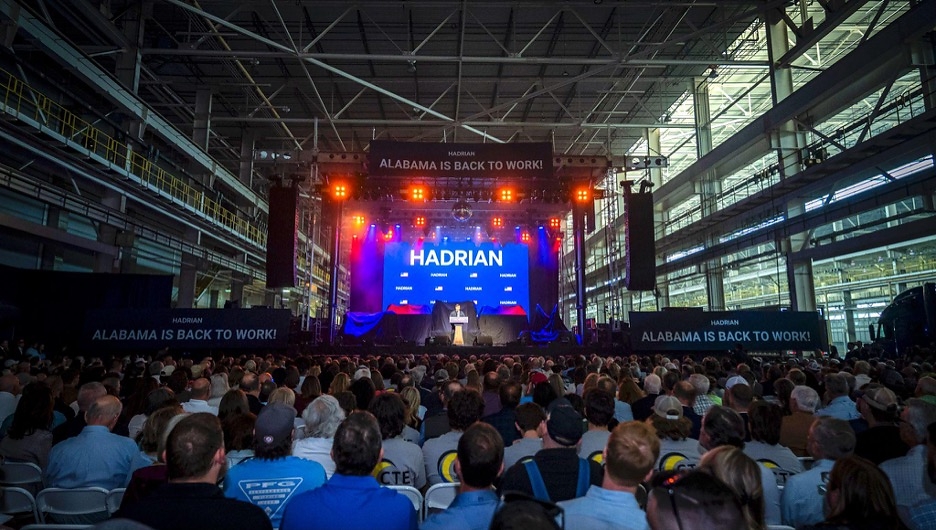
TORRANCE, Calif., Jan. 22, 2026 /PRNewswire/ — Hadrian, the advanced manufacturing company building AI-powered factories for America, today announced the launch of Hadrian Additive. This dedicated division is designed to deliver scalable, production-ready additive manufacturing capacity for the U.S. Defense Industrial Base and allied partners.

The new division expands Hadrian’s Opus factory platform to include additive manufacturing systems built for qualification, repeatability, and sustained throughput—enabling defense programs to move from validated designs into reliable, at-scale production. Initial additive manufacturing capacity is expected to come online in 2026 as part of Hadrian’s expanding U.S. factory footprint.

Hadrian Additive integrates additive manufacturing directly into the company’s existing factory model, allowing additive production to support mission-critical systems within a single, end-to-end manufacturing environment.

“America’s defense industrial base needs additive manufacturing that works in real production, not just in prototypes,” said Chris Power, Founder and CEO of Hadrian. “We’re building this capacity the same way we build our factories—engineered for qualification, throughput, and speed—so critical programs can scale when it matters most.”

The division will be led by Matthew Parker, Vice President of Additive Manufacturing at Hadrian, and will focus on meeting the reliability, quality, and traceability requirements of defense and national security programs.

“Additive manufacturing only becomes strategic when it’s industrialized,” Parker said. “Hadrian Additive is designed as a production system from day one, integrated with our factory stack and capable of scaling as demand grows.”

The launch of Hadrian Additive builds on the company’s recent factory expansions and manufacturing initiatives, further strengthening domestic production capacity for priority defense programs.

About Hadrian
Hadrian is a next-generation manufacturing company transforming the U.S. industrial base by rapidly adding domestic manufacturing capacity through its highly automated factories. By integrating process engineering, artificial intelligence, machine learning, and robotics, Hadrian strengthens American manufacturing capabilities and enables U.S. workers to compete globally.

Hadrian’s mission is to enable space and defense manufacturers to produce domestically at scale, supporting production at every level, from individual components to full-scale programs. The company currently operates three advanced manufacturing facilities totaling approximately 600,000 square feet, including two sites in Torrance, California, and a newly launched facility in Arizona. Hadrian is actively developing additional production sites across the United States. More information at https://www.hadrian.co/.

About Matthew Parker
Matthew Parker is Vice President, Additive Manufacturing at Hadrian, where he leads the company’s Additive Manufacturing business unit and the buildout of a large-scale additive manufacturing capability supporting defense and aerospace customers. He is an engineering and operations leader in industrial AM, with a track record of standing up manufacturing capacity, industrializing processes, and transitioning additive programs into repeatable production.

Prior to joining Hadrian, Parker held senior leadership roles in additive manufacturing operations and engineering, leading cross-functional teams spanning production, engineering, quality, and customer delivery. A U.S. Army veteran, he brings a mission-first perspective and an emphasis on readiness—prioritizing speed, reliability, and disciplined execution—directly aligned with scaling additive manufacturing into dependable production capacity. His background includes large-format AM deployment, process qualification, industrialization, and partnership development across industry and standards organizations to advance material and process maturity for demanding applications.

Media contact: [email protected]

SOURCE Hadrian

Free Training

Source link

NOVEON MAGNETICS COMPLETES $215 MILLION SERIES C TO EXPAND U.S. RARE EARTH MAGNET MANUFACTURING CAPACITY


Financing Round Led by One Investment Management Supports Expansion of Domestic Rare Earth Magnet Production and Facilitates Secondary Share Sale

SAN MARCOS, Texas, Jan. 19, 2026 /PRNewswire/ — Noveon Magnetics, Inc. (Noveon), a leading U.S. manufacturer of sintered rare earth permanent magnets, today announced the close of a $215 million Series C financing led by a $200 million investment from One Investment Management (OneIM). The capital will fuel significant growth of Noveon’s domestic rare earth magnet manufacturing capacity as demand accelerates across key sectors — including automotive, defense, AI, energy, and advanced manufacturing — and as the need to reshore critical U.S. supply chains becomes increasingly important. In addition, today’s Series C financing facilitates secondary sales by certain existing shareholders.

As part of the transaction, OneIM will appoint two new Series C board members.

“This financing marks a pivotal step in scaling Noveon’s production capabilities to meet rapidly growing customer demand,” said Scott Dunn, CEO of Noveon. “With the support of OneIM, we are accelerating deliveries of high-performance rare earth magnets produced entirely in the United States — scaling capacity, capability, and strengthening supply chain resiliency for our customers.”

Noveon was the first company to reshore full-scale production of sintered rare earth magnets to the United States. This investment positions Noveon to accelerate its growth trajectory by expanding capacity beyond 2,000 tons per year, enabling the company to support existing commercial partners and capture growing demand from critical industries requiring high-performance, high-quality magnetic materials.

Rare earth permanent magnets are essential to automotive systems, defense platforms, AI and data storage technologies, robotics, and advanced manufacturing applications. Noveon’s American manufacturing platform directly addresses long-standing supply chain vulnerabilities, delivering reliable, high-performance magnet solutions.

“Noveon is uniquely positioned to lead the reshoring of the rare earth magnet industry at a time when supply chain security and domestic manufacturing capacity are national priorities,” said Rajeev Misra, CEO and Co-Founder of OneIM. “The company has assembled exceptional talent and built the technical skills, operational expertise, and execution discipline required to scale U.S. rare earth magnet manufacturing. We are proud to support Noveon’s next phase of growth and I look forward to supporting the company as it builds capacity that can truly meet the moment.”

Over the last 12 months, Noveon has achieved several significant milestones, including entering into multi-year supply agreements with General Motors and ABB, forming strategic partnerships with Lynas and Solvay to help create a more resilient supply chain, and entering into a closed-loop magnet recycling initiative with LG Electronics and Kangwon Energy. These milestones have strengthened Noveon’s position as a leader in sintered NdFeB magnets and have laid the groundwork for offering a fully domestic, vertically integrated solution for rare earth magnets.

“I am incredibly proud of what our team has accomplished over the past year,” added Scott Dunn. “We look forward to building upon our strong momentum with support from our new and existing partners to deliver on our mission to reshore critical magnet production to the United States.”

Goldman Sachs & Co. LLC served as exclusive financial advisor to Noveon. 

About Noveon
Noveon is the only operational manufacturer of sintered NdFeB rare earth magnets in the United States and the first to reshore them in over 20 years. Through its proprietary EcoFlux™ technology, Noveon delivers a fully domestic, closed-loop magnet manufacturing capability that maximizes resource efficiency, allows for the beneficial use of recycled materials, and produces superior high-performance finished magnets that meet the full range of commercial and industrial demand. Noveon’s products provide a secure and resilient supply chain solution for critical applications including electric vehicles, wind turbines, robotics, motors, pumps, data storage, consumer electronics, and defense systems. Learn more at https://noveon.co/.

About OneIM
OneIM is a global alternative investment manager that invests across the capital structure, in a range of asset classes, industries and geographies. The firm applies a flexible investment approach and focuses on creating long-term value by working with exceptional partners and management teams. OneIM is sector agnostic and focuses on situations where it can leverage its cross-asset class expertise and capital base to achieve differentiated risk-adjusted returns. The firm was founded in 2022 and currently manages approximately $10 billion in assets. The team operates from offices in Abu Dhabi, London, Tokyo and New York.

Free Training

Source link