Rolls-Royce starts Raynesway site expansion to double submarine reactor manufacturing capacity for UK and Australian programmes


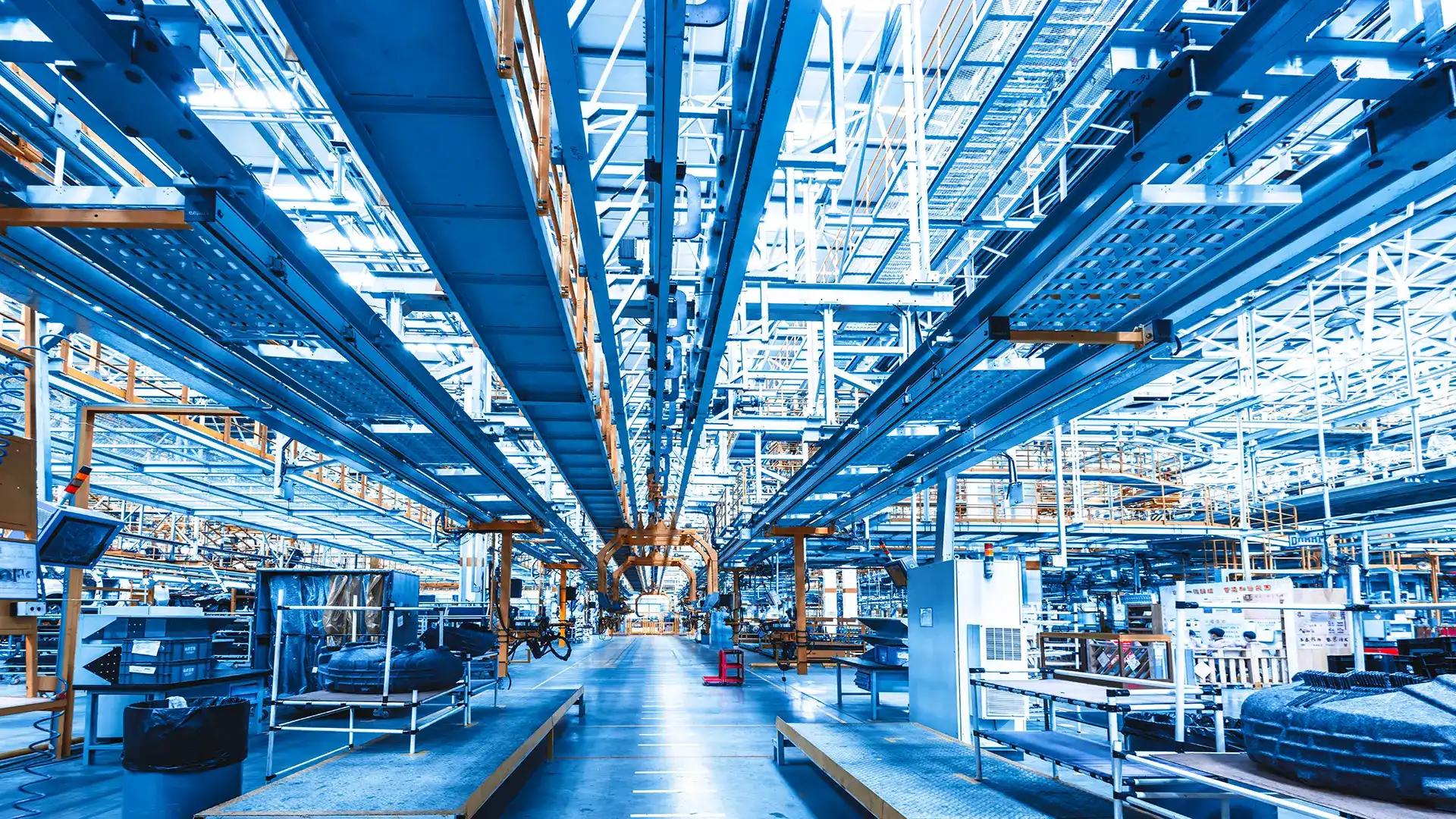
Rolls-Royce Submarines has officially broken ground and started foundational work on a new manufacturing facility at its Raynesway site in Derby. The work forms part of a wider plan to double the size of the entire site.

The expansion will help meet increased demand from the UK and Australian Royal Navies for current and future submarine programmes. More than 100,000m2 of new manufacturing and office facilities will be built, creating 1,170 skilled roles across disciplines including manufacturing and engineering.

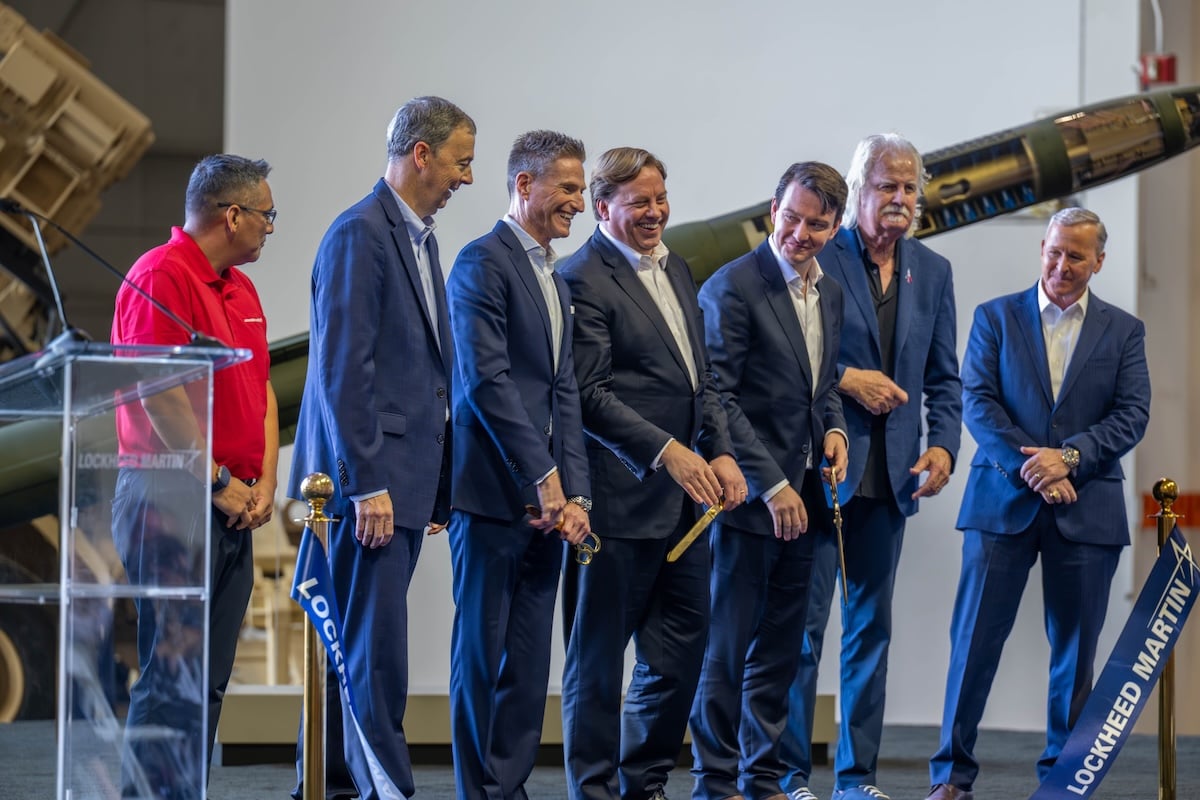
The ceremonial event brought together Minister of State for Defence Lord Coaker, Rolls-Royce Submarines President Abi Clayton and Commodore Alistair Moody, Director for Nuclear Propulsion at the Submarine Delivery Group. They dug the first ground together, reflecting the partnership behind the expansion and the significance of the programme.

During the visit, Lord Coaker also met Rolls-Royce nuclear welding apprentices who recently secured first, second, third and fourth place in the SkillWeld 26 East Midlands heats. Rolls-Royce said it was the first time all top-three places had been won by the same company.

SkillWeld is a national competition designed to showcase and benchmark trainee and apprentice welders. The achievement follows welding apprentice Jack Billingham being selected to represent Great Britain at the WorldSkills event in Japan.


Rolls-Royce announced in June 2023 that it planned to double the size of its Submarines site. The Raynesway facility designs and builds the nuclear reactors that power all Royal Navy submarines and helps maintain the UK’s continuous at sea nuclear deterrent.

Under the AUKUS partnership between Australia, the UK and the United States, Rolls-Royce will also provide reactors for future Australian SSN-AUKUS attack submarines. The expansion is intended to unlock additional manufacturing capacity and support the pace of submarine build programmes.

Abi Clayton, President – Rolls-Royce Submarines, said: “Breaking ground is a significant step forward in the critical growth of our business. This expansion will more than double the size of our manufacturing facility, strengthening our capability and demonstrating our ongoing commitment to the Defence Nuclear Enterprise.”

“Together with our trusted delivery partners, our commitment is to deliver this programme safely, efficiently and to the highest standards. This work will unlock much-needed manufacturing capacity on site, allowing us to enhance our delivery drumbeat to support the boat build programmes.”

Defence Minister Lord Coaker said: “The expansion of the Rolls-Royce site is a clear demonstration of the government’s commitment to the UK’s nuclear deterrent. Witnessing the manufacturing of the fifth SSSN-AUKUS reactor and the hundreds of apprentices in action was inspiring – seeing defence investment creating jobs, driving growth, and keeping the UK safe.”

Commodore Alistair Moody, Director for Nuclear Propulsion at the Submarine Delivery Group, said: “The ongoing expansion work at Raynesway demonstrates the shared commitment of the UK and Australian governments to meet the ambitious pace of our submarine build programmes. Together, we are building the foundations for delivery to defend our nations for decades to come.”


“The significant nuclear enterprise investment confirmed in the DIP reflects the UK’s unwavering commitment to maintaining and renewing our nuclear deterrent, a capability that has protected the UK and our allies for almost 60 years. Delivering this work is a National Endeavour and continues to drive growth, strengthen security and sustain tens-of-thousands of jobs across the UK.”

Rolls-Royce Submarines currently employs more than 5,500 people. It designs, manufactures and provides in-service support to the pressurised water reactors that power every submarine in the Royal Navy’s fleet.

The company is supporting the Astute and Dreadnought boat build programmes through delivery of reactor plant and associated components. This work is delivered by the UK MOD’s Defence Nuclear Enterprise as part of a national endeavour to sustain the nuclear deterrent.

Rolls-Royce also provides frontline support worldwide for reactor plant equipment from its Operations Centre in Derby. It supports submarines at the Barrow-in-Furness shipyard and at the naval bases at Devonport and Faslane, with technical specialists also working in Glasgow, Cardiff and Thurso.

Free Training

Source link

INKAS® Announces Major North American Manufacturing Expansion Across Canada and the United States – sUAS News


New facilities in Canada, North Carolina, and Florida are expected to more than double INKAS®’ armored vehicle, defense, and special-purpose production footprint by July 31, 2026

INKAS®, a Canadian armored vehicle manufacturer and systems integrator, announces a major expansion of its North American manufacturing footprint, with three additional production facilities across Canada and the United States expected to be in full operation by July 31, 2026.  

The three newly leased facilities are comprised of a mix of manufacturing and production space, with approximately 42,000 square feet at an additional Toronto facility in Canada, 200,000 square feet at an armored vehicle production facility in Charlotte, North Carolina, and 31,000 square feet for a first-time facility in Florida at Fort Pierce.  

Together, these facilities are expected to more than double INKAS’® production space across North America, strengthening the company’s ability to support growing demand from government, defense, law enforcement, commercial security, and specialized vehicle customers.  

The expanded footprint provides INKAS® with greater production flexibility, additional manufacturing capacity, and a stronger operational platform to support both current and future programs across its armored vehicle, tactical platform, drone / UAV, and special purpose vehicle portfolios. The Charlotte facility is specially equipped for armored vehicle production and has access to an experienced workforce with direct expertise in armored vehicle manufacturing, helping accelerate operational scaling without the need to build those capabilities from the ground up.  

“This expansion marks an important milestone in the continued growth of INKAS® as a North American manufacturer,” said David Khazanski, CEO of INKAS®. “By adding significant production space across Canada and the United States, we are strengthening our ability to support customers with reliable, scalable, and mission-ready security and defense solutions. This investment reflects our confidence in the long-term demand for advanced protected mobility, unmanned systems, and specialized platforms.” 

The new facilities form part of INKAS®’ broader strategy to increase production capacity, improve operational resilience, and support a growing portfolio of armored, tactical, unmanned, and special-purpose solutions. With operations expanding across Toronto, Charlotte, and Fort Pierce, INKAS® is positioned to better serve domestic and international customers while supporting more efficient production, faster program execution, and future growth across key markets.  

“Beyond expanding our production footprint, this investment is about creating skilled jobs, supporting local economies, and building long-term manufacturing capability in North America,” said Margarita Simkin, Chairwoman of INKAS®. “As these facilities come online, they will create opportunities for engineers, technicians, production specialists, and support teams across Canada and the United States. We believe that investing in people and manufacturing infrastructure is essential to building a stronger, more resilient security and defense industry.”

For nearly three decades, INKAS® has specialized in the design, engineering, and manufacturing of armored vehicles and advanced security solutions. The company’s portfolio includes discreet armored SUVs and sedans, tactical vehicles, armored personnel carriers, drones / UAVs, cash-in-transit vehicles, and custom-built special purpose platforms for clients around the world. 

Discover more from sUAS News

Subscribe to get the latest posts sent to your email.

Free Training

Source link

Grundfos Breaks Ground on 143,000-Square-Foot Expansion at Brookshire Manufacturing Campus


BROOKSHIRE, Texas (Covering Katy News) — Grundfos, a global manufacturer of pumps and water technology, has broken ground on a major expansion of its Brookshire manufacturing campus that company officials say will increase production capacity to meet growing demand across North America.

The multi-million-dollar project will add an approximately 143,000-square-foot manufacturing facility to the company’s U.S. headquarters west of Houston. The expansion is expected to be completed in the third quarter of 2027, with production beginning later that year.

Company leaders, Denmark’s ambassador to the United States, state and local elected officials, and business leaders attended the groundbreaking ceremony Tuesday.

Brookshire Manufacturing Campus Will Expand Production Capacity

The new facility will manufacture advanced pump systems and water technologies primarily for municipal water utilities and commercial buildings. Manufacturing operations will include assembly, welding, fabrication, testing and finishing, with an estimated annual production capacity of 75,000 units.

The company also celebrated the opening of the Grundfos Academy Americas, a new training center designed to provide hands-on instruction for contractors, distributors and other industry partners using the company’s products.

“Our growing presence in Brookshire reflects both our confidence in the U.S. market and our long-term commitment to investing where our customers and partners need us most,” Grundfos Chief Executive Officer Poul Due Jensen said. “The Greater Houston Area offers the skilled workforce, transportation access and proximity to global ports that allow us to manufacture advanced water technologies efficiently and move them across the U.S.”

Growing U.S. Demand Drives Grundfos Investment

Grundfos officials said the expansion follows strong growth in the United States, which has become the company’s largest market and now accounts for about one-fifth of its global revenue. The company reported 15% U.S. sales growth in 2025 and said it expects continued demand driven by investments in water infrastructure, energy-efficient buildings and industrial water systems.

The new manufacturing facility is expected to improve production capacity and reduce delivery times for customers throughout North America.

International and Texas Leaders Attend Groundbreaking

Jesper Møller Sørensen, Denmark’s ambassador to the United States, said the project reflects the economic partnership between Denmark and the United States.

“Danish companies continue to invest in American communities, creating jobs, strengthening local manufacturing and delivering innovative solutions that support the industries of the future,” Sørensen said.

Among those attending the ceremony were Brookshire Mayor Robert Richards and State Rep. Stan Kitzman.

New Facility Expected to Open in 2027

Grundfos said the new facility will seek LEED certification as part of the company’s efforts to improve energy efficiency and sustainability in its manufacturing operations.

Construction is expected to be completed in the third quarter of 2027, with production scheduled to begin during the fourth quarter.

Grundfos employs approximately 20,000 people worldwide and develops pumps and water management systems used in municipal, commercial and industrial applications.

Free Training

Source link

Bull Moose Tube to Acquire Hanna Steel in Third U.S. Manufacturing Expansion


Bull Moose Tube Company has agreed to acquire Hanna Steel, a producer of structural and mechanical steel tubing with facilities in Alabama and Illinois.

Most industrial buy-and-build strategies come with a clock. This one does not.

More than fifty years ago, Lord Swraj Paul founded a steel tube business in Britain called Natural Gas Tubes. That company eventually became Caparo Group, a global industrial enterprise spanning steel, automotive components, and engineered products. Today, the family he founded is once again expanding through steel tube manufacturing—this time in the United States.

The latest example is Bull Moose’s agreement to acquire Hanna Steel, a producer of structural and mechanical steel tubing. The transaction, expected to close in the third quarter of 2026, extends what has become a steady expansion strategy by the Paul family and its Caparo Group, one that has received little attention despite a growing series of investments in American manufacturing assets.

Founded in 1954, Hanna Steel manufactures structural and mechanical steel tubing used in commercial construction, infrastructure, and industrial applications. The company operates tubing facilities in Alabama and Illinois, a coil-coating operation in Alabama, and its own trucking business. Industry sources estimate annual revenue of approximately $80 million and employment of several hundred workers. Its Tuscaloosa facility alone spans more than 600,000 square feet.

Hanna Steel’s Tuscaloosa, Louisiana facility. Credit: Hanna Steel

The acquisition of Hanna Steel marks the end of more than 40 years of Hanna family ownership, dating to 1984 when Pete Hanna purchased the company from his father, General Hanna, and expanded it into one of the nation’s largest independent producers of structural and mechanical steel tubing.

“The acquisition of Hanna Steel is a strong strategic fit for Bull Moose as we continue to expand our capabilities and enhance value for our customers,” said John Krupinski, chief executive officer of Bull Moose Tube. “Hanna adds complementary assets, experienced teams, a respected reputation and culture, along with a product portfolio that supports our long-term growth strategy.”

Bull Moose Tube Company was founded in 1962 and is headquartered near St. Louis in Chesterfield, Missouri. Today, the company operates seven manufacturing facilities across the United States and is one of North America’s larger producers of welded steel tubing, hollow structural sections, and mechanical tubing. Under the ownership of the Paul family, Bull Moose has grown into a business with annual production capacity exceeding one million tons.

Bull Moose Tube’s Elkhart, Indiana facility: Credit Bull Moose Tube

Bull Moose is owned by Caparo Bull Moose, the North American subsidiary of Caparo Group. Following Lord Paul’s death in August 2025, leadership of the family-controlled business passed to his son, Ambar Paul, who serves as chairman of Bull Moose Tube.

“We continue to assess and pursue strategic opportunities that strengthen Bull Moose Tube’s position as a best-in-class steel tube producer,” said Mr. Paul. “As our third major investment in recent years, Hanna Steel builds on a clear pattern of strategic expansion, adding depth to our manufacturing capabilities and reinforcing our commitment to long-term, sustainable growth.”

The Hanna acquisition follows Bull Moose’s September 2025 purchase of Ferrous85 from privately held Ferragon Corporation. The Sinton, Texas-based toll-processing business operates adjacent to Steel Dynamics’ steel campus and includes one of North America’s largest steel coil slitting operations, capable of processing coils weighing up to 105,000 pounds. The acquisition strengthened Bull Moose’s Texas manufacturing platform, which the company began building in 2021 with plans for a new hollow structural section and sprinkler pipe mill in Sinton.

Hanna Steel’s Tuscaloosa, Louisiana facility. Credit: Hanna Steel

The company also closed its Burlington, Ontario, manufacturing facility in 2025, consolidating production into its U.S. operations. Taken together, these investments point toward a strategy focused on increasing domestic manufacturing capacity and deepening exposure to the American industrial economy.

The timing is notable. Domestic steel demand continues to benefit from infrastructure spending, utility grid modernization, energy projects, manufacturing reshoring, and data center construction. Bull Moose participates in many of those end markets through its tubing and structural products businesses.

The broader steel tubing market remains fragmented despite decades of consolidation. Participants range from publicly traded producers to privately held regional manufacturers, creating ongoing opportunities for strategic buyers seeking additional capacity, geographic reach, and product breadth. Against that backdrop, Hanna Steel represents another building block in Bull Moose’s expansion strategy.

For the Paul family, Hanna Steel is the latest step in a strategy that has included new manufacturing capacity in Texas, the acquisition of Ferrous85, and a growing concentration of operations in the United States.

While most industrial buy-and-build programs are associated with private equity sponsors, Bull Moose is pursuing a similar path under family ownership and without the constraints of a traditional fund life.

Free Training

Source link

Amazon, Corning Partner on Fiber Optic Expansion to Power U.S. Data Center Infra Growth


Amazon announced a multibillion-dollar agreement with Corning, a leading manufacturer of advanced glass and fiber optic technology, to supply the optical fiber, cable, and connectivity solutions that power Amazon’s expanding data center infrastructure across the United States. 


The investment will create 1,000 new, highly skilled jobs at Corning’s manufacturing facilities across North Carolina, and support hundreds of additional construction jobs to expand Corning’s facilities.


Comarch
Comarch


Through the agreement, Amazon will work with Corning on a new program that will expand its Fiber Optic Technician Training Program with Catawba Valley Community College to train students for careers in fiber optic manufacturing and related technical roles. The program provides hands-on education and courses that will increase the talent pool and offer pathways to high-paying technical roles. The efforts will help strengthen the domestic supply chain and U.S. manufacturing base while serving the region and state to help expand residential and commercial fiber densification efforts.


Amazon’s investments in North Carolina have created more than 26,000 jobs across the state. This multibillion-dollar agreement with Corning continues that commitment, channeling investment into American manufacturing and creating 1,000 new jobs at their facilities near our data centers, said Matt Garman, CEO of AWS.


Investing in North Carolina


This agreement with Corning is in addition to Amazon’s plans, announced last year, to invest $10 billion in North Carolina to expand cloud computing infrastructure. It builds on the more than $20 billion Amazon has invested in North Carolina since 2010, creating over 26,000 jobs spanning logistics, cloud infrastructure, and renewable energy across the Tar Heel State.


Every day, North Carolina is proving that American manufacturing and cutting-edge technology go hand in hand. This multibillion-dollar agreement, between Amazon and Corning, will create 1,000 family-sustaining jobs for hardworking North Carolinians while also strengthening the critical infrastructure of the U.S. supply chain. This partnership further proves that North Carolina is the number one state in the country for American businesses to invest, build, and grow. As a leading voice in the Senate for workforce development and American manufacturing, I am proud that we are continuing to capitalize on that momentum in North Carolina, said U.S. Senator Ted Budd.


Powering data centers, creating jobs, and fueling economic growth


Amazon’s data centers power the services millions of people and businesses rely on every day, from hospitals and emergency services to streaming entertainment and AI innovation. Corning’s fiber optics are a critical part of that infrastructure, and together, these investments help fuel the U.S. economic engine.


For 175 years, Corning has pioneered the technologies that connect people and transform industries. Amazon’s investment will help us expand production, create 1,000 new advanced manufacturing jobs at our facilities, and lead the way toward building a resilient U.S. manufacturing base, said Wendell Weeks, chairman, CEO, and president of Corning.


Amazon’s long-term commitment to North Carolina goes beyond direct investments and jobs created in the state. Through workforce development, Career Choice, and upskilling programs, Amazon has already provided practical training for nearly 7,000 people in North Carolina, helping to open new pathways for higher-paying jobs and fulfilling careers.


In the last decade, Amazon has contributed more than $72 million to charities and organizations supporting local needs across North Carolina, with $10 million provided in 2025 alone to 26 local community partners. This includes contributions like $1.5 million to enhance public safety services for southeastern Hamlet and surrounding Richmond County communities by funding a new fire substation that is expected to lower emergency response times and homeowner insurance premiums.


Matt Garman, CEO of AWS


Amazon’s investments in North Carolina have created more than 26,000 jobs across the state. This multibillion-dollar agreement with Corning continues that commitment, channeling investment into American manufacturing and creating 1,000 new jobs at their facilities near our data centers,


U.S. Senator Ted Budd


Every day, North Carolina is proving that American manufacturing and cutting-edge technology go hand in hand. This multibillion-dollar agreement, between Amazon and Corning, will create 1,000 family-sustaining jobs for hardworking North Carolinians while also strengthening the critical infrastructure of the U.S. supply chain. This partnership further proves that North Carolina is the number one state in the country for American businesses to invest, build, and grow. As a leading voice in the Senate for workforce development and American manufacturing, I am proud that we are continuing to capitalize on that momentum in North Carolina,


Wendell Weeks, chairman, CEO, and president of Corning


For 175 years, Corning has pioneered the technologies that connect people and transform industries. Amazon’s investment will help us expand production, create 1,000 new advanced manufacturing jobs at our facilities, and lead the way toward building a resilient U.S. manufacture

Free Training

Source link

USA Manufacturing Site Expansion – Abingdon Health plc


York, UK and Madison, WI, USA, 27 May 2026: Abingdon Health plc (AIM: ABDX) (OTCQB: ABDXF), a leading international developer, manufacturer and regulatory services provider for rapid diagnostic tests and med-tech, announces that its US subsidiary, Abingdon Health USA, Inc., has entered into a Business Development Tax Credit Agreement with the Wisconsin Economic Development Corporation (“WEDC”). WEDC serves as the state’s agency for economic development, fostering job growth and business expansion.

Under the agreement, Abingdon Health USA, Inc. has been certified as eligible to earn up to US$370,000 in performance-based Wisconsin tax credits over a three-year period commencing 1 January 2026. The credits comprise up to US$320,000 linked to the creation of new full-time roles and up to US$50,000 linked to qualifying capital investment at the Group’s facilities in Wisconsin over this period.  The amount of credits the Company will receive is contingent on the number of jobs created and amount of capital invested.

This award reflects the continued growth of the Group’s US operations and supports the ongoing expansion of its facilities in Madison, Wisconsin, which serve as Abingdon Health’s North American base for development, manufacturing and commercial activities.

John W. Miller, Secretary and CEO of WEDC, said “Abingdon’s decision to locate in Wisconsin and continue to grow here reflects the strength of our state’s leadership in the field of biohealth and biotechnology, our outstanding research institutions, and our highly trained workforce.  WEDC is proud to partner with Abingdon as they open this next chapter.”

Chris Yates, President of Abingdon Health USA Inc, said: “We are grateful for this award from the Wisconsin Economic Development Corporation, which serves as a welcome endorsement of our commitment and investment in Wisconsin and our positioning in the US market. These tax credits will support our expansion at University Research Park in Madison, including the creation of additional skilled roles as Abingdon Health USA continues to grow to meet customer demand across the United States.”

Any shareholders wishing to keep up to date with Abingdon Health news, please email [email protected]

Enquiries

Abingdon Health plc

www.abingdonhealth.com/investors/

Chris Hand, Executive Chairman

Via Walbrook PR

Tom Hayes, CFO

Cavendish Capital Markets Limited (Sole Broker and Nominated Adviser)

 Tel: +44 (0)20 7220 0500

Geoff Nash / Isaac Hooper / Joe Smith (Corporate Finance)

Nigel Birks (Life Science Specialist Sales)

Walbrook PR (Media & Investor Relations)

Tel: +44 (0)20 7933 8780 or [email protected]

Paul McManus / Alice Woodings

Mob: +44 (0)7980 541 893 / +44 (0)7407 804 654

About Abingdon Health

Abingdon Health Group is a leading med-tech contract service provider offering its services to an international customer base.  

The Group’s CDMO (Contract Development and Manufacturing Organisation) expertise offers lateral flow product development, regulatory strategy support, technology transfer and manufacturing services for customers looking to develop new assays or transfer existing laboratory-based assays to a lateral flow format.  Abingdon Health has the internal capabilities to take lateral flow projects, in areas such as infectious disease and clinical testing, including companion diagnostics, animal health and environmental testing, from initial concept through to routine manufacturing; from idea to commercial success.

Abingdon’s regulatory services companies, Compliance Solutions (Life Sciences) and IVDeology, provide a broad range of regulatory services to the in vitro diagnostic and wider medical device industry, to support customers in bringing products to market across a range of territories including the USA, EU and the UK. Its consultancy services range from design, implementation and maintenance of quality management systems, preparation of technical files for regulatory approvals, part-time and interim management support, auditing both internal and external, management reviews and presentations, training and mentoring.  The Company’s subsidiary, Abingdon Analytical Ltd, offers analytical testing and performance evaluation to generate the required technical and data for regulatory approval for lateral flow and other in vitro diagnostic assays from its Doncaster, England facilities.

Founded in 2008, Abingdon Health is headquartered in York, England with laboratories in Doncaster, England and laboratories and commercial offices in Madison, Wisconsin, USA.

Abingdon Health’s brochures outlines the comprehensive support the Group can now provide to its international customers.  For more information visit: www.abingdonhealth.com.

Free Training

Source link

Toyota Plans $2bn Texas Expansion as Automakers Deepen North American Manufacturing Push


Toyota Plans $2bn Texas Expansion as Automakers Deepen North American Manufacturing Push

Toyota Motor Corporation is seeking approval to build a new vehicle assembly line at its manufacturing complex in Texas as the Japanese automaker accelerates long-term investment in North American production amid intensifying competition in trucks, electric vehicles, and regional supply-chain localization.

According to a filing with the Texas Comptroller of Public Accounts, Toyota plans to invest roughly $2 billion in the proposed expansion project, internally named “Project Orca,” at its existing San Antonio manufacturing site. The filing shows construction is expected to begin by the end of 2026, while vehicle production at the new assembly line is targeted to commence in 2030.

Toyota plans to spend approximately $1.05 billion on buildings and property improvements, alongside another $950 million dedicated to machinery and manufacturing equipment. The project is also expected to create about 2,000 new jobs between 2028 and 2030, adding to Toyota’s already substantial employment footprint in Texas and reinforcing the growing importance of the southern United States in the global automotive industry.

In a statement to Reuters, Toyota said, “We regularly evaluate our manufacturing footprint to ensure we remain competitive and aligned with customer demand. This reflects our long-term commitment to investing in the North American region, local manufacturing/jobs, and suppliers.”

Toyota’s San Antonio facility has historically focused heavily on pickup truck production, including the Toyota Tundra and Toyota Sequoia, two models central to the company’s efforts to compete in the highly profitable North American truck and SUV market. The new assembly line could significantly expand Toyota’s ability to serve U.S. demand locally at a time when automakers are under growing pressure to shorten supply chains and reduce exposure to overseas manufacturing risks.

Texas has become increasingly attractive to automakers and industrial manufacturers because of its large labor market, logistics infrastructure, relatively lower operating costs, and business-friendly regulatory environment. The state is also emerging as a major center for energy-intensive industries, including electric vehicles, semiconductors, and artificial intelligence data centers.

Toyota’s investment adds to a broader wave of manufacturing expansion across the southern United States, where automakers are pouring billions into new factories, battery plants, and supplier networks. The region has become particularly important as companies attempt to comply with North American sourcing requirements tied to trade incentives and industrial policies in both the United States and Canada.

The timing of Toyota’s proposed expansion is notable because it comes during one of the most significant transitions in automotive history. The industry is simultaneously managing the shift toward electrification, the rise of software-defined vehicles, growing competition from Chinese manufacturers, and changing consumer demand patterns.

While Toyota was initially criticized by some investors and environmental groups for moving more cautiously on fully electric vehicles than rivals such as Tesla or BYD, the company has increasingly accelerated investment across hybrid, battery-electric, and hydrogen technologies.

At the same time, Toyota has maintained a strong focus on profitability and production discipline, particularly in trucks and hybrid vehicles, where demand remains resilient. The company’s continued investment in U.S. manufacturing suggests it expects North America to remain one of its most important long-term growth markets regardless of how rapidly electrification evolves.

Industry analysts believe that local manufacturing has become strategically more important for automakers following the supply-chain shocks triggered by the COVID-19 pandemic and geopolitical tensions between the United States and China. Semiconductor shortages, shipping disruptions, and rising trade frictions exposed vulnerabilities in globally dispersed production networks, pushing many manufacturers to localize more operations closer to major consumer markets.

Toyota’s Texas expansion fits squarely within that broader industrial realignment.

The planned investment also reflects the enormous capital requirements now confronting global automakers. Companies are simultaneously funding traditional internal combustion production, electric vehicle development, battery manufacturing, software systems, and advanced automation technologies.

For Toyota, maintaining a competitive scale in North America is especially important because the region remains one of the company’s largest profit generators, particularly in larger vehicles and hybrid models.

The proposed spending on machinery and equipment indicates the new line could incorporate significant automation and advanced manufacturing technologies designed to improve efficiency and production flexibility.

Modern vehicle plants increasingly rely on robotics, AI-assisted quality systems, and digitally integrated supply-chain management tools to manage rising production complexity.

Toyota has historically been regarded as one of the world’s leading manufacturing companies through its “Toyota Production System,” which revolutionized lean manufacturing and operational efficiency across the global auto industry. The San Antonio expansion, therefore, likely represents not just additional capacity, but also another phase in Toyota’s modernization of North American operations.

Like this:

Like Loading…


Free Training

Source link

Canadian Solar Accelerates U.S. Manufacturing Expansion, Starts HJT Trials


Canadian Solar is ramping up its U.S. manufacturing footprint as the company bets on domestic solar supply chains and higher-value clean energy manufacturing amid evolving policy and trade dynamics in the American market.

The company said trial production has commenced at its flagship heterojunction (HJT) solar cell manufacturing facility in Jeffersonville, Indiana, marking a major milestone in its U.S. localisation strategy. Commercial operations at the plant are expected to begin in July 2026.

Thrust on HJT 

Canadian Solar said the Indiana facility is expected to become one of the first commercial-scale HJT solar cell manufacturing plants in the United States. The first phase of the project has a nameplate capacity of 2.1 GWp, while a second expansion phase planned for early 2027 would add another 4.2 GWp of capacity.

In parallel, the company is also expanding its solar module manufacturing operations in Mesquite, Texas. Canadian Solar currently operates a 5 GWp module factory at the site and plans to scale the facility to 10 GWp capacity by the second half of 2026.

The company said growing customer demand and the broader shift towards reshoring solar manufacturing in the United States are driving these investments. CEO Colin Parkin said the company’s U.S. manufacturing operations are contributing stronger margins as Canadian Solar continues to localise its supply chain.

Focus on Domestic Manufacturing 

Founder Dr. Shawn Qu said the company is moving from a “volume-driven expansion” strategy towards a “value-driven leadership” approach, with greater emphasis on technology, domestic manufacturing and energy storage integration.

Alongside manufacturing expansion, Canadian Solar is also witnessing rapid growth in its battery energy storage business. The company’s total global battery energy storage project pipeline reached 80.6 GWh as of March 2026, while its contracted e-STORAGE backlog stood at $3.5 billion.

The company reported battery storage shipments of 2.1 GWh in the first quarter of 2026, up 142% year-on-year, significantly outpacing solar module growth.

Canadian Solar’s broader solar project development pipeline stood at 23.7 GWp globally as of March 2026, spanning North America, Europe, Latin America and Asia-Pacific markets.

On the financial front, the company reported Q1 2026 revenue of $1.1 billion with a gross margin of 25.1%. Net loss attributable to shareholders narrowed to $32 million during the quarter, compared to $86 million in the previous quarter.

Free Training

Source link

Lawmakers warn Chinese auto expansion threatens U.S. manufacturing


Republican lawmakers cite economic, supply chain, and cybersecurity concerns ahead of Trump’s Beijing meeting


House Republicans urge Trump to block Chinese automakers from the U.S., citing manufacturing, supply chain, and security risks.

On the Dash:

  • Potential restrictions on Chinese automakers could reshape future EV competition and pricing in the U.S. market
  • Ongoing trade tensions may create continued uncertainty around sourcing, tariffs, and inventory planning
  • Bipartisan pressure in Washington signals tougher scrutiny of connected vehicle technology and supply chains

Ahead of President Donald Trump’s trip to Beijing next week, dozens of House Republicans are urging the administration to protect the U.S. auto industry from what they describe as unfair Chinese competition and growing national security risks.

In a letter sent to the White House Wednesday, lawmakers warned that allowing Chinese automakers to manufacture or sell vehicles and batteries in the United States could severely damage domestic manufacturing and weaken the country’s economic position.

Sign up for CBT News’ daily newsletter and get the latest industry stories delivered straight to your inbox.

“The automotive industry is a foundational piece of the U.S. economy, contributing upwards of 5% of U.S. GDP and generating millions of manufacturing jobs across the country,” the lawmakers wrote. “The U.S. auto industry is reaching a critical inflection point, as global dynamics and shifts in policy create opportunities for heavily subsidized Chinese automakers to gain momentum using non-market tactics.”

The lawmakers argued that expanded Chinese market access could decimate U.S. manufacturing, erode global market share for U.S. auto companies, and leave consumers and businesses exposed to serious cybersecurity and surveillance threats.

The letter arrives as speculation grows that Chinese auto market access could surface during Trump’s upcoming meeting with Chinese President Xi Jinping in Beijing.

Concern over Chinese automakers has intensified across both parties in Washington. Last week, House Democrats sent a letter to the administration warning that the U.S. must not allow the American auto industry to fall into the hands of a strategic competitor intent on achieving global dominance.

Last month, Sens. Chuck Schumer, Elissa Slotkin and Tammy Baldwin also urged the administration to maintain restrictions on Chinese automakers and connected vehicle technologies.

Slotkin has since joined Republican Sen. Bernie Moreno in sponsoring the Connected Vehicle Security Act, legislation designed to permanently ban Chinese connected vehicle hardware and software from entering the U.S. market under existing Commerce Department rules.

The proposed legislation reflects broader concerns about the growing role of connected vehicle technologies and the potential risks posed by foreign-controlled software, data systems, and supply chains.

Free Training

Source link

US manufacturing expansion continues in April despite Iran war


This year’s US manufacturing expansion extended into April even as the Iran war drove input prices sharply higher.

The Institute for Supply Management’s gauge of prices paid for manufacturing inputs climbed for a fourth straight month to a four-year high of 84.6, according to data released Friday.

The group’s measure of overall factory activity held steady at 52.7, matching the highest level since 2022. Readings above 50 indicate growth.

Military conflict in the Middle East and the effective closure of the Strait of Hormuz have disrupted supply chains around the world, driving up the cost of oil and other materials like aluminum and helium. Higher gasoline and diesel prices have also made shipping products more expensive.

Thirteen manufacturing industries reported growth in April, led by textile mills, nonmetallic mineral products and primary metals. Three industries indicated a contraction.

Sustained inflationary pressures may spur manufacturers to hike prices too, which could ultimately lead to higher costs for consumer goods. Data out Thursday showed the Federal Reserve’s preferred gauge of inflation jumped in March by the most since 2022.

The ISM report showed new orders picked up in April as production growth decelerated. A measure of supplier deliveries rose to the highest level since 2022, with the longer lead times likely a result of war-related disruptions.

Select ISM Industry Comments

“Demand for manufactured goods is trending higher versus last year; however, geopolitical uncertainty and rising oil and diesel prices continue to weigh on demand. Many customers are exercising caution and remain in a wait-and-watch mode.” — Transportation Equipment

“Geopolitical risk, especially in the Middle East, as it pertains to commodity and energy markets remains a concern and is being monitored by the business. Supply chain risk concerns pertaining to increased cost and transit time for rerouted shipments due to conflict in the Red Sea, Strait of Hormuz and Suez Canal.” — Transportation Equipment

“Continuing fluctuation in US tariffs as well as market constraints for certain materials are affecting our current business.” — Computer and Electronic Products

“All products tied to crude, polyethylene resin or energy (liquified natural gas) have seen multiple increase spikes tied to the Iran crisis and market supply inflation.” — Chemical Products

“Revenues are very strong. However, price increases are similar to a few years ago with the supply chain crisis. All imports from China are up 15 percent to 25 percent, which is impossible for us to absorb or to fully pass along.” — Chemical Products

“General uncertainty over the total impact of the U.S.-Iran war. Have not yet started to see the full impact of fuel increases but are aware they are coming.” — Machinery

“Business levels have been decent this year, in line with the same period last year and improved from the second half of 2025. However, higher cost pressures are impacting margins.” — Fabricated Metal Products

“Our business remains strong and stable, but there are a lot of concerns in the geopolitical arena. If the Iran conflict persists, the impact on market pricing and supply continuity could be extreme. Electronics component market remains very volatile (pricing and continuity) based on AI.” — Miscellaneous Manufacturing

The group’s gauge of employment fell to a four-month low, indicating factory headcount continued to shrink. The government’s April employment report is scheduled to be released May 8.

“Among panelists, 60% indicated that managing head counts remains the norm at their companies as opposed to hiring, and of those managing head counts, 34% are using layoffs and 43% using attrition or not backfilling positions,” Susan Spence, chair of the ISM Manufacturing Business Survey Committee, said in a statement.

— By Jarrell Dillard

Free Training

Source link