PCB Technologies to Acquire Gorilla Circuits for $120 Million, Expanding U.S. Manufacturing


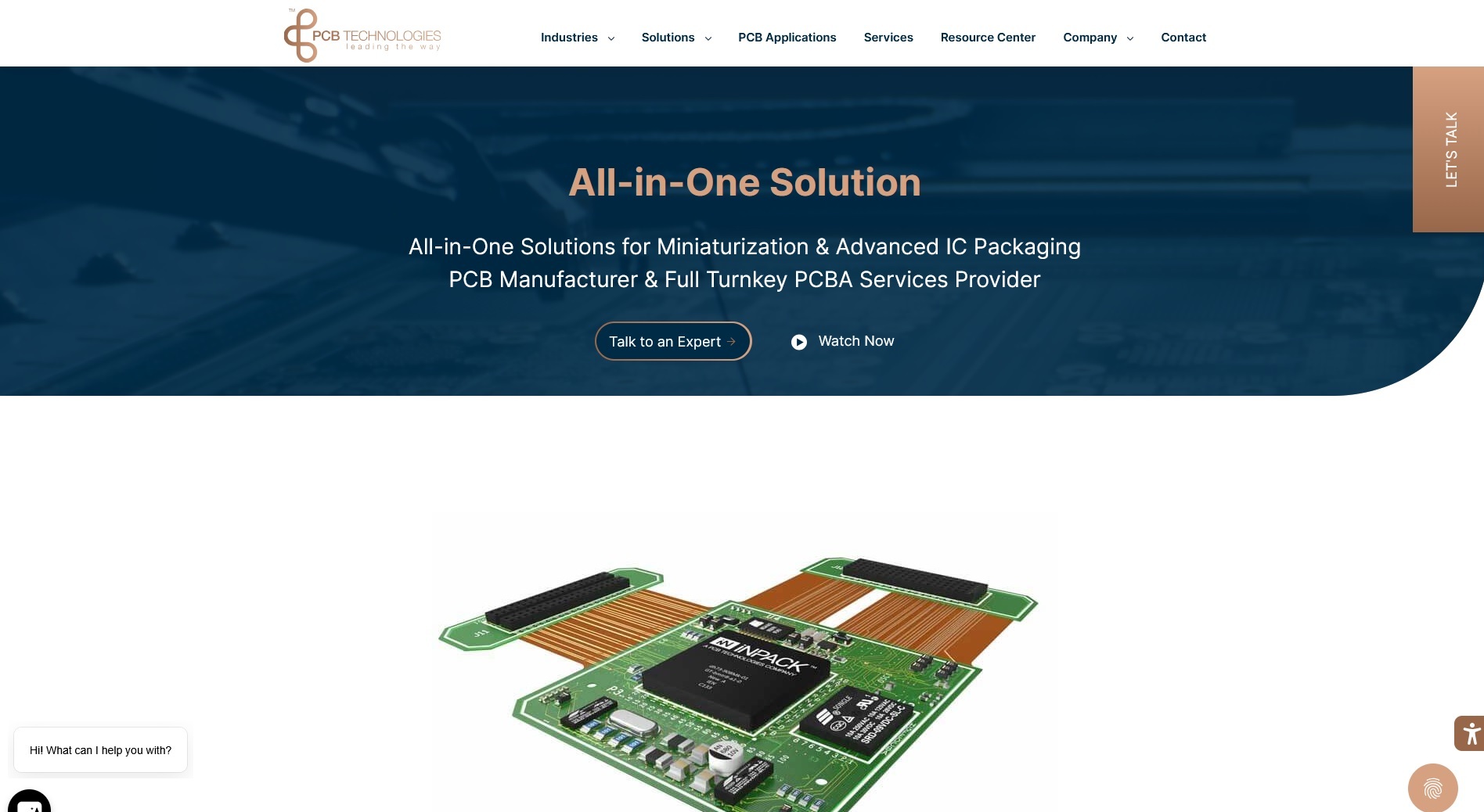
PCB Technologies Ltd. (TASE: PCBT) has entered into a definitive agreement to acquire Silicon Valley-based Gorilla Circuits at an enterprise value of $120 million, establishing a U.S. manufacturing presence and expanding its capabilities in semiconductor, aerospace and defense electronics.

The Israeli electronics manufacturer will acquire 100% of Gorilla Circuits through a wholly owned subsidiary, adding an established printed circuit board (PCB) fabrication and electronic assembly business with more than 700 active customers.

The transaction values Gorilla Circuits at approximately 7.6 times EBITDA, based on average financial results for 2025 and the first half of 2026, subject to customary purchase price adjustments.

The acquisition is expected to close within eight months, pending customary closing conditions and regulatory approval from the Committee on Foreign Investment in the United States (CFIUS).

PCB Technologies plans to finance the transaction through credit facilities provided by two Israeli banks.

Founded more than two decades ago, Gorilla Circuits operates in San Jose, California, specializing in high-mix, low-volume PCB manufacturing, rapid-turn production and electronic card assembly.

The company serves customers developing technically demanding electronic products, including semiconductor testing equipment, aerospace and defense systems, and advanced technology applications.

For PCB Technologies, the acquisition provides an established U.S. manufacturing operation and direct access to a substantial customer base in markets where domestic production capabilities and engineering proximity can influence purchasing decisions.

The transaction also creates opportunities to introduce PCB Technologies’ advanced substrates, microelectronics and integrated circuit packaging capabilities to Gorilla Circuits’ customers.

“This transaction is intended to transform the scale of PCB Technologies and the opportunities available to us,” said Oved Shapira, CEO of PCB Technologies.

“We are combining the technologies and manufacturing capabilities we have developed in Israel with a U.S. manufacturing base and hundreds of customers in sectors where we have a technological advantage,” Shapira said.

Gorilla Circuits has recorded significant revenue growth over the past two years.

Revenue increased from $69.4 million in 2024 to $91.9 million in 2025, representing growth of approximately 32%.

During the first six months of 2026, the company generated $54.9 million in revenue, reflecting continued expansion in its core manufacturing markets.

Adjusted EBITDA increased from $3 million in 2024 to $13.6 million in 2025. For the first half of 2026, adjusted EBITDA reached $8.9 million, following IFRS 16 adjustments.

The company also reported increasing customer order activity, with orders totaling approximately $100 million in 2025 and a 2026 order run rate of about $131 million.

As of August 31, 2026, Gorilla Circuits maintained an order backlog of approximately $38 million, providing visibility into near-term production demand.

Its customer mix includes significant exposure to technology, semiconductor and aerospace and defense markets.

During the first half of 2026, technology and semiconductor-related activities accounted for approximately 35% of Gorilla Circuits’ sales, while aerospace and defense represented approximately 40%.

These markets align with PCB Technologies’ existing focus on complex electronics used in mission-critical applications.

The acquisition will allow PCB Technologies to expand its U.S. operations while offering Gorilla Circuits’ customers access to a broader range of manufacturing technologies.

PCB Technologies specializes in multilayer rigid, rigid-flex and multi-flex circuit boards, advanced substrates, complex electronic assemblies and electromechanical systems.

Through its iNPACK subsidiary, the company also provides miniaturization and advanced integrated circuit packaging technologies.

The combined business intends to expand access to these capabilities in the United States, particularly for customers requiring specialized electronics manufacturing and advanced packaging solutions.

Shapira said the acquisition supports PCB Technologies’ strategy of offering integrated services across the electronics manufacturing process, from product development and prototyping to fabrication and assembly.

“The combination creates cross-selling opportunities across our operations, and we intend to further expand access to iNPACK solutions for U.S. customers,” he said.

The transaction is also expected to improve PCB Technologies’ ability to compete for U.S. contracts that require domestic manufacturing or close coordination between engineering teams and production facilities.

Gorilla Circuits’ existing San Jose operation provides an established manufacturing base without requiring substantial immediate capital investment.

According to PCB Technologies, the facilities are equipped to accommodate near-term business growth.

Following completion, the companies intend to evaluate additional investments in U.S. manufacturing capacity and introduce technologies related to thermal management, heat dissipation, radio-frequency applications and electronic miniaturization.

Mario Borjon, president of Gorilla Circuits, said the combination would allow the company to pursue larger and more complex customer programs.

“Combining our existing capabilities and relationships we have built in the U.S. market with PCB Technologies’ manufacturing capacity, expertise with specialized advanced technologies is expected to enable us to expand our range of solutions,” Borjon said.

The acquisition will also provide PCB Technologies with an established operating presence in Silicon Valley, where proximity to semiconductor developers and technology companies can support rapid prototyping and shorter production cycles.

Gorilla Circuits was founded by Hershel Petty and has built its business around high-reliability circuit board fabrication and assembly services.

Its manufacturing model emphasizes smaller production volumes, complex product specifications and shorter delivery schedules, complementing PCB Technologies’ existing capabilities in advanced electronics manufacturing.

The companies did not disclose the expected annual cost savings, integration expenses or specific revenue synergies associated with the acquisition.

The transaction remains subject to regulatory review, including CFIUS approval, which is particularly relevant given Gorilla Circuits’ operations in semiconductor and defense-related markets.

Founded in 1981, PCB Technologies serves customers in defense, aerospace, medical technology, radio-frequency systems, robotics and industrial automation.

The proposed acquisition would significantly expand its geographic manufacturing footprint and establish a U.S. platform for pursuing additional opportunities in advanced electronics.

With Gorilla Circuits generating $91.9 million in 2025 revenue and maintaining a $38 million order backlog as of August 2026, PCB Technologies is acquiring an operating business with established customers, manufacturing infrastructure and growing demand.

Subject to closing, the $120 million transaction will position PCB Technologies to combine its Israeli manufacturing and advanced packaging technologies with Gorilla Circuits’ Silicon Valley operations, strengthening its access to North American semiconductor, technology, aerospace and defense customers.

Free Training

Source link

Samsung Biologics to acquire PolyPeptide for $1.8 bil.


The headquarters of Samsung Biologics in Songdo, Incheon / Courtesy of Samsung Biologics

The headquarters of Samsung Biologics in Songdo, Incheon / Courtesy of Samsung Biologics

Samsung Biologics said Monday it will acquire Swiss peptide drug manufacturer PolyPeptide Group through an all-cash public tender offer valued at approximately 1.46 billion Swiss francs ($1.8 billion), marking its largest overseas acquisition as it expands beyond antibody manufacturing into peptide therapeutics.

Samsung Biologics CEO John Rim

Samsung Biologics CEO John Rim

The Korean contract development and manufacturing organization (CDMO) will offer 44.31 Swiss francs per share for all outstanding shares of PolyPeptide, representing a 40 percent premium to the company’s unaffected closing price before acquisition rumors emerged in April.

The transaction, expected to close toward the end of 2026, is subject to shareholder approval, regulatory clearances and other customary conditions. Samsung Biologics must secure at least a two-thirds acceptance rate from shareholders. PolyPeptide’s largest shareholder, which owns about 55.7 percent of the company, has already agreed to tender its stake.

PolyPeptide’s board of directors unanimously recommended that shareholders accept the offer, saying the acquisition provides an attractive outcome for investors while positioning the company for its next stage of growth.

The acquisition significantly broadens Samsung Biologics’ manufacturing portfolio by adding peptide-based active pharmaceutical ingredients, a rapidly expanding market fueled by soaring demand for obesity and diabetes treatments, including GLP-1 therapies.

The company said combining its large-scale biologics manufacturing capabilities with PolyPeptide’s expertise will create an end-to-end multimodality CDMO platform spanning antibodies, antibody-drug conjugates (ADCs) and peptide therapeutics.

Founded more than 70 years ago, PolyPeptide is one of the world’s leading peptide CDMOs. The company has produced more than 1,000 therapeutic peptides and operates research, development and commercial manufacturing facilities in Sweden, Belgium, France, the United States and India, with its headquarters in Switzerland.

Samsung Biologics said the acquisition will also strengthen its global manufacturing footprint and enhance its ability to serve pharmaceutical customers across major markets.

“The acquisition reinforces our long-term growth strategy by broadening our service portfolio into peptides, including GLP-1 therapies, while further expanding our geographic reach across the United States, Europe and India,” Samsung Biologics CEO John Rim said.

He added that PolyPeptide’s technology, experienced workforce and global operations would complement Samsung Biologics’ existing capabilities and strengthen its position as a global multimodality CDMO.

PolyPeptide Chairman Peter Wilden described the deal as a transformational opportunity that would accelerate the Swiss company’s long-term growth while delivering immediate value to shareholders.

Samsung Biologics plans to launch the formal tender offer by the end of August, following procedures required under Swiss takeover law. After completing the acquisition, the company intends to buy out remaining minority shareholders and delist PolyPeptide from the SIX Swiss Exchange, making it a wholly owned subsidiary.

J.P. Morgan is serving as Samsung Biologics’ exclusive financial adviser on the transaction.

Free Training

Source link

Bull Moose Tube to Acquire Hanna Steel in Third U.S. Manufacturing Expansion


Bull Moose Tube Company has agreed to acquire Hanna Steel, a producer of structural and mechanical steel tubing with facilities in Alabama and Illinois.

Most industrial buy-and-build strategies come with a clock. This one does not.

More than fifty years ago, Lord Swraj Paul founded a steel tube business in Britain called Natural Gas Tubes. That company eventually became Caparo Group, a global industrial enterprise spanning steel, automotive components, and engineered products. Today, the family he founded is once again expanding through steel tube manufacturing—this time in the United States.

The latest example is Bull Moose’s agreement to acquire Hanna Steel, a producer of structural and mechanical steel tubing. The transaction, expected to close in the third quarter of 2026, extends what has become a steady expansion strategy by the Paul family and its Caparo Group, one that has received little attention despite a growing series of investments in American manufacturing assets.

Founded in 1954, Hanna Steel manufactures structural and mechanical steel tubing used in commercial construction, infrastructure, and industrial applications. The company operates tubing facilities in Alabama and Illinois, a coil-coating operation in Alabama, and its own trucking business. Industry sources estimate annual revenue of approximately $80 million and employment of several hundred workers. Its Tuscaloosa facility alone spans more than 600,000 square feet.

Hanna Steel’s Tuscaloosa, Louisiana facility. Credit: Hanna Steel

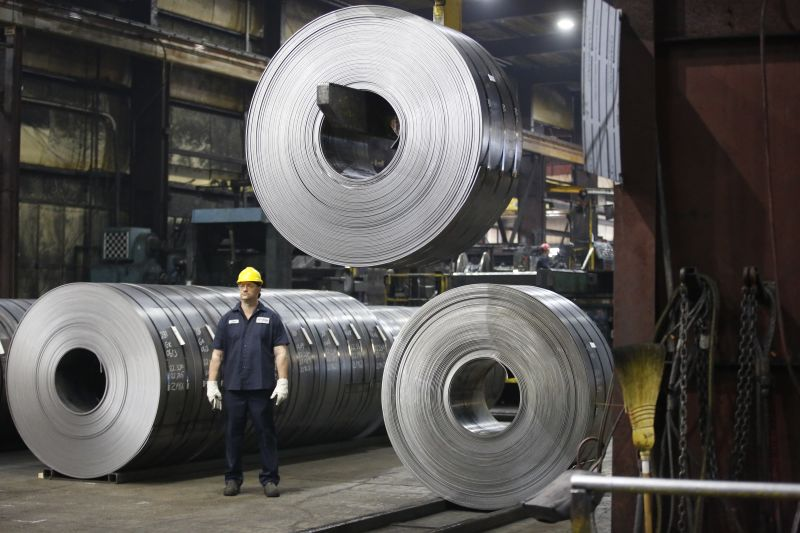
The acquisition of Hanna Steel marks the end of more than 40 years of Hanna family ownership, dating to 1984 when Pete Hanna purchased the company from his father, General Hanna, and expanded it into one of the nation’s largest independent producers of structural and mechanical steel tubing.

“The acquisition of Hanna Steel is a strong strategic fit for Bull Moose as we continue to expand our capabilities and enhance value for our customers,” said John Krupinski, chief executive officer of Bull Moose Tube. “Hanna adds complementary assets, experienced teams, a respected reputation and culture, along with a product portfolio that supports our long-term growth strategy.”

Bull Moose Tube Company was founded in 1962 and is headquartered near St. Louis in Chesterfield, Missouri. Today, the company operates seven manufacturing facilities across the United States and is one of North America’s larger producers of welded steel tubing, hollow structural sections, and mechanical tubing. Under the ownership of the Paul family, Bull Moose has grown into a business with annual production capacity exceeding one million tons.

Bull Moose Tube’s Elkhart, Indiana facility: Credit Bull Moose Tube
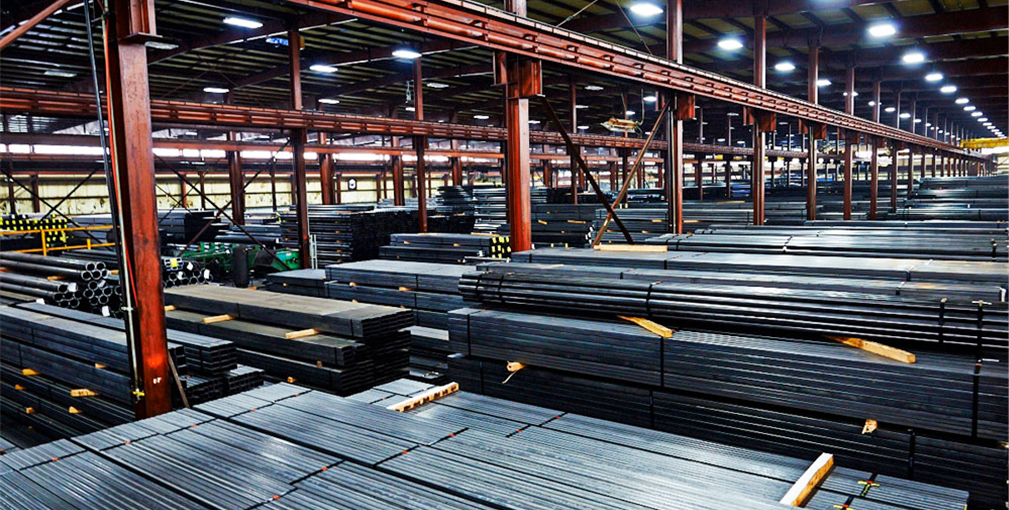
Bull Moose is owned by Caparo Bull Moose, the North American subsidiary of Caparo Group. Following Lord Paul’s death in August 2025, leadership of the family-controlled business passed to his son, Ambar Paul, who serves as chairman of Bull Moose Tube.

“We continue to assess and pursue strategic opportunities that strengthen Bull Moose Tube’s position as a best-in-class steel tube producer,” said Mr. Paul. “As our third major investment in recent years, Hanna Steel builds on a clear pattern of strategic expansion, adding depth to our manufacturing capabilities and reinforcing our commitment to long-term, sustainable growth.”

The Hanna acquisition follows Bull Moose’s September 2025 purchase of Ferrous85 from privately held Ferragon Corporation. The Sinton, Texas-based toll-processing business operates adjacent to Steel Dynamics’ steel campus and includes one of North America’s largest steel coil slitting operations, capable of processing coils weighing up to 105,000 pounds. The acquisition strengthened Bull Moose’s Texas manufacturing platform, which the company began building in 2021 with plans for a new hollow structural section and sprinkler pipe mill in Sinton.

Hanna Steel’s Tuscaloosa, Louisiana facility. Credit: Hanna Steel

The company also closed its Burlington, Ontario, manufacturing facility in 2025, consolidating production into its U.S. operations. Taken together, these investments point toward a strategy focused on increasing domestic manufacturing capacity and deepening exposure to the American industrial economy.

The timing is notable. Domestic steel demand continues to benefit from infrastructure spending, utility grid modernization, energy projects, manufacturing reshoring, and data center construction. Bull Moose participates in many of those end markets through its tubing and structural products businesses.

The broader steel tubing market remains fragmented despite decades of consolidation. Participants range from publicly traded producers to privately held regional manufacturers, creating ongoing opportunities for strategic buyers seeking additional capacity, geographic reach, and product breadth. Against that backdrop, Hanna Steel represents another building block in Bull Moose’s expansion strategy.

For the Paul family, Hanna Steel is the latest step in a strategy that has included new manufacturing capacity in Texas, the acquisition of Ferrous85, and a growing concentration of operations in the United States.

While most industrial buy-and-build programs are associated with private equity sponsors, Bull Moose is pursuing a similar path under family ownership and without the constraints of a traditional fund life.

Free Training

Source link

FH Capital to Acquire 75.1 Percent Stake in JinkoSolar US Manufacturing Unit, Expand Solar and BESS Platform – Asia Pacific


FH Capital will acquire 75.1 percent of JinkoSolar’s US manufacturing subsidiary, expand 2 GW solar module capacity, and launch domestic BESS production to strengthen America’s clean energy manufacturing and supply chain.

May 13, 2026. By EI News Network

FH Capital has entered into an agreement to acquire a 75.1 percent majority stake in JinkoSolar’s US manufacturing subsidiary, creating a domestic solar and Battery Energy Storage Systems (BESS) platform anchored by a 2 GW solar module manufacturing facility in the United States. JinkoSolar will retain a 24.9 percent minority stake in the venture.

Following the transaction, FH Capital plans to inject additional expansion capital to at least double the facility’s current solar module production capacity while also launching domestic BESS manufacturing operations. The move is aimed at strengthening US-based clean energy manufacturing amid rising demand for locally sourced solar and storage products and evolving US energy policies.

FH Capital is led by Sanjeev Chaurasia, a renewable energy investment banker with more than two decades of experience. Chaurasia previously served as Managing Director at Credit Suisse, where he co-founded the firm’s renewable energy practice and led JinkoSolar’s 2010 NYSE IPO.

According to Chaurasia, the transaction combines JinkoSolar’s established US manufacturing presence, technology portfolio, and customer network with FH Capital’s investment and operational capabilities to support growing domestic solar and storage demand.

Nigel Cockroft, US General Manager of JinkoSolar, said that the partnership provides strategic direction and ownership support to expand manufacturing capacity and serve increasing demand for US-sourced renewable energy products.

The transaction remains subject to customary regulatory approvals and closing conditions. Financial details of the deal were not disclosed.

Free Training

Source link

FH Capital To Acquire Majority Stake In JinkoSolar’s U.S. Manufacturing Operations


FH Capital announced that it has entered into a definitive agreement to acquire a 75.1% majority stake in Jinko Solar (U.S.) Industries, the U.S. manufacturing subsidiary of JinkoSolar.

Under the agreement, JinkoSolar will retain a 24.9% minority interest in the business. Financial terms of the transaction were not disclosed.

The transaction transfers controlling ownership of JinkoSolar’s U.S.-based 2 gigawatt solar module manufacturing facility along with its growing Battery Energy Storage Systems business.

Following the closing, FH Capital said it plans to invest additional expansion capital to at least double the current solar module manufacturing capacity while also launching domestic BESS manufacturing operations.

According to the companies, the combined platform is intended to address growing U.S. demand for domestically manufactured solar and energy storage products amid evolving clean energy policy initiatives and infrastructure investment trends.

FH Capital is led by Managing Partner Sanjeev Chaurasia, a renewable energy investment banker and investor with more than two decades of industry experience. Chaurasia previously served as Managing Director at Credit Suisse, where he co-founded the firm’s renewable energy practice and led JinkoSolar’s 2010 IPO on the New York Stock Exchange.

JinkoSolar has operated manufacturing operations in the United States for seven years and maintains a global production and sales footprint spanning multiple international markets.

The transaction remains subject to customary closing conditions and regulatory approvals.

Latham & Watkins served as legal counsel to FH Capital. Morgan Stanley Asia acted as financial advisor to JinkoSolar, while Cleary Gottlieb Steen & Hamilton served as legal counsel.

KEY QUOTES:

“The transaction leverages JinkoSolar’s well established seven-year U.S. manufacturing presence, proven technology, and strong relationships with blue-chip U.S. customers, with FH Capital’s capabilities to create and manage a dynamic platform positioned to meet rising demand for domestic solar and storage solutions.”

Sanjeev Chaurasia, Managing Partner, FH Capital

“FH Capital brings deep sector expertise, financing experience, and a deep understanding of the U.S. market.”

“We believe this transaction provides the right ownership, management and strategic direction for this new venture to grow capacity and serve the growing demand for high performance U.S.-sourced renewable energy products.”

Nigel Cockroft, U.S. General Manager, JinkoSolar


Free Training

Source link

AbbVie to Acquire Arizona Manufacturing Facility, Further Strengthening Manufacturing Capabilities in the United States


  • Milestone marks progress against AbbVie‘s previously announced commitment to invest more than $10 billion of capital in the U.S. over the next decade to broadly support innovation and expand critical manufacturing capabilities and capacity
  • Supports production of AbbVie‘s current and next-generation immunology and neuroscience medicines
  • Transaction anticipated to close in mid-2026

AbbVie (NYSE: ABBV) and West Pharmaceutical Services (NYSE: WST) announced today a definitive agreement for AbbVie to acquire a device manufacturing facility in Tempe, Arizona and associated intellectual property from West. The acquisition of the manufacturing site will significantly expand AbbVie‘s drug delivery device manufacturing capabilities and capacity.

AbbVie plans to hire approximately 200 employees at the site and invest more than $175 million to acquire, as well as modernize and fully integrate it into its global manufacturing network. The combination of this acquisition and associated planned investments are part of AbbVie‘s commitment to expanding its pharmaceutical manufacturing in the United States (U.S.), supporting innovation and improving patient access and outcomes.

“Over the next decade, AbbVie is investing more than $10 billion in capital to broadly support innovation and expand our manufacturing capabilities and capacity in the U.S.,” said Robert A. Michael, chairman and chief executive officer, AbbVie. “With this investment, AbbVie is strengthening our manufacturing capabilities, ensuring we are well-positioned to develop and deliver next-generation medicines that make a remarkable impact on patients’ lives.”

The transaction includes the transfer of manufacturing facilities, including multiple production lines, and 3.5 mL on-body injector technology to support production of current and next-generation AbbVie immunology and neuroscience medicines.

With a presence in all 50 states and Puerto Rico, AbbVie employs approximately 29,000 people in the U.S., including more than 6,000 at its 11 U.S. manufacturing sites. When completed, this acquisition will significantly expand AbbVie‘s presence and economic impact in Arizona.

The transaction is anticipated to close in mid-2026, subject to closing conditions.

About AbbVie 

AbbVie‘s mission is to discover and deliver innovative medicines and solutions that solve serious health issues today and address the medical challenges of tomorrow. We strive to have a remarkable impact on people’s lives across several key therapeutic areas including immunology, oncology, neuroscience and eye care – and products and services in our Allergan Aesthetics portfolio. For more information about AbbVie, please visit us at www.abbvie.com. Follow @AbbVie on LinkedIn, Facebook, Instagram, X (formerly Twitter) and YouTube. 

Forward-Looking Statements  

Some statements in this news release are, or may be considered, forward-looking statements for purposes of the Private Securities Litigation Reform Act of 1995. The words “believe,” “expect,” “anticipate,” “project” and similar expressions and uses of future or conditional verbs, generally identify forward-looking statements. AbbVie cautions that these forward-looking statements are subject to risks and uncertainties that may cause actual results to differ materially from those expressed or implied in the forward-looking statements. Such risks and uncertainties include, but are not limited to, challenges to intellectual property, competition from other products, difficulties inherent in the research and development process, adverse litigation or government action, changes to laws and regulations applicable to our industry, the impact of global macroeconomic factors, such as economic downturns or uncertainty, international conflict, trade disputes and tariffs, and other uncertainties and risks associated with global business operations. Additional information about the economic, competitive, governmental, technological and other factors that may affect AbbVie‘s operations is set forth in Item 1A, “Risk Factors,” of AbbVie‘s 2024 Annual Report on Form 10-K, which has been filed with the Securities and Exchange Commission, as updated by its Quarterly Reports on Form 10-Q and in other documents that AbbVie subsequently files with the Securities and Exchange Commission that update, supplement or supersede such information. AbbVie undertakes no obligation, and specifically declines, to release publicly any revisions to forward-looking statements as a result of subsequent events or developments, except as required by law. 


Cision View original content:https://www.prnewswire.com/news-releases/abbvie-to-acquire-arizona-manufacturing-facility-further-strengthening-manufacturing-capabilities-in-the-united-states-302658118.html

SOURCE AbbVie


Free Training

Source link