



Nucor Corporation focuses on steel production and US manufacturing demand
Nucor Corporation (ISIN US6703461052) is one of the largest steel producers in the United States, operating a network of mini-mill facilities that manufacture a wide range of steel products for industrial customers across the country. The company supplies steel to construction, automotive, machinery, energy, and other manufacturing segments, and its performance is closely linked to broader US industrial activity and demand for steel-intensive projects.
Nucor Corporation is widely recognized as a key player in the US steel industry, reflecting decades of investment in mini-mill technology, recycling capabilities, and downstream value-added product lines. Its operations draw heavily on scrap steel, which is melted and processed into new products, allowing the company to participate directly in the circular economy of materials and to benefit from trends in metal recycling and resource efficiency.
Steel production and mini-mill model
Nucor Corporation’s core business revolves around mini-mill steel production facilities located in multiple US states, each designed to melt scrap steel and convert it into finished products. These mini-mills typically use electric arc furnaces to process scrap, offering flexibility in output and the ability to adjust production levels relatively quickly in response to customer demand and market pricing for steel.
Through this mini-mill model, Nucor Corporation produces a variety of steel forms, including beams, sheet, bar, and other shapes that are foundational materials for construction and manufacturing. The company has built an integrated network of facilities that can supply regional markets efficiently, helping to reduce transportation distances and deliver steel closer to end customers.
Nucor Corporation’s strategy has long emphasized cost efficiency and operational flexibility, allowing the company to manage through cycles of strong and weak steel demand. By focusing on mini-mills rather than traditional blast furnace operations, Nucor Corporation can adjust its production more rapidly and align its output with prevailing market conditions.
US industrial demand and customer base
The fortunes of Nucor Corporation are closely tied to US industrial demand, including construction projects, automotive manufacturing, infrastructure work, and machinery production. When activity in these sectors is robust, demand for steel products tends to be stronger, supporting higher volumes for Nucor Corporation and potentially better utilization of its mini-mill network.
The company serves a diversified customer base, selling steel to service centers, fabricators, manufacturers, and contractors across the United States. This diversification helps spread risk across multiple end markets, so that weakness in one segment can be partially offset by strength in another. For example, a slowdown in residential construction might be counterbalanced by stronger demand from non-residential projects or industrial facilities.
Nucor Corporation also benefits from its role as a supplier to infrastructure-related projects, which often require substantial volumes of steel for bridges, buildings, transportation systems, and energy facilities. As public and private entities invest in new construction and maintenance, Nucor Corporation’s steel products can be integral materials in these projects.
Go deeper
Learn more about Nucor Corporation and its steel business
Nucor Corporation is a major US steel producer using mini-mills and recycled scrap to supply construction and manufacturing customers across the country.
Product portfolio and downstream operations
Nucor Corporation operates a broad product portfolio that includes steel sheet, plate, bar, structural shapes, and various engineered steel products designed for specific applications. These offerings allow the company to supply materials for buildings, bridges, industrial equipment, vehicles, and other end uses that require durable and reliable steel.
In addition to basic steel products, Nucor Corporation has downstream operations that offer value-added processing and fabrication services. These can include cutting, bending, coating, and precision shaping of steel so that customers receive materials closer to their final specification, reducing the need for additional processing at the customer site.
The company has emphasized product quality, safety, and reliability in its operations, working to meet standards required by construction codes, automotive manufacturing requirements, and industrial specifications. Over time, Nucor Corporation has expanded its capabilities to cover more niche and specialized steel products, giving it access to segments with specific technical demands and often higher margins.
Steel recycling and sustainability approach
Nucor Corporation is known for its focus on steel recycling, using large volumes of scrap metal as the primary input to its electric arc furnaces. This approach helps limit the use of raw iron ore and traditional blast furnace operations, and aligns the company with broader environmental objectives relating to recycling and resource efficiency.
Steel recycling allows Nucor Corporation to participate directly in reducing waste and extending the life cycle of metal resources. Scrap is collected from a range of sources, including end-of-life vehicles, demolished structures, manufacturing offcuts, and other industrial processes, and then transformed into new steel products in Nucor Corporation’s mini-mills.
By emphasizing recycling, Nucor Corporation can reduce its reliance on certain raw materials and potentially lower energy consumption relative to some traditional steelmaking routes. The company communicates its sustainability efforts and recycling metrics in its regular reporting, reflecting growing interest from customers and investors in environmental performance and responsible resource use.
Representative product: structural steel beams
One representative product in Nucor Corporation’s portfolio is structural steel beams, which are widely used in commercial and industrial construction. These beams serve as key load-bearing elements in buildings, warehouses, manufacturing plants, and infrastructure projects such as bridges and large-scale facilities.
Structural steel beams produced by Nucor Corporation are designed to meet specific standards for strength, dimensional accuracy, and performance under load. The company supplies these beams in various sizes and profiles, such as wide-flange beams and other shapes, allowing builders and engineers to select the appropriate configuration for their projects.
Because steel beams are fundamental components of modern construction, demand for these products tends to track activity in commercial real estate, industrial development, and infrastructure investment. Nucor Corporation’s ability to manufacture and deliver beams efficiently can support customers working on tight schedules and complex project requirements.
Nucor Corporation stock and investor perspective
Nucor Corporation stock trades on a major US exchange in the form of common shares, reflecting the company’s position as a publicly listed industrial enterprise. The stock is part of the broader universe of US equities and is associated with the materials and industrial sectors, which respond to cycles in economic growth, manufacturing activity, and construction spending.
Investors often consider Nucor Corporation’s exposure to steel prices, demand for finished steel products, and the company’s ability to manage costs and maintain profitability through industry cycles. Over time, Nucor Corporation’s focus on mini-mill operations, recycling, and diversified end markets has contributed to its reputation as an important participant in the US steel sector.


 Founded in 1954,
 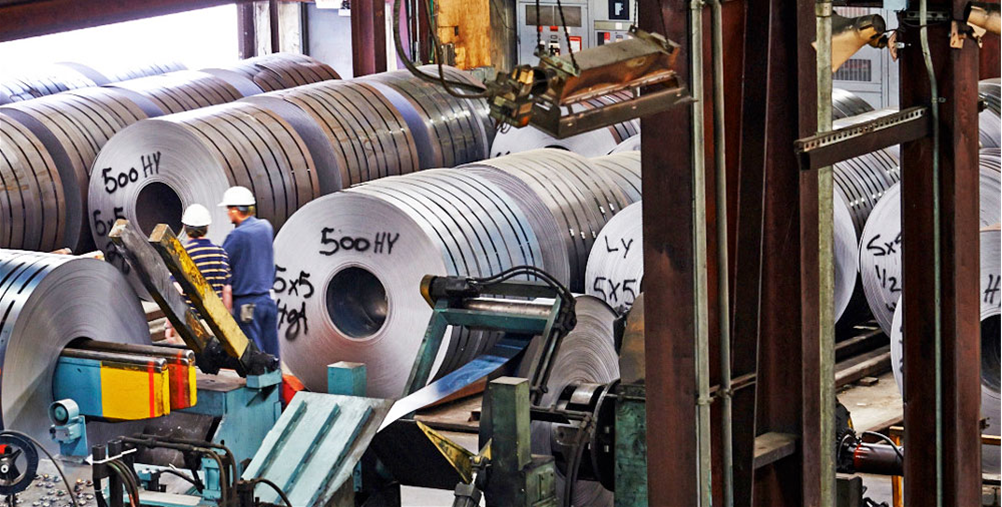 Hanna Steel’s Tuscaloosa, Louisiana facility. Credit: Hanna Steel
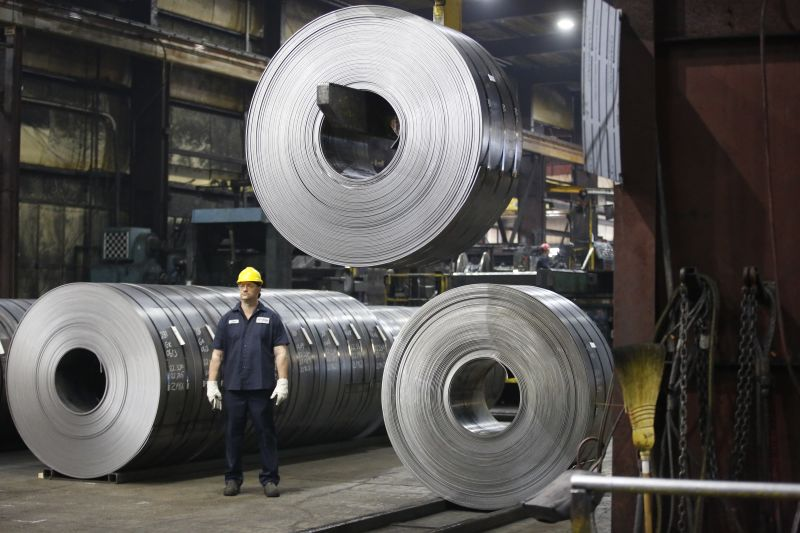 Bull Moose Tube’s Elkhart, Indiana facility: Credit Bull Moose Tube
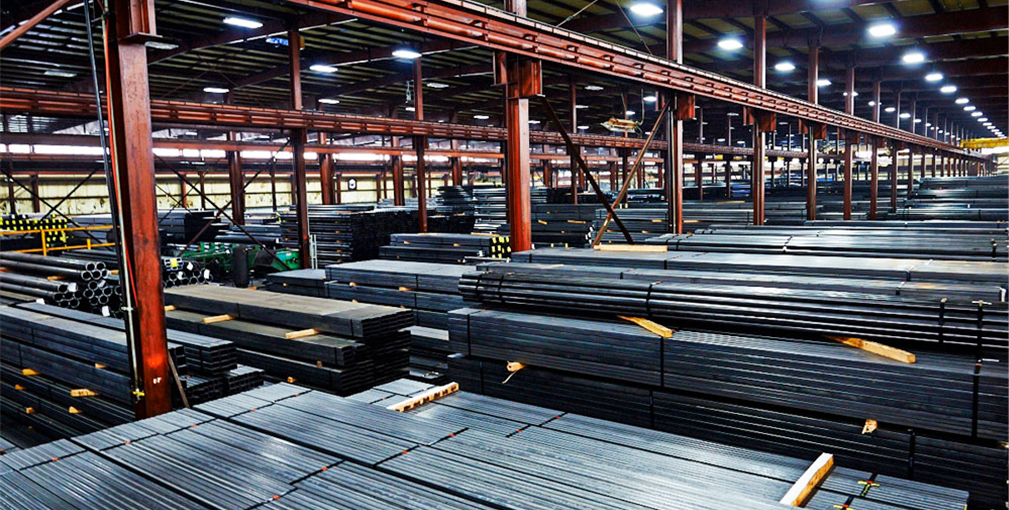 Hanna Steel’s Tuscaloosa, Louisiana facility. Credit: Hanna Steel