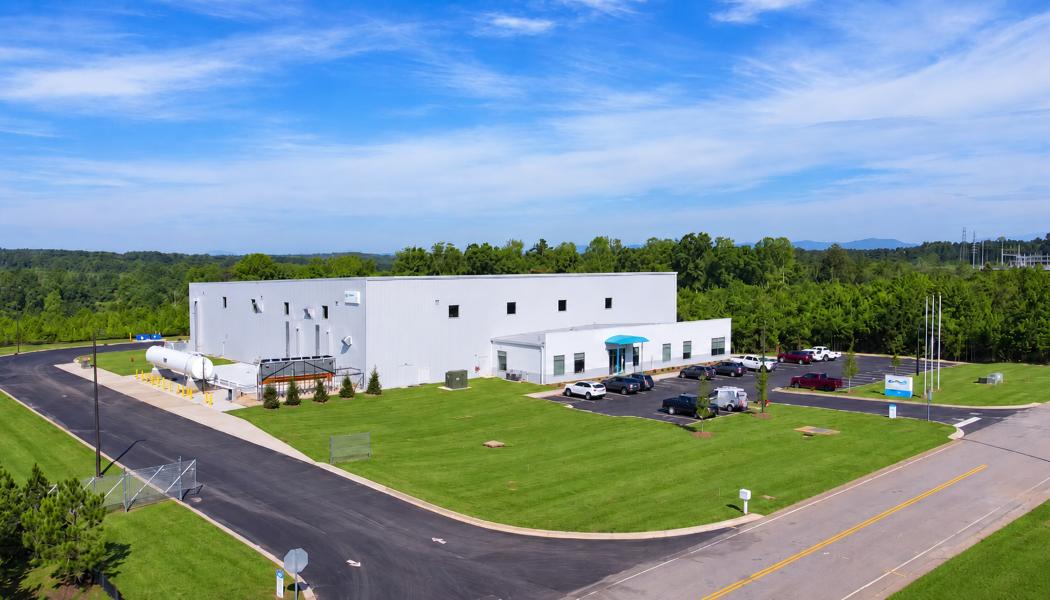
CurTec expands US manufacturing and warehouse capacity in South Carolina


CurTec USA is investing $10 million to expand its Westminster, South Carolina operations, creating 10 new jobs. The project will increase warehouse and production capacity and broaden the range manufactured in the United States.

The expansion will add approximately 27,300 square feet and more than 2,000 pallet positions. Groundbreaking is planned for October 2026, with completion expected in Q2 2027.

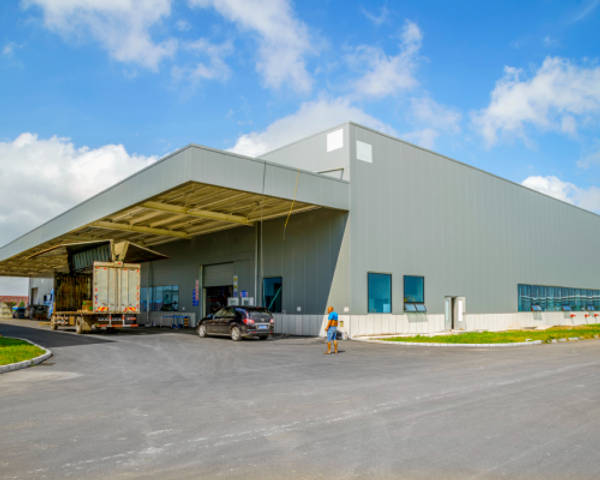
CurTec is expanding its manufacturing operations in Westminster, S.C. with a new warehouse and additional production capacity.

CurTec is expanding its manufacturing operations in Westminster, S.C. with a new warehouse and additional production capacity.

“When we opened Westminster in 2023, our goal was to get closer to North American customers and create a platform for growth,” says Bart van Berkel, CEO of CurTec. “This expansion strengthens local production, inventory and supply reliability while broadening the range we manufacture in the United States.”

Expanding local production

A new blow molding line will significantly increase capacity and extend local production to smaller packaging sizes. CurTec plans to produce 6- and 10-liter Click Pack pails in Westminster before year-end, followed by smaller Wide Neck Drums in 2027.

“Expanding production and warehousing together gives us greater flexibility to respond to customer demand,” says Roy Kuipers, Operations Directorat CurTec. “It also allows us to manufacture more of our portfolio locally.”

“Westminster was designed for future growth,” says Martin Lamar, Site Director USA. “We are now adding capacity and capability while growing our local team.”

“It is another ‘Top Shelf for Business’ day in Oconee County,” says Jamie Gilbert, President and CEO of the Oconee Economic Alliance. “Just three years after opening the facility, this investment reflects CurTec’s confidence in our workforce and business climate. We value our partnership and look forward to CurTec’s continued growth in our community.”

About CurTec

CurTec manufactures high-performance packaging for life sciences and fine chemicals.

CurTec supports life sciences and fine chemicals companies with high-performance packaging for the safe handling and containment of critical materials. CurTec has GMP-certified production facilities in Westminster, South Carolina, and Rijen, the Netherlands.


Free Training

Source link

Octapharma To Build $1.5 Billion Critical Care Manufacturing Facility In South Carolina


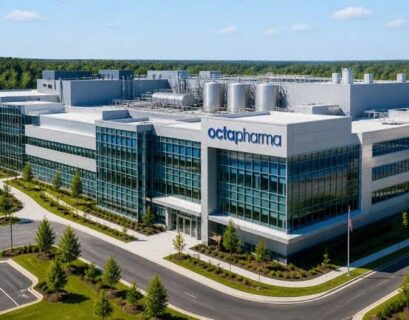
Octapharma plans to invest $1.5 billion in its first U.S.-based manufacturing and production facility, creating approximately 1,500 full-time jobs in Rock Hill, South Carolina.

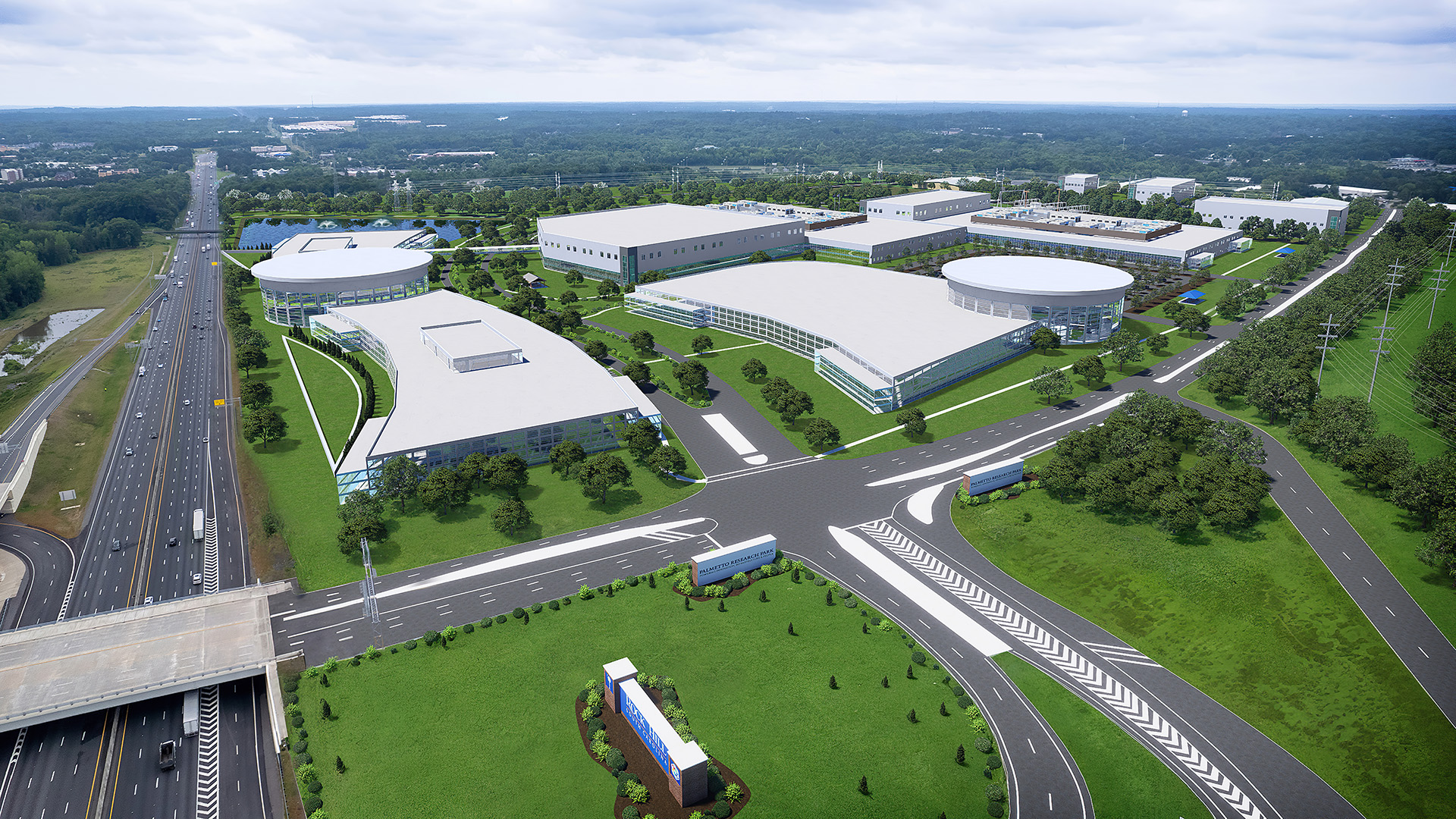
The 50-acre campus will be developed at Palmetto Research Park and is expected to become one of the largest private biomedical investments in South Carolina’s history.

The facility will produce plasma-derived therapies from Octapharma’s portfolio, establishing domestic manufacturing capabilities for medicines currently supported by the company’s international production network.

Octapharma also plans to manufacture bleeding management and trauma care products used for national security and emergency preparedness purposes.

The project is intended to reduce dependence on overseas pharmaceutical supply chains while bringing production closer to the plasma donated in the United States and the American patients who rely on the company’s treatments.

Octapharma selected Rock Hill following a planning and zoning process conducted with Rock Hill and York County officials and in coordination with local, state and federal leaders.

The company cited South Carolina’s advanced manufacturing infrastructure, logistics network, access to deep-water ports and growing biomedical workforce as factors supporting the location decision.

Octapharma expects demand for its existing therapies and future products to increase, requiring the company to expand its manufacturing capacity.

Construction and groundbreaking details will be announced at a later date.

Headquartered in Lachen, Switzerland, Octapharma develops and manufactures human protein therapies derived from human plasma and cell lines. The company has more than 11,000 employees and serves patients in 117 countries across immunotherapy, hematology and critical care.

Octapharma currently operates five European manufacturing facilities, seven research and development sites and more than 200 plasma donation centers across the United States and Europe.

KEY QUOTES:

“We expect significant future growth, driven by our existing life-saving therapies and a strong pipeline of new products. Our manufacturing capacity must evolve to support this ambition, and our U.S. manufacturing facility will be an important milestone. From a U.S. national security perspective, having the ability to produce and supply our therapies domestically is invaluable.”

Wolfgang Marguerre, CEO and Chairman of Octapharma

“We have built a significant presence in the U.S. over the last 20 years through our commercial capabilities, alongside our extensive network of plasma donation centers. As the demand in the U.S. for our portfolio of products continues to grow, the new U.S. manufacturing site will bring production of our FDA-approved therapies closer to both the plasma donated in the U.S. and to the patients who rely on them.”

Tobias Marguerre, Deputy Chairman of Octapharma

“Octapharma appreciates the good-faith work of every elected official and staff member in York County and Rock Hill who helped bring this to fruition. We also want to thank Governor McMaster and South Carolina’s federal and state delegation for their support in welcoming Octapharma to the Palmetto State.”

“South Carolina’s talented workforce, strong life sciences ecosystem and pro-business environment made it clear this was the right home for our first U.S. manufacturing facility.”

Flemming Nielsen, President of Octapharma USA

Thank you for visiting Pulse 2.0. We work hard every day to bring leaders and decision makers like you the latest intelligence on business, finance, capital markets, deal flow, law, tech, and AI. Click here to subscribe to the Pulse 2.0 Newsletter.

Free Training

Source link

South Carolina Clears Final Approval for $1.5 Billion Plasma Manufacturing Campus


South Carolina officials have granted the final state and local approvals needed for a major pharmaceutical manufacturing investment in Rock Hill. Octapharma has secured final state and local approvals for a $1.5 billion plasma-derived therapies manufacturing campus in Rock Hill, South Carolina, paving the way for the company’s first U.S. plasma fractionation and manufacturing facility. The project will create more than 1,500 full-time jobs and add new U.S. manufacturing capacity for plasma-derived medicines when commercial operations begin in the mid-2030s.

The project was announced by Octapharma in partnership with the South Carolina Department of Commerce following final approvals from state and local authorities, including York County and the City of Rock Hill.

Octapharma will develop the campus at Palmetto Research Park in Rock Hill, York County. The development will include a plasma fractionation and manufacturing facility and an administrative headquarters for Octapharma Plasma, the company’s U.S. plasma donation subsidiary. With final approvals now secured, the company plans to announce a groundbreaking date and a detailed construction schedule at a later time.

Project Will Expand Domestic Plasma Manufacturing

Octapharma aims to strengthen the U.S. supply chain for plasma-derived therapies by locating large-scale manufacturing closer to its domestic plasma collection network and the patients who rely on these medicines. Company officials said the investment will also expand the nation’s capacity to manufacture plasma-derived therapies domestically, supporting long-term supply chain resilience and emergency preparedness. The company chose South Carolina for its proximity to Octapharma’s existing plasma donation network, well-developed transportation infrastructure and skilled biomedical workforce.

Plasma fractionation separates donated human plasma into therapeutic proteins that manufacturers use to produce medicines such as immunoglobulins, albumin and clotting factor therapies. Healthcare providers use these plasma-derived medicines to treat patients with immune deficiencies, bleeding disorders, neurological diseases and other serious medical conditions.

Support for the project

To support the project, South Carolina approved a $65 million Closing Fund grant to York County for site preparation, infrastructure improvements, construction-related work and road upgrades. The state’s Coordinating Council for Economic Development also approved Job Development Credits. Additional local incentive agreements, including any fee-in-lieu-of-tax arrangements or other tax abatements, have not yet been publicly disclosed.

“Our manufacturing capacity must evolve to support this ambition, and our U.S. manufacturing facility will be an important milestone,” Wolfgang Marguerre, chairman and CEO of Octapharma, said in a statement. “From a U.S. national security perspective, having the ability to produce and supply our therapies domestically is invaluable.”

South Carolina Gov. Henry McMaster said the investment reinforces the state’s position as a destination for advanced manufacturing and life sciences investment while creating new employment opportunities for South Carolina residents.

Growing Investment in U.S. Plasma Manufacturing

Pharmaceutical manufacturers continue to invest in U.S. production as they strengthen domestic supply chains for essential medicines. Companies including CSL Behring, Grifols and Takeda have expanded their U.S. plasma collection and manufacturing operations in recent years to meet growing global demand for plasma-derived therapies. The United States supplies most of the world’s source plasma because federal regulations allow compensated plasma donation, giving manufacturers access to a reliable donor base and making domestic production increasingly important to the global plasma industry.

Octapharma has not disclosed which specific plasma-derived products will initially be manufactured at the Rock Hill campus. Its existing portfolio includes immunoglobulins, albumin, clotting factor therapies and fibrin sealants. Before commercial production begins, the facility will be subject to applicable U.S. Food and Drug Administration inspections and biologics manufacturing approvals. The company has also not publicly detailed the phased construction and regulatory milestones behind its projected mid-2030s operational start.

Founded in 1983 and headquartered in Lachen, Switzerland, Octapharma develops plasma-derived and recombinant protein therapies and operates approximately 200 plasma donation centers across the United States through Octapharma Plasma. The Rock Hill campus will represent the company’s first plasma manufacturing operation in the U.S., marking a major expansion of its North American manufacturing footprint.

What’s Next

With approvals now secured, Octapharma can move forward with completing the property acquisition and preparing the site for construction. Additional project milestones, including groundbreaking and construction schedules, are expected to be announced as development progresses.

As pharmaceutical companies expand domestic manufacturing capacity for critical medicines, the Octapharma project joins other major U.S. life sciences investments aimed at strengthening healthcare supply chains. Another notable example is the $4.5B Eli Lilly medicine foundry in Indiana’s LEAP District, where Eli Lilly is developing a next-generation pharmaceutical manufacturing campus designed to accelerate medicine production through advanced manufacturing technologies. Together, the two projects highlight the broader trend of pharmaceutical companies investing billions of dollars in new U.S. manufacturing capacity to improve supply chain resilience and meet growing demand for advanced therapies.

Factsheet: Octapharma First U.S. Plasma Manufacturing Campus

  • Developer: Octapharma AG
  • Investment: $1.5 billion
  • Location: Palmetto Research Park, Rock Hill, York County, South Carolina
  • Facility Type: Plasma fractionation and manufacturing facility with an administrative headquarters
  • Jobs Created: More than 1,500 full-time positions
  • Construction Status: Final state and local approvals secured
  • Groundbreaking: To be announced
  • Projected Operations: Mid-2030s
  • State Incentives: $65 million Closing Fund grant and Job Development Credits
  • Primary Purpose: Expand U.S. manufacturing of plasma-derived therapies and strengthen domestic supply chain resilience
  • Regulatory Status: Subject to applicable FDA inspections and biologics manufacturing approvals before commercial production
  • Company Founded: 1983
  • Headquarters: Lachen, Switzerland
  • U.S. Plasma Collection Network: Approximately 200 plasma donation centers
  • Significance: Octapharma’s first plasma fractionation and manufacturing facility in the United States.

Source: constructionreviewonline.com All rights reserved. Unauthorized reproduction prohibited.

Free Training

Source link

AI demand, U.S. tariffs reshape South Korean manufacturing


An engineer walks inside a laboratory of Taiwan Semiconductor Research Institute at a Science park in Hsinchu county, Taiwan. Photo by RITCHIE B. TONGO/ EPA

July 27 (Asia Today) — Growing artificial intelligence demand and stronger trade barriers are rapidly reshaping the production and supply chains of South Korea’s major manufacturing industries, the Bank of Korea said Monday.

The central bank said Taiwan has become South Korea’s second-largest semiconductor export destination as the AI supply chain draws Korean memory-chip producers closer to Taiwanese manufacturers.

Meanwhile, South Korean automakers are increasing production in the United States and expanding hybrid vehicle exports as tariffs and U.S. industrial policies make direct exports less competitive.

The findings were included in the Bank of Korea’s Map of Production and Supply Chains for South Korea’s Major Manufacturing Industries. The report used data from 2024 and 2025 to examine 11 industries, including semiconductors, automobiles, steel, shipbuilding and petrochemicals.

South Korean semiconductor exports to Taiwan nearly tripled from $12.78 billion in 2022 to $36.77 billion in 2025.

Taiwan’s share of South Korea’s semiconductor exports increased from 9% to 19.9%, moving it from the fourth-largest export destination to the second largest.

China remained the largest destination, but its share fell from 53.1% in 2022 to 40.3% in 2025.

The central bank attributed the change to a shift in demand from conventional dynamic random-access memory chips to graphics processing units and high-bandwidth memory used in AI systems.

The AI semiconductor supply chain generally involves U.S.-based Nvidia designing graphics processors, Taiwan Semiconductor Manufacturing Co. producing and packaging the chips and Samsung Electronics and SK hynix supplying high-bandwidth memory.

That structure has increased the volume of South Korean semiconductor products shipped to Taiwan.

Semiconductors have also become more important to South Korea’s overall manufacturing sector.

Domestic semiconductor production rose from 74 trillion won in 2014 to 210.8 trillion won in 2024 ($50.4 billion to $143.6 billion). Its share of total manufacturing production doubled from 5% to 10.1% during the same period.

Production remains heavily concentrated in the greater Seoul area, which accounted for 82.3% of the national total. The Chungcheong region accounted for another 14.7%.

Major facilities in the Seoul metropolitan region include Samsung Electronics plants in Hwaseong, Pyeongtaek and Giheung and SK hynix’s plant in Icheon.

China’s growing influence was most apparent in South Korea’s automobile import market.

The share of vehicle imports from China increased from 3.5% in 2022 to 37.2% in 2025. Chinese-made vehicles accounted for about 70% of South Korea’s electric vehicle imports by value in 2025.

The report attributed the increase to China’s price competitiveness and its extensive supply chain covering vehicles, batteries and components.

The United States remained South Korea’s largest automobile export market in 2025. Shipments were valued at $30.15 billion and accounted for 41.9% of total finished-vehicle exports.

However, the United States’ share of South Korea’s electric vehicle exports fell from 33.6% in 2022 to 5.2% in 2025.

The central bank said U.S. subsidies, local production requirements and tariff barriers had weakened the competitiveness of electric vehicles manufactured in South Korea and shipped directly to the United States.

South Korean automakers have responded by expanding U.S. factory operations while increasing exports of hybrid vehicles.

Hybrids’ share of South Korea’s finished-vehicle exports rose from 11.6% in 2022 to 20.4% in 2025.

The shift reflects automakers’ efforts to respond to slowing electric vehicle demand and insufficient charging infrastructure by offering vehicles that combine electric motors with internal combustion engines.

— Reported by Asia Today; translated by UPI

© Asia Today. Unauthorized reproduction or redistribution prohibited.

Original Korean report: https://www.asiatoday.co.kr/kn/view.php?key=20260727010009651

Free Training

Source link

DETPAK OPENS U.S. MANUFACTURING FACILITY IN SPARTANBURG, SOUTH CAROLINA


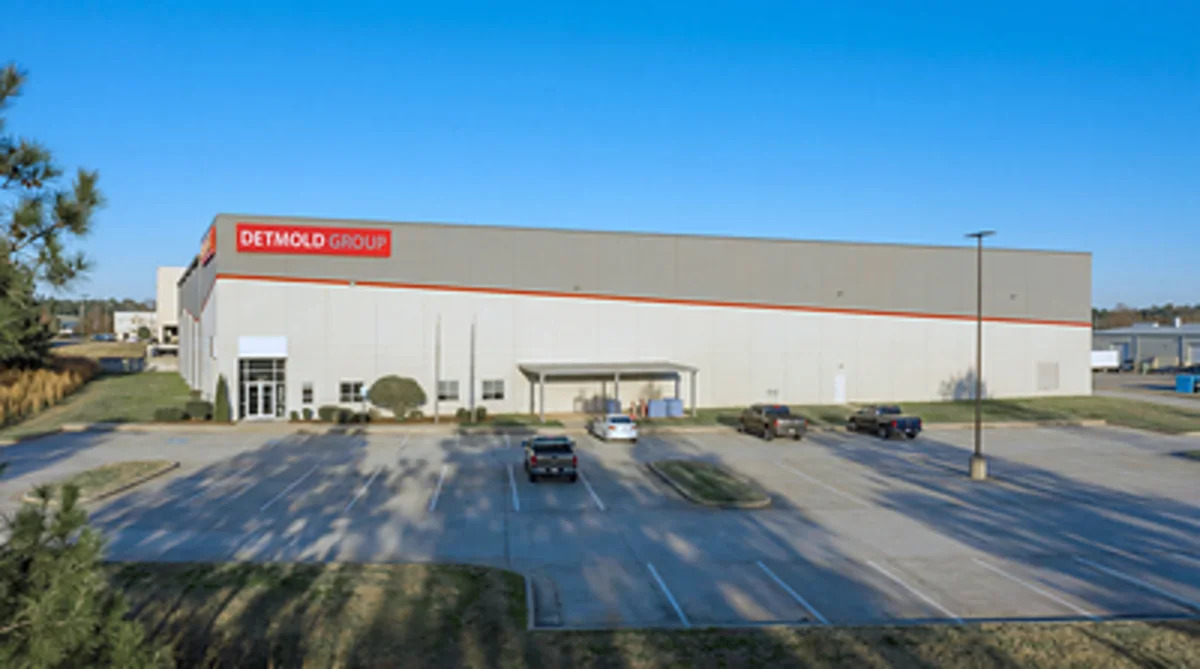
SPARTANBURG, S.C., July 20, 2026 /PRNewswire/ — Global packaging supplier Detpak today announced the opening of its new manufacturing facility in Spartanburg, South Carolina, strengthening its ability to support major Quick Service Restaurant (QSR) customers with locally produced, paper-based packaging solutions.

Detpak's new U.S. manufacturing facility in Spartanburg, South Carolina, strengthens local manufacturing capabilities and expands support for Quick Service Restaurant (QSR), foodservice, FMCG, and retail customers across North America. Learn more: https://www.detpak.com Detpak’s new U.S. manufacturing facility in Spartanburg, South Carolina, strengthens local manufacturing capabilities and expands support for Quick Service Restaurant (QSR), foodservice, FMCG, and retail customers across North America. Learn more: https://www.detpak.com

Detpak, a Detmold Group company headquartered in Australia, is a trusted packaging partner to some of the world’s largest and most recognizable QSR, foodservice, FMCG and retail brands, with experience supplying global customers such as McDonald’s, KFC, Starbucks, and Wendy’s. The company has supported customers in the United States for more than two decades, operates in 45 countries, and owns manufacturing facilities in eight countries.

The new US manufacturing facility marks a significant step in Detpak’s global expansion and reinforces its long-term commitment to the North American market. By combining its global expertise with local manufacturing capability, Detpak will be better positioned to support US customers with improved supply chain reliability, reduced lead times and greater operational flexibility.

“As we continue to grow our global footprint, opening our own manufacturing facility in the United States is a key milestone for our business,” CEO Sascha Detmold Cox said.

“It allows us to better support our customers with locally manufactured products and reinforces our commitment to the U.S. market where we have been supplying customers from our international plants for over 20 years. We’re focused on building long-term partnerships and delivering the same level of service, innovation and reliability that our customers experience globally.”

“We’re proud to be investing in the Spartanburg community and creating new employment opportunities in South Carolina.” Ms. Detmold Cox said.

Initially employing more than 50 people from the local community, the multi-million-dollar facility, spanning 175,000 square feet, is currently undergoing equipment commissioning, with full production commencing in August.

About Detpak and the Detmold Group

Wholly owned by the Detmold Group, Detpak designs, manufactures and supplies the Quick Service Restaurant (QSR), Fast-Moving Consumer Goods (FMCG), grocery and food services industry with world-class sustainable paper and cardboard packaging solutions. Detpak delivers a level of service and care that exceeds standards, with the understanding and operational integrity of a family-owned business. Many of the paper and board packaging products used in the fast-food industry, including from Starbucks, Uber Eats, Burger King and Krispy Kreme are supplied by Detpak.

Free Training

Source link

Bmw Group Has Opened Electric Vehicle And Battery Manufacturing Facilities In South Carolina


BMW Group has opened expanded vehicle and battery manufacturing facilities in Spartanburg and Woodruff, South Carolina. The company, which assembles BMW vehicles and produces BMW X models, invested $1.7 billion in its South Carolina operations and said its business activities in the U.S. support more than 120,000 jobs nationwide.

The investment included the expansion of Plant Spartanburg and the construction of Plant Woodruff, creating the foundation for assembling fully electric BMW vehicles in South Carolina. BMW confirmed that the BMW iX5 will be the first fully electric BMW assembled in the United States, with production scheduled to begin at Plant Spartanburg before the end of 2026.

Plant Spartanburg assembled 412,799 BMW X models in 2025, marking the seventh time the facility exceeded 400,000 units of annual production. Since 1994, the plant has assembled more than 7.3 million BMW vehicles, with approximately half of its current production exported to nearly 120 countries.

The new BMW X5 assembled at Plant Spartanburg will become the first vehicle offered with five drivetrain technologies, including internal combustion, battery electric, plug-in hybrid electric, diesel, and soon, fuel cell electric powered by hydrogen. Plant Spartanburg will also become the first facility in BMW Group’s global production network capable of assembling a single vehicle with five different drivetrain technologies on one assembly line.

BMW said the facilities implement the principles of its BMW iFACTORY production concept through smart automation, end-to-end data integration and virtual planning. The plants use digital twins and 3D virtual simulations to optimize processes, while artificial intelligence supports self-correcting robotics, vision-based quality controls, and the AIQX platform, which uses sensors and camera systems to automate quality processes and provide real-time feedback to employees.

Plant Spartanburg is also deploying humanoid robots from Figure AI to support workers in physically demanding and repetitive tasks. At Plant Woodruff, the company is implementing a “Cell-to-Pack” manufacturing approach that assembles battery cells directly into housings without cell coating and cell module production processes.

In a recent quote, Milan Nedeljković, chairman of the board of management, BMW AG, said, “When we announced our investment plans for South Carolina in 2022, we made a clear commitment to the future of the BMW Group in the United States. Today, we are delivering on that commitment. The completion of our investments in Plant Spartanburg and Plant Woodruff demonstrates our confidence in the United States and reinforces South Carolina’s role at the center of BMW Group’s global operations.”

In a recent quote, Dr. Robert Engelhorn, president & CEO, BMW Manufacturing Co., said, “From highly efficient combustion engines and plug-in hybrid systems to battery-electric and future hydrogen-powered vehicles, Plant Spartanburg will be able to assemble a broad range of drivetrain technologies for customers in the U.S. and around the world.”

AmbioPharm to spend $119 million on South Carolina expansionThe peptide manufacturer plans to hire for 202 new jobs at the site.

Red Metals to build new $70 million copper factory in South CarolinaThe company expects to make 45 new jobs there.

USA Rare Earth to build new $1.2 billion magnet plant in South CarolinaThe factory will produce neodymium-iron-boron magnets for use in electrolysis and industry.

Suniva to open new South Carolina solar cell factoryThe $350 million plant is expected to create 564 new jobs.

George Utz. Inc. to spend $40 million on new South Carolina factoryThe Sumter County site will be home to 50 new jobs.

Free Training

Source link

US warns South Korea and Taiwan of 100% tariffs if they refuse to invest in American manufacturing


Howard Lutnick. Photo: Bloomberg

U.S. Secretary of Commerce Howard Lutnick issued an ultimatum to leading global semiconductor manufacturers. During an event in New York State on Friday, January 16, 2026, he made it clear that access to the American market for Taiwanese and South Korean companies would depend on their willingness to build factories within the United States. This was reported by Bloomberg, writes UNN.

Details

The Trump administration plans to use tax pressure as the main incentive for relocating high-tech facilities. Lutnick emphasized that companies that ignore calls for investment will face a doubling of the cost of their products at the border.

Everyone who wants to create memory has two options: they can pay a 100% tariff or build in America. If they don’t build in America, the tariff will likely be 100%.

– stated Howard Lutnick.

Who is the pressure aimed at?

The warning primarily concerns the market leaders in memory chips and components for artificial intelligence:

  • Samsung Electronics and SK Hynix (South Korea);
  • TSMC and other leading Taiwanese firms.

This statement was made against the backdrop of the groundbreaking ceremony for a giant factory of the American company Micron Technology, which is already investing billions of dollars in the development of domestic production in New York.

New White House strategy

Although President Donald Trump has so far refrained from immediately imposing tariffs on semiconductors, the Department of Commerce is already conducting aggressive negotiations with partners. The administration’s goal is to radically reduce U.S. dependence on imports of critical technologies and restore the dominance of American industry. 

Free Training

Source link