Apple has announced a multi-year agreement worth more than $30 billion with longtime supplier Broadcom to design and produce custom silicon components and advanced wireless connectivity technologies entirely in the United States. This commitment will result in the production of more than 15 billion US-made chips and marks the largest single pledge under Apple’s American Manufacturing Program to date.
The deal includes a $1.5 billion expansion of Broadcom’s facility in Fort Collins, Colorado, focusing on advanced radio frequency components such as FBAR filters. It directly supports Apple’s goal of building an end-to-end silicon supply chain on American soil while creating hundreds of domestic jobs.
The Landmark Broadcom Agreement
Apple and Broadcom have collaborated for decades on components that power connectivity in iPhones, Macs, and other devices. The new agreement shifts a substantial portion of production to US facilities, moving beyond previous reliance on overseas manufacturing for these specialized parts.
Under the terms, Broadcom will supply custom chips for a wide range of Apple products through 2031. This volume represents a significant scale-up from prior arrangements and positions Broadcom as a key anchor in the domestic ecosystem.
Tim Cook highlighted the partnership’s role in American manufacturing and innovation, noting the components’ importance for performance and connectivity. Hock Tan of Broadcom emphasized the shared commitment to US-based innovation and the expansion of the Fort Collins footprint.
This agreement stands out as Apple’s largest US manufacturing commitment so far within its broader investment framework. It demonstrates how anchor customers like Apple can drive supplier investments in advanced fabrication capabilities.
Industry observers note that such deals help de-risk supply chains by localizing production of components previously sourced internationally. The scale of 15 billion chips underscores the depth of Apple’s bet on domestic capacity.
Understanding Apple’s American Manufacturing Program
Apple launched its American Manufacturing Program in 2025 as part of a $600 billion four-year US investment commitment. The program incentivizes suppliers to expand or establish manufacturing operations in the United States for components used in Apple products sold globally.
Initial partners included companies such as Corning, Coherent, GlobalWafers America, Applied Materials, Texas Instruments, Samsung, GlobalFoundries, Amkor, and Broadcom. Subsequent expansions added Bosch, Cirrus Logic, and TDK for sensors and integrated circuits.
Since its launch, the program has enabled Apple to source more than 20 billion US-made chips from 24 factories across 12 states. This momentum shows measurable progress toward reducing dependence on concentrated overseas production hubs.
The initiative also includes direct hiring plans, with Apple targeting 20,000 new US roles focused on R&D, silicon engineering, software development, and AI/machine learning. These positions complement the supplier-side job creation.
Participants benefit from Apple’s purchasing power and long-term contracts, which provide the revenue certainty needed for capital-intensive facility expansions. The program explicitly aims to create an end-to-end silicon supply chain within the country.
Expansion at Broadcom’s Fort Collins Facility
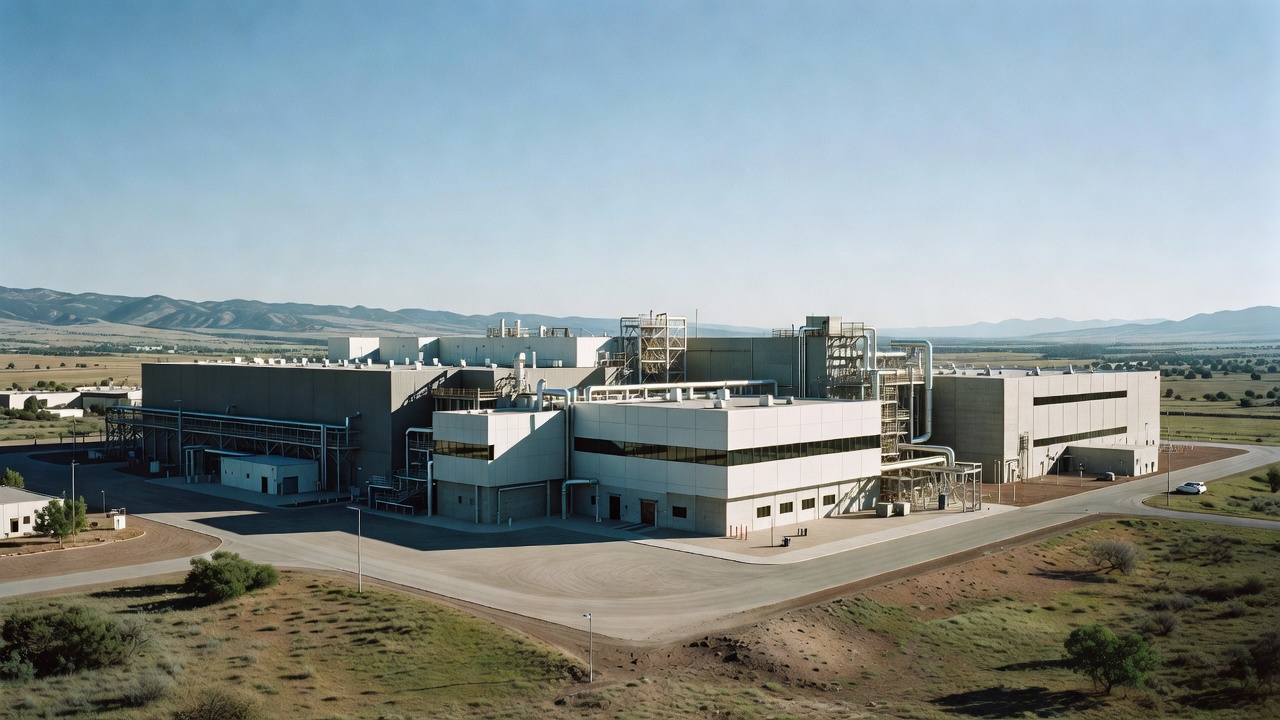
Broadcom’s existing site in Fort Collins, Colorado, will undergo a $1.5 billion modernization and expansion specifically tied to the Apple agreement. The investment targets production of advanced radio frequency components essential for wireless performance.
Key outputs include FBAR filters, which enable precise signal filtering in mobile devices, and other advanced wireless connectivity technologies. These parts support the high-speed, reliable connections required in modern smartphones and wearables.
The facility expansion will create hundreds of American jobs in manufacturing, engineering, and related roles. This localized production reduces lead times and transportation risks compared to overseas sourcing.
Fort Collins benefits from Colorado’s established semiconductor ecosystem and skilled workforce. The project aligns with state-level incentives that complement federal efforts to boost domestic chipmaking.
Modernization efforts likely incorporate updated cleanroom standards and process technologies to meet Apple’s quality and volume requirements. Such upgrades can improve yields and efficiency over time.
Apple’s Broader US Investment Strategy
The Broadcom deal forms one pillar of Apple’s $600 billion US commitment spanning manufacturing, job creation, and technology development. Additional elements include server production facilities and expanded R&D centers.
Apple has exceeded early targets by sourcing substantial volumes of US-made chips and components. This approach builds resilience against disruptions from geopolitical events or natural disasters affecting single regions.
Long-term contracts with suppliers like Broadcom provide stability that encourages further private investment in US capacity. The strategy extends beyond chips to materials, sensors, and packaging.
By anchoring demand, Apple helps attract talent and capital to the domestic semiconductor sector. This creates a virtuous cycle where increased production capacity attracts more customers and suppliers.
The overall program supports Apple’s product roadmap by securing access to components tailored for features like advanced connectivity and AI processing. Secure domestic sourcing becomes particularly valuable for sensitive technologies.
TSMC’s Arizona Fabs and Apple’s Chip Sourcing
Apple is also a major customer at TSMC’s Arizona facility, with plans to purchase well over 100 million advanced chips in 2026 alone. The first fab produces 4nm process chips, with additional fabs under construction for more advanced nodes.
TSMC Arizona represents a significant step in bringing leading-edge logic manufacturing to the US. Apple’s commitment as the largest customer there helps anchor the site’s viability and expansion.
Production from Arizona complements the Broadcom RF and wireless components. Together they illustrate progress toward a more complete domestic supply chain for Apple’s silicon needs.
Challenges remain, including the need for advanced packaging capabilities that are still largely located overseas. Plans for packaging facilities at the Arizona site aim to address this gap over time.
Apple’s diversified approach—pairing TSMC Arizona with Broadcom Colorado and other partners—reduces single-point dependencies. This multi-supplier model enhances overall resilience.
The Geopolitical Drivers Behind Reshoring
Global tensions, particularly around Taiwan and China, have accelerated efforts to diversify semiconductor supply chains. Apple’s moves reflect a strategic response to risks of disruption in concentrated production regions.
US policy, including the CHIPS and Science Act and administration priorities, provides incentives and pressure for domestic investment. Apple’s announcements align with these broader national goals.
Reshoring advanced components like wireless chips helps mitigate vulnerabilities in critical technologies. Policymakers view semiconductor self-sufficiency as essential for economic and national security.
Similar pushes appear in other countries, such as South Korea’s semiconductor initiatives. South Korea’s massive semiconductor push highlights parallel global efforts to secure domestic capacity.
Apple’s strategy balances commercial interests with geopolitical realities. Long-term contracts signal commitment that encourages suppliers to invest despite higher US operating costs.
Enhancing Supply Chain Resilience in the AI Era
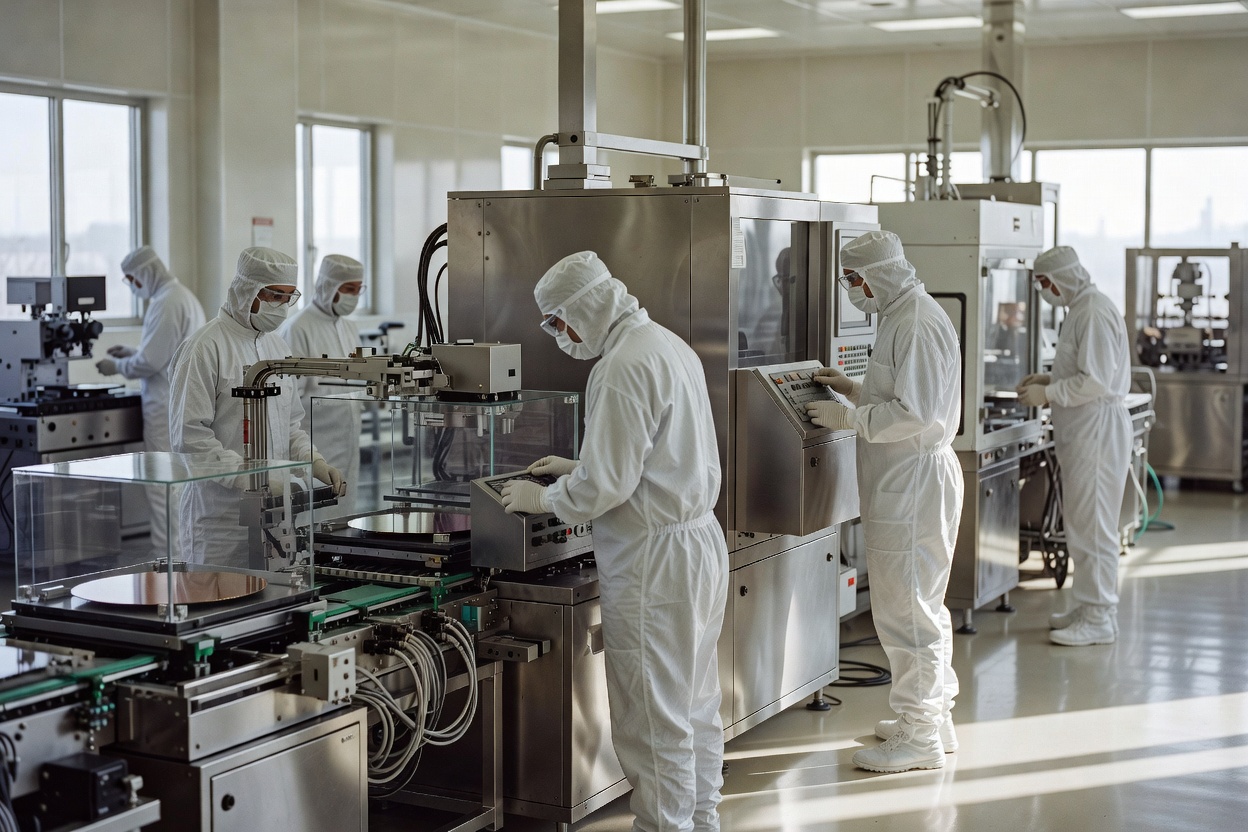
Explosive demand for AI hardware has intensified competition for advanced chips and components. Apple’s investments help ensure steady supply for its own AI-enabled devices and services.
Localized production of RF and connectivity chips reduces exposure to shipping delays, tariffs, or export controls. This matters for products requiring consistent high-volume availability.
The AI boom drives needs for specialized silicon, including custom accelerators and efficient wireless modules. US-based manufacturing supports faster iteration and customization.
Broader industry trends show Big Tech companies pursuing similar localization strategies. Secure supply chains become a competitive advantage in an era of rapid technological change.
Apple’s approach demonstrates how major purchasers can catalyze ecosystem development. By committing volume, the company makes US facilities economically viable for specialized production.
Economic Benefits: Jobs and Regional Development
The Broadcom expansion alone supports hundreds of new jobs in Colorado. Broader AMP efforts have already contributed to job growth across multiple states through supplier investments.
High-skill manufacturing and engineering roles in semiconductors offer strong wages and long-term career paths. These positions help revitalize regional economies with advanced industry clusters.
Apple’s direct hiring of 20,000 US employees focuses on innovation roles that complement manufacturing. Silicon engineering and AI development create high-value employment.
Indirect effects include demand for supporting services, training programs, and infrastructure. Semiconductor clusters often spur additional economic activity in surrounding areas.
Quantifiable impacts include the sourcing of over 20 billion US-made chips since the program’s start. This volume translates into sustained supplier revenues and workforce stability.
Technical Details: RF Components and Wireless Tech
FBAR filters represent a specialized technology for separating radio frequency signals with high precision. These components are critical for 5G/6G connectivity, Wi-Fi performance, and interference management in compact devices.
Advanced wireless connectivity technologies from the Fort Collins facility will support evolving standards in Apple’s product lineup. Integration with custom silicon enables optimized power efficiency and speed.
Producing these parts domestically allows tighter collaboration between Apple designers and Broadcom engineers. Proximity can accelerate development cycles for next-generation features.
The $1.5 billion investment likely funds updated equipment for higher throughput and yield improvements. Such upgrades are necessary to meet Apple’s rigorous quality standards at scale.
These components play a foundational role in device performance, often unseen by consumers but essential for reliability. Their US production strengthens the overall technology stack.
Challenges in Scaling US Semiconductor Production
US manufacturing costs remain higher than in established Asian hubs due to labor, energy, and regulatory factors. Long-term contracts help offset these differences but do not eliminate them entirely.
Building a complete ecosystem requires not only fabs but also materials suppliers, equipment makers, and packaging capabilities. Gaps persist in some upstream and downstream segments.
Talent shortages in specialized semiconductor engineering pose ongoing hurdles. Apple’s hiring plans and supplier expansions aim to address this through training and attraction programs.
Timelines for new facilities and process qualifications can span years. Rapid scaling to meet AI-driven demand requires sustained investment and policy support.
While progress is evident, full independence from global supply chains remains distant. Hybrid models combining domestic and international production will likely persist.
Lessons for Other Tech Companies
Apple’s model shows the power of large-scale, multi-year purchase commitments to drive supplier investments. Smaller firms can pursue similar strategies through consortia or government-backed initiatives.
Diversifying across multiple US locations and partners reduces risk compared to single-site reliance. The combination of TSMC Arizona and Broadcom Colorado illustrates this principle.
Engagement with federal and state incentive programs amplifies private capital. Companies evaluating reshoring should map available CHIPS Act funding and tax credits early.
Focus on high-value, specialized components yields quicker wins than attempting to replicate entire overseas ecosystems overnight. RF and wireless technologies represent one such targeted area.
Transparency in announcements, as seen with Apple’s news releases, builds stakeholder confidence and attracts further partnerships. Clear metrics like chip volumes and job numbers help track progress.
Future Implications for Global Supply Chains
Apple’s $30 billion commitment signals a lasting shift toward regionalized production for critical technologies. Other major tech firms are likely to follow with comparable announcements.
Over time, increased US capacity could influence global pricing, lead times, and innovation patterns. Domestic fabs may prioritize certain process nodes or component types.
Continued policy support will determine the pace of further expansion. Sustained incentives and trade frameworks that favor domestic sourcing will be key.
Consumers may eventually see more “Made in USA” labeling on components, though final assembly often remains international. The focus remains on securing the silicon foundation.
This trend contributes to a more distributed global semiconductor landscape, potentially improving overall system resilience against future shocks.
Practical Advice for Businesses Monitoring These Trends
Supply chain professionals should track Apple and peer announcements for signals on capacity availability and pricing trends. Early engagement with new US suppliers can secure allocations.
Companies reliant on wireless or RF components may explore partnerships with Broadcom or similar domestic players. Long-term contracts similar to Apple’s can provide stability.
Monitor TSMC Arizona output and packaging developments for opportunities in advanced logic chips. Diversification across US and allied-nation sources reduces exposure.
Invest in workforce development programs to build internal expertise in semiconductor-adjacent skills. Talent pipelines will be critical as capacity grows.
Evaluate total cost of ownership, including resilience benefits, when comparing domestic versus offshore sourcing options. Short-term premiums may deliver long-term risk mitigation.
Conclusion

Apple’s $30 billion Broadcom agreement represents a concrete advancement in US semiconductor localization. Combined with TSMC Arizona sourcing and the wider American Manufacturing Program, it builds meaningful domestic capacity for critical components.
While challenges around costs, talent, and ecosystem completeness remain, the scale of commitments demonstrates feasibility. The AI era’s demand pressures make such investments strategically timely.
Businesses across tech and manufacturing can draw lessons on using purchasing power to shape supply chains. Continued momentum will depend on sustained private and public sector alignment.
This development strengthens America’s position in a vital industry and offers a model for secure, resilient production in an interconnected world.

Source link






 Reshoring decisions respond better to cost competitiveness and predictability than to trade barriers and uncertainty.

 (Photo: Adobe Stock / Chopang Studio)
 (Image: Adobe Stock / Foxeel)