


Alvotech Wins FDA Approval to Expand U.S. Manufacturing Capacity for SIMLANDI at Reykjavik Facility
Approval enables AVT02 drug substance for U.S. commercial supply to be manufactured in either of Alvotech’s two Reykjavik drug substance suites
Further confirms resolution of FDA inspection-related matters at the Reykjavik site
REYKJAVIK, Iceland (October 5, 2026)
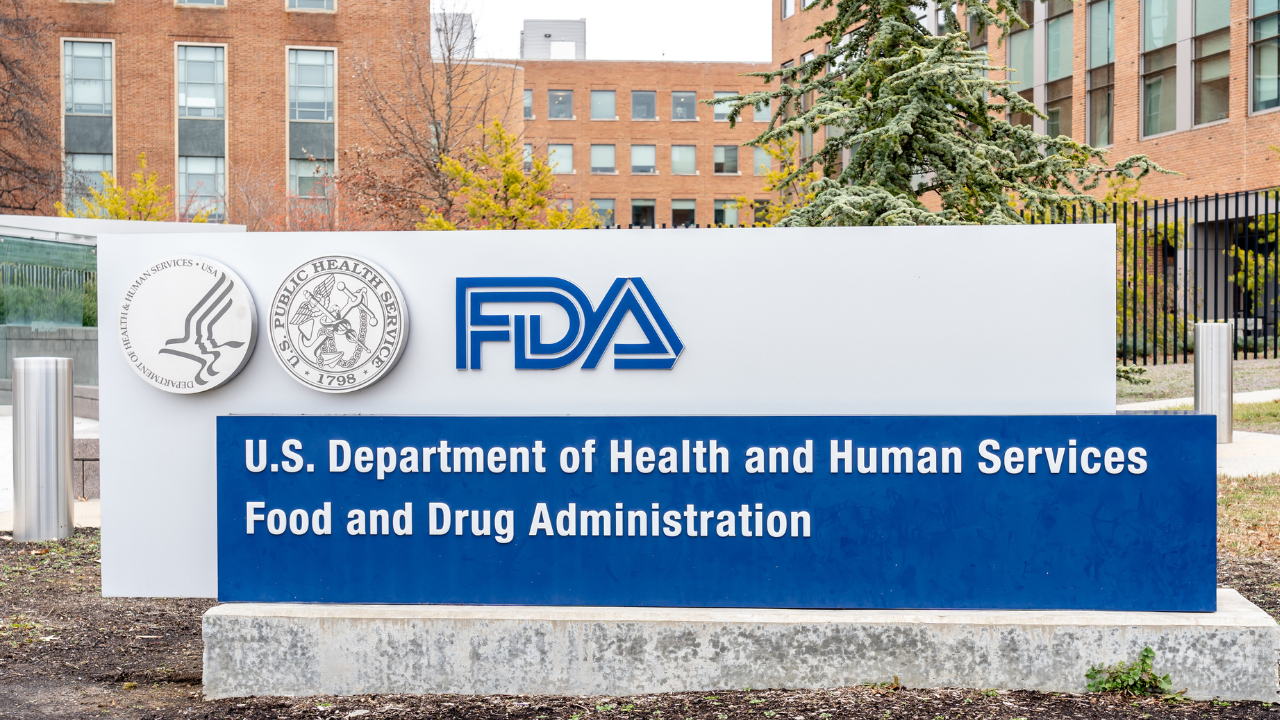
– Alvotech (NASDAQ: ALVO; ALVO-SDB), a global biotechnology company specializing in the development and manufacture of biosimilar medicines for patients worldwide, today announced that the U.S. Food and Drug Administration (FDA) has approved a supplement to the Biologics License Application (BLA) for AVT02 (adalimumab-ryvk), marketed in the U.S. as SIMLANDI®, enabling drug substance for the product to be manufactured in a second production suite at the company’s Reykjavik facility. This approval further confirms resolution of inspection-related matters at the Reykjavik site.
“This approval is important both operationally and as a further regulatory milestone for our Reykjavik facility,” said Lisa Graver, Chief Executive Officer of Alvotech. “The addition of DSM2 effectively doubles the drug substance manufacturing capacity available to support U.S. supply and provides greater flexibility for commercial supply of AVT02 to the U.S. market. It also reflects the significant progress our teams have made in strengthening quality systems and manufacturing operations at the site.”
The second suite, DSM2, supports the complete drug substance manufacturing process, including cell culture and purification, and doubles Alvotech’s manufacturing capacity available to support U.S. supply. DSM2 is already approved for the manufacture of commercial drug substance for European markets, including for AVT02, AVT03, and AVT05. Following the FDA approval, Alvotech can now manufacture AVT02 drug substance for U.S. commercial supply in either DSM1 or DSM2, providing additional capacity and greater flexibility across its manufacturing operations.
The approval follows the FDA’s July 2026 closure of its most recent inspection of the Reykjavik facility with a Voluntary Action Indicated (VAI) classification. Alvotech therefore expects the FDA to be able to take action on other pending applications associated with the facility according to their respective goal dates. These include BLAs for AVT05, Alvotech’s proposed biosimilar to Simponi® and Simponi Aria® (golimumab), AVT06, Alvotech’s proposed biosimilar to Eylea® (aflibercept), AVT03, Alvotech’s proposed biosimilar to Prolia® and Xgeva® (denosumab) and AVT16/AVT80, Alvotech’s proposed biosimilars to Entyvio® (vedolizumab). Each application remains subject to the FDA’s individual review and regulatory decision.
About AVT02 / SIMLANDI® (adalimumab-ryvk)
AVT02 is a monoclonal antibody approved as a biosimilar to Humira® (adalimumab) in more than 50 countries globally, including the United States, Europe, Canada and Australia. It is currently marketed in the U.S. as SIMLANDI® and under private label, in Europe as HUKYNDRA®, in Canada as SIMLANDI® and in Australia as ADALACIP®. Teva Pharmaceuticals is Alvotech’s strategic partner for the exclusive commercialization of SIMLANDI® in the United States, while Alvotech is responsible for development and manufacturing.
For further information, contact:
Media
Benedikt Stefansson
Sarah MacLeod
[email protected]
Investors
Dr. Balaji V Prasad
Benedikt Stefansson
Mikaela Vilchez
[email protected]
About Alvotech
Alvotech is a biotechnology company, founded by Robert Wessman, focused solely on the development and manufacture of biosimilar medicines for patients worldwide. Alvotech seeks to be a global leader in the biosimilar space by delivering high-quality, cost-effective products and services, enabled by a fully integrated approach and broad in-house capabilities. Five biosimilars are already approved and marketed in multiple global markets, including biosimilars to Humira® (adalimumab), Stelara® (ustekinumab), Simponi® (golimumab), Eylea® (aflibercept) and Prolia®/Xgeva® (denosumab). The current development pipeline includes disclosed biosimilar candidates aimed at treating autoimmune disorders, eye disorders, and cancer. Alvotech has formed a network of strategic commercial partnerships to provide global reach and leverage local expertise in markets that include the United States, Europe, Japan, China, and other Asian countries and large parts of South America, Africa and the Middle East. For more information, please visit https://www.alvotech.com. None of the information on the Alvotech website shall be deemed part of this press release.
For more information, please visit our
website
or follow us on social media on
LinkedIn
,
Facebook
,
Instagram
, and
YouTube
.
Use of trademarks
Third party trademarks are the property of their respective owners.
Forward Looking Statements
Certain statements in this communication may be considered “forward-looking statements” within the meaning of the Private Securities Litigation Reform Act of 1995, as amended. Forward-looking statements include, for example, Alvotech’s expectations regarding competitive advantages, business prospects and opportunities including pipeline product development, future plans and intentions, regulatory submissions, review and interactions, the potential approval and commercial launch of its product candidates, the timing of regulatory approval, market launches and financial projections. Such forward-looking statements are subject to risks, uncertainties, and other factors which could cause actual results to differ materially from those expressed or implied by such forward-looking statements. These forward-looking statements are based upon estimates and assumptions that, while considered reasonable by Alvotech and its management, are inherently uncertain and are inherently subject to risks, variability, and contingencies, many of which are beyond Alvotech’s control. Factors that may cause actual results to differ materially from current expectations include, but are not limited to factors set forth in the sections entitled “Risk Factors” and “Cautionary Note Regarding Forward-Looking Statements” in documents that Alvotech may from time-to-time file or furnish with the SEC. There may be additional risks that Alvotech does not presently know or that Alvotech currently believes are immaterial that could also cause actual results to differ from those contained in the forward-looking statements. These forward-looking statements are provided for illustrative purposes only and are not intended to serve as, and must not be relied on by an investor as, a guarantee, assurance, prediction or definitive statement of a fact or probability. Alvotech does not undertake any duty to update these forward-looking statements or to inform the recipient of any matters of which any of them becomes aware of which may affect any matter referred to in this communication. Alvotech disclaims any and all liability for any loss or damage (whether foreseeable or not) suffered or incurred by any person or entity as a result of anything contained or omitted from this communication and such liability is expressly disclaimed.