
China mulls US manufacturing fund ahead of Xi-Trump summit, business leader says


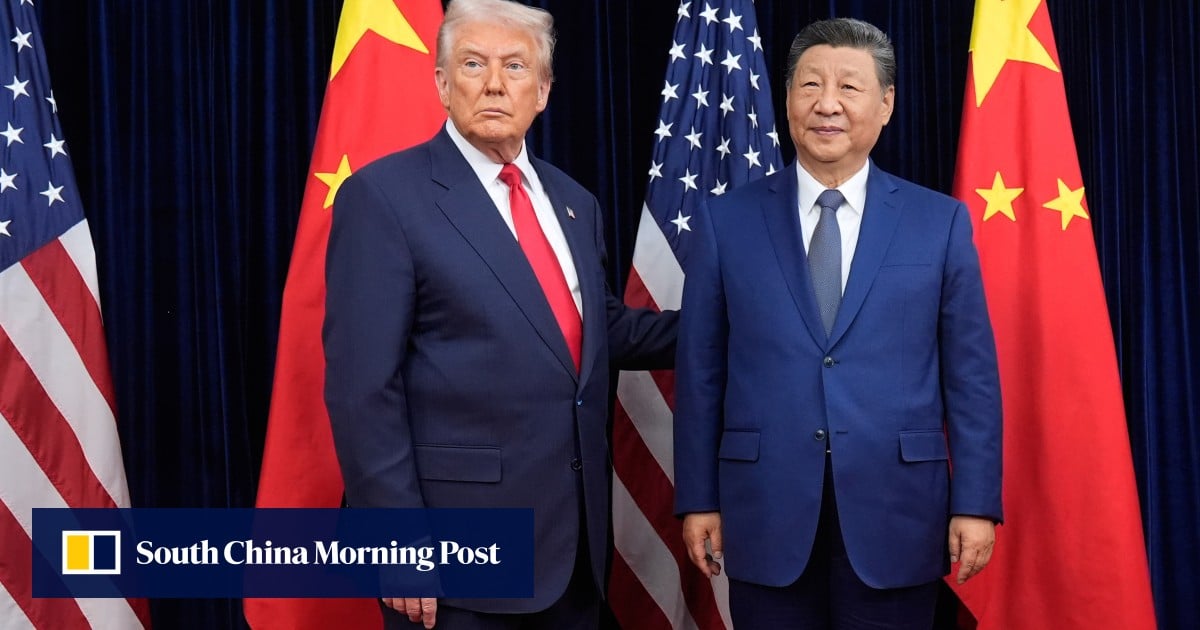
China and the US are likely to secure several “very positive” outcomes but not a “grand bargain” at their presidential summit in April, according to the board chief of a major American business lobby.

James Zimmerman, chairman of the American Chamber of Commerce in China, said on Friday that “the optics [of] announcing deals” such as aircraft and soybean sales might be US President Donald Trump’s main objective for his meeting with Chinese counterpart Xi Jinping in Beijing this spring.

Speaking at an event at the Lowy Institute think tank in Sydney, the Beijing-based lawyer said another issue “still out there” was for China to invest in manufacturing in the United States. He added that China had shown receptiveness to such proposals but would require “protection” in return.

“Apparently there is a discussion about the possibility of Beijing setting up a fund to encourage Chinese investors to make manufacturing investment in the US, and similar to that encouraged of Japan, Taiwan and South Korea,” Zimmerman said.

“You won’t see a grand bargain worked out at the April meeting, but you may see certain deliverables that are very positive,” he said during the talk, adding that the pressure of the US midterm elections in November could contribute to Trump’s eagerness for those outcomes.

His comments came a day after China confirmed that discussions were under way about Trump’s visit.

Free Training

Source link

U.S. grants TSMC annual licence to import U.S. chipmaking tools into China


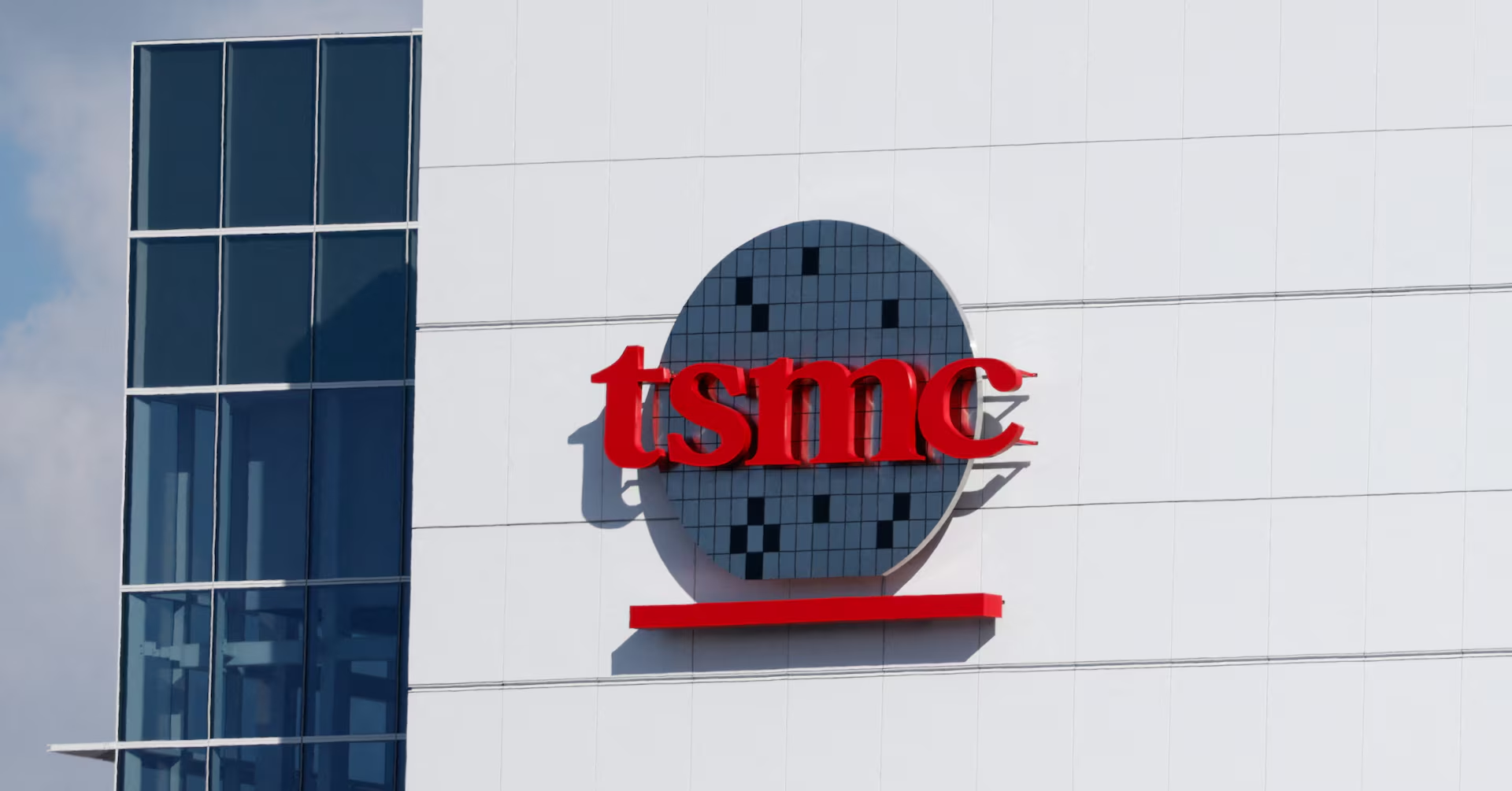
SEOUL, Jan 1 (Reuters) – The U.S. government has granted an annual licence to Taiwan Semiconductor Manufacturing (2330.TW), opens new tab to import U.S. chip manufacturing equipment to its facilities in Nanjing, China, the chipmaker said on Thursday.

The approval “ensures uninterrupted fab operations and product deliveries,” the company said in a statement to Reuters.

Sign up here.

South Korea’s Samsung Electronics and SK Hynix (000660.KS), opens new tab have also received similar import licences.

Previously, the Asian companies had benefited from exemptions from Washington’s sweeping restrictions on chip-related exports to China, part of U.S. efforts to try to stay ahead of China in technological development.

But those privileges – known as validated end-user status – expired on December 31 and the companies had to seek U.S. export licences instead for 2026.

“The U.S. Department of Commerce has granted TSMC Nanjing an annual export license that allows U.S. export-controlled items to be supplied to TSMC Nanjing without the need for individual vendor licenses,” TSMC said in its statement.

It added the licence “ensures uninterrupted fab operations and product deliveries”.

The Nanjing plant makes 16-nanometre and other mature node chips – not TSMC’s most-advanced semiconductors. TSMC also has a chipmaking plant in Shanghai.

In its 2024 annual report, TSMC said its Nanjing site generated about 2.4% of overall revenue.

Reporting by Hyunjoo Jin and Wen-Yee Lee; Editing by Chizu Nomiyama, Rod Nickel, Neil Fullick

Our Standards: The Thomson Reuters Trust Principles., opens new tab

Purchase Licensing Rights

Free Training

Source link