Japan’s $36 Billion U.S. Investments: A New Era in Energy and Manufacturing


In a major economic development, President Donald Trump’s administration has unveiled three significant projects totaling $36 billion, all financed by Japan. These ventures mark the first wave of investments under Japan’s $550 billion commitment to the United States as part of a trade agreement that reduced tariffs on Japanese imports to 15%.

Among the projects is a $2.1 billion deepwater crude oil export facility in Texas, expected to generate up to $30 billion annually in exports. An $800 million industrial diamonds plant is set for Georgia, aimed at meeting the entire U.S. demand for synthetic diamond grit used in advanced manufacturing. The centerpiece, however, is a $33 billion natural gas-fired power plant in Ohio, slated to become the world’s largest of its kind by capacity.

The announcement follows recent discussions between U.S. Secretary of Commerce Howard Lutnick and Japan’s economic minister, Ryosei Akazawa. While the projects promise significant benefits, key issues, including financial specifics and tariff implications, remain under negotiation as both nations navigate this landmark collaboration.

(With inputs from agencies.)

Free Training

Source link

Trump’s Attack on Green Energy Hits Manufacturing Sector Hard


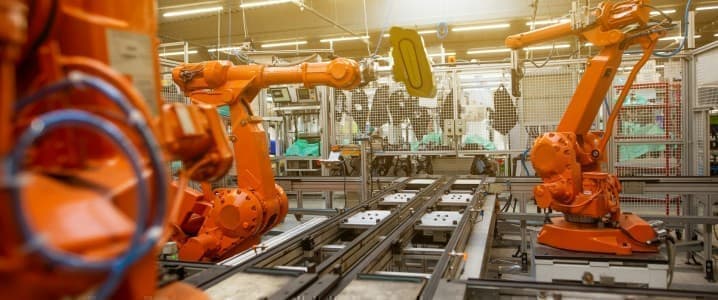
United States President Donald Trump has repeatedly pledged to ramp up the country’s manufacturing capacity and create more American jobs across a wide range of industries. While Trump has supported the expansion of certain industries, he has hindered the operation of others. In recent months, Trump has attacked green energy, using executive orders and new policies to restrict renewable energy development and cleantech manufacturing. This has resulted in sectoral stagnation, as investors grow more uncertain about the future of the industry.

In 2024, during the presidential campaign, Trump stated that the new American industrialism “will create millions and millions of jobs, massively raise wages for American workers, and make the United States into a manufacturing powerhouse like it used to be many years ago.”

Upon entering office in January last year, Trump pledged to expand fossil fuel production and boost U.S. manufacturing. “The inflation crisis was caused by massive overspending and escalating energy prices, and that is why today I will also declare a national energy emergency. We will drill, baby, drill,” stated Trump.

Set OilPrice.com as a preferred source in Google here.

“America will be a manufacturing nation once again, and we have something that no other manufacturing nation will ever have – the largest amount of oil and gas of any country on Earth – and we are going to use it,” the president added. He later described “tariffs” as his favourite word, and said the introduction of tariffs on foreign imports was key to bringing manufacturing back to the U.S.

These pledges have not been achieved. Employment in the manufacturing sector remained relatively flat during the first few months of Trump’s presidency, before falling for eight months straight. In addition, wage growth for non-managerial factory workers slowed in 2025. While Trump supporters say it will take time to see the positive impact of his trade policies, critics suggest that investment in factory construction has also fallen in recent months, which makes mid-term growth unlikely.

While manufacturing in general has suffered in recent months, green manufacturing has fared even worse. Under former President Biden, the U.S. witnessed significant growth in cleantech manufacturing. Years of increased investment in battery, electric vehicle (EV), solar panel, and other cleantech manufacturing, supported by funding from the Inflation Reduction Act (IRA), led to rapid industry expansion in this sector.

The IRA drove an estimated $100 billion in cleantech manufacturing commitments through incentives for consumers and manufacturers. This led to the creation of thousands of jobs in the sector and a strong cleantech project pipeline, which encouraged investors to support long-term sectoral growth. This was reflected in the expansion of cleantech manufacturing in states across the political spectrum, including traditional oil and gas-producing regions. 

However, since becoming president, Trump has sought to stall IRA progress and shift the focus to fossil fuel expansion. He has done this by halting wind energy developments, encouraging consumers to continue investing in gas-guzzling cars instead of EVs, and introducing numerous, far-reaching executive orders targeting renewable energy. In 2025, Trump placed stipulations on incentives for manufacturing facilities and cut several of the tax credits that helped grow demand for U.S.-produced cleantech.

Companies spent a total of around $41.9 billion on cleantech manufacturing factories in 2025, marking a significant reduction from the $50.3 billion investment made in 2024, according to data from the Clean Investment Monitor. Further, fewer businesses are making plans to invest in cleantech, due to the growing investor uncertainty of the last year. Although companies in the U.S. announced $24.1 billion in new cleantech manufacturing projects, $22.7 billion worth of cleantech projects were cancelled.

For example, in 2025, the Singapore-based solar panel producer Bila Solar halted plans to double capacity at its Indianapolis facility. Canada’s Heliene announced it was assessing plans for its Minnesota solar cell plant. Norway’s solar wafer producer, NorSun, also halted development to assess whether to move forward with a planned facility in Tulsa, Oklahoma. And two offshore wind farms in the northeast of the country faced the risk of not being completed due to opposition from the Trump administration.

The factory cancellations have resulted in the loss of thousands of jobs. At least 10,000 green energy manufacturing jobs were lost last year, out of a total of 72,000 manufacturing jobs lost in 2025, according to U.S. government figures. The job cuts were industry-wide, from EV production to solar panel manufacturing, and everything in between.

This may be just the beginning of the downfall of U.S. green energy manufacturing, as the Trump administration continues to revise, restructure, and cancel billions of Biden-era funding commitments for U.S. renewable energy and cleantech projects, in favour of expanding fossil fuels. In January, the U.S. Department of Energy announced that the Office of Energy Dominance Financing is restructuring, revising, or eliminating over $83 billion in what it termed “Green New Scam” loans and conditional commitments from the Biden-era loan portfolio.  

By Felicity Bradstock for Oilprice.com

More Top Reads From Oilprice.com

Free Training

Source link

Siemens Energy to Invest $1 Billion in U.S. Manufacturing, Add 1,500 Jobs


Siemens Energy plans to invest $1 billion to expand U.S. manufacturing capacity for grid equipment and gas turbines, adding more than 1,500 jobs as power demand accelerates from data centers, AI infrastructure and electrification.

(P&GJ) — Siemens Energy has finalized plans to invest $1 billion to expand manufacturing operations across the United States, a move that will create more than 1,500 highly skilled jobs as electricity demand rises sharply due to data centers, artificial intelligence infrastructure and industrial electrification.

The investment builds on plans outlined at the company’s Capital Market Day in Charlotte, North Carolina, last November and includes a mix of brownfield expansions and one greenfield project. Siemens Energy said the program will increase domestic production of grid equipment, transformers and large gas turbines, while strengthening U.S.-based manufacturing capacity to meet growing demand.

As part of the expansion, Siemens Energy will construct a new high-voltage switchgear manufacturing facility in Mississippi and expand transformer production, gas turbine manufacturing and grid technology operations in several states. The company said the approach allows it to use manufacturing capacity efficiently while supporting long-term market growth.

“Siemens Energy has been making things in the United States for more than a century and we are experiencing a once-in-a-generation growth opportunity due to the resurgence of U.S. manufacturing and the growth of artificial intelligence,” said Christian Bruch, CEO and President of Siemens Energy. “The current policy environment has contributed to this momentum. The Trump Administration has made energy security, a reliable and resilient grid, and growing U.S. manufacturing jobs a priority. This has supercharged the energy demand which is supporting new investments across the energy sector. We are excited to help write this next chapter of American energy expansion.”

The expansion is expected to add more than 1,500 roles across manufacturing, engineering and operations. Siemens Energy said it will also expand apprenticeship programs and training initiatives to support workforce development across the energy industry.

“This tremendous investment in a critical part of our power grid supply chain underscores President Trump’s success in expanding supply chain access and bringing major manufacturing back to America,” said U.S. Interior Secretary Doug Burgum. “We appreciate great partners like Siemens Energy, who proactively partner with the Trump administration for the benefit of the American people, prioritizing critical components to make the United States Energy Dominant!”

Planned Site Investments

Siemens Energy said the investment will be spread across multiple states:

  • Mississippi (Greater Richland area): Construction of a new high-voltage switchgear plant, including a training center, with plans to hire up to 300 employees.

  • North Carolina (Charlotte, Winston-Salem and Raleigh): Expanded transformer manufacturing and servicing, resumption of gas turbine manufacturing in Charlotte, turbine component production in Winston-Salem, and expanded grid technology, engineering and R&D operations in Raleigh. About 500 jobs are expected across the state.

  • Florida (Orlando and Tampa): Expansion of turbine blade and vane manufacturing in Tampa and upgrades to research and development capabilities in Orlando, including an artificial intelligence digital grid technologies laboratory with NVIDIA. The company will also relocate and modernize its regional headquarters in Orlando.

  • Alabama (Fort Payne): Expanded production of copper and insulation components for generators, creating about 120 jobs.

  • New York (Painted Post) and Texas (Houston): Facility upgrades supporting the manufacture and servicing of compression equipment used to transport gas and liquids through pipelines.

Siemens Energy said the U.S. remains a core market for the company, accounting for nearly 29% of global order volume last fiscal year. The company currently employs more than 12,000 people across 25 U.S. facilities and works with nearly 5,000 domestic suppliers.

Free Training

Source link

Siemens Energy to add 120 jobs in Fort Payne as part of $1 billion U.S. manufacturing investment


Siemens Energy plans to add 120 advanced manufacturing jobs at its Fort Payne facility as part of a more than $1 billion U.S. investment initiative, according to a joint announcement from the DeKalb County Economic Development Authority and the City of Fort Payne.

The expansion will increase production capacity at the longtime Northeast Alabama plant and is expected to strengthen the region’s role in energy-sector manufacturing.

The Fort Payne facility, which opened in 1988, currently employs about 250 workers. Officials said the added positions will support expanded production of copper and insulated electrical components used in power-generation equipment. The growth is expected to position Siemens Energy among DeKalb County’s five largest manufacturing employers based on current employment levels.

Siemens Energy President of North America Matt Neal said the company’s technology already plays a major role in U.S. power generation and demand is rising.

“Twenty-five percent of the power generated in the United States relies on Siemens Energy technology and that process starts here in Alabama. We need more electricity to fuel our daily lives and our growing economy and that has increased demand for our equipment. Throughout the country we are expanding manufacturing and hiring more workers and doing so in places like Fort Payne where we already have a great workforce, a robust pipeline of talent, and strong partnerships with the community,” Neal said.

Alabama Commerce Secretary Ellen McNair said the expansion reflects confidence in the state’s workforce and business climate.

“Siemens Energy’s expansion in Fort Payne is a tremendous vote of confidence in the highly skilled local workforce and underscores the strong community partnerships with business in our state,” McNair said. “We are excited to watch this new phase of growth unfold and stand ready to help the company achieve its future strategic goals and innovations.”

Brett Johnson, Executive Director of the DeKalb County Economic Development Authority, said the project strengthens the county’s industrial base.

“Existing industries like Siemens Energy are the backbone of DeKalb County’s growing economy,” Johnson said. “As a major employer, Siemens Energy’s continued reinvestment creates long-term stability, higher-wage jobs, and sustained economic growth for our communities. The work being done at the Siemens Energy manufacturing plant in Fort Payne is literally helping generate reliable power around the globe, and that is the kind of work we can all be proud to say is made right here in DeKalb County, Alabama.”

Fort Payne Mayor Brian Baine said the additional jobs will have a regional ripple effect.

“These are the kinds of high-quality, advanced manufacturing jobs that strengthen families and elevate our workforce,” Baine said. “This manufacturing investment will transform the trajectories of 120 families across our region and create a wider ripple effect throughout our local economy. Investments like these create new opportunities for small businesses, workforce development, and our entire community. We welcome this investment and stand ready to support Siemens Energy throughout the process.”

Bryan Wilkin, Siemens Energy’s Director of Operations in Fort Payne, said the company plans to grow both its workforce and its community involvement.

“Siemens Energy is buzzing with excitement as we announce significant growth and investment in our Fort Payne factory. This expansion not only marks a milestone in our company’s journey but also brings a wave of new job opportunities to the area. We are thrilled to share that we will be hiring a substantial number of new employees, which will undoubtedly have a positive impact on our local economy and provide stability for many families. Our current employees can also rest assured that their positions remain stable and secure as we recognize and appreciate their continued hard work and dedication. In addition to these exciting developments, we are proud of our ongoing involvement in community initiatives. Our factory remains dedicated to supporting local events, charities, and projects that benefit the well-being of our neighbors. As we move forward with these plans, we invite the community to join us in celebrating this new chapter together,” Wilkin said.

Siemens Energy became an independent energy technology company after being spun off from Siemens AG in 2020 and operates more than two dozen facilities across the United States, including multiple manufacturing sites.

With the planned hiring and production increase, local leaders say the Fort Payne expansion adds to growing momentum for advanced manufacturing across Northeast Alabama.

Sherri Blevins is a reporter for 256 Today.

Free Training

Source link

Siemens Energy to invest $1bn in the US


Siemens Energy has confirmed it will invest $1bn expanding its manufacturing facilities and workforce in the US.

The commitment, drawn up at its Capital Market Day in Charlotte in November, comes as the US is experiencing an unparalleled surge in electricity demand, driven by the growth in data centres and AI.

Meeting this growth requires the accelerated deployment of modern, resilient grid infrastructure and a substantial increase in power‑generation capacity.

The program will include several brownfield expansions, increasing transformer production and servicing plus strengthening the manufacturing of large gas turbines on American soil.

It also includes construction of a new factory in Mississippi that will build essential grid components. With that approach, Siemens Energy is pursuing a strategy of targeted expansion to ensure the efficient use of manufacturing capacity to meet market demand.

Siemens Energy expects to create more than 1,500 highly skilled roles in manufacturing, operations and engineering to help deliver more power to more people throughout the country.

Christian Bruch, CEO and President of Siemens Energy, said it has been present in the US for more than a century and experiencing a once-in-a-generation growth opportunity due to the resurgence of US manufacturing and the growth of artificial intelligence.

“The current policy environment has contributed to this momentum,” he said. “The Trump Administration has made energy security, a reliable and resilient grid, and growing US manufacturing jobs a priority. This has supercharged the energy demand which is supporting new investments across the energy sector.”

The company plans to resume gas turbine manufacturing in Charlotte, produce gas turbine parts in Winston-Salem, and expanding grid technology project execution, engineering and sales alongside research and development in Raleigh.

In New York (Painted Post) and Texas (Houston) it will upgrade facilities that manufacture and service compression equipment used to move gas and liquids through pipelines.

Free Training

Source link

KULR Technology Group Awarded 5-year Preferred Battery Supply Agreement from Caban Energy; Expands U.S. Manufacturing Footprint


HOUSTON, Jan. 14, 2026 (GLOBE NEWSWIRE) — KULR Technology Group, Inc. (NYSE American: KULR) (the “Company” or “KULR”), an energy-systems platform company that enables the safe, certifiable deployment of ultra-high-power lithium battery systems for space and defense programs, hyperscale AI data centers, and telecom infrastructure OEMs, today announced it was awarded a five‑year preferred battery supply agreement from Caban Energy (“Caban”), a Miami-based renewable energy services and technology company delivering flexible solutions for critical infrastructure. The agreement, generating an estimated $30 million in total revenue to KULR starting 2026, further reinforces KULR’s strategy to deliver mission‑critical energy‑storage technologies across digital infrastructure, communications, aerospace, and defense markets, while expanding U.S.‑based manufacturing capacity to support growing customer demand.

No Image

KULR’s expansion into lithium-based battery solutions for digital infrastructure and telecommunications underscores the increasingly central role of advanced energy storage in ensuring continuous, mission-critical network operations. In telecom environments, batteries serve as the primary line of defense against grid interruptions – preserving network availability, minimizing service outages, and sustaining communications during emergency conditions as expectations for uptime and resilience continue to rise. By integrating telecom-focused battery solutions into its portfolio, KULR is aligning its technology platform with the evolving requirements of digital infrastructure operators who require reliable, high-performance backup power to support 5G rollouts and long-term network scalability.

As part of the agreement, the Company took over Caban’s Plano, Texas‑based manufacturing assets, strengthening KULR’s domestic production footprint and accelerating its expansion into communications, fiber, and data‑center energy‑storage markets across the United States.

Get the latest news


delivered to your inbox

Sign up for The Manila Times newsletters

By signing up with an email address, I acknowledge that I have read and agree to the Terms of Service and Privacy Policy.

“This supplier award and the addition of manufacturing assets are timely and important steps as we continue to scale into fast‑growing global markets,” said Michael Mo, Chief Executive Officer of KULR Technology Group. “By centralizing and integrating these capabilities into our U.S. manufacturing operations, we expect to increase development and production throughput and deliver high‑reliability energy systems at the scale required by our customers.”

Caban focuses on decarbonizing energy for critical infrastructure, including telecommunications networks and other mission‑critical facilities. A core component of Caban’s commercial model is Energy‑as‑a‑Service (EaaS), through which the company installs, operates, and owns renewable energy infrastructure while customers pay a predictable monthly fee without upfront capital expenditure. Caban’s EaaS offerings are designed to lower operating costs, reduce carbon footprint, eliminate risk exposure, and improve the reliability and predictability of energy supply. The company has experienced strong momentum in recent years, forging key partnerships and securing long-term contracts with some of the largest telecommunications companies in the world, including a new project with Digicel announced earlier this year. Its solutions have been successfully deployed across 12 countries, enabling businesses to enhance their energy resilience while meeting ambitious sustainability goals.

About KULR Technology Group, Inc.

KULR Technology Group, Inc. (NYSE American: KULR) is an energy-management and reliability platform company delivering certifiable battery safety, vibration-mitigation, and thermal control solutions that enable ultra-high-power lithium-ion systems and sensitive electronics to operate reliably across space and defense missions, hyperscale AI data centers, telecom infrastructure and mobility applications.

About Caban

Caban, founded in 2018, set out to tackle the challenge of decarbonizing one of the most fossil fuel-dependent industries. Initially focused on providing alternative energy solutions for the telecommunications industry in the Americas, the company has demonstrated success in supplying energy to several of the world’s largest telecom operators. Building on this momentum, Caban has scaled globally and expanded its reach to support clean energy needs across critical infrastructure sectors worldwide. Caban uniquely combines service, hardware, software, and finance tools to deliver reliable, clean power and boosts your bottom line. This turnkey approach allows clients to work directly with one trusted partner to achieve reliability and decarbonization across their operations.

For more information, visit www.cabanenergy.com.

Find KULR: Website | X | Telegram | LinkedIn | Instagram | TikTok | Facebook

Safe Harbor Statement

This release contains certain forward-looking statements based on our current expectations, forecasts and assumptions that involve risks and uncertainties. Forward-looking statements in this release are based on information available to us as of the date hereof. Our actual results may differ materially from those stated or implied in such forward-looking statements, due to risks and uncertainties associated with our business, which include the risk factors disclosed in our Form 10-K filed with the Securities and Exchange Commission on March 31, 2025, as may be amended or supplemented by other reports we file with the Securities and Exchange Commission from time to time. Forward-looking statements include statements regarding our expectations, beliefs, intentions, or strategies regarding the future and can be identified by forward-looking words such as “anticipate,” “believe,” “could,” “estimate,” “expect,” “intend,” “may,” “should,” and “would” or similar words. All forecasts are provided by management in this release are based on information available at this time and management expects that internal projections and expectations may change over time. In addition, the forecasts are entirely based on management’s best estimate of our future financial performance given our current contracts, current backlog of opportunities and conversations with new and existing customers about our products and services. We assume no obligation to update the information included in this press release, whether as a result of new information, future events or otherwise.

Investor Relations:

KULR Technology Group, Inc.

Phone: 858-866-8478 x 847

Email: [email protected]

KULR Media Relations:

M Group Strategic Communications (on behalf of KULR)

Email: [email protected]

A photo accompanying this announcement is available at: https://www.globenewswire.com/NewsRoom/AttachmentNg/0b2da4ec-b5ec-46a6-8af2-19f9fac9a770

Free Training

Source link

KULR Technology Group Awarded 5-year Preferred Battery Supply Agreement from Caban Energy; Expands U.S. Manufacturing Footprint


HOUSTON, Jan. 14, 2026 (GLOBE NEWSWIRE) — KULR Technology Group, Inc. (NYSE American: KULR) (the “Company” or “KULR”), an energy-systems platform company that enables the safe, certifiable deployment of ultra-high-power lithium battery systems for space and defense programs, hyperscale AI data centers, and telecom infrastructure OEMs, today announced it was awarded a five‑year preferred battery supply agreement from Caban Energy (“Caban”), a Miami-based renewable energy services and technology company delivering flexible solutions for critical infrastructure. The agreement, generating an estimated $30 million in total revenue to KULR starting 2026, further reinforces KULR’s strategy to deliver mission‑critical energy‑storage technologies across digital infrastructure, communications, aerospace, and defense markets, while expanding U.S.‑based manufacturing capacity to support growing customer demand.

KULR Caban Lockout

KULR’s expansion into lithium-based battery solutions for digital infrastructure and telecommunications underscores the increasingly central role of advanced energy storage in ensuring continuous, mission-critical network operations. In telecom environments, batteries serve as the primary line of defense against grid interruptions – preserving network availability, minimizing service outages, and sustaining communications during emergency conditions as expectations for uptime and resilience continue to rise. By integrating telecom-focused battery solutions into its portfolio, KULR is aligning its technology platform with the evolving requirements of digital infrastructure operators who require reliable, high-performance backup power to support 5G rollouts and long-term network scalability.

As part of the agreement, the Company took over Caban’s Plano, Texas‑based manufacturing assets, strengthening KULR’s domestic production footprint and accelerating its expansion into communications, fiber, and data‑center energy‑storage markets across the United States.

“This supplier award and the addition of manufacturing assets are timely and important steps as we continue to scale into fast‑growing global markets,” said Michael Mo, Chief Executive Officer of KULR Technology Group. “By centralizing and integrating these capabilities into our U.S. manufacturing operations, we expect to increase development and production throughput and deliver high‑reliability energy systems at the scale required by our customers.”

Caban focuses on decarbonizing energy for critical infrastructure, including telecommunications networks and other mission‑critical facilities. A core component of Caban’s commercial model is Energy‑as‑a‑Service (EaaS), through which the company installs, operates, and owns renewable energy infrastructure while customers pay a predictable monthly fee without upfront capital expenditure. Caban’s EaaS offerings are designed to lower operating costs, reduce carbon footprint, eliminate risk exposure, and improve the reliability and predictability of energy supply. The company has experienced strong momentum in recent years, forging key partnerships and securing long-term contracts with some of the largest telecommunications companies in the world, including a new project with Digicel announced earlier this year. Its solutions have been successfully deployed across 12 countries, enabling businesses to enhance their energy resilience while meeting ambitious sustainability goals.

About KULR Technology Group, Inc.
KULR Technology Group, Inc. (NYSE American: KULR) is an energy-management and reliability platform company delivering certifiable battery safety, vibration-mitigation, and thermal control solutions that enable ultra-high-power lithium-ion systems and sensitive electronics to operate reliably across space and defense missions, hyperscale AI data centers, telecom infrastructure and mobility applications.

About Caban
Caban, founded in 2018, set out to tackle the challenge of decarbonizing one of the most fossil fuel-dependent industries. Initially focused on providing alternative energy solutions for the telecommunications industry in the Americas, the company has demonstrated success in supplying energy to several of the world’s largest telecom operators. Building on this momentum, Caban has scaled globally and expanded its reach to support clean energy needs across critical infrastructure sectors worldwide. Caban uniquely combines service, hardware, software, and finance tools to deliver reliable, clean power and boosts your bottom line. This turnkey approach allows clients to work directly with one trusted partner to achieve reliability and decarbonization across their operations.

For more information, visit www.cabanenergy.com.

Find KULR: Website | X | Telegram | LinkedIn | Instagram | TikTok | Facebook

Safe Harbor Statement
This release contains certain forward-looking statements based on our current expectations, forecasts and assumptions that involve risks and uncertainties. Forward-looking statements in this release are based on information available to us as of the date hereof. Our actual results may differ materially from those stated or implied in such forward-looking statements, due to risks and uncertainties associated with our business, which include the risk factors disclosed in our Form 10-K filed with the Securities and Exchange Commission on March 31, 2025, as may be amended or supplemented by other reports we file with the Securities and Exchange Commission from time to time. Forward-looking statements include statements regarding our expectations, beliefs, intentions, or strategies regarding the future and can be identified by forward-looking words such as “anticipate,” “believe,” “could,” “estimate,” “expect,” “intend,” “may,” “should,” and “would” or similar words. All forecasts are provided by management in this release are based on information available at this time and management expects that internal projections and expectations may change over time. In addition, the forecasts are entirely based on management’s best estimate of our future financial performance given our current contracts, current backlog of opportunities and conversations with new and existing customers about our products and services. We assume no obligation to update the information included in this press release, whether as a result of new information, future events or otherwise.

Investor Relations:
KULR Technology Group, Inc.
Phone: 858-866-8478 x 847
Email: ir@kulr.ai

KULR Media Relations:
M Group Strategic Communications (on behalf of KULR)
Email: kulr@mgroupsc.com

A photo accompanying this announcement is available at: https://www.globenewswire.com/NewsRoom/AttachmentNg/0b2da4ec-b5ec-46a6-8af2-19f9fac9a770


Primary Logo

This article contains syndicated content. We have not reviewed, approved, or endorsed the content, and may receive compensation for placement of the content on this site. For more information please view the Barchart Disclosure Policy here.

Free Training

Source link