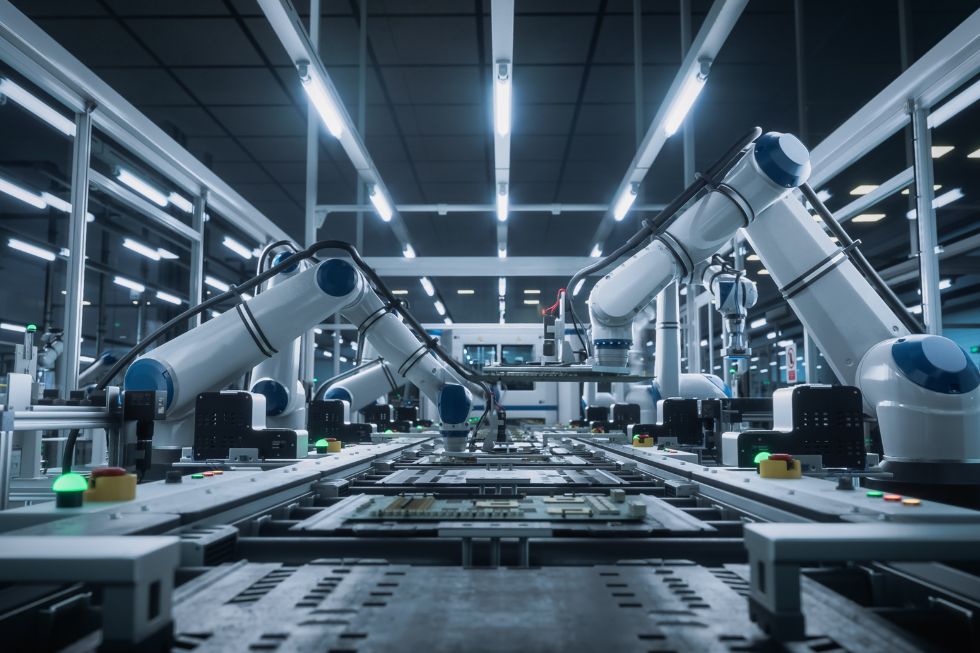
AbbVie to create 300 new jobs with $380m Illinois manufacturing investment


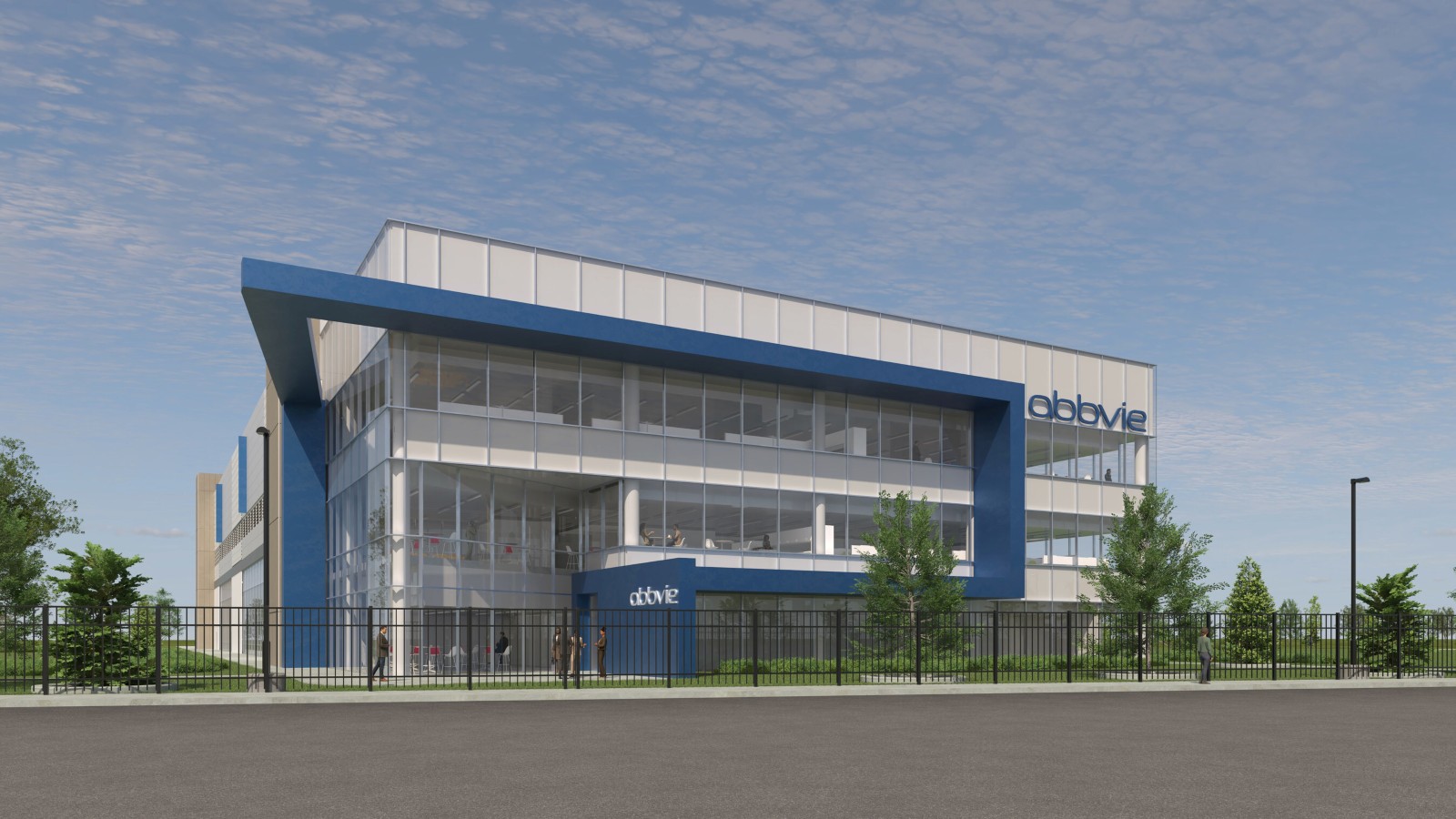
AbbVie has announced a $380m investment to build two new active pharmaceutical ingredient (API) manufacturing facilities at its North Chicago campus, expanding U.S. production capacity for next-generation medicines and creating around 300 new jobs.

The new facilities will support production of AbbVie’s future neuroscience and obesity treatments, integrating advanced manufacturing technologies and artificial intelligence into API production processes. Construction is scheduled to begin in spring 2026, with both plants expected to be operational by 2029.

AbbVie CEO Robert A. Michael said the project reflects the company’s long-term commitment to U.S. manufacturing.

“This milestone demonstrates further progress against our $100bn commitment to U.S. R&D and capital investments over the next decade,” he said. “By strengthening our U.S. manufacturing capabilities, we are well-positioned to support our investment in innovation and enhance our ability to deliver next-generation medicines to patients.”

API manufacturing involves producing the active components responsible for a drug’s therapeutic effects, a complex multi-step process often outsourced globally. AbbVie has spent the past six months outlining plans to expand API capacity in the United States.

In September 2025, the company broke ground on a chemical synthesis facility intended to bring production of selected neuroscience, immunology and oncology APIs back from Europe and Asia to the U.S.

The latest investment is expected to support approximately 300 new roles in North Chicago, including engineers, scientists, manufacturing operators and laboratory technicians.

AbbVie employs around 29,000 people across the United States, including more than 6,000 at its domestic manufacturing sites and over 11,500 in Illinois. The North Chicago expansion reinforces the company’s long-standing presence in the state, where it is headquartered.

The investment also forms part of a wider U.S. manufacturing push. AbbVie recently announced plans to acquire a device manufacturing facility in Arizona and expand operations in Massachusetts, and said it is in talks with several states about additional projects expected to be announced in 2026.

AbbVie’s move reflects a wider trend across North American pharmaceutical manufacturing, where companies are investing in domestic API production to improve supply-chain resilience, meet regulatory expectations, and take advantage of government incentives.

As demand rises for obesity and neuroscience treatments, increased U.S. API capacity could play a key role in ensuring reliable supply while accelerating the adoption of advanced manufacturing technologies.

Free Training

Source link

Apple to begin Mac mini production in Houston, expanding US manufacturing footprint


Stockbrokers.com director of investor research Jessica Inskip discusses investor overthinking, Apple’s ChatGPT moment and CME’s prediction market play on ‘Making Money.’ 

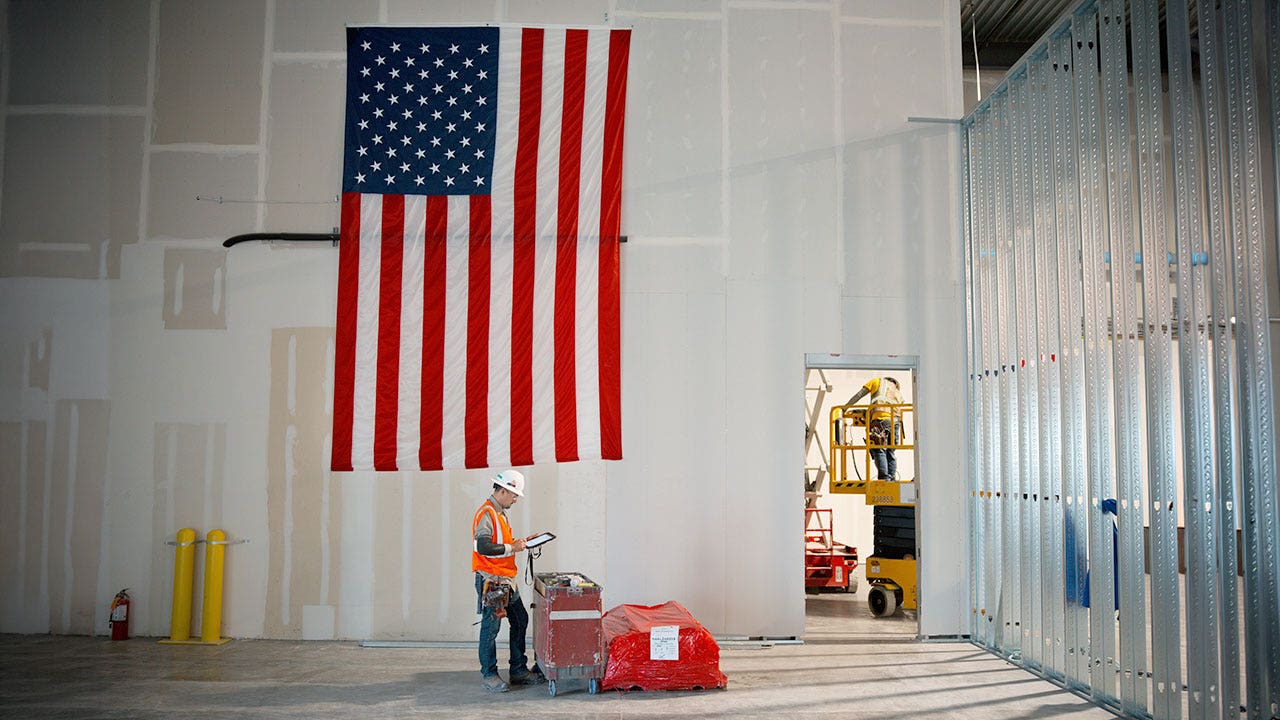
Apple will begin producing Mac minis in Houston later this year for the first time, expanding its U.S. manufacturing footprint and creating what the company said will be “thousands of jobs.”

The expansion will effectively double the size of Apple’s Houston campus and increase production of advanced artificial intelligence servers used in the company’s U.S. data centers.

Apple said Tuesday it will also open a 20,000-square-foot Advanced Manufacturing Center in Houston focused on hands-on workforce training. CEO Tim Cook said the expansion reflects the company’s previously announced commitment to increase U.S. manufacturing, adding that AI server shipments from Houston are ahead of schedule.

The Mac mini will be assembled at a new factory on the Houston campus. The company said servers built there – including logic boards manufactured onsite – are being deployed across its U.S. data center network.

ALTMAN CALLS MUSK’S SPACE DATA CENTER PLANS ‘RIDICULOUS’ FOR CURRENT AI COMPUTING NEEDS

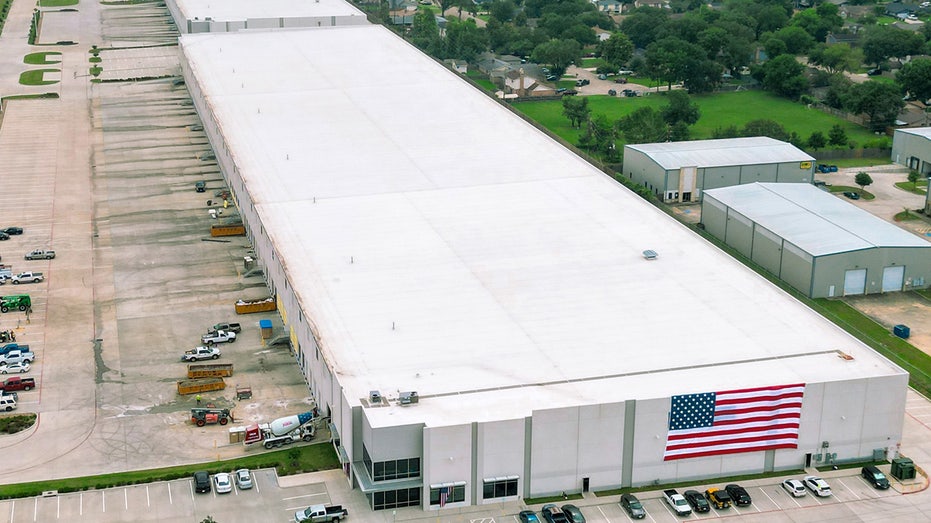
Apple's new manufacturing facility in Houston, Texas.

Apple’s new manufacturing facility in Houston, Texas. (Apple)

The expansion comes as technology companies increase domestic AI infrastructure capacity and reassess overseas supply chain exposure. Apple did not disclose financial details specific to the Houston project, but it previously pledged to invest $600 billion in the U.S. and says it has surpassed some related targets.

apple mac mini

Apple will begin producing Mac minis in Houston later this year for the first time. (Jakub Porzycki/NurPhoto via Getty Images)

As part of that broader effort, Apple said it has sourced more than 20 billion U.S.-made chips from 24 factories across 12 states, working with suppliers including TSMC, Broadcom and Texas Instruments. The company expects to purchase well over 100 million advanced chips from TSMC’s Arizona facility in 2026. It is also supporting semiconductor and materials investments in Texas, Arizona and Kentucky through partners such as Amkor, GlobalWafers and Corning.

Ticker Security Last Change Change % AAPL APPLE INC. 274.24 +2.10
+0.77%

Beyond Houston, Apple has expanded its Apple Manufacturing Academy in Detroit, which provides training in artificial intelligence, automation and smart manufacturing to small- and medium-sized U.S. businesses.

Customers wait outside Apple store in Los Angeles

Customers line up outside of Apple’s Grove store in Los Angeles. (Eric Thayer/Bloomberg via Getty Images)

The Houston expansion is expected to generate new high-tech manufacturing roles and create additional opportunities for suppliers in the region.

CLICK HERE TO GET FOX BUSINESS ON THE GO

While Apple did not detail potential pricing implications, the increased U.S.-based production of advanced chips and AI servers reflects the company’s growing reliance on domestic facilities to support its artificial intelligence and data center operations.

Free Training

Source link

Accelerating US Manufacturing and AI Ambitions


Apple deepens US manufacturing with Texas expansion & AI server production. Shareholders approve dividend increase to $0.26 per share while rejecting a China audit proposal.

In a significant strategic shift, Apple is deepening its commitment to American manufacturing, moving beyond symbolic gestures to concrete investments. The tech giant’s multi-faceted plan involves expanding production capacity in Texas, launching new training initiatives, and cultivating a domestic supplier network to regionalize its supply chains. A key question for observers is how tangible this transformation will become by the 2026 target date.

Shareholder Meeting Endorses Dividend Hike, Rejects China Audit

During its virtual annual meeting held on Tuesday, February 24, 2026, Apple’s shareholders approved several key measures. They voted in favor of increasing the quarterly cash dividend to $0.26 per share, up from the previous $0.25. This marks the fourteenth consecutive annual raise, setting the projected annual dividend at $1.04 per share. The company’s recent financial performance, including a quarterly revenue of $143.8 billion and a net profit of $42.1 billion, provides context for this shareholder return.

The meeting also saw the re-election of the entire board of directors, including Tim Cook and Art Levinson. Ernst & Young was confirmed as the independent auditor for 2026, and an updated equity plan for directors received approval. However, a shareholder proposal requesting an independent “China Entanglement Audit” was voted down.

Texas Expansion: From Macs to AI Servers

Central to Apple’s US offensive is a substantial expansion in Texas. The company plans to relocate a portion of its Mac Mini manufacturing to the United States, with production slated to begin in late 2026 at an existing facility in Houston. This move is part of a broader, four-year, $600 billion investment program designed to strengthen domestic supply chains and scale regional production.

In Houston, Apple is doubling its operational space to approximately 500,000 square feet. This will be complemented by a new 20,000-square-foot Advanced Manufacturing Training Center, scheduled to open in 2026, aimed at workforce development. Concurrently, the company is accelerating the local assembly of AI servers at the Texas site, reportedly ahead of the initial schedule.

Should investors sell immediately? Or is it worth buying Apple?

The localization efforts extend beyond Texas. Apple has already sourced billions of dollars worth of components from US-based semiconductor plants across several states. Furthermore, all new smartphones and smartwatches launching in late 2026 are expected to feature cover glass from a partner manufacturing facility in Kentucky.

Strategic Acquisition Bolsters Photonics Expertise

Nearly simultaneously, EU disclosure documents dated February 24, 2026, confirmed Apple’s acquisition of the startup invrs.io LLC. The acquired firm specializes in developing AI-powered, open-source frameworks for photonics design—a technology critical for advanced optical hardware and sensor systems.

On the trading floor, Apple’s shares showed minimal movement following these announcements, recently quoted at 230.95 Euros, reflecting a slight decline of 0.06%. Market attention is now firmly fixed on Apple’s execution, specifically its ability to successfully broaden the announced production shifts and the accelerated rollout of AI server capacity in Texas throughout 2026.

Ad

Apple Stock: New Analysis – 25 February

Fresh Apple information released. What’s the impact for investors? Our latest independent report examines recent figures and market trends.

Read our updated Apple analysis…

Hol dir den Wissensvorsprung der Aktien-Profis.

Hol dir den Wissensvorsprung der Aktien-Profis.

Seit 2005 liefert der Börsenbrief trading-notes verlässliche Trading-Empfehlungen – dreimal die Woche, direkt ins Postfach. 100% kostenlos. 100% Expertenwissen. Trage einfach deine E-Mail Adresse ein und verpasse ab heute keine Top-Chance mehr. Jetzt kostenlos anmelden
Jetzt abonnieren.

Free Training

Source link

February 24, 2026 – Apple US manufacturing, iOS 26.4 beta 2


9to5mac daily podcast

Listen to a recap of the top stories of the day from 9to5Mac. 9to5Mac Daily is available on iTunes and Apple’s Podcasts appStitcherTuneInGoogle Play, or through our dedicated RSS feed for Overcast and other podcast players.

Sponsored by BenQ: Check out BenQ’s smarter displays made for how Mac users actually work and sign up for the giveaway here.

New episodes of 9to5Mac Daily are recorded every weekday. Subscribe to our podcast in Apple Podcast or your favorite podcast player to guarantee new episodes are delivered as soon as they’re available.

Stories discussed in this episode:

Listen & Subscribe:

Subscribe to support Chance directly with 9to5Mac Daily Plus and unlock:

  • Ad-free versions of every episode
  • Bonus content

Catch up on 9to5Mac Daily episodes!

Don’t miss out on our other daily podcasts:

Share your thoughts!

Drop us a line at happyhour@9to5mac.com. You can also rate us in Apple Podcasts or recommend us in Overcast to help more people discover the show.


Add 9to5Mac as a preferred source on Google

FTC: We use income earning auto affiliate links. More.


Free Training

Source link

Byrna Technologies moves manufacturing to US amid tariff concerns


Byrna Technologies CEO Bryan Ganz discusses the company’s efforts to ramp up its U.S. manufacturing operations.

A company that makes self-defense products has spent the last few years moving much of its manufacturing to the U.S. and is finding the benefits extend beyond having the ability to put a “Made in America” label on their products.

Byrna Technologies, which makes non-lethal personal security devices that can launch plastic or chemical irritant rounds, moved its main manufacturing facility from South Africa to Indiana in 2021 and began finding qualified U.S. component suppliers to prevent supply chain disruptions like what transpired during the pandemic.

“There are over 100 components that go into our launchers, we wanted redundancy on all of them,” Byrna Technologies CEO Bryan Ganz told FOX Business. “Generally, the offshore manufacturers were a little bit less expensive, so they got the majority of the production.”

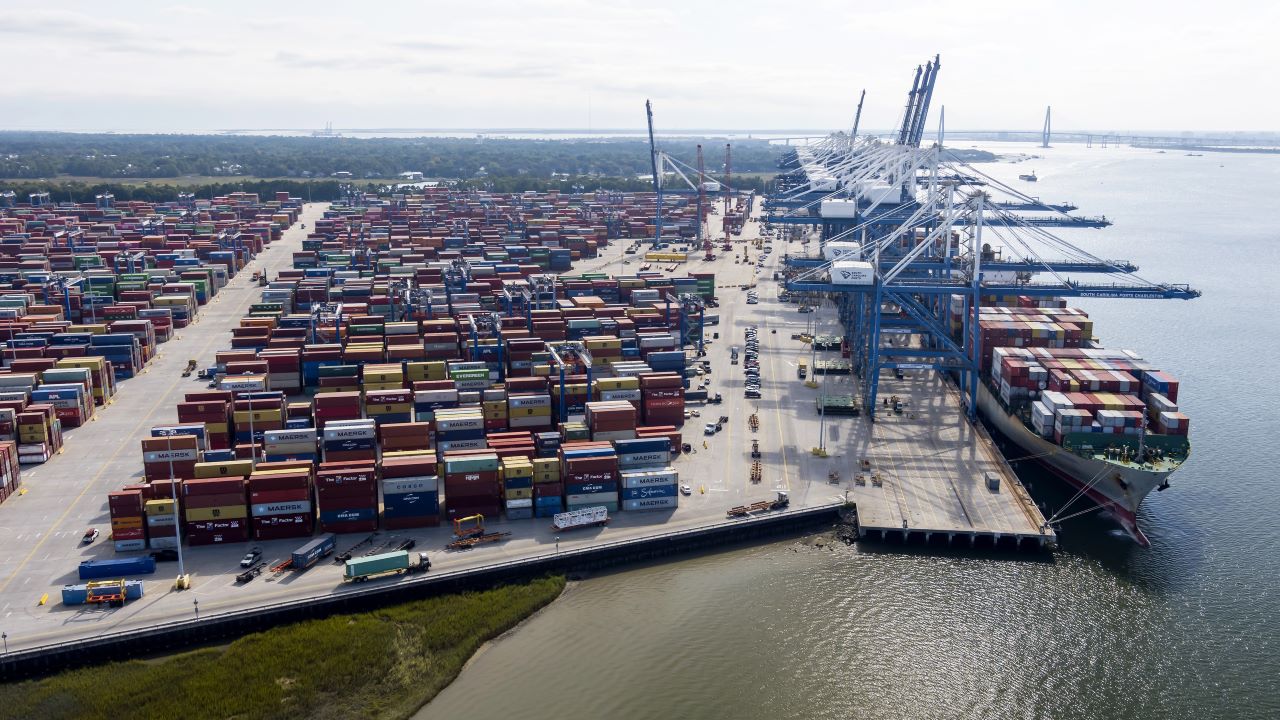
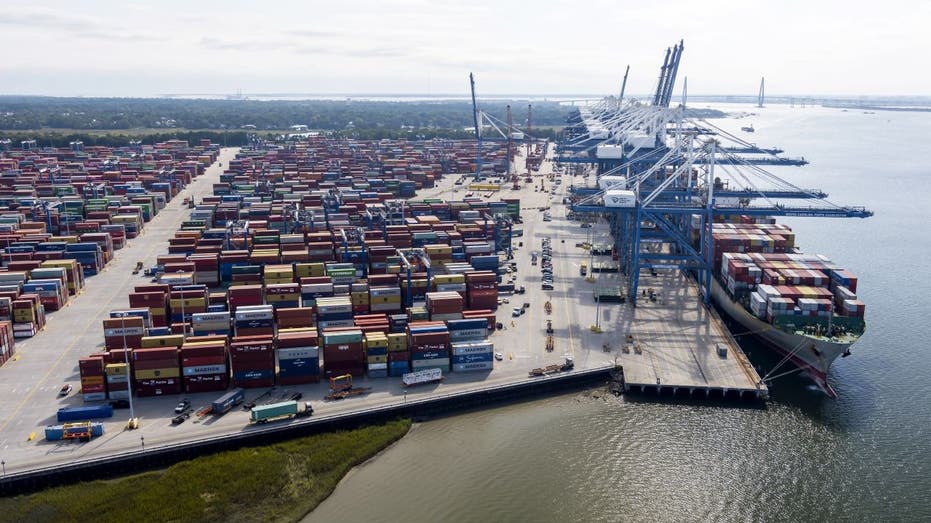
Port of Charleston

Byrna Technologies moved its main manufacturing facility from South Africa to Indiana in 2021. (Sam Wolfe/Bloomberg via Getty Images)

“But when it was evident that Donald Trump was going to be elected president, we said, ‘You know what, he’s been very, very vocal about tariffs, this is probably a good time for us to start the process of moving the supply chain back on-shore,'” Ganz said.

BYRNA TECHNOLOGIES CEO ‘PLEASED’ WITH TRUMP TARIFFS HITTING CHINESE RIVALS

“We started this even before the tariffs were announced. When the tariffs were announced, we were feeling pretty smart about ourselves that we had correctly surmised that we would be able to on-shore things,” he added.

Ganz said that while the process of onshoring more of Byrna’s supply chain before the Trump administration’s tariffs were implemented last year, the tariffs made domestic production more cost-effective and the onshoring process revealed other benefits.

“It was very interesting because not only was it much cheaper with the imposition of the tariffs to be producing in the U.S., but we also discovered all sorts of soft cost benefits,” he said.

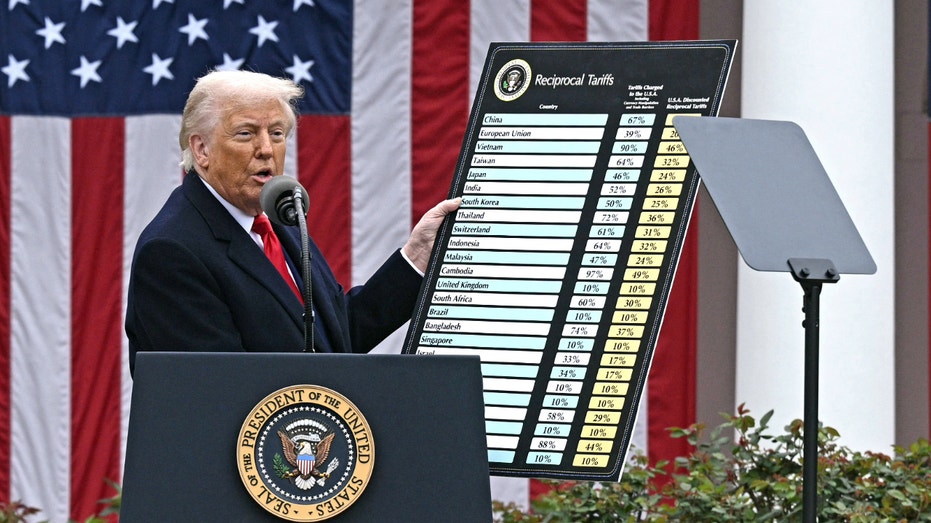
President Donald Trump holds up a sign showing reciprocal tariffs.

Byrna Technologies moved its manufacturing back to the U.S. before President Donald Trump implemented tariffs. (Brendan Smialowski/AFP via Getty Images)

“When you’re supplying componentry from offshore, you either have air freight costs, you have lengthy ocean voyages – when you’re supplying it from a hundred miles away by truck, you can be much more responsive to changes in consumer demand. If I need to visit the factory because there’s a quality problem, I can do it.”

HOW SHOULD BUSINESSES APPROACH TARIFF REFUNDS?

He added that while Byrna continues to buy some of its accessories from offshore suppliers, the company has focused its onshoring effort on the most critical aspects of its product, such as the launcher itself and its ammunition.

“We’re making self-defense products and I think the quality of the product, the dependability of the product, is really important to our consumers, so the Made in America moniker is very, very meaningful for our type of product,” he explained.

Ganz noted that Byrna closed its ammunition manufacturing facility in South Africa and moved it to a newly built facility in Fort Wayne that’s five miles away from the company’s facility where its launchers are produced.

FORMER INTEL CEO WARNS US CHIP COMEBACK STILL HAS A LONG WAY TO GO

The company’s latest launcher, the Byrna CL, was made of 34% U.S. components prior to the reshoring effort, but the launcher is now made with 92% U.S. components.

“It’s not without some cost. We’ve seen a couple percentage points increase in our cost as a result of bringing it back to the U.S., because of course, we would have been making it in the U.S. to begin with if it was the same price,” Ganz said. “But our margins have remained within two percentage points – last year we were 62% and this year we were 60.5-61% – so it was a de minimis impact on the cost.”

Ganz added that the tariffs were a determining factor in some of its reshoring decisions due to the higher cost of the import levies.

GET FOX BUSINESS ON THE GO BY CLICKING HERE

“When we ship something up, even though it may have been 10% less expensive than building it here, not so when you put a 30% tariff on. I’m a very patriotic guy, I like making stuff here in America. On the other hand, we’re a public company, we have shareholders – we have to look at what’s in the best interest of our shareholders,” he said. “With the tariffs, it was clear that it became less expensive to build in the U.S. than to build offshore.”

Ganz added that Byrna maintains some component manufacturing abroad to keep redundancy in the supply chain to guard against vulnerabilities that would arise if a domestic facility were to go offline unexpectedly, but the onshoring push has brought the company’s overall supply chain into the 80%-90% range for domestically-sourced components.

Free Training

Source link

AbbVie to invest $380 million to expand US manufacturing in Illinois


Feb 23 (Reuters) – AbbVie on Monday said it would invest $380 million to build two new active pharmaceutical ingredient manufacturing facilities at its Illinois campus, expanding its domestic production capacity for its neuroscience and obesity medicines.

The investment is part of AbbVie’s broader effort to scale up domestic manufacturing, as drugmakers are scrambling to shore up their U.S. manufacturing capacity and domestic inventory amid the Trump administration’s hefty tariffs on pharmaceutical imports into the country.

The U.S. government imposed a 100% tariff on branded drugs in October, but said it would only apply to producers who had not already broken ground on U.S. manufacturing plants.

AbbVie said the construction at the new facility in North Chicago, Illinois would begin in spring 2026, with both new facilities expected to be fully operational in 2029.

The new facilities will integrate advanced manufacturing technologies and artificial intelligence to support production of future pipeline medicines, the company said.

API production – the process of making a drug’s active chemical components – is one of the most complex steps in pharmaceutical manufacturing, the drugmaker said.

AbbVie said it plans to hire 300 people in North Chicago, including engineers, scientists, manufacturing operators and lab technicians.

In January, it committed $100 billion over the next decade to U.S.-based research and development, including an earlier $195 million expansion at the same North Chicago site to boost API production for immunology, oncology and neuroscience drugs.

AbbVie already has 11 manufacturing sites in the U.S. and is also in discussions with multiple U.S. states about potential projects and expects to announce further investments in 2026.

(Reporting by Siddhi Mahatole in Bengaluru; Editing by Maju Samuel)

Free Training

Source link

Did New U.S. Defense-Focused Manufacturing Partnerships Just Shift Amprius Technologies’ (AMPX) Investment Narrative?


  • Recently, Needham began covering Amprius Technologies, highlighting its silicon-anode battery technology and citing a US$35 million unmanned aerial systems order alongside contract manufacturing capacity of 1.8 GWh.
  • A separate agreement made Nanotech Energy Amprius’ first U.S.-based manufacturing partner, aligning its high-performance batteries with domestic sourcing rules for defense applications.
  • Next, we’ll examine how this new U.S. manufacturing partnership may influence Amprius’ investment narrative and future growth assumptions.

This technology could replace computers: discover 23 stocks that are working to make quantum computing a reality.

Amprius Technologies Investment Narrative Recap

To own Amprius, you need to believe its silicon-anode batteries can convert early traction in drones and defense into durable, profitable demand while it scales manufacturing. The Nanotech Energy partnership directly addresses one near term catalyst and risk at once: it could support US defense opportunities that require local supply, while beginning to reduce the company’s heavy reliance on overseas contract manufacturing and the related geopolitical and supply chain uncertainties.

Among the recent updates, the Nanotech Energy alliance stands out as most relevant. By adding Amprius’ first US-based manufacturing partner for its silicon-anode cells, the company is creating a domestic pathway that aligns with updated National Defense Authorization Act sourcing rules. For investors focused on catalysts, this matters because it directly intersects with Amprius’ concentration in aviation and drones and its goal of securing higher visibility, defense-linked production orders.

Yet behind the promise of US manufacturing, investors should also be aware of how concentrated defense and drone demand leaves Amprius exposed to shifts in procurement cycles and…

Read the full narrative on Amprius Technologies (it’s free!)

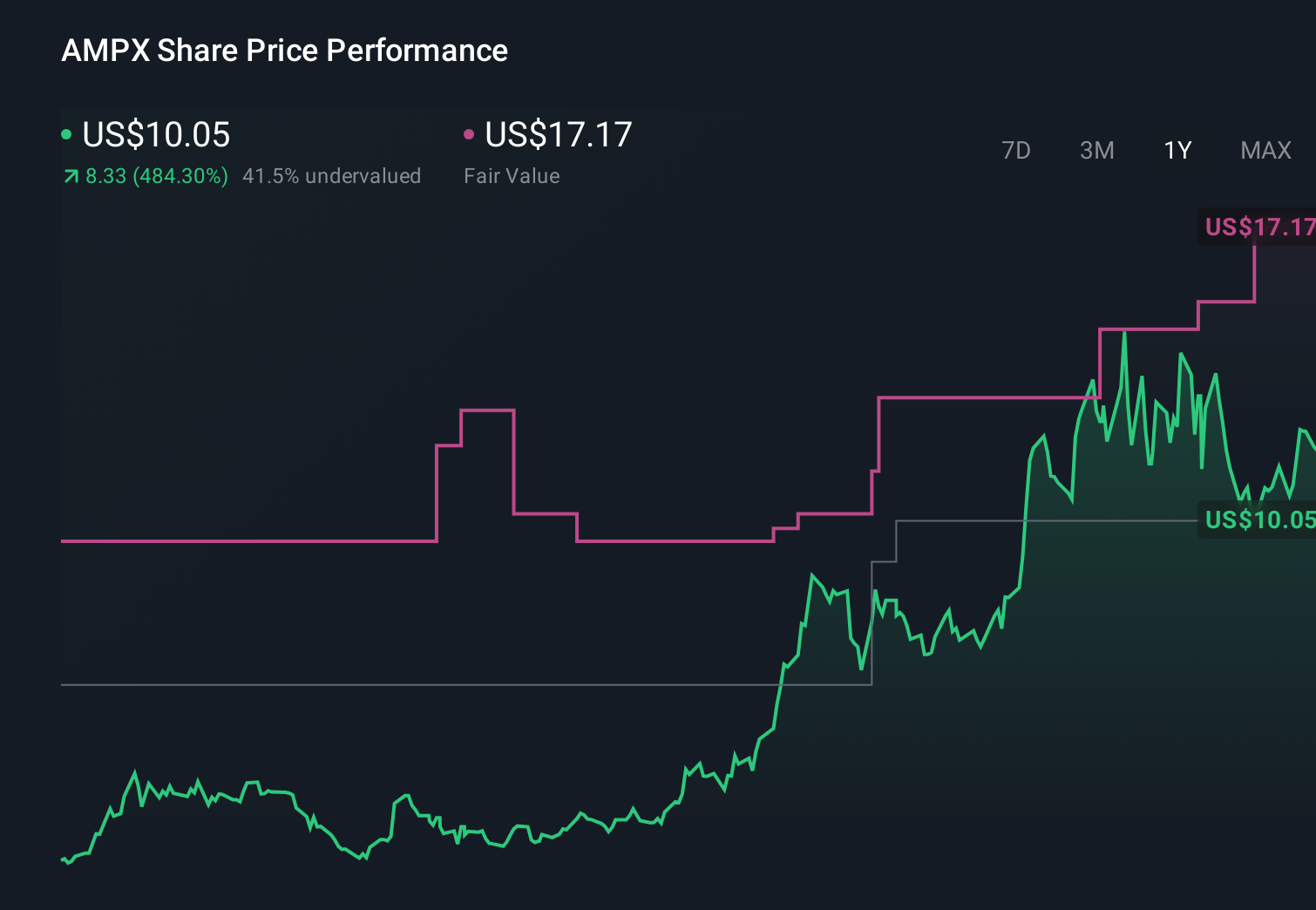
Amprius Technologies’ narrative projects $306.6 million revenue and $13.4 million earnings by 2028. This requires 89.8% yearly revenue growth and a $52.1 million earnings increase from $-38.7 million today.

Uncover how Amprius Technologies’ forecasts yield a $17.57 fair value, a 85% upside to its current price.

Exploring Other Perspectives

AMPX 1-Year Stock Price ChartAMPX 1-Year Stock Price Chart

Some of the lowest ranked analysts took a far more cautious view, even while modeling roughly 77.6% annual revenue growth and a potential US$25.5 million profit by 2028, highlighting how sensitive those outcomes could be if drone demand weakens or external manufacturing partners run into trouble.

Explore 9 other fair value estimates on Amprius Technologies – why the stock might be worth less than half the current price!

Form Your Own Verdict

Don’t just follow the ticker – dig into the data and build a conviction that’s truly your own.

Interested In Other Possibilities?

These stocks are moving-our analysis flagged them today. Act fast before the price catches up:

This article by Simply Wall St is general in nature. We provide commentary based on historical data
and analyst forecasts only using an unbiased methodology and our articles are not intended to be financial advice.
It does not constitute a recommendation to buy or sell any stock, and does not take account of your objectives, or your
financial situation. We aim to bring you long-term focused analysis driven by fundamental data.
Note that our analysis may not factor in the latest price-sensitive company announcements or qualitative material.
Simply Wall St has no position in any stocks mentioned.

New: Manage All Your Stock Portfolios in One Place

We’ve created the ultimate portfolio companion for stock investors, and it’s free.

• Connect an unlimited number of Portfolios and see your total in one currency
• Be alerted to new Warning Signs or Risks via email or mobile
• Track the Fair Value of your stocks

Try a Demo Portfolio for Free

Have feedback on this article? Concerned about the content? Get in touch with us directly. Alternatively, email editorial-team@simplywallst.com

Free Training

Source link

US Manufacturing Output Surges in January


Published on Feb. 21, 2026

U.S. factory production increased by 0.6% in January, the largest gain since February 2025, offering hope for a manufacturing sector that has been squeezed by import tariffs and high interest rates. Economists are optimistic the boost from AI and tax cuts will broaden to the rest of manufacturing.

Why it matters

The manufacturing sector has faced challenges in recent years due to trade policies and economic conditions, so this uptick in production signals potential improvement and growth for a key part of the U.S. economy.

The details

Manufacturing output rose 0.6% last month, the largest gain since February 2025, after being unchanged in December. The increase in factory output last month occurred across the board, with durable goods manufacturing up 0.8% and nondurable goods manufacturing up 0.4%. Mining output fell 0.2% while utilities production increased 2.1%.

  • Manufacturing output rose 0.6% in January 2026.
  • This was the largest gain since February 2025.
  • Output was unchanged in December 2025.

The players

Federal Reserve

The central banking system of the United States that released the data on manufacturing output.

President Donald Trump

The former U.S. president whose trade policies, including import tariffs, have impacted the manufacturing sector.

Got photos? Submit your photos here. ›

The takeaway

This surge in manufacturing output provides a hopeful sign for the sector, which has faced headwinds in recent years, and suggests that policy changes and technological advancements may help drive further growth and recovery.

Free Training

Source link

How Smart Policy Attracts Manufacturing Investment


Policymakers can use two basic strategies to attract manufacturing investments. These involve attractive incentives — the carrot — which include subsidies, grants and tax credits, or negative incentives — the stick — which include tariffs and threats.

Using credible data that tells a compelling story, I will explain why the carrot has been and will continue to be much more effective than the stick in attracting manufacturing investment.

The data

The St. Louis Federal Reserve publishes US Census Bureau data on actual investments in new or expanded manufacturing facilities, titled “Total Construction Spending: Manufacturing in the United States.” It is seasonally adjusted and reported monthly on an annualized basis.

During the Biden administration, manufacturing construction spending tripled from $76.5 billion in January 2021 to $230.9 billion in January 2025. This represented one of the largest industrial construction booms in US history, driven primarily by large semiconductor, battery and advanced manufacturing projects.

Due to normal megaproject investment cycles, these projects are front-loaded with capital-intensive spending on site preparation, foundation work and structural construction, using massive volumes of concrete and steel. Consequently, manufacturing construction spending peaked in June 2024 at $240.1 billion and slowed in later phases due to less capital-intensive spending on machinery, equipment and installation, much of which is recorded outside of the St. Louis Fed’s manufacturing construction spending data.

The carrot

Using subsidies, grants, loans, tax credits and state incentives, the CHIPS and Science Act signed by President Joe Biden in August 2022 attracted large amounts of capital into semiconductor manufacturing, spurring new fabrication plants and related infrastructure. It also created an entire ecosystem of suppliers, workers and innovation improving American competitiveness, and is primarily responsible for the manufacturing construction boom reflected in the St. Louis Federal Reserve data.

Stated by the Semiconductor Industry Association, enactment of the CHIPS and Science Act was a pivotal moment in recent American history, uniting government leaders from across the political spectrum to reinvigorate US semiconductor production and reinforce America’s economic strength, national security and technological competitiveness.

The carrot or positive incentives offered by the CHIPS and Science Act, combined with the Infrastructure Investment and Jobs Act, signed in November 2021, and the Inflation Reduction Act, signed in August 2022, boosted broader industrial and clean-energy facility investment. The message was clear: America is open for business, and we’re willing to invest in your success. This approach made investing in the US manufacturing sector very attractive.

The stick

Beginning with President Donald Trump’s second term through October 2025 (the latest available data), construction spending in manufacturing declined to $214.1 billion. Some of this is attributed to less capital-intensive spending in later phases, as explained above. However, the primary factor likely is trade uncertainty caused by President Trump’s on-again, off-again tariffs, delays, reversals and threats — the stick.

According to Anirban Basu, chief economist for the Associated Builders and Contractors, “With CHIPS Act-enabled megaprojects winding down and the stiff headwind of trade policy, manufacturing construction spending has fallen by nearly 10% over the past 12 months.”

There are many examples of stiff headwinds caused by erratic policies. Take South Korea, for example. On April 2, 2025, Liberation Day, President Trump announced tariffs of up to 25% on South Korea. Critics argued this was inconsistent with the United States–Korea Free Trade Agreement (KORUS FTA), which has been in force since March 15, 2012. Three months later, on July 30, 2025, the two countries announced and later finalized the Korea Strategic Trade and Investment Deal, which reduced tariffs to 15% and included the understanding that South Korea would invest $350 billion in the United States.

Two months later, on September 4, 2025, US Immigration and Customs Enforcement (ICE) raided the construction site of the South Korean-owned Hyundai Motor Group/LG Energy Solution battery plant in Ellabell, Georgia. ICE detained several hundred South Korean nationals, many of whom were engineers and technicians training American workers and installing specialized machinery. According to immigration attorney Charles Kuck, his South Korean clients were legally in the US under B-1 visitor visas or the Visa Waiver Program (ESTA).

Even though the Trump administration offered to allow the South Korean workers to remain in the United States to complete their work, most decided to leave due to the unpleasant experience of being shackled, treated like criminals and unsure if they could trust the visa process. In response, South Korean President Lee Jae Myung said, “Under the current circumstances, Korean companies will be very hesitant to make direct investments in the United States.”

The problems did not end here. In January 2026, President Trump announced that because the South Korean National Assembly had not yet passed implementing legislation for the 2025 deal, he would increase tariffs on Korean imports back up to 25%.

Uncertainty and the pause button

The chaotic tariffs and threats have caused economic uncertainty to skyrocket, costs to escalate and investors to be unable to predict what’s ahead. As a result of this and the Georgia immigration action, firms have become more cautious about committing to long-term capital projects in the United States and have hit the pause button.

Stated by Andrew Yeo, a senior fellow at the Brookings Institution, “Allies are receiving mixed signals. The South Korea case has made countries like Japan and even EU nations nervous.”

According to the American Institute of Architects’ January 2026 Consensus Construction Forecast, “Producers and investors typically have not had much clarity as to what countries, what products, or what tariff levels might be in place over the longer term. This makes decision-making difficult and often encourages inaction in supply chain sourcing and investment decisions.”

Not surprisingly, industry forecasts predict a continued decline in manufacturing construction spending.

A better approach

If the goal is to strengthen American manufacturing, US policy needs to focus more on carrots and less on sticks. The CHIPS Act demonstrates that positive incentives work. Expanding similar programs to attract capital to critical industries — advanced materials, batteries, clean energy and biotechnology — would help boost US competitiveness.

This approach is especially urgent given China’s relentless investment strategy and potential US-China hostility. The US cannot afford to cede its competitive advantages through policy uncertainty.

Importantly, strengthening relationships and working more closely with our allies to achieve our manufacturing goals would be an essential step in the right direction. America’s advanced semiconductor manufacturing depends on global supply chains. Alienating these partners through unpredictable tariffs and immigration raids undermines our own competitiveness.

The choice is clear: we can invest in our future through strategic incentives and stable partnerships or watch manufacturing investment go to more predictable shores. This may be a tall order today, but it will be necessary tomorrow.

[Kaitlyn Diana edited this piece.]

The views expressed in this article are the author’s own and do not necessarily reflect Fair Observer’s editorial policy.

Free Training

Source link

One Big Beautiful Bill Act Drives U.S. Construction Boom and Manufacturing Growth


The One Big Beautiful Bill Act (BBBA) is reshaping the U.S. manufacturing and construction landscape by introducing significant tax incentives tied to capital investment, domestic production and research activity.

Courtesy: Photo by Scott Blake on Unsplash

Signed as part of President Donald Trump’s broader tax and spending agenda, the legislation is designed to stimulate U.S.-based manufacturing capacity and reduce reliance on overseas production.

BBBA Incentives Expected to Accelerate U.S. Factory Construction

One of the most impactful provisions is the Qualified Production Property Deduction. Under this measure, companies that build new manufacturing facilities — or significantly expand existing ones — can deduct 100% of eligible capital expenditures, provided construction begins between January 20, 2025 and December 31, 2028. Projects must be placed into service by January 1, 2031.

This accelerated deduction dramatically improves project economics. Instead of spreading depreciation over decades, companies can deduct the full investment upfront, strengthening short-term cash flow and improving internal rates of return.

For the construction sector, this creates a narrow but powerful investment window. Industry analysts expect a surge in factory groundbreakings over the next three years as companies race to qualify.

For composites manufacturers and suppliers, the ripple effects could be substantial. Increased factory construction means higher demand for advanced building materials such as fiber-reinforced polymer (FRP) rebar, composite panels, corrosion-resistant structures and lightweight structural components.

100% Bonus Depreciation Strengthens Capital Spending and R&D

In addition to the production property deduction, the BBBA reinstates 100% bonus depreciation for qualifying capital expenditures. Traditionally, capital investments are depreciated over multiple years according to IRS schedules. Under the updated framework, companies can deduct the entire cost of machinery, tooling, and production equipment in the year it is placed in service.

This provision improves liquidity and encourages businesses to modernize production lines, automate facilities and invest in advanced manufacturing technologies.

For the composites industry, this could accelerate:

  • Expansion of domestic composite fabrication plants
  • Investment in automated layup and molding systems
  • Increased capacity for thermoplastic and thermoset production
  • Growth in aerospace, automotive and infrastructure supply chains

Beyond construction, R&D-related incentives embedded in the broader tax package are expected to encourage innovation in advanced materials. Composites firms developing lightweight, high-strength and sustainable materials stand to benefit from a more favorable tax treatment of research expenditures.

Strategic Timing for Composites Manufacturers

The timing window built into the legislation is critical. With eligibility tied to construction start dates and service deadlines, companies must act quickly to secure benefits.

Domestic firms considering U.S. expansion now have a tax-advantaged environment to do so. Likewise, international composites manufacturers evaluating North American production footprints may view the current period as an optimal entry point.

The legislation effectively compresses investment decisions into a three- to four-year horizon. That urgency is likely to generate elevated activity across engineering, procurement and construction (EPC) markets.

For suppliers of composite materials used in industrial flooring, bridge decks, wastewater facilities, reinforcement systems and structural retrofits, the anticipated uptick in manufacturing plant construction could translate into steady order growth through the end of the decade.

Broader Economic Implications

Courtesy: Photo by Pixabay on Pexels

The BBBA’s construction and capital expenditure provisions are not isolated measures; they are part of a broader strategy to strengthen domestic industrial capacity.

If widely adopted, the incentives could:

  • Expand U.S. manufacturing output
  • Increase demand for skilled labor in construction and engineering
  • Shorten supply chains for advanced materials
  • Support long-term infrastructure modernization

For the composites industry, the law represents more than a short-term stimulus. It creates structural incentives for reshoring production and investing in advanced materials technologies — positioning the sector to play a central role in the next wave of U.S. industrial growth.

As companies evaluate investment pipelines for 2025–2029, the BBBA’s tax environment may prove decisive in determining where and when new manufacturing capacity is built.

Originally Reported by JEC Composites.

Free Training

Source link