For professionals pursuing the EB-2 National Interest Waiver (NIW), semiconductor manufacturing now sits squarely within one of the clearest national priority areas recognized by the U.S. government.
For decades, advanced technology was discussed primarily in economic terms. Innovation drove growth. Growth created jobs. That framework worked when technology remained largely commercial.
Semiconductors no longer fit that model.
Today, semiconductor chips underpin systems central to U.S. national security and economic stability, including artificial intelligence (AI), defense technologies, cybersecurity, telecommunications, healthcare, and transportation. When a single technology supports so many critical functions, it becomes a strategic asset rather than an industry trend. For EB-2 NIW petitioners, this distinction matters, because USCIS evaluates national importance through the lens of federal priorities that extend beyond private-sector demand.
At the same time, advanced semiconductor manufacturing remains heavily concentrated outside the United States, particularly in East Asia. Recent shortages exposed how vulnerable global supply chains can be and highlighted the risks of relying on foreign production for technology the U.S. cannot afford to lose control over.
As a result, semiconductor manufacturing has moved to the center of national policy.
The U.S. Push to Rebuild Domestic Chip Manufacturing
The federal government now treats semiconductor production as critical infrastructure. America’s AI Action Plan from July 2025 is direct on this point: “Now America must bring semiconductor manufacturing back to U.S. soil.” For professionals already working in semiconductor-related fields, this policy articulation helps clarify how their work aligns with national objectives the government has formally identified.
This push is tied to the broader infrastructure required to sustain AI leadership: “AI will require new infrastructure, factories to produce chips, data centers to run those chips, and new sources of energy to power it all.”
AI requires massive computing power, which depends on advanced semiconductors. When production occurs abroad, the United States has less control over availability, security standards, and long-term scalability. From a national strategy perspective, that dependence creates real risk. Professionals contributing to domestic production, process improvement, or supply-chain resilience are therefore operating within an area the government already views as strategically sensitive.
In response, federal policy has focused on accelerating domestic manufacturing by reducing barriers that slow development. This includes streamlining the permitting of fabrication facilities, modernizing regulatory processes, and coordinating land use, energy infrastructure, and security requirements.
The goal is not incremental growth. It is rebuilding a domestic manufacturing ecosystem capable of supporting advanced technologies at scale.
Why This Policy Shift Matters for Immigration
Rebuilding semiconductor manufacturing is not only an infrastructure challenge. It is a workforce challenge.
Advanced fabrication plants, data centers, and supporting systems require highly specialized expertise to design, operate, and optimize. These skills take years to develop and exist within a limited global talent pool. Domestic training pipelines alone are unlikely to meet near-term demand.
For that reason, immigration policy has become a functional part of the semiconductor strategy rather than a separate consideration. Professionals with relevant semiconductor expertise are increasingly well positioned to frame their work within existing national priorities when pursuing self-sponsored immigration options, rather than relying solely on employer-driven pathways.
How EB-2 NIW Fits Today’s Semiconductor Priorities
The EB-2 NIW aligns closely with how the United States is currently prioritizing semiconductor manufacturing.
It allows qualified professionals to pursue permanent residence without a job offer when their work advances U.S. interests at a broader level. Rather than focusing on a single employer’s needs, USCIS looks at whether the individual’s contributions support national priorities the government has already identified. This framework allows semiconductor professionals to rely on documented federal policy goals, rather than speculative future needs, when presenting their case.
Semiconductor manufacturing meets the national importance standard with unusual clarity. As America’s AI Action Plan states: “A revitalized U.S. chip industry will generate thousands of high-paying jobs… and protect our supply chains from disruption by foreign rivals.”
Federal policy has tied domestic chip production to national security, economic resilience, and technological leadership. For that reason, EB-2 NIW petitions connected to critical and emerging technologies, including semiconductors, can be particularly strong when they are well framed and well supported.
Other immigration options may also apply, including the EB-1A and the O-1. These categories can be a strong fit for professionals who can document extraordinary ability and top-of-field recognition, but they typically require a higher evidentiary showing. For many semiconductor professionals doing important work without that level of public distinction, the EB-2 NIW is often the more practical pathway because it focuses on national importance and the ability to advance the proposed endeavor.
EB-2 NIW Is Not Limited to High-Profile Professionals
A common misconception is that EB-2 NIW approval requires patents, public recognition, or executive-level titles. While this can be helpful evidence, they are not required.
USCIS evaluates whether a professional is well positioned to advance a nationally important endeavor considering several factors. Semiconductor manufacturing is a complex ecosystem, and meaningful contributions occur across many roles.
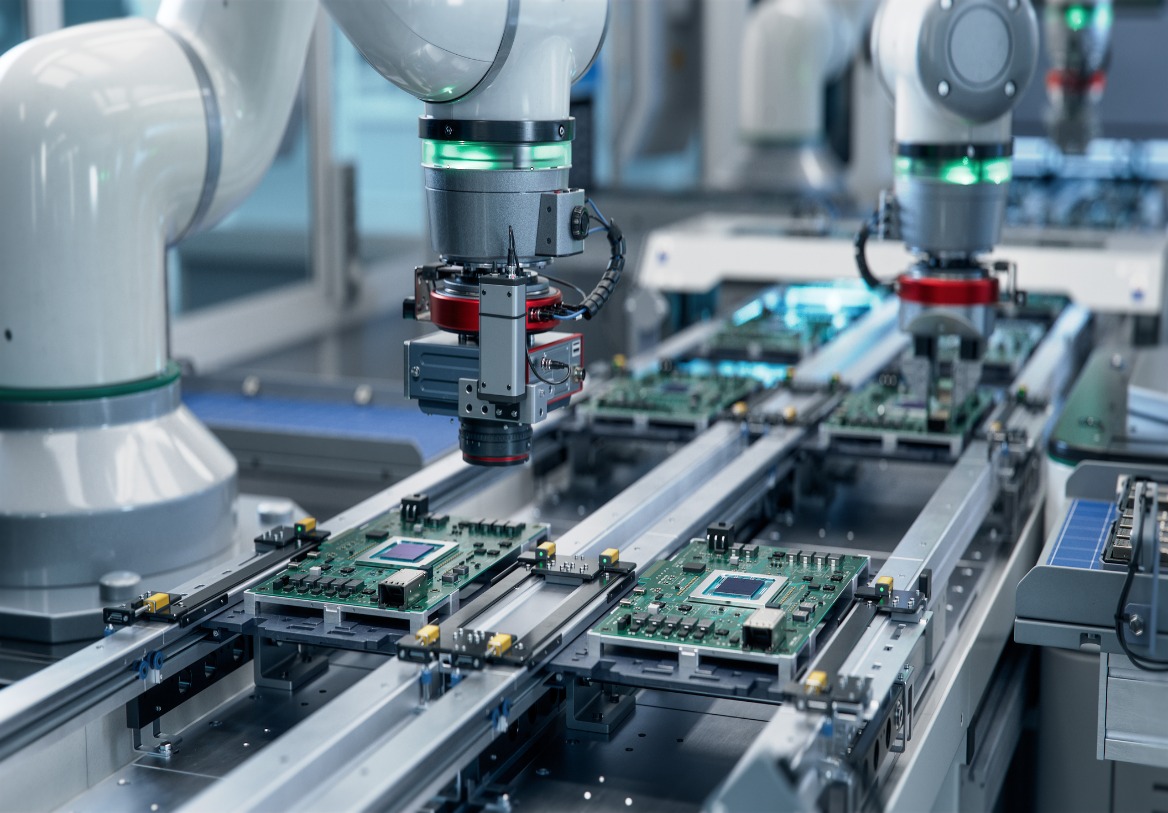
Professionals working in semiconductor manufacturing and process engineering, chip design and microelectronics, materials science and nanotechnology, automation and robotics, AI applied to manufacturing, yield optimization, energy efficiency, and semiconductor supply chains may all be well positioned for EB-2 NIW approval.
Each case is evaluated individually. What matters is how a professional’s specific background supports domestic semiconductor production and related national priorities.
What Strengthens a Semiconductor-Focused EB-2 NIW Petition
A strong EB-2 NIW petition does more than identify an important field. It explains how the individual’s work advances that field in a concrete way. In semiconductor cases, this often includes a record of related professional experience, research or technical projects, manufacturing or process improvements, internal innovations, or recognition by employers, industry partners, or professional organizations. Funding or research experience can also strengthen the record, though it is not required.
Equally important is a clear proposed endeavor. USCIS looks for a specific, forward-looking explanation of what the professional plans to do in the United States and how that work supports national priorities tied to semiconductor manufacturing. General statements about working “in semiconductors” are rarely sufficient. Specificity strengthens credibility.
When a clear record of success is paired with a well-defined plan, the national interest argument becomes easier to articulate and evaluate.
A National Priority That Strengthens the EB-2 NIW Framework
The effort to restore semiconductor manufacturing in the United States reflects a long-term national strategy. Domestic chip production now sits at the intersection of national security, economic resilience, and technological leadership.
As the federal government works to rebuild manufacturing capacity and secure critical supply chains, demand for highly skilled professionals will continue to grow. For individuals already contributing to semiconductor manufacturing and related technologies, this policy environment provides a clear framework for positioning their work within the EB-2 NIW analysis.
When a professional’s work supports objectives the United States has already defined as critical, the path to demonstrating national interest is clearer and more firmly grounded in national policy.
Understanding how your background fits into this landscape is the first step.

Source link



 Stock image. Image credit: IM Imagery/stock.adobe.com