
NOVEON MAGNETICS COMPLETES $215 MILLION SERIES C TO EXPAND U.S. RARE EARTH MAGNET MANUFACTURING CAPACITY


Financing Round Led by One Investment Management Supports Expansion of Domestic Rare Earth Magnet Production and Facilitates Secondary Share Sale

SAN MARCOS, Texas, Jan. 19, 2026 /PRNewswire/ — Noveon Magnetics, Inc. (Noveon), a leading U.S. manufacturer of sintered rare earth permanent magnets, today announced the close of a $215 million Series C financing led by a $200 million investment from One Investment Management (OneIM). The capital will fuel significant growth of Noveon’s domestic rare earth magnet manufacturing capacity as demand accelerates across key sectors — including automotive, defense, AI, energy, and advanced manufacturing — and as the need to reshore critical U.S. supply chains becomes increasingly important. In addition, today’s Series C financing facilitates secondary sales by certain existing shareholders.

As part of the transaction, OneIM will appoint two new Series C board members.

“This financing marks a pivotal step in scaling Noveon’s production capabilities to meet rapidly growing customer demand,” said Scott Dunn, CEO of Noveon. “With the support of OneIM, we are accelerating deliveries of high-performance rare earth magnets produced entirely in the United States — scaling capacity, capability, and strengthening supply chain resiliency for our customers.”

Noveon was the first company to reshore full-scale production of sintered rare earth magnets to the United States. This investment positions Noveon to accelerate its growth trajectory by expanding capacity beyond 2,000 tons per year, enabling the company to support existing commercial partners and capture growing demand from critical industries requiring high-performance, high-quality magnetic materials.

Rare earth permanent magnets are essential to automotive systems, defense platforms, AI and data storage technologies, robotics, and advanced manufacturing applications. Noveon’s American manufacturing platform directly addresses long-standing supply chain vulnerabilities, delivering reliable, high-performance magnet solutions.

“Noveon is uniquely positioned to lead the reshoring of the rare earth magnet industry at a time when supply chain security and domestic manufacturing capacity are national priorities,” said Rajeev Misra, CEO and Co-Founder of OneIM. “The company has assembled exceptional talent and built the technical skills, operational expertise, and execution discipline required to scale U.S. rare earth magnet manufacturing. We are proud to support Noveon’s next phase of growth and I look forward to supporting the company as it builds capacity that can truly meet the moment.”

Over the last 12 months, Noveon has achieved several significant milestones, including entering into multi-year supply agreements with General Motors and ABB, forming strategic partnerships with Lynas and Solvay to help create a more resilient supply chain, and entering into a closed-loop magnet recycling initiative with LG Electronics and Kangwon Energy. These milestones have strengthened Noveon’s position as a leader in sintered NdFeB magnets and have laid the groundwork for offering a fully domestic, vertically integrated solution for rare earth magnets.

“I am incredibly proud of what our team has accomplished over the past year,” added Scott Dunn. “We look forward to building upon our strong momentum with support from our new and existing partners to deliver on our mission to reshore critical magnet production to the United States.”

Goldman Sachs & Co. LLC served as exclusive financial advisor to Noveon. 

About Noveon
Noveon is the only operational manufacturer of sintered NdFeB rare earth magnets in the United States and the first to reshore them in over 20 years. Through its proprietary EcoFlux™ technology, Noveon delivers a fully domestic, closed-loop magnet manufacturing capability that maximizes resource efficiency, allows for the beneficial use of recycled materials, and produces superior high-performance finished magnets that meet the full range of commercial and industrial demand. Noveon’s products provide a secure and resilient supply chain solution for critical applications including electric vehicles, wind turbines, robotics, motors, pumps, data storage, consumer electronics, and defense systems. Learn more at https://noveon.co/.

About OneIM
OneIM is a global alternative investment manager that invests across the capital structure, in a range of asset classes, industries and geographies. The firm applies a flexible investment approach and focuses on creating long-term value by working with exceptional partners and management teams. OneIM is sector agnostic and focuses on situations where it can leverage its cross-asset class expertise and capital base to achieve differentiated risk-adjusted returns. The firm was founded in 2022 and currently manages approximately $10 billion in assets. The team operates from offices in Abu Dhabi, London, Tokyo and New York.

Free Training

Source link

BD announces $110m U.S. manufacturing investment


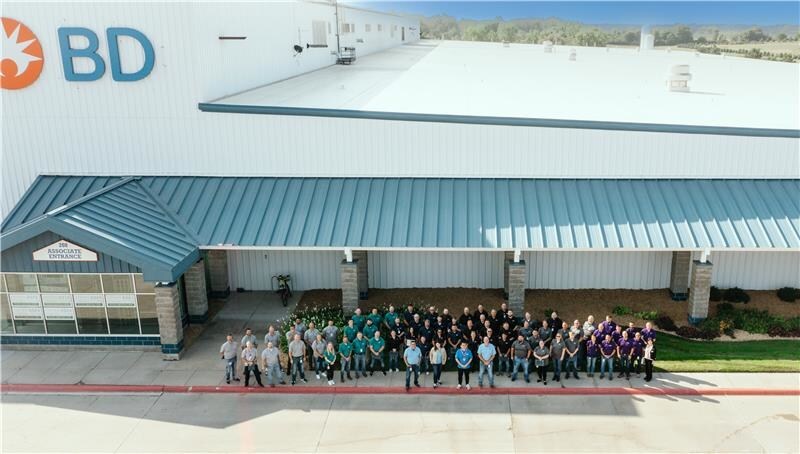
BD (Becton, Dickinson and Company), a leading global medical technology company, has announced a $110m investment to expand its production of prefillable syringes, helping accelerate biologic and GLP-1 drug delivery and supporting pharmaceutical reshoring in the U.S.

This investment will bring BD Neopak™ Glass Prefillable Syringe production to Columbus, Nebraska, creating approximately 120 new jobs and reinforcing the company’s supply resilience within its Pharmaceutical Systems portfolio.

“This is good news for Nebraska,” said Sen. Ricketts. “It has the potential to bring over 100 new jobs to our state. This investment further underscores BD’s ongoing commitment to keep critical manufacturing in states like Nebraska. I appreciate BD’s long-standing partnership with the Cornhusker State.”

The BD Neopak™ Glass Prefillable Syringe platform is purpose-built to meet the complex and evolving needs of biologics and combination products development. Available in 1 mL and 2.25 mL formats, the BD Neopak™ Glass Prefillable Syringe supports a wide range of formulation requirements, including high viscosity, drug-container compatibility, and integration with delivery devices. It is designed for seamless integration with autoinjectors, enabling flexible, patient-centric drug delivery in both clinical and at-home settings.

“As demand for biologics and GLP-1s accelerates, BD is strengthening its American manufacturing footprint to support U.S.-based drug delivery innovation and supply chain resiliency,” said Patrick Jeukenne, worldwide president of BD Pharmaceutical Systems. “This investment in Nebraska, advances our long-term growth strategy and reflects our commitment to partnering with biopharmaceutical innovators as they bring advanced therapies to patients who require next-generation drug delivery solutions.”

Strategic Investments in Columbus, Nebraska

BD is investing $100m to establish BD Neopak™ Glass Prefillable Syringe production at its Columbus site, with supply expected to begin in mid-2026. This investment will also support additional line upgrades and capacity improvements across the site, ensuring BD can meet growing global demand for advanced injectable solutions. In addition, BD is investing $10m to enhance cannula manufacturing capabilities at the site, and together these investments will add approximately 120 new jobs.

This announcement builds on BD’s recent investment of more than $35m to expand prefilled flush syringe manufacturing in Columbus, which will add approximately 50 new jobs and strengthen the supply of critical medical devices to health care providers across the U.S. BD Columbus has been a strategic site within BD’s global manufacturing network for more than 75 years and is home to part of the company’s vertically integrated cannula manufacturing operations, including design and production. As the largest medical device manufacturer in the United States, these investments are part of BD’s commitment to invest more than $2.5bn in U.S. manufacturing capabilities over the next five years.

Strengthening U.S. Supply Chain Resilience

This expansion underscores the company’s commitment to building a more resilient and responsive pharmaceutical supply chain in the United States. By localizing production of the BD Neopak™ Glass Prefillable Syringe platform, BD is helping to ensure continuity, scalability, and speed to market for life-changing injectable therapies – especially as demand rises for biologics and combination products used to treat chronic and high-burden diseases.

As the global leader in biologics drug delivery, BD continues to invest in innovation and infrastructure to meet current needs and ensure that patients everywhere can benefit from the therapies of tomorrow.

Free Training

Source link

KULR Technology Group Awarded 5-year Preferred Battery Supply Agreement from Caban Energy; Expands U.S. Manufacturing Footprint


HOUSTON, Jan. 14, 2026 (GLOBE NEWSWIRE) — KULR Technology Group, Inc. (NYSE American: KULR) (the “Company” or “KULR”), an energy-systems platform company that enables the safe, certifiable deployment of ultra-high-power lithium battery systems for space and defense programs, hyperscale AI data centers, and telecom infrastructure OEMs, today announced it was awarded a five‑year preferred battery supply agreement from Caban Energy (“Caban”), a Miami-based renewable energy services and technology company delivering flexible solutions for critical infrastructure. The agreement, generating an estimated $30 million in total revenue to KULR starting 2026, further reinforces KULR’s strategy to deliver mission‑critical energy‑storage technologies across digital infrastructure, communications, aerospace, and defense markets, while expanding U.S.‑based manufacturing capacity to support growing customer demand.

No Image

KULR’s expansion into lithium-based battery solutions for digital infrastructure and telecommunications underscores the increasingly central role of advanced energy storage in ensuring continuous, mission-critical network operations. In telecom environments, batteries serve as the primary line of defense against grid interruptions – preserving network availability, minimizing service outages, and sustaining communications during emergency conditions as expectations for uptime and resilience continue to rise. By integrating telecom-focused battery solutions into its portfolio, KULR is aligning its technology platform with the evolving requirements of digital infrastructure operators who require reliable, high-performance backup power to support 5G rollouts and long-term network scalability.

As part of the agreement, the Company took over Caban’s Plano, Texas‑based manufacturing assets, strengthening KULR’s domestic production footprint and accelerating its expansion into communications, fiber, and data‑center energy‑storage markets across the United States.

Get the latest news


delivered to your inbox

Sign up for The Manila Times newsletters

By signing up with an email address, I acknowledge that I have read and agree to the Terms of Service and Privacy Policy.

“This supplier award and the addition of manufacturing assets are timely and important steps as we continue to scale into fast‑growing global markets,” said Michael Mo, Chief Executive Officer of KULR Technology Group. “By centralizing and integrating these capabilities into our U.S. manufacturing operations, we expect to increase development and production throughput and deliver high‑reliability energy systems at the scale required by our customers.”

Caban focuses on decarbonizing energy for critical infrastructure, including telecommunications networks and other mission‑critical facilities. A core component of Caban’s commercial model is Energy‑as‑a‑Service (EaaS), through which the company installs, operates, and owns renewable energy infrastructure while customers pay a predictable monthly fee without upfront capital expenditure. Caban’s EaaS offerings are designed to lower operating costs, reduce carbon footprint, eliminate risk exposure, and improve the reliability and predictability of energy supply. The company has experienced strong momentum in recent years, forging key partnerships and securing long-term contracts with some of the largest telecommunications companies in the world, including a new project with Digicel announced earlier this year. Its solutions have been successfully deployed across 12 countries, enabling businesses to enhance their energy resilience while meeting ambitious sustainability goals.

About KULR Technology Group, Inc.

KULR Technology Group, Inc. (NYSE American: KULR) is an energy-management and reliability platform company delivering certifiable battery safety, vibration-mitigation, and thermal control solutions that enable ultra-high-power lithium-ion systems and sensitive electronics to operate reliably across space and defense missions, hyperscale AI data centers, telecom infrastructure and mobility applications.

About Caban

Caban, founded in 2018, set out to tackle the challenge of decarbonizing one of the most fossil fuel-dependent industries. Initially focused on providing alternative energy solutions for the telecommunications industry in the Americas, the company has demonstrated success in supplying energy to several of the world’s largest telecom operators. Building on this momentum, Caban has scaled globally and expanded its reach to support clean energy needs across critical infrastructure sectors worldwide. Caban uniquely combines service, hardware, software, and finance tools to deliver reliable, clean power and boosts your bottom line. This turnkey approach allows clients to work directly with one trusted partner to achieve reliability and decarbonization across their operations.

For more information, visit www.cabanenergy.com.

Find KULR: Website | X | Telegram | LinkedIn | Instagram | TikTok | Facebook

Safe Harbor Statement

This release contains certain forward-looking statements based on our current expectations, forecasts and assumptions that involve risks and uncertainties. Forward-looking statements in this release are based on information available to us as of the date hereof. Our actual results may differ materially from those stated or implied in such forward-looking statements, due to risks and uncertainties associated with our business, which include the risk factors disclosed in our Form 10-K filed with the Securities and Exchange Commission on March 31, 2025, as may be amended or supplemented by other reports we file with the Securities and Exchange Commission from time to time. Forward-looking statements include statements regarding our expectations, beliefs, intentions, or strategies regarding the future and can be identified by forward-looking words such as “anticipate,” “believe,” “could,” “estimate,” “expect,” “intend,” “may,” “should,” and “would” or similar words. All forecasts are provided by management in this release are based on information available at this time and management expects that internal projections and expectations may change over time. In addition, the forecasts are entirely based on management’s best estimate of our future financial performance given our current contracts, current backlog of opportunities and conversations with new and existing customers about our products and services. We assume no obligation to update the information included in this press release, whether as a result of new information, future events or otherwise.

Investor Relations:

KULR Technology Group, Inc.

Phone: 858-866-8478 x 847

Email: [email protected]

KULR Media Relations:

M Group Strategic Communications (on behalf of KULR)

Email: [email protected]

A photo accompanying this announcement is available at: https://www.globenewswire.com/NewsRoom/AttachmentNg/0b2da4ec-b5ec-46a6-8af2-19f9fac9a770

Free Training

Source link

KULR Technology Group Awarded 5-year Preferred Battery Supply Agreement from Caban Energy; Expands U.S. Manufacturing Footprint


HOUSTON, Jan. 14, 2026 (GLOBE NEWSWIRE) — KULR Technology Group, Inc. (NYSE American: KULR) (the “Company” or “KULR”), an energy-systems platform company that enables the safe, certifiable deployment of ultra-high-power lithium battery systems for space and defense programs, hyperscale AI data centers, and telecom infrastructure OEMs, today announced it was awarded a five‑year preferred battery supply agreement from Caban Energy (“Caban”), a Miami-based renewable energy services and technology company delivering flexible solutions for critical infrastructure. The agreement, generating an estimated $30 million in total revenue to KULR starting 2026, further reinforces KULR’s strategy to deliver mission‑critical energy‑storage technologies across digital infrastructure, communications, aerospace, and defense markets, while expanding U.S.‑based manufacturing capacity to support growing customer demand.

KULR Caban Lockout

KULR’s expansion into lithium-based battery solutions for digital infrastructure and telecommunications underscores the increasingly central role of advanced energy storage in ensuring continuous, mission-critical network operations. In telecom environments, batteries serve as the primary line of defense against grid interruptions – preserving network availability, minimizing service outages, and sustaining communications during emergency conditions as expectations for uptime and resilience continue to rise. By integrating telecom-focused battery solutions into its portfolio, KULR is aligning its technology platform with the evolving requirements of digital infrastructure operators who require reliable, high-performance backup power to support 5G rollouts and long-term network scalability.

As part of the agreement, the Company took over Caban’s Plano, Texas‑based manufacturing assets, strengthening KULR’s domestic production footprint and accelerating its expansion into communications, fiber, and data‑center energy‑storage markets across the United States.

“This supplier award and the addition of manufacturing assets are timely and important steps as we continue to scale into fast‑growing global markets,” said Michael Mo, Chief Executive Officer of KULR Technology Group. “By centralizing and integrating these capabilities into our U.S. manufacturing operations, we expect to increase development and production throughput and deliver high‑reliability energy systems at the scale required by our customers.”

Caban focuses on decarbonizing energy for critical infrastructure, including telecommunications networks and other mission‑critical facilities. A core component of Caban’s commercial model is Energy‑as‑a‑Service (EaaS), through which the company installs, operates, and owns renewable energy infrastructure while customers pay a predictable monthly fee without upfront capital expenditure. Caban’s EaaS offerings are designed to lower operating costs, reduce carbon footprint, eliminate risk exposure, and improve the reliability and predictability of energy supply. The company has experienced strong momentum in recent years, forging key partnerships and securing long-term contracts with some of the largest telecommunications companies in the world, including a new project with Digicel announced earlier this year. Its solutions have been successfully deployed across 12 countries, enabling businesses to enhance their energy resilience while meeting ambitious sustainability goals.

About KULR Technology Group, Inc.
KULR Technology Group, Inc. (NYSE American: KULR) is an energy-management and reliability platform company delivering certifiable battery safety, vibration-mitigation, and thermal control solutions that enable ultra-high-power lithium-ion systems and sensitive electronics to operate reliably across space and defense missions, hyperscale AI data centers, telecom infrastructure and mobility applications.

About Caban
Caban, founded in 2018, set out to tackle the challenge of decarbonizing one of the most fossil fuel-dependent industries. Initially focused on providing alternative energy solutions for the telecommunications industry in the Americas, the company has demonstrated success in supplying energy to several of the world’s largest telecom operators. Building on this momentum, Caban has scaled globally and expanded its reach to support clean energy needs across critical infrastructure sectors worldwide. Caban uniquely combines service, hardware, software, and finance tools to deliver reliable, clean power and boosts your bottom line. This turnkey approach allows clients to work directly with one trusted partner to achieve reliability and decarbonization across their operations.

For more information, visit www.cabanenergy.com.

Find KULR: Website | X | Telegram | LinkedIn | Instagram | TikTok | Facebook

Safe Harbor Statement
This release contains certain forward-looking statements based on our current expectations, forecasts and assumptions that involve risks and uncertainties. Forward-looking statements in this release are based on information available to us as of the date hereof. Our actual results may differ materially from those stated or implied in such forward-looking statements, due to risks and uncertainties associated with our business, which include the risk factors disclosed in our Form 10-K filed with the Securities and Exchange Commission on March 31, 2025, as may be amended or supplemented by other reports we file with the Securities and Exchange Commission from time to time. Forward-looking statements include statements regarding our expectations, beliefs, intentions, or strategies regarding the future and can be identified by forward-looking words such as “anticipate,” “believe,” “could,” “estimate,” “expect,” “intend,” “may,” “should,” and “would” or similar words. All forecasts are provided by management in this release are based on information available at this time and management expects that internal projections and expectations may change over time. In addition, the forecasts are entirely based on management’s best estimate of our future financial performance given our current contracts, current backlog of opportunities and conversations with new and existing customers about our products and services. We assume no obligation to update the information included in this press release, whether as a result of new information, future events or otherwise.

Investor Relations:
KULR Technology Group, Inc.
Phone: 858-866-8478 x 847
Email: ir@kulr.ai

KULR Media Relations:
M Group Strategic Communications (on behalf of KULR)
Email: kulr@mgroupsc.com

A photo accompanying this announcement is available at: https://www.globenewswire.com/NewsRoom/AttachmentNg/0b2da4ec-b5ec-46a6-8af2-19f9fac9a770


Primary Logo

This article contains syndicated content. We have not reviewed, approved, or endorsed the content, and may receive compensation for placement of the content on this site. For more information please view the Barchart Disclosure Policy here.

Free Training

Source link

Samsung Biologics looks to scale up U.S. manufacturing in Maryland


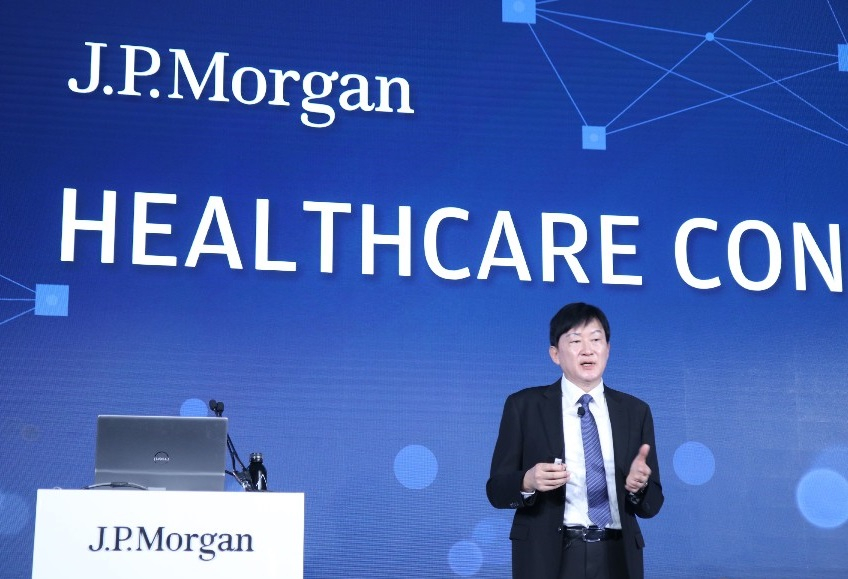
Samsung Biologics CEO John Rim delivers his keynote speech outlining the company's future roadmap at the 44th J.P. Morgan Health Care Conference held at Westin St. Francis Hotel in San Francisco on Jan. 13. [SAMSUNG BIOLOGICS]

Samsung Biologics CEO John Rim delivers his keynote speech outlining the company’s future roadmap at the 44th J.P. Morgan Health Care Conference held at Westin St. Francis Hotel in San Francisco on Jan. 13. [SAMSUNG BIOLOGICS]

 
SAN FRANCISCO — Samsung Biologics is seeking to strengthen its U.S. footprint by expanding capacity at its recently acquired manufacturing facility in Rockville, Maryland, as it seeks to meet growing customer demand for U.S.-based production amid shifting trade policies.
 
“The GSK facility acquisition is anticipated to close in March this year, giving us regional presentation in the United States,” said CEO John Rim at the 44th J.P. Morgan Health Care Conference on Tuesday. “It will have flexibility to take on additional products beyond the GSK product line.”
 
Samsung Biologics announced in December 2025 that it would acquire the Rockville facility from GlaxoSmithKline for $280 million. The plant has an annual production capacity of 60,000 liters (15,850 gallons).
 
 
“It [the U.S. factory] has always been a higher cost area and everybody knows that, but for us, the U.S. was critical and the reason for that is we’ve lost customers because we didn’t have a U.S. presence,” Rim said, adding that clients wanted supply chain resiliency.
 
While the Rockville facility is modest in scale compared to Samsung Biologics’ five plants in Songdo, Korea — which together have a combined capacity of 785,000 liters — the company said the U.S. site can be expanded by an additional 20,000 to 40,000 liters.
 
“Everybody understands that there’s some pricing flexibility, so we’ll have to work through,” Rim said. “But we do see that having the Rockfield facility will open up new venues of growth for us.”
 
Initially, the plant will continue manufacturing existing GSK products, including Benlysta, a monoclonal antibody treatment for lupus. Over time, the facility is expected to be upgraded to support multiple modalities, particularly antibody production.
 
Samsung Biologics CEO John Rim delivers his keynote speech outlining the company's future roadmap at the 44th J.P. Morgan Health Care Conference held at Westin St. Francis Hotel in San Francisco on Jan. 13. [SAMSUNG BIOLOGICS]

Samsung Biologics CEO John Rim delivers his keynote speech outlining the company’s future roadmap at the 44th J.P. Morgan Health Care Conference held at Westin St. Francis Hotel in San Francisco on Jan. 13. [SAMSUNG BIOLOGICS]

 
“Whether antibody drug conjugate [ADC] capabilities are added in the future will depend on demand,” Rim added at a separate press conference held with the Korean press on Monday.
 
With the facility, the Korean company will have more than 500 employees working at the site, and plans to recruit more U.S talent in the future.
 
The company’s main production site, however, remains rooted in its Songdo campus as U.S. tariffs on biopharmaceutical imports have largely dissolved. While tariffs were previously discussed at levels as high as 250 percent, subsequent bilateral negotiations have capped potential tariffs at 15 percent, significantly reducing trade-related risk.
 
In parallel, Samsung Biologics is continuing to expand domestically. Construction of a sixth plant is expected to begin between 2026 and 2027, and the company has secured land for a third phase of its Songdo manufacturing campus. It plans to invest approximately 7 trillion won ($4.7 billion) through 2034 to build additional production facilities.
 
Looking ahead, Rim said the company’s investment strategy, including mergers and acquisitions, will remain focused on antibody manufacturing.
 
 
The global biopharmaceutical market is projected to grow at a compound annual growth rate of 10 percent, from $565 billion in 2025 to $921 billion in 2030, according to market researcher Evaluate Pharma, driven in particular by monoclonal antibodies, multispecific antibodies, ADCs and fusion proteins.
 
“The antibody market is so large that even single-digit growth translates into meaningful demand,” Rim said. “Other segments may grow faster in percentage terms, but their overall impact is limited by smaller market size.”
 
Samsung Biologics is also closely monitoring developments in GLP-1 therapies — particularly the shift toward oral formulations — as well as opportunities in peptide manufacturing.
 
The company has rebranded its contract manufacturing offering under the name ExcellenS, a move that reflects its emphasis on tailored production and operational efficiency, based on standardized and scalable manufacturing processes.
 
Samsung Biologics is scheduled to report its fourth-quarter and full-year 2025 earnings on Jan. 21. The company recorded a record annual order intake of 6.8 trillion won in 2025, with cumulative orders surpassing $21 billion.
 

BY LEE JAE-LIM [[email protected]]

Free Training

Source link

Johnson & Johnson Reaches Agreement with U.S. Government to Improve Access to Medicines and Lower Costs for Millions of Americans; Delivers on U.S. Manufacturing and Innovation Investments


Voluntary agreement will allow millions of Americans to purchase medicines at significantly discounted rates


Agreement provides Johnson & Johnson pharmaceutical products an exemption from U.S. tariffs

Company announces two new additional manufacturing facilities to be built in North Carolina and Pennsylvania; continues to deliver on $55 billion U.S. investment

NEW BRUNSWICK, N.J.–(BUSINESS WIRE)–Johnson & Johnson (NYSE: JNJ) (the “Company”), healthcare’s leading, most comprehensive innovation powerhouse, today announced a voluntary agreement with the Trump Administration to improve access to medicines and lower costs for millions of American patients. The joint agreement meets the requests laid out by President Trump to the industry and provides the Company’s pharmaceutical products an exemption from tariffs1.

“Today’s agreement shows that when the public and private sectors work together towards shared goals, we can deliver real results for patients and the U.S. economy,” said Joaquin Duato, Chairman and Chief Executive Officer, Johnson & Johnson. “I’m proud that Johnson & Johnson is answering President Trump’s call to lower drug prices for everyday Americans while maintaining our role in improving and saving lives and ensuring that the United States continues to lead the world in healthcare innovation.”

Improving Access and Lowering Costs for U.S. Patients

Johnson & Johnson is working with the Trump Administration to improve access to medicines and lower costs for millions of American patients. The Company is:

  • Participating in TrumpRx.gov, a direct to patient platform, which will allow millions of American patients to purchase medicines from Johnson & Johnson at significantly discounted rates.
  • Enabling American patients to access medicines at comparable prices to other developed countries.
  • Providing Medicaid program access at comparable prices to other developed countries.
  • Continuing to support the Administration’s efforts to ensure better recognition of the value of health care across developed markets globally.

Delivering On Our $55B U.S. Investment

Johnson & Johnson also continues to deliver on our previously announced $55 billion investment to support U.S. manufacturing, research and development, and technology investments by early 2029. In just the last 10 months, the Company has initiated billions of dollars in investment in U.S. manufacturing, which will support the Company’s goal of manufacturing the vast majority of its advanced medicines in the U.S. to meet the needs of U.S. patients.

Today, as part of the $55 billion investment, the Company is announcing two new U.S. manufacturing facilities, including a next generation cell therapy manufacturing site in Pennsylvania and a state-of-the-art drug product manufacturing facility in North Carolina.

Additionally, construction is progressing on our $2 billion state-of-the-art biologics manufacturing facility in Wilson, North Carolina, which the Company broke ground on last year. That project will create approximately 5,000 skilled manufacturing and construction jobs in the state. Johnson & Johnson is already ramping up the hiring of advanced manufacturing employees to work at the facility.

In September, the Company also secured a new 160,000+ square foot dedicated biopharmaceutical manufacturing site in Holly Springs, North Carolina. The $2 billion commitment over the next 10 years will create approximately 120 new jobs in North Carolina.

Johnson & Johnson expects to announce additional U.S. investments later this year.

About Johnson & Johnson:

At Johnson & Johnson, we believe health is everything. Our strength in healthcare innovation empowers us to build a world where complex diseases are prevented, treated, and cured, where treatments are smarter and less invasive, and solutions are personal. Through our expertise in Innovative Medicine and MedTech, we are uniquely positioned to innovate across the full spectrum of healthcare solutions today to deliver the breakthroughs of tomorrow and profoundly impact health for humanity. Learn more at www.jnj.com.

Cautions Concerning Forward-Looking Statements

This press release contains “forward-looking statements” as defined in the Private Securities Litigation Reform Act of 1995. The reader is cautioned not to rely on these forward-looking statements. These statements are based on current expectations of future events. If underlying assumptions prove inaccurate or known or unknown risks or uncertainties materialize, actual results could vary materially from the expectations and projections of Johnson & Johnson. Risks and uncertainties include, but are not limited to: challenges and uncertainties inherent in product research and development, including the uncertainty of clinical success and of obtaining regulatory approvals; uncertainty of commercial success; manufacturing difficulties and delays; competition, including technological advances, new products and patents attained by competitors; challenges to patents; product efficacy or safety concerns resulting in product recalls or regulatory actions; changes in behavior and spending patterns of purchasers of health care products and services; changes to applicable laws and regulations, including global health care reforms; and trends toward health care cost containment. A further list and descriptions of these risks, uncertainties and other factors can be found in Johnson & Johnson’s most recent Annual Report on Form 10-K, including in the sections captioned “Cautionary Note Regarding Forward-Looking Statements” and “Item 1A. Risk Factors,” and in Johnson & Johnson’s subsequent Quarterly Reports on Form 10-Q and other filings with the Securities and Exchange Commission. Copies of these filings are available online at www.sec.gov, www.jnj.com, www.investor.jnj.com or on request from Johnson & Johnson. Johnson & Johnson does not undertake to update any forward-looking statement as a result of new information or future events or developments.

1 Specific terms of the agreement remain confidential.

Contacts

Media contact:
media-relations@its.jnj.com

Investor contact:

investor-relations@its.jnj.com

Free Training

Source link

Ralph Lauren Invests in Domestic Fashion as U.S. Manufacturing Job Market Shrinks


Ralph Lauren and the Council of Fashion Designers of America is widening its financial commitment to domestic apparel production as new economic data underscore just how fragile American fashion manufacturing has become.

This week, the CFDA announced two new grant programs aimed at stabilizing and modernizing U.S.-based fashion manufacturing, extending its support well beyond New York City for the first time. The move comes as fresh analysis from Deloitte shows that apparel and textile manufacturing remain among the fastest-declining segments of the U.S. industrial economy, even as policymakers push to reshore production.

The first initiative, the CFDA x NY Forward Grant Fund, is a city-focused effort developed with funding from the New York State Department of State and Ralph Lauren Corp. It will provide partially matching grants to designers and manufacturers operating in New York City’s Garment District, an area that has steadily lost factories and skilled labor over the past two decades.

The second program, the U.S. Fashion Manufacturing Fund, represents a broader national expansion. Also created with Ralph Lauren as a founding partner, the new fund will operate from 2027 through 2029 and support manufacturers across key apparel-producing regions including California, New Jersey, North Carolina, South Carolina, Texas, and Florida. The program is structured to cover 80 percent of eligible investments, with recipients contributing the remaining 20 percent, and is designed to help manufacturers upgrade machinery, adopt advanced software, and invest in workforce training.

Rather than attempting to recreate the labor-intensive apparel sector that once defined American manufacturing, the CFDA is directing capital toward higher-value, technology-enabled production that can survive within a dramatically changed global economy.

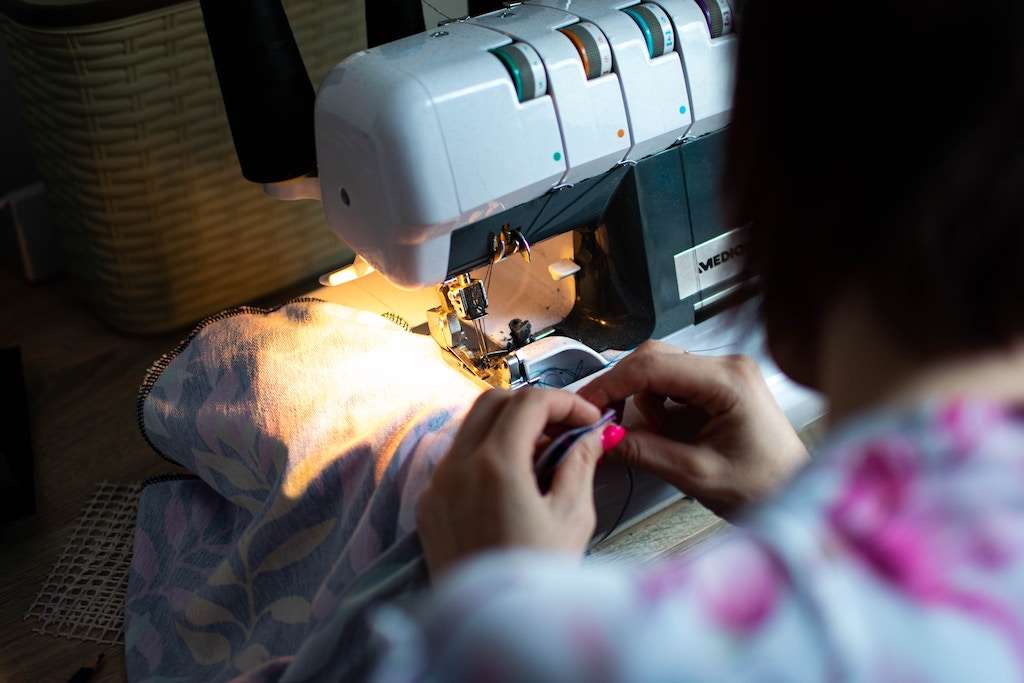
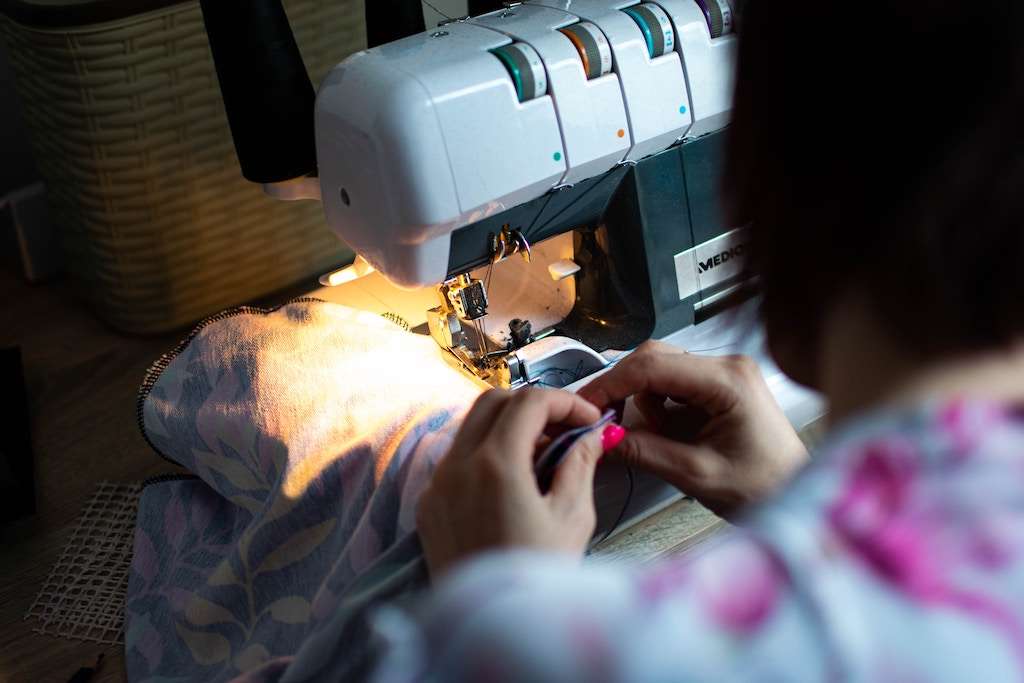
Hands at a sewing machine.Tomáš Petz

“Strengthening American manufacturing to ensure designers have local partners has long been at the core of CFDA’s mission,” Steven Kolb, chief executive officer and president of the CFDA, said in a statement. “We are proud to extend our decade-plus work with Ralph Lauren Corp. and expand to a national level while also continuing our local NYC investments alongside our first-ever partnership with the New York State Department of State.”

Ralph Lauren Corp. has been a central financial backer of the CFDA’s manufacturing efforts since 2013, when the organization launched its Fashion Manufacturing Initiative in partnership with the New York City Economic Development Corp. and industry executive Andrew Rosen. To date, Ralph Lauren has contributed $2 million as the initiative’s premier underwriter, enabling grants to 54 factories and supporting more than 2,000 jobs.

“Our expanded partnership with the CFDA reflects Ralph Lauren’s enduring commitment to advancing innovation and supporting American fashion,” said Katie Ioanilli, chief global impact and communications officer at Ralph Lauren Corp. “This is not only an investment in our industry — it’s an investment in a vital part of American culture that we share with the world.”

The renewed focus on modernization and training arrives as long-term economic trends continue to weigh heavily on apparel production. According to Deloitte’s Economics Insider series, real gross value added in U.S. manufacturing has grown at an average annual rate of 1.5 percent since 2000, compared with 2.1 percent growth across the broader economy. Manufacturing’s share of U.S. economic output stood at 9.4 percent in the second quarter of 2025, down from 15.1 percent 25 years earlier.

Within that contraction, apparel and textiles have been hit particularly hard. Deloitte data show that output in textile mills and textile product manufacturing has declined by an average of 2.9 percent per year since 2000, while apparel, leather, and allied products have fallen by an average of 2.2 percent annually. Employment losses have been even steeper, with apparel payrolls shrinking at an average rate of 6.8 percent per year over the same period.

By contrast, capital-intensive manufacturing sectors such as computer and electronic products have posted strong output growth, reinforcing a reality that CFDA leaders appear to be acknowledging: future domestic fashion manufacturing will depend less on scale and more on specialization, automation, and advanced skills.

The structure of the new grant programs mirrors that shift. Both funds are explicitly designed to help companies modernize equipment, expand technical services, and train workers in advanced production methods rather than increase headcount alone. The CFDA x NY Forward Grant Fund will distribute two rounds of funding in 2026 and 2027, with one manufacturer in each round also receiving the Ralph Lauren Manufacturing Award, which covers the full grant amount in recognition of innovation.

Woman in long coat.Ralph Lauren

New York State remains a focal point. In 2024, the state’s fashion industry was responsible for approximately $25 billion in wages, with New York City accounting for roughly $20 billion annually. Statewide, fashion employs about 315,000 people, including 204,000 jobs based in the city.

Ralph Lauren has also continued to anchor portions of its own production domestically, particularly through its role as Official Outfitter of Team USA. The company manufactures parade ceremony uniforms in the United States, including the opening and closing ceremony looks for the 2026 Milano Cortina Winter Olympic Games, work that has supported multiple American factories.

When asked about the potential for expanding U.S. production further, the company said, “We continue to explore and build additional opportunities to manufacture our products in the U.S. We value the wide range of production solutions that U.S. manufacturers can offer, from heritage craftsmanship to high-tech manufacturing like 3D printing. However, increasing domestic manufacturing is a complex process that requires ongoing collaboration across our sector, from how we collectively source raw materials to increasing existing domestic factory capacity to talent availability.”

The company added, “Working with factories across the country, we produce hundreds of thousands of products across all of our brands in the U.S.”

Deloitte’s analysis suggests that this kind of selective, high-value domestic production is likely to define the sector’s future. While tariffs and trade policy have renewed political interest in reshoring, the firm notes that manufacturing growth now hinges more on skilled labor, automation, and productivity than on sheer employment. As of September 2025, U.S. manufacturing payrolls totaled 12.7 million workers, down from 17.2 million in 2000, even as productivity has risen sharply.

Related on Ethos:

Free Training

Source link

AHF Products to highlight U.S. Manufacturing at TISE 2026


Las Vegas—AHF Products will return to TISE 2026 with a redesigned booth that highlights its U.S. manufacturing platform, flooring brands and product innovation aimed at supporting retailers and distributors.

The exhibit will feature brand-specific zones for Bruce, Hartco, Robbins, Crossville and Armstrong Flooring, with each space tailored to its core audience and product focus.

Bruce will spotlight hands-on demonstrations and interactive displays for installers and younger professionals. Hartco will feature a gallery-style presentation aimed at distributors. Robbins will emphasize craftsmanship and lifestyle storytelling through retail displays. Crossville will present an upscale, bar-inspired setting with premium finishes. Armstrong Flooring will offer a store-within-a-store concept designed to encourage engagement and social sharing.

The booth layout will guide visitors through hardwood, tile, resilient sheet, LVT and rigid core categories. AHF Products said the space supports hands-on exploration and discussion through real product installations, a central bar and meeting area and a private conference room.

“Surfaces gives us the opportunity to connect directly with our customers and show how we are investing in the future of flooring,” said Brent Emore, CEO of AHF Products. “From domestic manufacturing and faster lead times to innovation across multiple categories, our focus remains on supporting growth for our retail and distribution partners.”

U.S. manufacturing focus

AHF Products will emphasize its U.S. manufacturing footprint, which includes two wood plants, four resilient facilities, two porcelain plants and two sawmills across the United States. The company also operates a wholly owned engineered wood plant in Cambodia.

A key highlight is AHF’s rigid core manufacturing facility in Cartersville, Ga., which brings SPC production under company control.

“Our Cartersville facility allows us to deliver rigid core flooring in as little as 40 to 45 days,” said Jennifer Zimmerman, chief commercial officer. “That speed reduces inventory risk while helping customers avoid port delays, tariffs and freight volatility. We will display 60 new SKUs from this plant at Surfaces.”

The facility can produce more than 200 million square feet of HDPC capacity annually. It will support Armstrong Flooring–branded and private-label programs.

The rigid core products feature AHF’s HDPC technology, offering waterproof performance, enhanced dent and impact resistance, dimensional stability, embossed-in-register visuals and flexible installation options.

Product highlights

AHF Products will also showcase select wood and tile introductions aligned with current design and installation trends.

Bruce Natural Choice 5/16-inch solid hardwood offers a low-profile, glue-down option designed for remodels and concrete subfloors. The product is made in the USA.

“Natural Choice makes solid hardwood more accessible,” said Milton Goodwin, vice president of product management, wood. “It delivers authentic visuals with a faster and more flexible installation method.”

Robbins Coastside engineered hardwood will feature wide-plank European white oak visuals inspired by the California coast. The product offers installation flexibility and refinishable performance.

Crossville will highlight U.S.-made porcelain tile collections, including Cleve, a quartzite-inspired tile designed for residential and commercial use. The collection features layered veining, high variation and Crossville’s FeatherSoft finish.

Portland Cliff porcelain tile will also be featured. Inspired by historic Portland stone, the product offers Visual Touch Technology, neutral color options and carbon-neutral production with recycled content.

AHF Products said its Surfaces presence reinforces its commitment to domestic production, private-label capabilities and long-term partnership support.

Free Training

Source link

Samsung Biologics to establish first U.S. manufacturing base in Maryland


ROCKVILLE, MD—In a major win for Maryland’s life sciences sector, Governor Wes Moore announced this week that South Korea-based Samsung Biologics will open its first United States manufacturing facility in Rockville. The move follows a strategic international trade mission led by the Governor earlier this year to strengthen economic ties with East Asian tech leaders.

Samsung Biologics, the world’s largest contract drug manufacturer, has reached an agreement to acquire a manufacturing campus in Rockville from GSK for $280 million. The facility will serve as a cornerstone for the company’s expansion into the American market, providing a localized hub for the production of critical biologic medicines.

Strengthening the Global Supply Chain

The acquisition secures a site that currently houses two high-standard manufacturing plants with a combined capacity of 60,000 liters. Samsung Biologics plans to not only maintain the current production of existing medicines but also invest in significant technology upgrades and capacity expansions.

By establishing a footprint in Maryland, the company aims to create a more resilient supply chain for life-saving therapeutics, offering clinical and commercial production capabilities on U.S. soil.

Economic Impact and Job Retention

A primary component of the agreement is the preservation of Maryland’s specialized workforce. Samsung Biologics has committed to:

  • Retaining more than 500 existing jobs at the Rockville site.
  • Creating additional high-skilled positions as production capacity grows.
  • Generating new opportunities for local Maryland suppliers.

Governor Moore noted that the deal is a testament to the state’s highly skilled workforce and its status as a premier global bio-cluster. The announcement builds on a record year for Maryland’s biopharmaceutical industry, which recently saw a $2 billion investment from AstraZeneca and the arrival of several other international firms.

Strategic Location in the I-270 Tech Corridor

Montgomery County officials emphasized that Rockville’s proximity to federal institutions like the FDA and the NIH makes it an ideal location for global companies navigating complex regulatory environments. County Executive Marc Elrich described the investment as a robust endorsement of the local ecosystem, which relies on a combination of talent, diversity, and public-private partnerships.

The transition is expected to be finalized following the formal close of the acquisition, with Samsung Biologics integrating the Rockville campus into its global network that already spans five major plants in South Korea.

Please follow and like us:

fb-share-icon
Tweet


Chris Montcalmo - Baltimore Acoustic Musician


Free Training

Source link

Tariffs and Deportations – Will They Revive U.S. Manufacturing?


The good news: Tariffs can increase overall U.S. manufacturing employment in the long run. The bad news: Tariffs are likely to reduce U.S. manufacturing employment in the short term, and to cause more reallocation of workers across individual sectors than bring overall employment growth.

Moreover, employment could fall sharply in the short run and remain depressed for many years before it eventually recovers, due to supply-chain adjustment frictions.

That’s the conclusion from Joseph B. Steinberg, in his recent paper for the National Bureau of Economic Research (NBER), titled “Tariffs, Manufacturing Employment, and Supply Chains.”

Steinberg is a professor at the University of Toronto’s economics department, and an NBER Research Associate in the International Finance and Macroeconomics program.

Regarding the overall economic impact of tariffs, Steinberg says that, while they can increase employment of people making goods such as toys, the tradeoff is that the economy would shrink. If tariffs were levied mostly on, say, “upstream” or non-finished materials for which demand fluctuates in line with price (e.g. gasoline), economic output would increase, but then that would cause a fall in employment. All in all, it appears impossible to use tariffs to both increase manufacturing employment and simultaneously improve the overall economy, Steinberg concludes.

The models Steinberg has run worsen if other countries retaliate with symmetrical tariffs, with overall employment in the U.S. goods sector dropping slightly in the long run, and falling almost twice as much in the short run. Only specific sectors with “high elasticity” — goods and services that see significant changes in consumer demand or supply in response to even small changes in price, such as toys — would experience a long-run gain in employment. “Thus, reindustrialization through tariffs hinges on the rest of the world not retaliating,” Steinberg warns.

A similar conundrum comes with the impact on jobs and the economy of the deportation of workers who do not have legal employment status — another high-profile target of the Trump administration. 

The U.S. has long tolerated the fact that a huge proportion of workers in the agriculture, construction and hospitality industries are working illegally, what a 2004 Boston Globe editorial called “the dirty little secret of the American economy.” For example, more than 40% of U.S. farmworkers are undocumented immigrants, according to a 2022 report by the US Department of Agriculture. In California, more than 75% are undocumented, according to the University of California, Merced

Read More: U.S. Tariff and Deportation Policies on Collision Course in Agribusiness

A July 2025 report from the Economic Policy Institute by Ben Zipperer finds that, if the Trump administration follows through on its goals of deporting 4 million people over four years, there will be 3.3 million fewer employed immigrants and 2.6 million fewer employed U.S.-born workers at the end of that period.

It sounds counter-intuitive, but the research is solid, says Zipperer. For example, aggressive deportations can cause a sharp and abrupt enough fall in labor supply that some employers will respond by shutting down operations entirely. This has been clearly seen already in small businesses such as restaurants that serve farming communities in Southern California and the Rio Grande agricultural regions, for example, where fear of ICE crackdowns has kept their customers and employees at home. 

Zipperer points to an earlier, ambitious U.S. immigration enforcement program, “Secure Communities,” that began in 2008 under the administration of President W.H. Bush, which resulted in around 1.2 million deportations that year.  (The Clinton administration still holds the record for numbers of deportations in a single year, at close to 1.9 million in 2000.) Increased immigration-related arrests and deportations reduced the number of childcare facilities, harming both immigrant and U.S.-born employment in the childcare sector, as well as the ability for those who rely on childcare to work, whether U.S. or foreign born.

Further, Zipperer says, the rising threat of arrest or deportation makes it harder for immigrants to find new employment opportunities that do not risk their ability to stay in the U.S., compelling them to stay with a bad or law-breaking employer. With shrinking alternative job options, immigrants are forced to settle for lower wages and poor working conditions. These deteriorating conditions drag down wages and conditions for all workers, Zipperer says. Employment will decline for U.S.-born workers, he adds, as they are less likely to work at jobs with falling wage rates.

Another argument in favor of widespread deportation is that illegal immigrants sap state and federal resources. But, according to U.S. News & World Report, research has shown that immigrants pay more in federal taxes than they receive in government benefits.

“The available evidence suggests that immigration leads to more innovation, a better educated workforce, greater occupational specialization, better matching of skills with jobs, and higher overall economic productivity,” concludes a 2016 report from the Wharton School at the University of Pennsylvania, republished by U.S. Congress in January 2024.

Free Training

Source link