


US manufacturing grew, input costs soared before Iran attack
Published Tue, Mar 3, 2026 · 06:03 AM
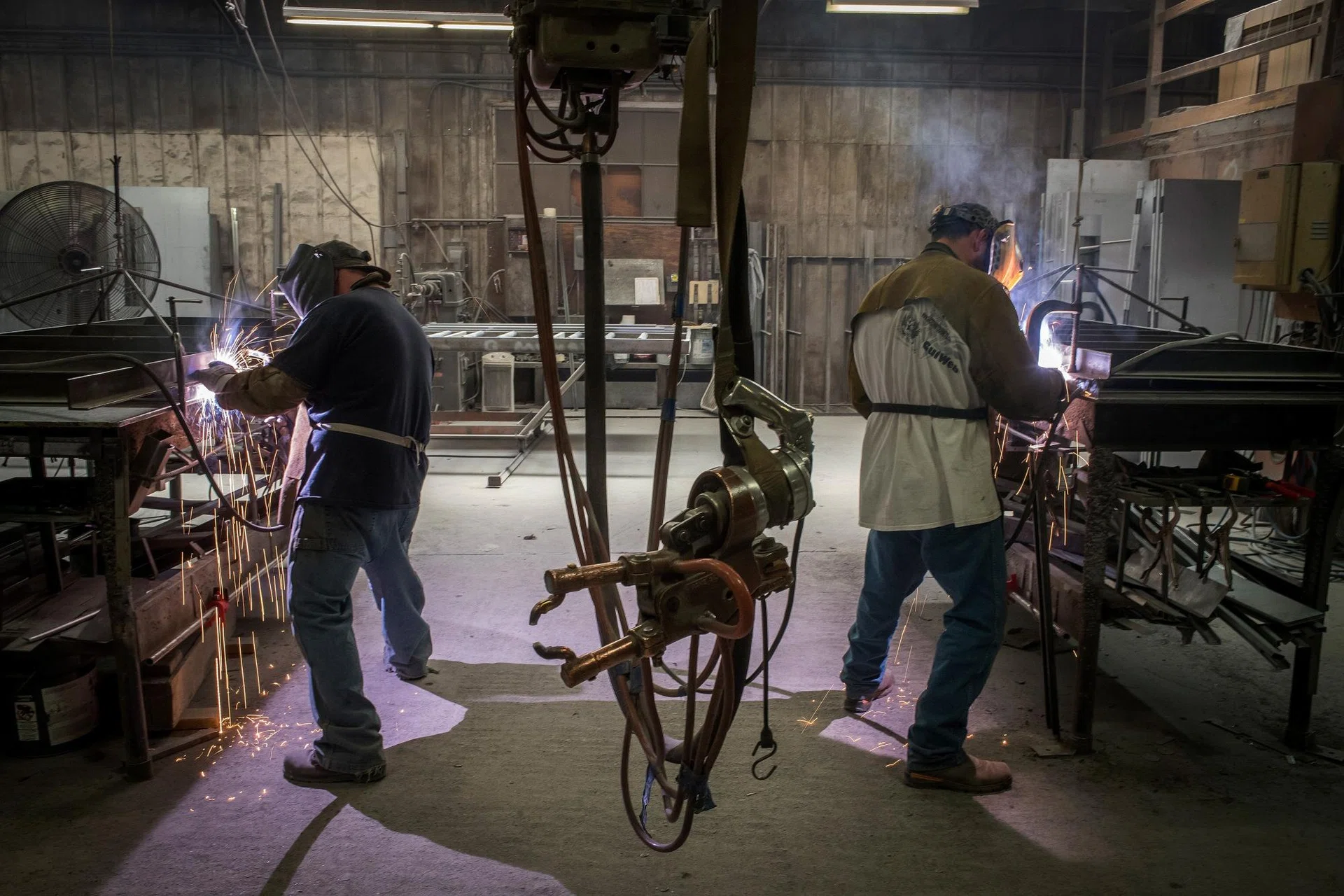
[WASHINGTON] US manufacturing expanded in February but input prices soared at the fastest pace since 2022, stoking fears of an inflation resurgence even before this weekend’s attacks on Iran.
The Institute for Supply Management’s (ISM) gauge of prices paid for manufacturing inputs jumped 11.5 points to 70.5, the highest level since overall inflation peaked nearly four years ago.
The figures out Monday (Mar 2) reflected responses ahead of US and Israeli airstrikes on Iran this past weekend. The war has all but halted oil tanker traffic through the Strait of Hormuz and pushed crude prices sharply higher.
The conflict also risks tempering a nascent recovery in manufacturing. ISM’s measure of factory activity was little changed at 52.4, indicating a second month of growth at one of the highest readings in recent years. Orders and production growth remained solid.
Treasury yields rose following the report. The S&P 500 remained lower.
The group’s price gauge is likely to remain elevated or even push higher over the near-term after oil prices jumped on Monday by the most since early 2022, following Russia’s invasion of Ukraine.
Navigate Asia in
a new global order
Get the insights delivered to your inbox.
Higher energy prices represent the latest cost challenge for manufacturers. If sustained, producers may have little choice but to raise prices for their business customers and consumers.
The impact from the Middle East turmoil will depend on how the duration of the conflict and where primary materials are sourced, said Susan Spence, chair of the ISM Manufacturing Business Survey Committee.
“It really does depend on the sector and where they are importing their raw materials from,” Spence said on a call with reporters. “In general, the supply managers have yet another challenge on their hands.”
SEE ALSO

Producer price data out last week showed the cost of unprocessed goods, minus food and energy, rose more than 15 per cent in January from a year ago, the steepest annual gain since April 2022. A Bloomberg index of metals, including copper and aluminium, has also increased sharply this year.
The assortment of recent price data along with geopolitics point to a steady undercurrent of inflation for US producers, which is being partially fed by higher import duties from the Trump administration. It also explains why US Federal Reserve policymakers are in little rush to lower interest rates after three straight cuts at the end of 2025. BLOOMBERG
Decoding Asia newsletter: your guide to navigating Asia in a new global order. Sign up here to get Decoding Asia newsletter. Delivered to your inbox. Free.
