SIRS-E Reaffirms Commitment to U.S. Manufacturing, In-House


SIRS Electronics

SIRS Electronics

Rosenberg, Texas – Since 2005, SIRS Electronics, Inc. (SIRS-E) has built its linear LED strip lighting and DMX control systems in the United States. In an industry where much of the supply chain has shifted overseas, the company is reaffirming its long-standing commitment to local manufacturing, engineering oversight, and controlled quality processes.

For SIRS-E, manufacturing in Texas has never been a marketing decision. It has been an operational one.

Engineering, Assembly, and Testing Under One Roof

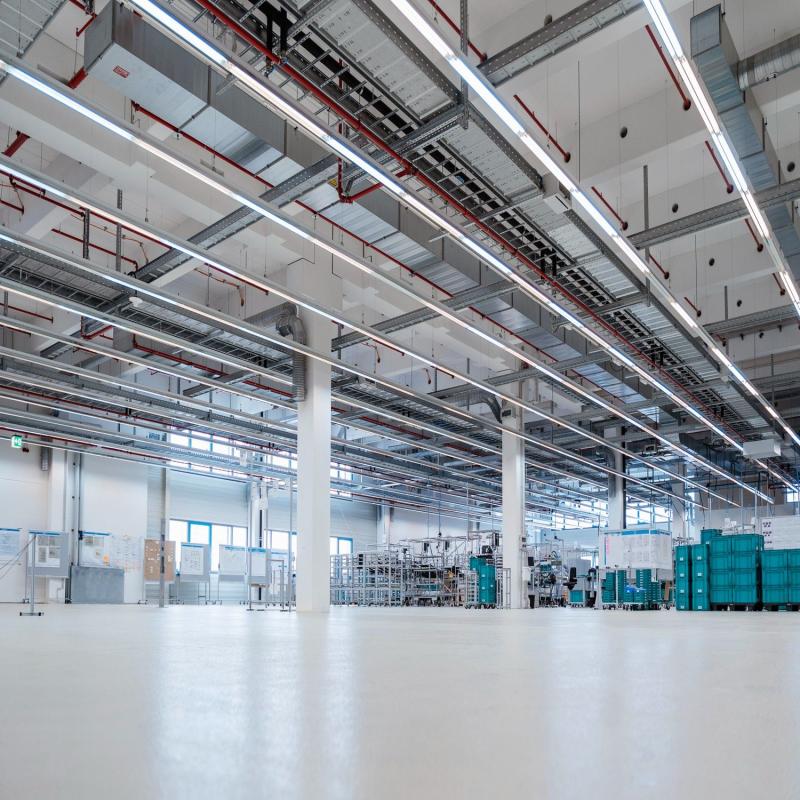
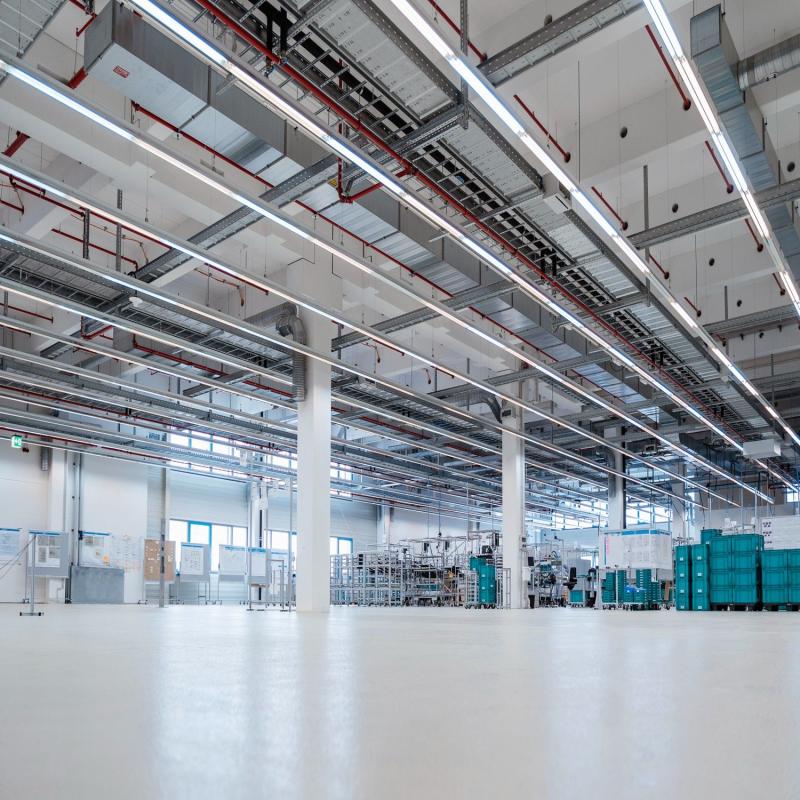
From its approximately 10,000 sq ft manufacturing and warehouse facility in Rosenberg, Texas, SIRS-E designs, assembles, and tests LED strip luminaires and DMX control systems for professional applications.

The facility includes an in-house pick-and-place production line, allowing direct oversight of component placement, soldering integrity, and final assembly before shipment.

By keeping engineering and production closely integrated, SIRS-E maintains tighter control over:

– Product validation and photometric accuracy
– Component traceability
– Production consistency
– Lead time management
– OEM customization requirements

This structure reduces variability and allows faster response when professional installers or OEM partners require design adjustments.

A Measured Response to Industry Shifts

Over the past decade, global supply chain volatility and increasing compliance requirements have placed new pressures on lighting professionals. Contractors and specifiers today face stricter inspection standards, tighter deadlines, and greater accountability for performance.

In this environment, SIRS-E’s local manufacturing model offers practical advantages:

– Greater quality control visibility
– More predictable production cycles
– Direct technical support access
– Reduced risk of undocumented component substitutions

Rather than scaling through volume alone, SIRS-E has focused on disciplined growth, maintaining a 10% annual growth rate while serving more than 4,000 customers worldwide.

Built for Regulated and Professional Environments
SIRS-E products are used in:

– Airports
– Hotels and resorts
– Retail environments
– TV studios and theaters
– Industrial buildings
– Architectural installations

The company emphasizes UL-certified LED strip solutions where applicable and maintains rigorous internal testing procedures. As an active participant in recognized photometric standards, SIRS-E ensures that product data reflects accurate performance metrics professionals can rely on.

Safety and compliance are not optional features. They are embedded in the design process.

The company also strongly encourages the use of licensed electricians for installation and proper electrical practices in the field.

Supporting OEMs and Integrators Beyond the Product

SIRS-E’s Manufacturing and OEM Services division works directly with:

– OEM manufacturers
– System integrators
– Architectural installers
– Re-sellers

The company offers in-house engineering collaboration, mechanical implementation support, and re-branding options for qualified partners. Technical support remains a core differentiator. Project lifecycle guidance, documentation, and responsive communication are standard expectations.

A Long-Term Philosophy

SIRS-E began operations in 2005 during the early expansion of LED technology. From a small Texas operation in McAllen, the company expanded to its current Rosenberg facility while retaining its U.S.-based production model.

“Lighting failures don’t show up in brochures,” said Diego Iorio, CEO and Founder of SIRS-E. “They show up during inspections and maintenance calls. We manufacture locally because accountability matters. When engineering, assembly, and testing are close together, we can control the outcome and our customers can trust the result.”

The company continues to invest in its people, production infrastructure, and educational programs, reinforcing its long-term position as a stable manufacturing partner in the professional LED lighting industry.

SIRS Electronics Inc
3307 West Street, Rosenberg, TX 77471
contactus@sirs-e.com

Founded in 2005, SIRS-E specializes in linear LED strip lighting, DMX control systems, LED drivers, power supplies, and accessories. The company designs LED strips in the United States and manufactures locally in Rosenberg, Texas, serving OEMs, system integrators, and professional installers worldwide.

SIRS-E remains committed to American manufacturing, controlled quality processes, UL compliance, and long-term technical support.

For more information, visit: https://sirs-e.com/

This release was published on openPR.

Free Training

Source link

Metal Tariff Relief: US Manufacturing Policy Guide


Current Trade Policy Challenges in US Manufacturing Supply Chains

The intersection of international trade policies and domestic manufacturing capacity has become increasingly complex in recent years, particularly affecting industries that rely heavily on imported raw materials. Trade relationships with traditional allies now face scrutiny through various tariff mechanisms, creating ripple effects throughout US supply chains. Understanding how these policy frameworks operate and their downstream impacts on consumer goods provides crucial insight into the broader economic implications of current trade strategies.

Metal tariff relief has emerged as a critical policy consideration for maintaining competitive manufacturing sectors while balancing national security concerns. Furthermore, the tension between protecting domestic production and ensuring access to essential materials highlights the complexity of modern trade policy implementation. The relationship between US tariffs and inflation demonstrates how these policies affect broader economic conditions beyond their intended targets.

Join thousands of readers who start here

Our best articles, sent straight to your inbox. You can unsubscribe anytime.

Current Tariff Framework Architecture

The United States operates multiple tariff systems that affect metal imports, each serving different policy objectives. Section 232 provisions focus on national security considerations for steel and aluminum imports, while Section 301 mechanisms target specific trading relationships. These frameworks create a complex regulatory environment where manufacturers must navigate various exclusion processes to access essential materials.

The exclusion request process involves detailed documentation requirements, extended review periods, and uncertain approval outcomes. Companies must demonstrate that domestic alternatives are unavailable or insufficient to meet their production needs. However, this administrative burden often disproportionately affects smaller manufacturers who lack the resources to manage complex regulatory submissions.

Strategic Exemptions vs. Blanket Protection

Policy makers must balance broad industry protection with targeted relief for critical supply chains. Strategic exemptions allow for nuanced approaches that consider specific manufacturing needs while maintaining overall trade policy objectives. This approach recognizes that certain industries require imported materials to maintain competitiveness and consumer affordability.

The challenge lies in creating clear criteria for exemptions that prevent abuse while ensuring legitimate manufacturing needs are met. Industries with strong national security implications or significant consumer impact often receive priority consideration in exemption processes. In addition, understanding tariffs’ investment impacts helps policymakers assess the broader economic consequences of their decisions.

Supply Chain Vulnerabilities in Food Packaging Industries

Domestic Production Capacity Decline

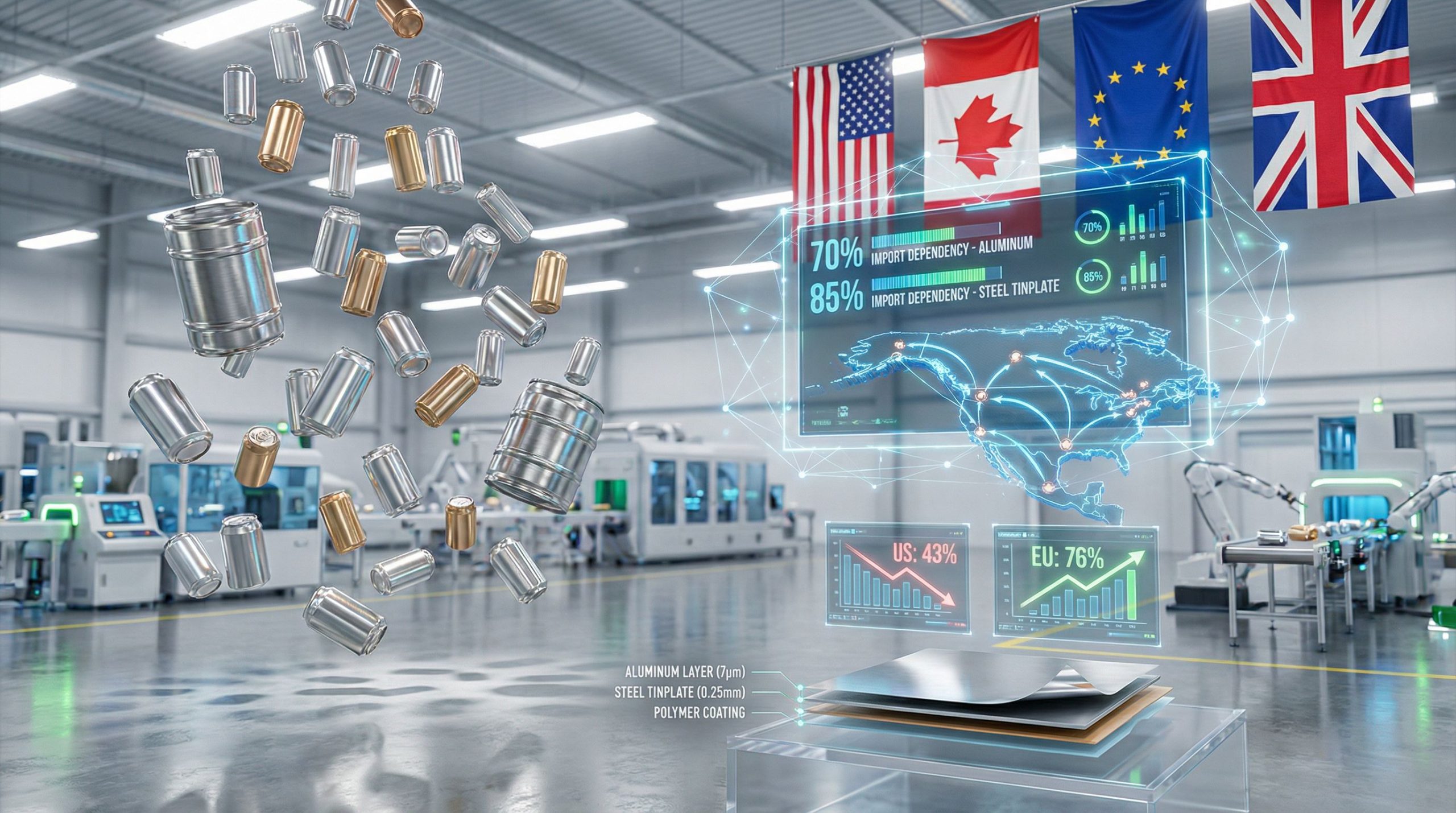
The can manufacturing sector illustrates how trade policies can affect domestic production capacity over time. According to industry data, domestic steel tinplate production has experienced dramatic consolidation, with operational lines decreasing from 12 to just 3 between 2018 and 2026. This reduction represents a fundamental shift in the industry’s production landscape and highlights the vulnerability of domestic supply chains.

The decline in domestic capacity forces manufacturers to rely increasingly on imports from traditional trading partners including Canada, the United Kingdom, and European Union nations. This dependency creates potential supply chain risks during periods of trade tension or international disruptions. Furthermore, the EU expects US to ease impact of metals tariffs in coming negotiations.

Production Metric
2018 Baseline
2026 Current
Change

Steel Tinplate Lines
12
3
-75%

Import Dependency
Moderate
High
Significant increase

Supply Chain Risk
Low
Elevated
Substantial change

Material Import Dependencies

The food packaging industry relies heavily on specialised materials that meet strict food safety standards. Aluminium for beverage cans and steel tinplate for food cans require specific metallurgical properties and certifications that limit the number of qualified suppliers globally.

These materials often come from established trading partners with proven quality systems and regulatory compliance. Disrupting these supply relationships through tariff policies can create immediate challenges for food manufacturers who need consistent material specifications to maintain product safety and quality. Consequently, US manufacturers advocate for metal tariff relief to address rising costs.

Consumer Price Impact Mechanisms

When material costs increase due to tariffs, food manufacturers face difficult decisions about price absorption versus consumer price increases. The food packaging industry operates on relatively thin margins, making it challenging to absorb significant material cost increases without affecting retail prices.

Regional variations in pricing can emerge based on proximity to remaining domestic production facilities versus import-dependent markets. This geographic disparity can create competitive advantages for manufacturers located near domestic supply sources while penalising those in import-dependent regions.

Legislative Approaches to Tariff Reform

STEWARD Act Environmental Data Enhancement

The STEWARD Act represents a comprehensive approach to improving recycling programme data collection and reporting. This legislation would require the Environmental Protection Agency to enhance its data gathering capabilities for recycling and composting programmes nationwide, creating better visibility into material flows and recovery rates.

Improved data collection would enable policy makers to make more informed decisions about material flows and identify opportunities for domestic capacity expansion. The legislation recognises that effective recycling policy requires accurate baseline data and standardised reporting mechanisms.

CIRCLE Act Infrastructure Investment Incentives

The CIRCLE Act proposes tax credit mechanisms to stimulate private investment in recycling infrastructure. By providing financial incentives for qualifying projects, this legislation aims to expand domestic processing capacity and reduce reliance on virgin material imports.

Tax credit programmes can accelerate infrastructure development by improving project economics for private investors. The challenge lies in structuring credits that generate meaningful capacity increases while ensuring public benefit from the tax expenditure. Moreover, these initiatives align with recycling transition strategies being implemented across various industries.

Industry-Specific Relief Proposals

Targeted relief for specific industries requires careful consideration of supply chain characteristics and national security implications. Food packaging materials, for example, have different risk profiles compared to general industrial applications.

Relief proposals must balance immediate industry needs with longer-term domestic capacity development goals. Temporary measures may provide necessary transition time for domestic capacity expansion while ensuring continued manufacturing competitiveness.

Global Recycling Performance Comparisons

Regional Recycling Rate Analysis

The United States significantly lags behind European nations in metal can recycling performance, with aluminium beverage cans achieving only 43% recycling rates compared to 76% in the European Union. Steel can recycling shows similar disparities, with US rates of 44% trailing European performance substantially.

Region
Aluminium Cans
Steel Cans
Policy Framework

United States
43%
44%
Voluntary programmes

European Union
76%
Not specified*
Extended producer responsibility

*Note: The 76% figure represents overall performance for EU, UK, Switzerland, Norway, and Iceland without material-specific breakdowns.

Infrastructure Investment Requirements

Achieving European-level recycling performance would require substantial infrastructure modernisation across collection, sorting, and processing systems. The investment needed extends beyond facility upgrades to include workforce development and consumer education programmes.

Collection system improvements represent a critical bottleneck in US recycling performance. Many regions lack the infrastructure density needed to capture materials efficiently, particularly in rural and suburban areas where transportation costs become prohibitive.

Processing facility modernisation involves both technology upgrades and capacity expansion. Advanced sorting systems and contamination reduction technologies could significantly improve material recovery rates and quality.

Extended Producer Responsibility vs. Voluntary Programmes

European recycling success stems largely from extended producer responsibility frameworks that create financial incentives for manufacturers to design recyclable products and support collection infrastructure. These systems internalise environmental costs into product pricing and create sustainable funding mechanisms for recycling programmes.

Voluntary programmes, while offering implementation flexibility, often struggle to achieve comprehensive coverage and consistent performance. Market-based incentives may not align with optimal environmental outcomes without regulatory frameworks to ensure participation.

Economic Impact Assessment of Current Tariff Policies

Manufacturing Sector Analysis

The Can Manufacturers Institute represents companies generating over $13 billion in annual economic activity, highlighting the significant economic scale affected by metal tariff policies. This economic impact extends beyond direct manufacturing to include suppliers, logistics providers, and supporting service industries.

Regional concentration in manufacturing corridors means that tariff impacts are geographically clustered, potentially affecting entire regional economies. Areas dependent on metal manufacturing face multiplied effects when primary industries experience cost pressures or capacity reductions. The broader implications of Trump’s tariff policies continue to influence these regional dynamics.

Employment and Workforce Considerations

Manufacturing employment in metal-intensive industries faces pressure from both automation trends and trade policy impacts. While tariffs may protect some domestic jobs in primary metal production, downstream manufacturing employment may decline due to higher input costs and reduced competitiveness.

Workforce development programmes must account for changing skill requirements as domestic production methods evolve. Investment in training and education becomes critical for maintaining competitive manufacturing capabilities.

Long-term Competitiveness Factors

Sustaining competitive manufacturing requires balancing short-term protection with long-term innovation and efficiency improvements. Metal tariff relief policies must consider how temporary measures can support transition to more sustainable competitive positions.

Technology transfer opportunities from international partnerships may be affected by trade tensions, potentially limiting access to advanced manufacturing techniques and process improvements. For instance, US–China trade impacts continue to shape global manufacturing relationships.

Section 232 Exclusion Procedures

Companies seeking relief from steel and aluminium tariffs must navigate complex exclusion request procedures with uncertain outcomes. The documentation requirements involve detailed supply chain analysis, domestic availability assessments, and economic impact projections.

Processing timelines can extend over several months, creating planning challenges for manufacturers with time-sensitive production schedules. The uncertainty around approval decisions complicates inventory management and long-term sourcing strategies.

Alternative Sourcing Documentation

Successful exclusion requests often require comprehensive demonstration that domestic alternatives are inadequate for specific applications. This documentation process involves technical specifications, quality certifications, and capacity availability assessments.

Manufacturers must maintain detailed records of sourcing attempts and supplier capabilities to support exclusion requests. This administrative burden requires dedicated resources and expertise in regulatory compliance.

Policy Development Trajectories

The evolution of metal tariff policies will likely reflect broader trade relationship developments with key allies and competitors. Changes in international agreements and bilateral relationships could significantly affect current tariff structures.

Administrative transitions may bring different approaches to balancing protection and competitiveness objectives. Industry stakeholders must prepare for potential policy shifts while advocating for stable, predictable regulatory environments.

Circular Economy Integration Opportunities

Developing domestic recycling capacity represents a potential pathway for reducing import dependencies while supporting environmental objectives. Investment in circular economy infrastructure could address both trade and sustainability policy goals simultaneously.

Metal recycling technologies continue advancing, potentially making domestic secondary production more competitive with imports. These technological improvements could support both environmental and trade policy objectives.

International Partnership Strategies

Maintaining productive trade relationships with traditional allies requires careful balance between protection and cooperation. Metal tariff relief policies should consider how trade measures affect broader strategic partnerships and security cooperation.

Multilateral approaches to trade challenges may offer more sustainable solutions than unilateral measures, particularly for industries dependent on complex international supply chains.

Enjoyed this article?

We publish high-impact stories like this a few times a week. No spam.

Strategic Recommendations for Policy Framework Development

Targeted Relief Implementation

Effective metal tariff relief requires nuanced approaches that consider specific industry characteristics and supply chain requirements. Food packaging industries, for example, have different risk profiles and consumer impact considerations compared to general industrial applications.

Policy mechanisms should provide clear criteria and predictable processes for relief requests. Transparency in decision-making helps manufacturers make informed planning decisions and reduces regulatory uncertainty.

Infrastructure Investment Coordination

Recycling infrastructure development requires coordinated investment across public and private sectors. Tax incentive programmes must align with regulatory frameworks and local development priorities to maximise effectiveness.

Regional coordination becomes important for achieving efficient collection and processing networks. Interstate cooperation may be necessary for developing economically viable recycling systems in smaller markets.

International Partnership Preservation

Trade policies should consider long-term strategic relationships with key allies and trading partners. Metal tariff relief mechanisms can demonstrate commitment to collaborative approaches while addressing domestic industry concerns.

Bilateral and multilateral engagement on trade issues helps maintain productive relationships that support broader security and economic cooperation objectives.

The complexity of metal tariff relief policies requires careful balance between competing objectives including domestic industry protection, consumer affordability, environmental sustainability, and international partnership maintenance. Success depends on developing nuanced approaches that recognise specific industry needs while supporting broader economic and strategic goals.

This analysis is based on publicly available information and industry statements. Trade policy developments continue evolving, and readers should consult current regulatory guidance for specific compliance requirements. Investment and business decisions should consider multiple factors beyond trade policy considerations.

Discovery Alert’s proprietary Discovery IQ model delivers real-time alerts on significant ASX mineral discoveries, instantly empowering subscribers to identify actionable opportunities in critical metals markets ahead of broader market awareness. Begin your 14-day free trial today to position yourself strategically as global supply chain dynamics create new investment landscapes in the mining sector.

Free Training

Source link

Apple’s Houston Expansion Puts U.S. Manufacturing And AI At Center Stage


  • Apple announced plans to expand its U.S. manufacturing footprint with a new campus in Houston focused on Mac mini production and AI server hardware, targeting a start date later in 2026.
  • The company outlined large investments in American manufacturing facilities, workforce training, and domestic sourcing of chips and components.
  • These moves are aimed at diversifying Apple’s supply chain in response to global geopolitical risks and concentrating more high value hardware production in the U.S.

For investors watching NasdaqGS:AAPL, this move ties directly into how the company builds and supports its core hardware and AI infrastructure. Apple’s shares recently closed at $272.95, with returns of 3.2% over the past week, 6.4% over the past month, and 13.4% over the past year. Over a longer stretch, the stock has delivered 83.3% over three years and 130.8% over five years.

This new Houston build out and broader U.S. supply chain push indicate that Apple is committing more capital and attention to where and how its devices and AI systems are produced. For investors, the key questions are how these manufacturing and training investments affect Apple’s cost structure, product reliability, and its role in U.S. chip and AI hardware ecosystems over time.

Stay updated on the most important news stories for Apple by adding it to your watchlist or portfolio. Alternatively, explore our Community to discover new perspectives on Apple.

NasdaqGS:AAPL Earnings & Revenue Growth as at Feb 2026NasdaqGS:AAPL Earnings & Revenue Growth as at Feb 2026

📰 Beyond the headline: 0 risks and 2 things going right for Apple that every investor should see.

For Apple, the Houston expansion is as much about control and resilience as it is about capacity. Shifting Mac mini and AI-server assembly into the U.S., while tying that into a $600b domestic supply-chain commitment, gives Apple more direct oversight of high value hardware tied to Apple Intelligence and its broader services ecosystem. It also tangibly responds to the geopolitical concerns around Taiwan and China that investors have been hearing about since at least 2023, without Apple needing to match the very heavy AI data-center spending seen at Microsoft, Alphabet, or Amazon. At the same time, more U.S. manufacturing can mean higher labor and compliance costs, so the key question is whether Apple’s scale and process discipline can offset that through efficiency and pricing.

How This Fits Into The Apple Narrative

  • The U.S. manufacturing push supports the narrative’s focus on supply-chain optimization, which aims to reduce tariff and geopolitical risk and support margin stability over time.
  • Bringing AI servers and Mac mini production onshore adds execution risk around cost control and yields, which could challenge assumptions that hardware and AI features will easily translate into higher margins.
  • The dedicated Advanced Manufacturing Center and wider supplier investments deepen Apple’s U.S. industrial footprint, an element not fully captured in the narrative’s emphasis on services and on-device AI as drivers of the story.

Knowing what a company is worth starts with understanding its story.
Check out one of the top narratives in the Simply Wall St Community for Apple to help decide what it’s worth to you.

The Risks and Rewards Investors Should Consider

  • ⚠️ Higher-cost U.S. production and complex AI-server builds could pressure hardware margins if Apple cannot offset expenses through pricing, mix, or efficiency gains.
  • ⚠️ Even with diversification, Apple remains exposed to China and Taiwan, so investors still face geopolitical and regulatory risk alongside the large U.S. commitments.
  • 🎁 A broader U.S. chip and manufacturing base, including suppliers like TSMC and Texas Instruments, may help Apple reduce single-region dependence and improve component security.
  • 🎁 Housing AI-server production closer to its data centers could support more reliable Apple Intelligence services, strengthening differentiation versus peers such as Samsung and Google hardware.

What To Watch Going Forward

From here, you will want to watch how quickly the Houston site ramps Mac mini and AI-server output, and whether Apple comments on any margin impact in future earnings calls. Progress on sourcing chips from U.S. facilities, along with utilization of the Advanced Manufacturing Center, will help show whether this shift is improving resilience rather than simply adding cost. It is also worth tracking how Apple positions these U.S. investments alongside its AI partnerships and on-device features as competition from Microsoft, Alphabet, and Samsung continues to evolve.

To ensure you’re always in the loop on how the latest news impacts the investment narrative for Apple, head to the
community page for Apple to never miss an update on the top community narratives.

This article by Simply Wall St is general in nature. We provide commentary based on historical data
and analyst forecasts only using an unbiased methodology and our articles are not intended to be financial advice.
It does not constitute a recommendation to buy or sell any stock, and does not take account of your objectives, or your
financial situation. We aim to bring you long-term focused analysis driven by fundamental data.
Note that our analysis may not factor in the latest price-sensitive company announcements or qualitative material.
Simply Wall St has no position in any stocks mentioned.

New: Manage All Your Stock Portfolios in One Place

We’ve created the ultimate portfolio companion for stock investors, and it’s free.

• Connect an unlimited number of Portfolios and see your total in one currency
• Be alerted to new Warning Signs or Risks via email or mobile
• Track the Fair Value of your stocks

Try a Demo Portfolio for Free

Have feedback on this article? Concerned about the content? Get in touch with us directly. Alternatively, email editorial-team@simplywallst.com

Free Training

Source link

North America Manufacturing News Digest – the industry stories you should be aware of


Welcome to our weekly roundup of North America manufacturing news, designed to inform you of all the industry stories you should know about.

Apple to bring Mac mini production to Houston in major US manufacturing expansion

Apple has announced a significant expansion of its Houston manufacturing operations, confirming that production of the Mac mini will move to the United States for the first time as part of a broader investment in advanced manufacturing and AI infrastructure. Read more via The Manufacturer

AbbVie to create 300 new jobs with $380m Illinois manufacturing investment

AbbVie has announced a $380m investment to build two new active pharmaceutical ingredient (API) manufacturing facilities at its North Chicago campus, expanding U.S. production capacity for next-generation medicines and creating around 300 new jobs. Read more via The Manufacturer

Alfa Laval to double capacity at Richmond, VA facility by 2028

In response to accelerating demand driven by the rapid expansion of data centers across North America, Alfa Laval announced a major expansion of its Richmond, Virginia manufacturing facility. Read more via The Manufacturer

NAM report warns against policy changes that could disrupt U.S. food manufacturing

The National Association of Manufacturers (NAM) has released a new report highlighting the economic and social importance of the U.S. food and beverage supply chain, while cautioning policymakers against reforms that could undermine what it describes as a science-based system delivering safe, affordable and accessible food. Read more via The Manufacturer

EU Motors opens U.S. manufacturing facility in Florida

EU Motors Sp. z o.o., one of the largest producers of electric drone motors outside of China, today announced the opening of its new production facility, EU Motors USA, in Hallandale Beach, Florida. Read more via The Manufacturer

Free Training

Source link

the impact of higher prices for imported inputs in the United States


donald trump estados unidos_2026 (5)CORTESÍA: THE WHITE HOUSE

96% of the cost of the tariffs imposed in 2025 by President Donald Trump was absorbed by U.S. buyers, not by exporting countries such as China. This is revealed in the report “America’s Own Goal: Who Pays the Tariffs?”, prepared by the Kiel Institute (January 2026). While the political narrative of Donald Trump argues that tariffs would be paid by trading partners, the evidence shows that the burden has fallen on importers, manufacturers, and consumers within the United States itself. For U.S. manufacturing, this means direct pressure on costs, margins, and competitiveness.

READ ALSO. When Can I Watch Scream 7 on Paramount+? It will be available for streaming this month in 2026

How Do Tariffs Affect Manufacturing in the United States?

Modern manufacturing depends on global supply chains. Even products assembled in the United States incorporate parts, components, or raw materials from China, India, Brazil, and other markets.

The Kiel Institute study, based on more than 25 million shipments worth nearly $4 trillion, shows that when tariffs increase, import prices rise almost proportionally. In other words, foreign exporters barely reduce their prices, so the additional cost is passed on to the U.S. buyer.

For manufacturers, this translates into:

  • ⇒ Higher costs for intermediate inputs.
  • ⇒ Increased total production costs.
  • ⇒ Pressure to raise final prices or reduce margins.

Does China Pay the Tariffs, or Does the Cost Stay in the United States?

One of the report’s most relevant findings is that China did not absorb the financial impact of the tariffs, even when rates at times exceeded 100%. Instead of lowering prices, exporters maintained their price levels and reduced shipment volumes.

The estimated coefficient in the study indicates that only about 4% of the tariff was absorbed by exporters, while 96% was passed on to U.S. importers. This undermines the narrative that tariffs represent a direct transfer of wealth from China to the United States.

In practice, it means that U.S. manufacturing pays more for the same inputs.

Why Don’t Exporters Lower Their Prices in Response to Tariffs?

The document identifies several structural reasons:

  1. ⇒ Alternative markets: Chinese or Indian exporters can redirect production to Europe or other regions.
  2. ⇒ Magnitude of the tariff: 25% or 50% tariffs are difficult to offset through discounts without severely affecting margins.
  3. ⇒ Supply chain rigidity: Many U.S. manufacturers cannot immediately replace suppliers.

As a result, the adjustment occurs in quantities (less trade), not in prices.

What Impact Do Tariffs Have on Production Costs?

For U.S. manufacturing, rising prices of imported inputs create a domino effect:

  • Higher unit costs.
  • Need to pass increases on to distributors or consumers.
  • Reduced competitiveness compared to foreign producers that do not face the same input cost increases.

Moreover, the report highlights that in 2025, U.S. customs revenue increased by approximately $200 billion — a figure that, rather than coming from China, was paid by American companies and consumers.

This phenomenon effectively turns tariffs into an indirect tax on domestic production and consumption.

What Happens to Investment and Industrial Competitiveness?

Higher input costs directly affect manufacturers’ financial planning. Faced with rising expenses, companies may:

  • ⇒ Reduce investment in expansion or innovation.
  • ⇒ Adjust employment or production levels.
  • ⇒ Reconfigure supply chains at high transition costs.

Although the political intent behind tariffs has been to strengthen domestic industry, the study suggests the effect may be the opposite: greater pressure on local manufacturers that depend on international trade.

Is This a Repeat of Donald Trump’s Trade War Scenario?

The Policy Brief notes that the outcomes observed in 2025 replicate what happened during the 2018–2019 trade war under President Donald Trump: tariffs raise domestic prices, reduce trade volumes, and create economic distortions, with no evidence that foreign exporters assume a significant share of the cost.

The difference is that in 2025 the scope was broader, amplifying the impact on sectors such as manufacturing.

Who Ultimately Bears the Cost of Tariffs?

The process unfolds step by step:

  1. ⇒ The importer pays the tariff at the border.
  2. ⇒ The manufacturer faces more expensive inputs.
  3. ⇒ The distributor adjusts prices.
  4. ⇒ The final consumer absorbs the increase.

According to the study, tariffs function in practice as a selective tax on consumption and production in the United States, with additional effects such as reduced product variety and market distortions.

Free Training

Source link

Apple to bring Mac mini production to Houston in major US manufacturing expansion


Apple has announced a significant expansion of its Houston manufacturing operations, confirming that production of the Mac mini will move to the United States for the first time as part of a broader investment in advanced manufacturing and AI infrastructure.

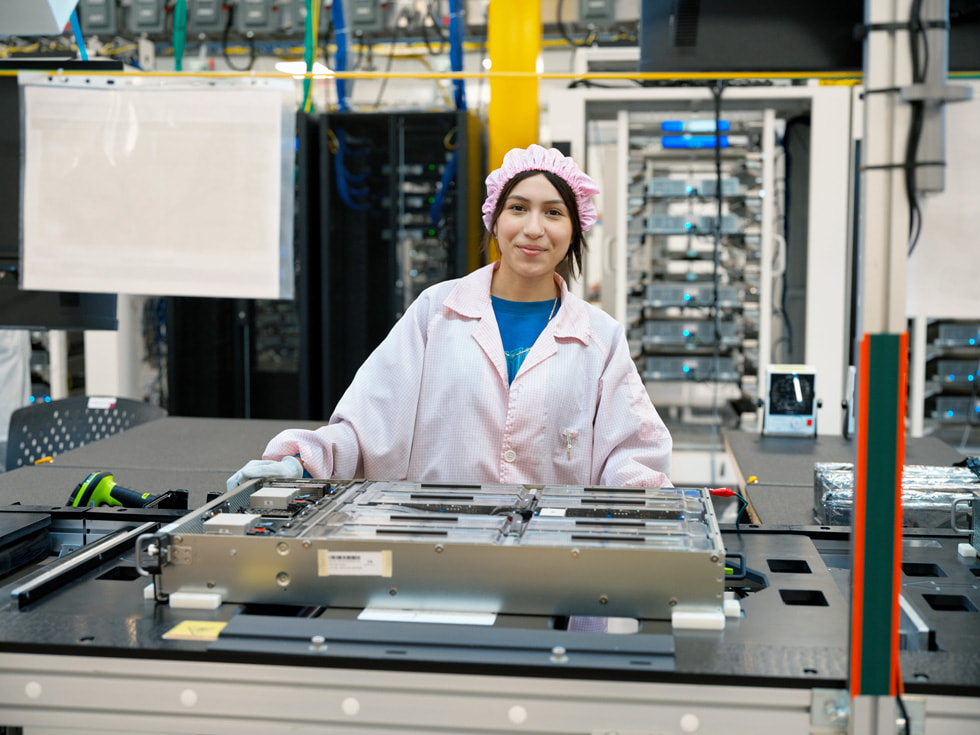
The move will also see Apple expand AI server production at the Texas site and open a new Advanced Manufacturing Center later this year, initiatives that together are expected to create thousands of jobs.

Bringing Mac mini production Stateside

Apple said Mac mini manufacturing will begin later in 2026 at a new factory within its Houston campus, effectively doubling the site’s footprint. The compact desktop computer has been a core part of Apple’s product lineup for more than two decades, and the decision marks a notable shift in the company’s global manufacturing strategy.

According to Apple CEO Tim Cook, the investment reflects the company’s growing commitment to U.S. manufacturing capacity: “Apple is deeply committed to the future of American manufacturing, and we’re proud to significantly expand our footprint in Houston with the production of Mac mini starting later this year.”

The move follows a wider trend among technology firms seeking to diversify supply chains and expand domestic production capacity, particularly in high-value electronics manufacturing.

Expansion of AI server manufacturing

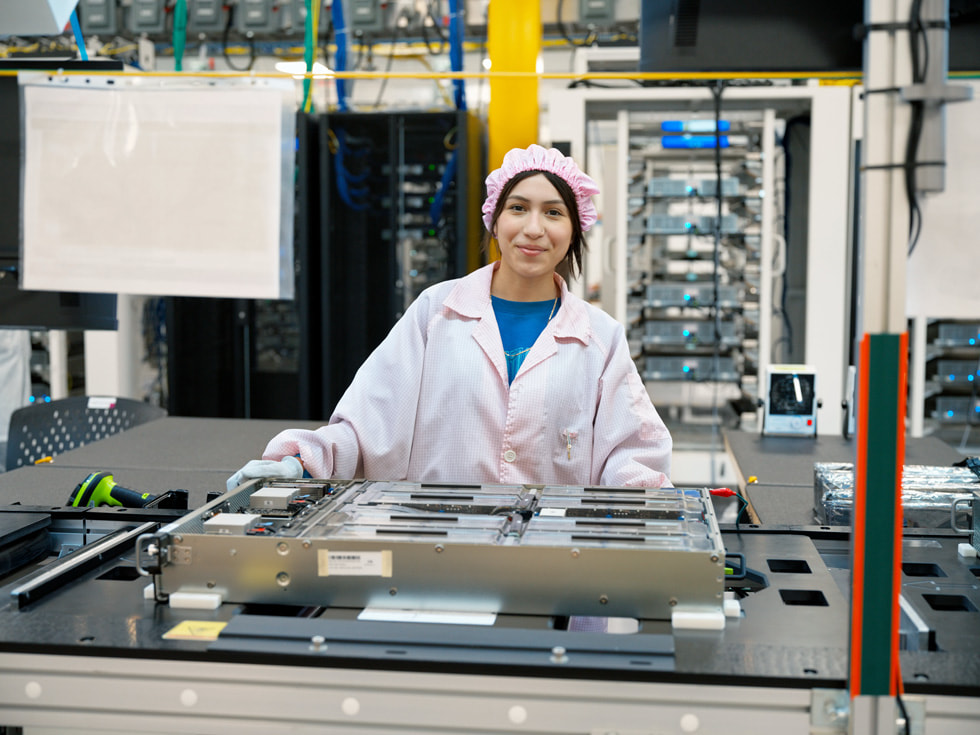
Alongside Mac mini production, Apple is ramping up output of advanced AI servers at the Houston site. The company began assembling servers there in 2025, with production already ahead of schedule.

Servers built in Houston—including logic boards produced onsite—are used in Apple data centres across the United States. The expansion reflects Apple’s growing investment in artificial intelligence infrastructure, an area that has become central to both consumer devices and cloud services.

Cook noted the accelerated rollout of AI server production as an early success for the site: “We began shipping advanced AI servers from Houston ahead of schedule, and we’re excited to accelerate that work even further.”

Investing in skills and workforce development

Beyond hardware production, Apple is also investing in workforce development with the launch of a 20,000-square-foot Advanced Manufacturing Center in Houston. The facility, currently under construction, will provide hands-on training in advanced manufacturing techniques.

The centre is expected to train students, supplier employees, and small- and medium-sized manufacturers in processes used in Apple’s own production lines. Apple engineers will lead training sessions designed to help U.S. manufacturers adopt new technologies and improve efficiency.

The company said the initiative aims to strengthen the domestic manufacturing ecosystem while building a pipeline of skilled workers.

Strategic implications for North American manufacturing

Apple’s expansion comes amid a broader push to localise manufacturing in North America, driven by supply-chain resilience concerns, geopolitical tensions, and government incentives.

Bringing Mac mini production to Houston signals that high-tech consumer electronics assembly—traditionally concentrated in Asia—may increasingly be split across multiple regions. Meanwhile, Apple’s investment in AI server production reflects surging demand for data-centre hardware as artificial intelligence applications expand.

For Houston, the project adds another high-profile technology manufacturing investment to the region’s growing industrial base.

A long-term commitment

Apple’s announcement highlights how technology companies are blending product manufacturing, infrastructure development, and workforce training into integrated investment strategies.

By combining Mac mini assembly, AI server production, and advanced manufacturing training, Apple is positioning Houston as a key node in its global supply chain—while signalling a deeper commitment to U.S. manufacturing capacity.

As reshoring momentum continues across North America, Apple’s move could encourage other electronics manufacturers to consider similar strategies, particularly for high-value or strategically important products.

Free Training

Source link

AbbVie to create 300 new jobs with $380m Illinois manufacturing investment


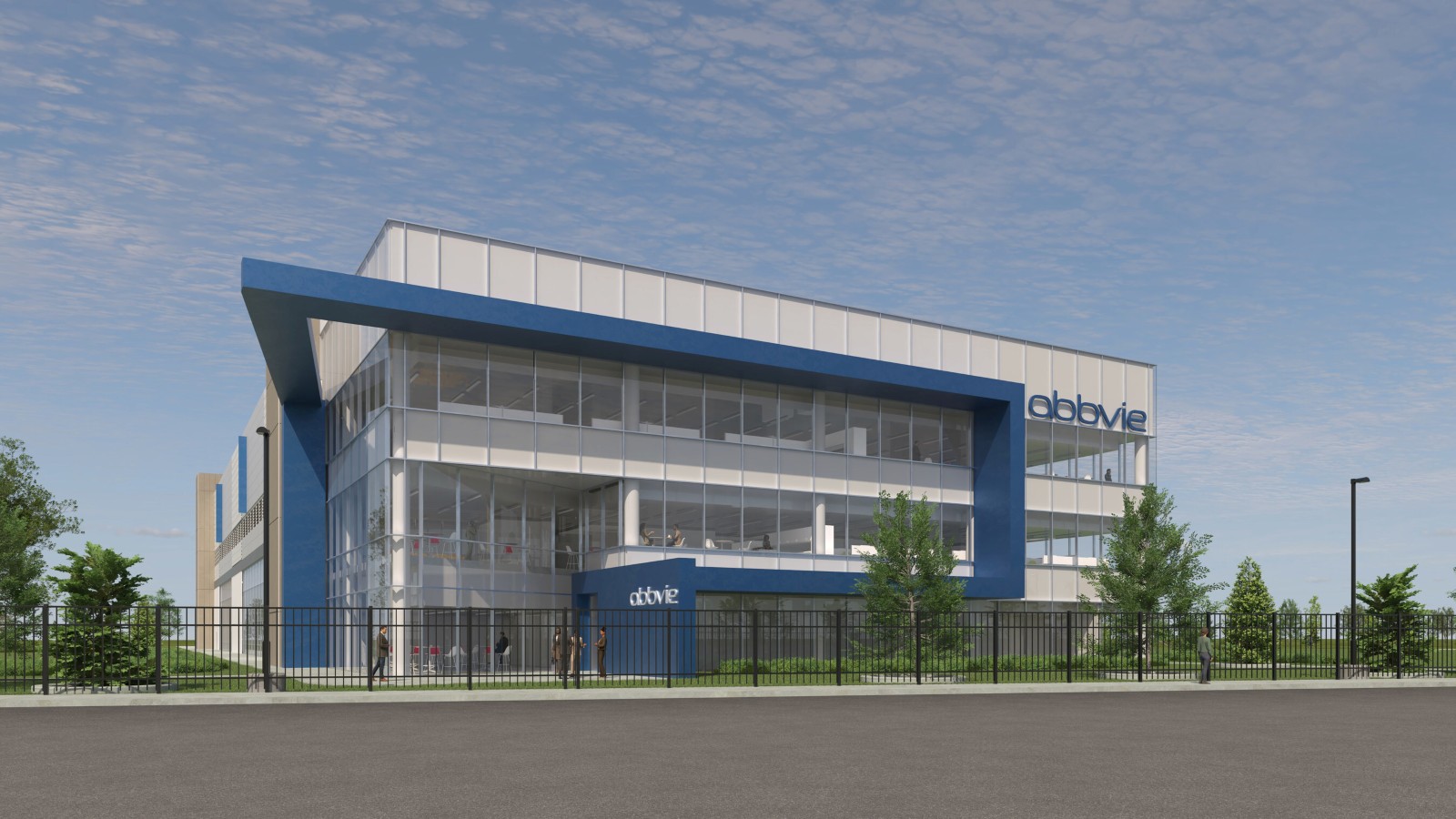
AbbVie has announced a $380m investment to build two new active pharmaceutical ingredient (API) manufacturing facilities at its North Chicago campus, expanding U.S. production capacity for next-generation medicines and creating around 300 new jobs.

The new facilities will support production of AbbVie’s future neuroscience and obesity treatments, integrating advanced manufacturing technologies and artificial intelligence into API production processes. Construction is scheduled to begin in spring 2026, with both plants expected to be operational by 2029.

AbbVie CEO Robert A. Michael said the project reflects the company’s long-term commitment to U.S. manufacturing.

“This milestone demonstrates further progress against our $100bn commitment to U.S. R&D and capital investments over the next decade,” he said. “By strengthening our U.S. manufacturing capabilities, we are well-positioned to support our investment in innovation and enhance our ability to deliver next-generation medicines to patients.”

API manufacturing involves producing the active components responsible for a drug’s therapeutic effects, a complex multi-step process often outsourced globally. AbbVie has spent the past six months outlining plans to expand API capacity in the United States.

In September 2025, the company broke ground on a chemical synthesis facility intended to bring production of selected neuroscience, immunology and oncology APIs back from Europe and Asia to the U.S.

The latest investment is expected to support approximately 300 new roles in North Chicago, including engineers, scientists, manufacturing operators and laboratory technicians.

AbbVie employs around 29,000 people across the United States, including more than 6,000 at its domestic manufacturing sites and over 11,500 in Illinois. The North Chicago expansion reinforces the company’s long-standing presence in the state, where it is headquartered.

The investment also forms part of a wider U.S. manufacturing push. AbbVie recently announced plans to acquire a device manufacturing facility in Arizona and expand operations in Massachusetts, and said it is in talks with several states about additional projects expected to be announced in 2026.

AbbVie’s move reflects a wider trend across North American pharmaceutical manufacturing, where companies are investing in domestic API production to improve supply-chain resilience, meet regulatory expectations, and take advantage of government incentives.

As demand rises for obesity and neuroscience treatments, increased U.S. API capacity could play a key role in ensuring reliable supply while accelerating the adoption of advanced manufacturing technologies.

Free Training

Source link

Apple to begin Mac mini production in Houston, expanding US manufacturing footprint


Stockbrokers.com director of investor research Jessica Inskip discusses investor overthinking, Apple’s ChatGPT moment and CME’s prediction market play on ‘Making Money.’ 

Apple will begin producing Mac minis in Houston later this year for the first time, expanding its U.S. manufacturing footprint and creating what the company said will be “thousands of jobs.”

The expansion will effectively double the size of Apple’s Houston campus and increase production of advanced artificial intelligence servers used in the company’s U.S. data centers.

Apple said Tuesday it will also open a 20,000-square-foot Advanced Manufacturing Center in Houston focused on hands-on workforce training. CEO Tim Cook said the expansion reflects the company’s previously announced commitment to increase U.S. manufacturing, adding that AI server shipments from Houston are ahead of schedule.

The Mac mini will be assembled at a new factory on the Houston campus. The company said servers built there – including logic boards manufactured onsite – are being deployed across its U.S. data center network.

ALTMAN CALLS MUSK’S SPACE DATA CENTER PLANS ‘RIDICULOUS’ FOR CURRENT AI COMPUTING NEEDS

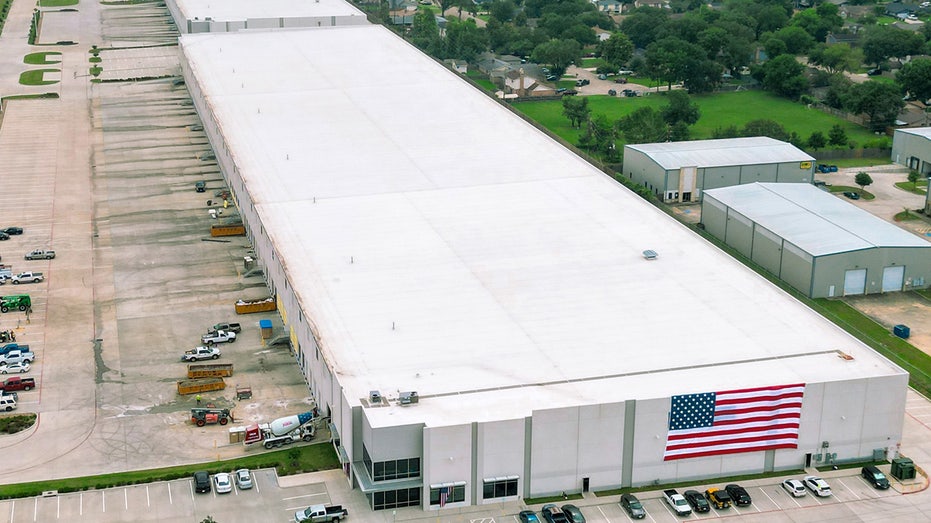
Apple's new manufacturing facility in Houston, Texas.

Apple’s new manufacturing facility in Houston, Texas. (Apple)

The expansion comes as technology companies increase domestic AI infrastructure capacity and reassess overseas supply chain exposure. Apple did not disclose financial details specific to the Houston project, but it previously pledged to invest $600 billion in the U.S. and says it has surpassed some related targets.

apple mac mini

Apple will begin producing Mac minis in Houston later this year for the first time. (Jakub Porzycki/NurPhoto via Getty Images)

As part of that broader effort, Apple said it has sourced more than 20 billion U.S.-made chips from 24 factories across 12 states, working with suppliers including TSMC, Broadcom and Texas Instruments. The company expects to purchase well over 100 million advanced chips from TSMC’s Arizona facility in 2026. It is also supporting semiconductor and materials investments in Texas, Arizona and Kentucky through partners such as Amkor, GlobalWafers and Corning.

Ticker Security Last Change Change % AAPL APPLE INC. 274.24 +2.10
+0.77%

Beyond Houston, Apple has expanded its Apple Manufacturing Academy in Detroit, which provides training in artificial intelligence, automation and smart manufacturing to small- and medium-sized U.S. businesses.

Customers wait outside Apple store in Los Angeles

Customers line up outside of Apple’s Grove store in Los Angeles. (Eric Thayer/Bloomberg via Getty Images)

The Houston expansion is expected to generate new high-tech manufacturing roles and create additional opportunities for suppliers in the region.

CLICK HERE TO GET FOX BUSINESS ON THE GO

While Apple did not detail potential pricing implications, the increased U.S.-based production of advanced chips and AI servers reflects the company’s growing reliance on domestic facilities to support its artificial intelligence and data center operations.

Free Training

Source link

Accelerating US Manufacturing and AI Ambitions


Apple deepens US manufacturing with Texas expansion & AI server production. Shareholders approve dividend increase to $0.26 per share while rejecting a China audit proposal.

In a significant strategic shift, Apple is deepening its commitment to American manufacturing, moving beyond symbolic gestures to concrete investments. The tech giant’s multi-faceted plan involves expanding production capacity in Texas, launching new training initiatives, and cultivating a domestic supplier network to regionalize its supply chains. A key question for observers is how tangible this transformation will become by the 2026 target date.

Shareholder Meeting Endorses Dividend Hike, Rejects China Audit

During its virtual annual meeting held on Tuesday, February 24, 2026, Apple’s shareholders approved several key measures. They voted in favor of increasing the quarterly cash dividend to $0.26 per share, up from the previous $0.25. This marks the fourteenth consecutive annual raise, setting the projected annual dividend at $1.04 per share. The company’s recent financial performance, including a quarterly revenue of $143.8 billion and a net profit of $42.1 billion, provides context for this shareholder return.

The meeting also saw the re-election of the entire board of directors, including Tim Cook and Art Levinson. Ernst & Young was confirmed as the independent auditor for 2026, and an updated equity plan for directors received approval. However, a shareholder proposal requesting an independent “China Entanglement Audit” was voted down.

Texas Expansion: From Macs to AI Servers

Central to Apple’s US offensive is a substantial expansion in Texas. The company plans to relocate a portion of its Mac Mini manufacturing to the United States, with production slated to begin in late 2026 at an existing facility in Houston. This move is part of a broader, four-year, $600 billion investment program designed to strengthen domestic supply chains and scale regional production.

In Houston, Apple is doubling its operational space to approximately 500,000 square feet. This will be complemented by a new 20,000-square-foot Advanced Manufacturing Training Center, scheduled to open in 2026, aimed at workforce development. Concurrently, the company is accelerating the local assembly of AI servers at the Texas site, reportedly ahead of the initial schedule.

Should investors sell immediately? Or is it worth buying Apple?

The localization efforts extend beyond Texas. Apple has already sourced billions of dollars worth of components from US-based semiconductor plants across several states. Furthermore, all new smartphones and smartwatches launching in late 2026 are expected to feature cover glass from a partner manufacturing facility in Kentucky.

Strategic Acquisition Bolsters Photonics Expertise

Nearly simultaneously, EU disclosure documents dated February 24, 2026, confirmed Apple’s acquisition of the startup invrs.io LLC. The acquired firm specializes in developing AI-powered, open-source frameworks for photonics design—a technology critical for advanced optical hardware and sensor systems.

On the trading floor, Apple’s shares showed minimal movement following these announcements, recently quoted at 230.95 Euros, reflecting a slight decline of 0.06%. Market attention is now firmly fixed on Apple’s execution, specifically its ability to successfully broaden the announced production shifts and the accelerated rollout of AI server capacity in Texas throughout 2026.

Ad

Apple Stock: New Analysis – 25 February

Fresh Apple information released. What’s the impact for investors? Our latest independent report examines recent figures and market trends.

Read our updated Apple analysis…

Hol dir den Wissensvorsprung der Aktien-Profis.

Hol dir den Wissensvorsprung der Aktien-Profis.

Seit 2005 liefert der Börsenbrief trading-notes verlässliche Trading-Empfehlungen – dreimal die Woche, direkt ins Postfach. 100% kostenlos. 100% Expertenwissen. Trage einfach deine E-Mail Adresse ein und verpasse ab heute keine Top-Chance mehr. Jetzt kostenlos anmelden
Jetzt abonnieren.

Free Training

Source link

February 24, 2026 – Apple US manufacturing, iOS 26.4 beta 2


9to5mac daily podcast

Listen to a recap of the top stories of the day from 9to5Mac. 9to5Mac Daily is available on iTunes and Apple’s Podcasts appStitcherTuneInGoogle Play, or through our dedicated RSS feed for Overcast and other podcast players.

Sponsored by BenQ: Check out BenQ’s smarter displays made for how Mac users actually work and sign up for the giveaway here.

New episodes of 9to5Mac Daily are recorded every weekday. Subscribe to our podcast in Apple Podcast or your favorite podcast player to guarantee new episodes are delivered as soon as they’re available.

Stories discussed in this episode:

Listen & Subscribe:

Subscribe to support Chance directly with 9to5Mac Daily Plus and unlock:

  • Ad-free versions of every episode
  • Bonus content

Catch up on 9to5Mac Daily episodes!

Don’t miss out on our other daily podcasts:

Share your thoughts!

Drop us a line at happyhour@9to5mac.com. You can also rate us in Apple Podcasts or recommend us in Overcast to help more people discover the show.


Add 9to5Mac as a preferred source on Google

FTC: We use income earning auto affiliate links. More.


Free Training

Source link