

US Factory Jobs Keep Falling Despite Trump’s Manufacturing Revival Push
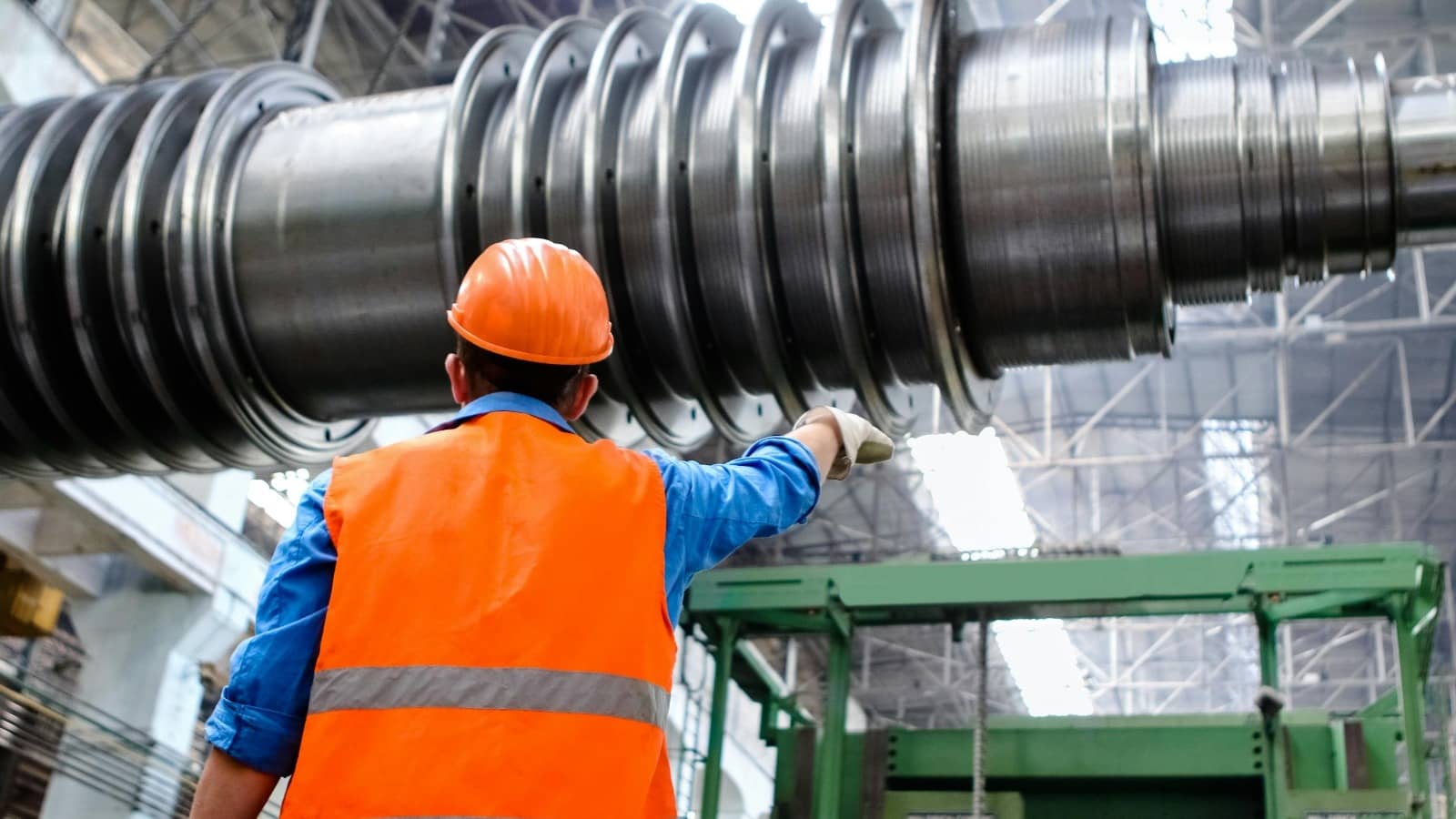
US manufacturing employment has continued to decline despite former President Donald Trump’s repeated claims of an industrial revival driven by tariffs and reshoring policies | Image:
Pexels
US manufacturing employment fell again in December, extending a steady decline that has now lasted most of 2025, underscoring the gap between political promises of an industrial resurgence and labour market realities.
According to government data, factory payrolls have dropped by more than 70,000 jobs since April, pushing total manufacturing employment to around 12.7 million, the lowest level in over three years. The sector has now recorded job losses in eight of the past nine months.
Tariffs Fail to Deliver Hiring Boost
President Donald Trump has repeatedly argued that tariffs and protectionist trade policies would revive domestic manufacturing and bring factory jobs back to the US. Tariff collections have surged, generating tens of billions of dollars in revenue annually, but manufacturers say higher input costs and supply-chain uncertainty have offset any benefit from reduced import competition.
Many firms have opted to invest in automation or overseas capacity rather than expand domestic headcount, limiting the employment impact of reshoring initiatives.
Also read: ₹1.7 Lakh Crore Raised Through IPOs in FY26: SEBI
Broader Jobs Growth Masks Factory Weakness
While overall US employment growth has remained positive, driven largely by healthcare and services, manufacturing has emerged as a weak link. Economists note that factory hiring tends to slow earlier in economic cycles as companies respond quickly to changes in demand and costs.
The unemployment rate edged lower in December, but analysts say this largely reflects slowing labour force participation rather than strong job creation in goods-producing sectors.
Structural Challenges Weigh on Outlook
Industry executives cite multiple headwinds facing US manufacturing, including higher borrowing costs, rising wages, energy price volatility, and slowing global demand. Even companies expanding production capacity are increasingly relying on technology rather than labour-intensive processes.
As a result, economists warn that a sustained rebound in factory employment is unlikely without broader investment incentives, stable trade policy, and stronger demand growth.
Despite aggressive rhetoric and rising tariff revenues, the long-promised revival in US factory jobs has yet to materialise. For now, manufacturing remains a drag on the labour market, highlighting the limits of trade policy as a tool for job creation.
-With inputs from Reuters
Also read: SC Rulings Loom as Trump’s Tariff Authority Faces Fresh Legal Scrutiny