
STATS Group Expands North American Operations with New Texas Manufacturing Plant | 2026 – News and Statistics


May 24, 2026

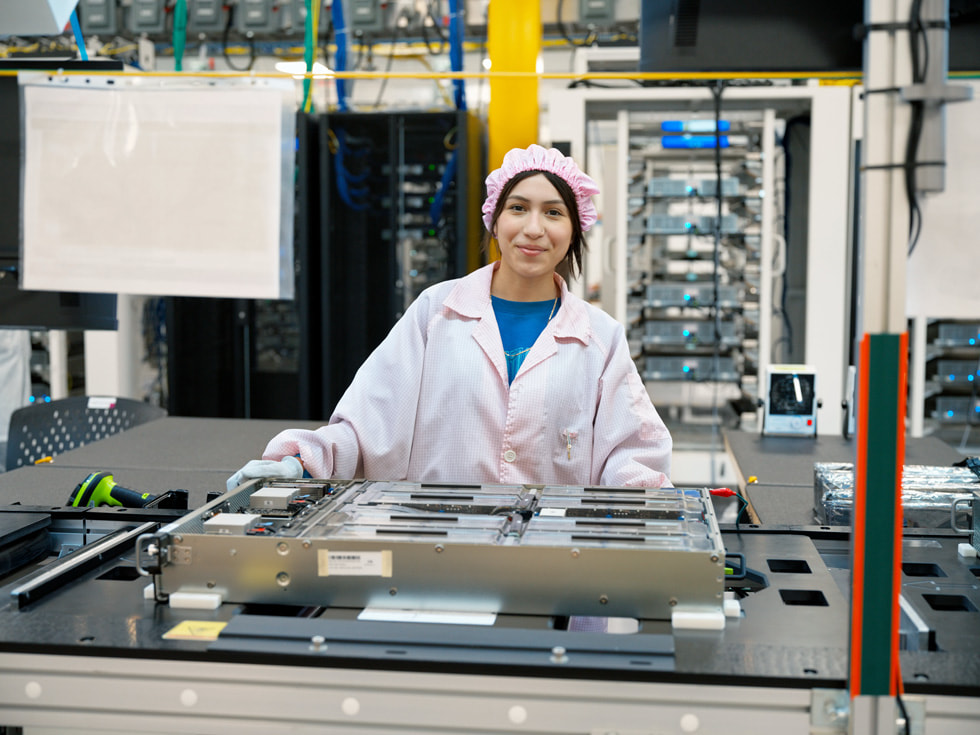
STATS Group has significantly expanded its North American operations, according to a report from OGN/TradeArabia News Service. The company has opened an 80,000-square-foot manufacturing facility in Rosenberg, Texas, marking its first dedicated production site in the United States and representing the largest capital investment in the organization’s history.

Facility and Production

The new site will manufacture pipeline fittings, specifically hot tap and line stop components. It includes a modern machine shop tailored to support STATS Group’s proprietary equipment.

Strategic Goals

The expansion is designed to reduce lead times, enhance product quality, and address increasing customer demand for locally manufactured solutions within the U.S. energy sector. The facility is supported by the company’s existing Houston office, which strengthens STATS Group’s end-to-end service capability across North America.

According to the company, the investment reflects rising demand for faster delivery, greater responsiveness, and improved manufacturing control. STATS Group expects the U.S. manufacturing base to substantially boost service delivery and aligns the move with its broader global growth strategy, which prioritizes local investment, scalability, and closer alignment with client needs.

  1. 1. INTRODUCTION

    Making Data-Driven Decisions to Grow Your Business

    1. REPORT DESCRIPTION
    2. RESEARCH METHODOLOGY AND THE AI PLATFORM
    3. DATA-DRIVEN DECISIONS FOR YOUR BUSINESS
    4. GLOSSARY AND SPECIFIC TERMS
  2. 2. EXECUTIVE SUMMARY

    A Quick Overview of Market Performance

    1. KEY FINDINGS
    2. MARKET TRENDS This Chapter is Available Only for the Professional EditionPRO
  3. 3. MARKET OVERVIEW

    Understanding the Current State of The Market and its Prospects

    1. MARKET SIZE: HISTORICAL DATA (2012–2025) AND FORECAST (2026–2035)
    2. CONSUMPTION BY COUNTRY: HISTORICAL DATA (2012–2025) AND FORECAST (2026–2035)
    3. MARKET FORECAST TO 2035
  4. 4. MOST PROMISING PRODUCTS FOR DIVERSIFICATION

    Finding New Products to Diversify Your Business

    1. TOP PRODUCTS TO DIVERSIFY YOUR BUSINESS
    2. BEST-SELLING PRODUCTS
    3. MOST CONSUMED PRODUCTS
    4. MOST TRADED PRODUCTS
    5. MOST PROFITABLE PRODUCTS FOR EXPORT
  5. 5. MOST PROMISING SUPPLYING COUNTRIES

    Choosing the Best Countries to Establish Your Sustainable Supply Chain

    1. TOP COUNTRIES TO SOURCE YOUR PRODUCT
    2. TOP PRODUCING COUNTRIES
    3. TOP EXPORTING COUNTRIES
    4. LOW-COST EXPORTING COUNTRIES
  6. 6. MOST PROMISING OVERSEAS MARKETS

    Choosing the Best Countries to Boost Your Export

    1. TOP OVERSEAS MARKETS FOR EXPORTING YOUR PRODUCT
    2. TOP CONSUMING MARKETS
    3. UNSATURATED MARKETS
    4. TOP IMPORTING MARKETS
    5. MOST PROFITABLE MARKETS
  7. 7. PRODUCTION

    The Latest Trends and Insights into The Industry

    1. PRODUCTION VOLUME AND VALUE: HISTORICAL DATA (2012–2025) AND FORECAST (2026–2035)
    2. PRODUCTION BY COUNTRY: HISTORICAL DATA (2012–2025) AND FORECAST (2026–2035)
  8. 8. IMPORTS

    The Largest Import Supplying Countries

    1. IMPORTS: HISTORICAL DATA (2012–2025) AND FORECAST (2026–2035)
    2. IMPORTS BY COUNTRY: HISTORICAL DATA (2012–2025) AND FORECAST (2026–2035)
    3. IMPORT PRICES BY COUNTRY: HISTORICAL DATA (2012–2025) AND FORECAST (2026–2035)
  9. 9. EXPORTS

    The Largest Destinations for Exports

    1. EXPORTS: HISTORICAL DATA (2012–2025) AND FORECAST (2026–2035)
    2. EXPORTS BY COUNTRY: HISTORICAL DATA (2012–2025) AND FORECAST (2026–2035)
    3. EXPORT PRICES BY COUNTRY: HISTORICAL DATA (2012–2025) AND FORECAST (2026–2035)
  10. 10. PROFILES OF MAJOR PRODUCERS

    The Largest Producers on The Market and Their Profiles

  11. 11. COUNTRY PROFILES

    The Largest Markets And Their Profiles

    This Chapter is Available Only for the Professional Edition
    PRO

    1. 11.1

      United States

      • Market Size
      • Production
      • Imports
      • Exports
    2. 11.2

      China

      • Market Size
      • Production
      • Imports
      • Exports
    3. 11.3

      Japan

      • Market Size
      • Production
      • Imports
      • Exports
    4. 11.4

      Germany

      • Market Size
      • Production
      • Imports
      • Exports
    5. 11.5

      United Kingdom

      • Market Size
      • Production
      • Imports
      • Exports
    6. 11.6

      France

      • Market Size
      • Production
      • Imports
      • Exports
    7. 11.7

      Brazil

      • Market Size
      • Production
      • Imports
      • Exports
    8. 11.8

      Italy

      • Market Size
      • Production
      • Imports
      • Exports
    9. 11.9

      Russian Federation

      • Market Size
      • Production
      • Imports
      • Exports
    10. 11.10

      India

      • Market Size
      • Production
      • Imports
      • Exports
    11. 11.11

      Canada

      • Market Size
      • Production
      • Imports
      • Exports
    12. 11.12

      Australia

      • Market Size
      • Production
      • Imports
      • Exports
    13. 11.13

      Republic of Korea

      • Market Size
      • Production
      • Imports
      • Exports
    14. 11.14

      Spain

      • Market Size
      • Production
      • Imports
      • Exports
    15. 11.15

      Mexico

      • Market Size
      • Production
      • Imports
      • Exports
    16. 11.16

      Indonesia

      • Market Size
      • Production
      • Imports
      • Exports
    17. 11.17

      Netherlands

      • Market Size
      • Production
      • Imports
      • Exports
    18. 11.18

      Turkey

      • Market Size
      • Production
      • Imports
      • Exports
    19. 11.19

      Saudi Arabia

      • Market Size
      • Production
      • Imports
      • Exports
    20. 11.20

      Switzerland

      • Market Size
      • Production
      • Imports
      • Exports
    21. 11.21

      Sweden

      • Market Size
      • Production
      • Imports
      • Exports
    22. 11.22

      Nigeria

      • Market Size
      • Production
      • Imports
      • Exports
    23. 11.23

      Poland

      • Market Size
      • Production
      • Imports
      • Exports
    24. 11.24

      Belgium

      • Market Size
      • Production
      • Imports
      • Exports
    25. 11.25

      Argentina

      • Market Size
      • Production
      • Imports
      • Exports
    26. 11.26

      Norway

      • Market Size
      • Production
      • Imports
      • Exports
    27. 11.27

      Austria

      • Market Size
      • Production
      • Imports
      • Exports
    28. 11.28

      Thailand

      • Market Size
      • Production
      • Imports
      • Exports
    29. 11.29

      United Arab Emirates

      • Market Size
      • Production
      • Imports
      • Exports
    30. 11.30

      Colombia

      • Market Size
      • Production
      • Imports
      • Exports
    31. 11.31

      Denmark

      • Market Size
      • Production
      • Imports
      • Exports
    32. 11.32

      South Africa

      • Market Size
      • Production
      • Imports
      • Exports
    33. 11.33

      Malaysia

      • Market Size
      • Production
      • Imports
      • Exports
    34. 11.34

      Israel

      • Market Size
      • Production
      • Imports
      • Exports
    35. 11.35

      Singapore

      • Market Size
      • Production
      • Imports
      • Exports
    36. 11.36

      Egypt

      • Market Size
      • Production
      • Imports
      • Exports
    37. 11.37

      Philippines

      • Market Size
      • Production
      • Imports
      • Exports
    38. 11.38

      Finland

      • Market Size
      • Production
      • Imports
      • Exports
    39. 11.39

      Chile

      • Market Size
      • Production
      • Imports
      • Exports
    40. 11.40

      Ireland

      • Market Size
      • Production
      • Imports
      • Exports
    41. 11.41

      Pakistan

      • Market Size
      • Production
      • Imports
      • Exports
    42. 11.42

      Greece

      • Market Size
      • Production
      • Imports
      • Exports
    43. 11.43

      Portugal

      • Market Size
      • Production
      • Imports
      • Exports
    44. 11.44

      Kazakhstan

      • Market Size
      • Production
      • Imports
      • Exports
    45. 11.45

      Algeria

      • Market Size
      • Production
      • Imports
      • Exports
    46. 11.46

      Czech Republic

      • Market Size
      • Production
      • Imports
      • Exports
    47. 11.47

      Qatar

      • Market Size
      • Production
      • Imports
      • Exports
    48. 11.48

      Peru

      • Market Size
      • Production
      • Imports
      • Exports
    49. 11.49

      Romania

      • Market Size
      • Production
      • Imports
      • Exports
    50. 11.50

      Vietnam

      • Market Size
      • Production
      • Imports
      • Exports
  12. LIST OF TABLES

    1. Key Findings In 2025
    2. Market Volume, In Physical Terms: Historical Data (2012–2025) and Forecast (2026–2035)
    3. Market Value: Historical Data (2012–2025) and Forecast (2026–2035)
    4. Per Capita Consumption, by Country, 2022–2025
    5. Production, In Physical Terms, By Country: Historical Data (2012–2025) and Forecast (2026–2035)
    6. Imports, In Physical Terms, By Country: Historical Data (2012–2025) and Forecast (2026–2035)
    7. Imports, In Value Terms, By Country: Historical Data (2012–2025) and Forecast (2026–2035)
    8. Import Prices, By Country: Historical Data (2012–2025) and Forecast (2026–2035)

    9. Exports, In Physical Terms, By Country: Historical Data (2012–2025) and Forecast (2026–2035)

    10. Exports, In Value Terms, By Country: Historical Data (2012–2025) and Forecast (2026–2035)

    11. Export Prices, By Country: Historical Data (2012–2025) and Forecast (2026–2035)

  13. LIST OF FIGURES

    1. Market Volume, In Physical Terms: Historical Data (2012–2025) and Forecast (2026–2035)
    2. Market Value: Historical Data (2012–2025) and Forecast (2026–2035)
    3. Consumption, by Country, 2025
    4. Market Volume Forecast to 2035
    5. Market Value Forecast to 2035
    6. Market Size and Growth, By Product
    7. Average Per Capita Consumption, By Product
    8. Exports and Growth, By Product
    9. Export Prices and Growth, By Product
    10. Production Volume and Growth
    11. Exports and Growth
    12. Export Prices and Growth
    13. Market Size and Growth
    14. Per Capita Consumption
    15. Imports and Growth
    16. Import Prices
    17. Production, In Physical Terms: Historical Data (2012–2025) and Forecast (2026–2035)
    18. Production, In Value Terms: Historical Data (2012–2025) and Forecast (2026–2035)
    19. Production, by Country, 2025
    20. Production, In Physical Terms, by Country: Historical Data (2012–2025) and Forecast (2026–2035)
    21. Imports, In Physical Terms: Historical Data (2012–2025) and Forecast (2026–2035)
    22. Imports, In Value Terms: Historical Data (2012–2025) and Forecast (2026–2035)
    23. Imports, In Physical Terms, By Country, 2025
    24. Imports, In Physical Terms, By Country: Historical Data (2012–2025) and Forecast (2026–2035)
    25. Imports, In Value Terms, By Country: Historical Data (2012–2025) and Forecast (2026–2035)
    26. Import Prices, By Country: Historical Data (2012–2025) and Forecast (2026–2035)
    27. Exports, In Physical Terms: Historical Data (2012–2025) and Forecast (2026–2035)
    28. Exports, In Value Terms: Historical Data (2012–2025) and Forecast (2026–2035)
    29. Exports, In Physical Terms, By Country, 2025
    30. Exports, In Physical Terms, By Country: Historical Data (2012–2025) and Forecast (2026–2035)
    31. Exports, In Value Terms, By Country: Historical Data (2012–2025) and Forecast (2026–2035)
    32. Export Prices, By Country: Historical Data (2012–2025) and Forecast (2026–2035)

Free Training

Source link

CEP USA Opens First U.S. Manufacturing Facility In North Little Rock Arkansas


CEP USA has officially opened its first United States manufacturing facility in North Little Rock, bringing new investment and jobs to Central Arkansas. The company is investing nearly $1 million into the new operation and expects to create approximately 27 jobs over the next 5 years.

Company leaders joined state and local officials Tuesday for the grand opening ceremony at the new facility located at 9401 Diamond Drive in North Little Rock. The project was developed through a partnership involving the Arkansas Economic Development Commission and the Little Rock Regional Chamber.

CEP is an Italian company specializing in the design, construction, and turnkey delivery of prefabricated electrical substations with operations in more than 80 countries. Company officials say Arkansas was selected because of its strategic location, business environment, and partnerships with SMA Solar and Mountain Ridge Energy Service of Conway.

The facility will manufacture medium-voltage power station platforms and related electrical equipment for utility-scale energy projects across the United States.

Governor Sarah Huckabee Sanders praised the company’s investment, saying Arkansas provides a strong workforce and business-friendly climate for international manufacturers. North Little Rock Mayor Terry Hartwick also welcomed CEP USA, saying the company’s arrival strengthens the city’s growing reputation for innovation and advanced manufacturing.


News Staff

Free Training

Source link

Toyota Plans $2bn Texas Expansion as Automakers Deepen North American Manufacturing Push


Toyota Plans $2bn Texas Expansion as Automakers Deepen North American Manufacturing Push

Toyota Motor Corporation is seeking approval to build a new vehicle assembly line at its manufacturing complex in Texas as the Japanese automaker accelerates long-term investment in North American production amid intensifying competition in trucks, electric vehicles, and regional supply-chain localization.

According to a filing with the Texas Comptroller of Public Accounts, Toyota plans to invest roughly $2 billion in the proposed expansion project, internally named “Project Orca,” at its existing San Antonio manufacturing site. The filing shows construction is expected to begin by the end of 2026, while vehicle production at the new assembly line is targeted to commence in 2030.

Toyota plans to spend approximately $1.05 billion on buildings and property improvements, alongside another $950 million dedicated to machinery and manufacturing equipment. The project is also expected to create about 2,000 new jobs between 2028 and 2030, adding to Toyota’s already substantial employment footprint in Texas and reinforcing the growing importance of the southern United States in the global automotive industry.

In a statement to Reuters, Toyota said, “We regularly evaluate our manufacturing footprint to ensure we remain competitive and aligned with customer demand. This reflects our long-term commitment to investing in the North American region, local manufacturing/jobs, and suppliers.”

Toyota’s San Antonio facility has historically focused heavily on pickup truck production, including the Toyota Tundra and Toyota Sequoia, two models central to the company’s efforts to compete in the highly profitable North American truck and SUV market. The new assembly line could significantly expand Toyota’s ability to serve U.S. demand locally at a time when automakers are under growing pressure to shorten supply chains and reduce exposure to overseas manufacturing risks.

Texas has become increasingly attractive to automakers and industrial manufacturers because of its large labor market, logistics infrastructure, relatively lower operating costs, and business-friendly regulatory environment. The state is also emerging as a major center for energy-intensive industries, including electric vehicles, semiconductors, and artificial intelligence data centers.

Toyota’s investment adds to a broader wave of manufacturing expansion across the southern United States, where automakers are pouring billions into new factories, battery plants, and supplier networks. The region has become particularly important as companies attempt to comply with North American sourcing requirements tied to trade incentives and industrial policies in both the United States and Canada.

The timing of Toyota’s proposed expansion is notable because it comes during one of the most significant transitions in automotive history. The industry is simultaneously managing the shift toward electrification, the rise of software-defined vehicles, growing competition from Chinese manufacturers, and changing consumer demand patterns.

While Toyota was initially criticized by some investors and environmental groups for moving more cautiously on fully electric vehicles than rivals such as Tesla or BYD, the company has increasingly accelerated investment across hybrid, battery-electric, and hydrogen technologies.

At the same time, Toyota has maintained a strong focus on profitability and production discipline, particularly in trucks and hybrid vehicles, where demand remains resilient. The company’s continued investment in U.S. manufacturing suggests it expects North America to remain one of its most important long-term growth markets regardless of how rapidly electrification evolves.

Industry analysts believe that local manufacturing has become strategically more important for automakers following the supply-chain shocks triggered by the COVID-19 pandemic and geopolitical tensions between the United States and China. Semiconductor shortages, shipping disruptions, and rising trade frictions exposed vulnerabilities in globally dispersed production networks, pushing many manufacturers to localize more operations closer to major consumer markets.

Toyota’s Texas expansion fits squarely within that broader industrial realignment.

The planned investment also reflects the enormous capital requirements now confronting global automakers. Companies are simultaneously funding traditional internal combustion production, electric vehicle development, battery manufacturing, software systems, and advanced automation technologies.

For Toyota, maintaining a competitive scale in North America is especially important because the region remains one of the company’s largest profit generators, particularly in larger vehicles and hybrid models.

The proposed spending on machinery and equipment indicates the new line could incorporate significant automation and advanced manufacturing technologies designed to improve efficiency and production flexibility.

Modern vehicle plants increasingly rely on robotics, AI-assisted quality systems, and digitally integrated supply-chain management tools to manage rising production complexity.

Toyota has historically been regarded as one of the world’s leading manufacturing companies through its “Toyota Production System,” which revolutionized lean manufacturing and operational efficiency across the global auto industry. The San Antonio expansion, therefore, likely represents not just additional capacity, but also another phase in Toyota’s modernization of North American operations.

Like this:

Like Loading…


Free Training

Source link

AbbVie Invests $1.4 Billion into New Manufacturing Campus in North Carolina


AbbVie announced a $1.4 billion investment to build a 185-acre pharmaceutical manufacturing campus in Durham, North Carolina.

Emerging Pharma Leaders nominations are now open!

Do you know someone who can make tough decisions that continue to face manufacturers? Are they destined to change the future of pharma?

Nominate a colleague with impressive leadership and career intentions – even yourself! – for the Pharmaceutical Executive 2026 Emerging Pharma Leaders Awards.

The decision marks the company’s largest capital investment to date and its first major presence in the state.

The campus, located near Research Triangle Park, is set to integrate advanced manufacturing and laboratory technologies with artificial intelligence to support production of AbbVie’s immunology, neuroscience, and oncology medicines.1 The first phase of construction is expected to include small volume parenteral drug product manufacturing facilities for sterile injectables including vials, prefilled cartridges, and prefilled syringes, alongside next-generation laboratories, a warehouse, administrative offices, and employee wellness facilities.1

Upon complete, the Durham campus will serve as AbbVie’s U.S. center of excellence for SVP manufacturing, supplying patients both domestically and internationally.1

Construction begins this year, with completion expected by the end of 2028.

AbbVie is expecting to hire 734 people over the next four years, including engineers, scientists, manufacturing operators, and laboratory technicians, along with the development phase expecting to generate more than 2,000 construction jobs. Durham was selected due to the strength of its regional workforce and its capacity to support future expansion.

“Our investment in North Carolina represents a significant milestone for AbbVie as our largest capital investment to date and an important expansion of our manufacturing footprint into a new region of the United States,” said Robert A. Michael, chairman and chief executive officer of AbbVie. “By establishing this campus, we are strengthening our ability to support future medical breakthroughs while also creating new jobs and a long-term partnership with Durham and the State of North Carolina.”

North Carolina Governor Josh Stein welcomed the investment, saying, “When you combine our world-renowned research and innovation with a strong, thriving life sciences hub, North Carolina quickly becomes the premier location for biopharmaceutical companies to do business.”

The Durham campus is part of AbbVie’s previously announced $100 billion commitment to U.S. research, development, and capital investments over the next decade.2 The company says it has now committed more than $2.2 billion in U.S. manufacturing investment over the past 12 months, including a $745 million license agreement with Haisco, and creating more than 1,300 jobs across North Carolina, Illinois, Arizona, and Massachusetts. AbbVie currently employs approximately 29,000 people in the U.S., including more than 6,000 at its domestic manufacturing campuses.

“AbbVie’s mission is to make a remarkable impact for the patients we serve around the world through our innovative medicines,” said Robert A. Michael, chairman and chief executive officer, AbbVie. “With approximately 29,000 U.S.-based employees and products treating 16 million Americans annually, we understand the complexity and access challenges in our healthcare system.”

The investment follows a broader trend of major pharmaceutical companies expanding U.S. manufacturing capacity, driven by a combination of supply chain resilience concerns, domestic policy incentives, and growing demand for complex biologics and injectable therapies across chronic disease indications.

  1. AbbVie Selects North Carolina for New $1.4 Billion Manufacturing Campus AbbVie April 22, 2026 https://www.prnewswire.com/news-releases/abbvie-selects-north-carolina-for-new-1-4-billion-manufacturing-campus-302750567.html
  2. AbbVie and Trump Administration Reach Agreement to Improve Access and Affordability for Americans AbbVie January 12, 2026 https://news.abbvie.com/2026-01-12-AbbVie-and-Trump-Administration-Reach-Agreement-to-Improve-Access-and-Affordability-for-Americans

Free Training

Source link

Siemens is opening a railcar manufacturing plant in North Carolina


Siemens Mobility has officially inaugurated a railcar manufacturing plant in North Carolina, representing an investment of USD 220 million.

Government officials and leaders from the rail industry gathered today at Siemens Mobility’s rail manufacturing and service center in Lexington to mark a significant milestone in U.S. rail manufacturing. Construction of the facility is complete, production is underway, and the first locally built passenger railcars are scheduled for delivery in the summer of 2026.

The Lexington railcar factory is Siemens Mobility’s newest production facility in the United States and will play a key role in meeting the growing demand for passenger rail transportation nationwide. First announced in March 2023, the new Lexington site includes ten buildings on a 200-acre site.

The facility is dedicated to the production of Siemens Venture passenger railcars—among the most modern and innovative on the North American market—and will serve as a rail service hub on the East Coast, providing maintenance and major repair support for bogies, locomotives, and railcars, with the potential to service light rail vehicles in the future.

Once fully operational, this state-of-the-art facility will be the first in North America to offer both railcar and locomotive refurbishment and will utilize advanced digital technologies, including artificial intelligence, robotics, real-time analytics, and augmented reality, to streamline operations, improve decision-making, and set a new global standard for automated manufacturing.

Marking the beginning of a new generation of American rail transport, the facility was strategically designed with a dedicated rail bridge connected directly to the main line, enabling the efficient shipment of completed trains to customers on the East Coast and in other regions.

“Siemens Mobility’s investment in North Carolina manufacturing underscores the importance of rebuilding America’s transportation infrastructure right here at home. The impact of this facility will be felt for decades, supporting passenger rail services such as Amtrak on the Northeast Corridor and helping to deliver modern, reliable trains for travelers across the country,” said Steven Bradbury, Deputy Secretary of the U.S. Department of Transportation.

Hundreds of Employees at the North Carolina Railcar Plant

With over 375 employees already on board, the facility is on track to meet its goal of creating 500 new jobs by 2028, strengthening North Carolina’s economy and helping transform rail transportation across the country

Located in Davidson County, in the heart of the Piedmont Triad region, the city of Lexington offers access to a strong workforce and essential transportation networks. Partially supported by a Job Development Investment Grant from the state of North Carolina, estimated to add USD 1.6 billion to the state’s economy over 12 years, the Lexington site reinforces Siemens’ broader commitment to the U.S. industry.

Across all business sectors, Siemens employs approximately 45,000 people in the United States, works with 12,000 suppliers, and operates 24 manufacturing facilities nationwide, investing USD 700 million in U.S. manufacturing and over USD 20 billion in its technology infrastructure since 2007 to support the next era of digital and data-driven transformation.

Share on:
Facebooktwitterlinkedinmail

Free Training

Source link

Kanthal expands US manufacturing footprint with North Carolina service centre to meet electrification demand


Kanthal has strengthened its position in advanced manufacturing with the inauguration of a new service centre in Concord, North Carolina, aimed at scaling production and deployment of high-temperature electric heating technologies.

The investment reflects growing demand from sectors including electronics, glass and steel, where manufacturers are seeking to electrify heat-intensive processes and reduce reliance on fossil fuels. At the centre of this shift is Kanthal’s Globar® silicon carbide heating element technology, which enables industrial heating applications of up to 2,950°F.

By replacing combustion-based systems, these electric heating elements offer manufacturers a pathway to lower emissions, improved energy efficiency and tighter process control, factors that are becoming increasingly critical as industry faces mounting pressure to decarbonise.

According to the Congressional Budget Office, combustion emissions account for 573 million metric tonnes, or 75% of total emissions in the manufacturing sector. Electrification of industrial heat is therefore seen as a key lever in reducing the sector’s carbon footprint.

The Concord facility will play a dual role in both manufacturing and service delivery. In addition to producing a range of heating solutions—including metallic and Fibrothal® elements—the site now supports local supply of Globar® components, which were previously manufactured and shipped exclusively from Kanthal’s production hub in Perth, Scotland.

Robert Stål, President of Kanthal, said the move builds on the company’s long-standing presence in the U.S. market.

“We have served the U.S. market since the 1930s.  We are already supporting our customers from Concord with a broad portfolio, and adding Globar® to the mix allows us to leverage existing infrastructure. The opening of our Concord service center is the next step in strengthening our local presence in the region which is experiencing a surge in advanced manufacturing.”

– Robert Stål, President of Kanthal.

The new centre is part of a broader $11m investment programme, which also includes a significant expansion of the Perth facility. Upgrades there include an additional 19,000 square feet of manufacturing space, new equipment and an optimised production layout. Together, the two sites are expected to increase overall production capacity by around 40%.

Beyond capacity gains, the Concord site introduces new manufacturing flexibility. Enhanced production technologies enable the facility to tailor heating element configurations to specific furnace designs and customer order cycles, improving responsiveness across quoting, production and delivery.

Simon Lile, President of Kanthal’s Heating Systems business unit, said the upgraded operation is designed to align more closely with U.S. customer requirements, reducing lead times and enabling more agile manufacturing support.

The expansion follows Kanthal’s 2022 consolidation of its U.S. operations into the Concord site, creating a centralised, state-of-the-art manufacturing and distribution hub. With the addition of Globar® production capabilities, the facility now serves as a critical node in the company’s global manufacturing network, supporting both regional demand and the broader shift toward electrified industrial processes.

Free Training

Source link

North America Manufacturing News Digest – the industry stories you should be aware of


Welcome to our weekly roundup of North America manufacturing news, designed to inform you of all the industry stories you should know about.

US manufacturing growth slows to seven-month low as tariffs and weather hit exports

Growth in the US manufacturing sector slowed in February, with new data showing the pace of expansion easing to its weakest level in seven months amid falling exports, tariff pressures and weather disruption. Read more via The Manufacturer

Carhartt backs next generation of tradespeople with $375k NCCER grant

Carhartt has announced a $375,000 grant through its “For the Love of Labor” program to the National Center for Construction Education and Research (NCCER), a nonprofit leader in skilled trades workforce development. Read more via The Manufacturer

Unox officially opens U.S. manufacturing facility

Unox officially celebrated the grand opening of its first U.S. manufacturing facility in Denver, North Carolina this week. Read more via The Manufacturer

Canada’s Dainty Foods announces first US manufacturing operation

Dainty Foods, a Canadian-based producer of private-label rice and ready-to-heat meal solutions, has announced it will establish its first United States manufacturing operation in Batavia Township, Ohio. Read more via The Manufacturer

Edible Garden to develop Midwest ready-to-drink manufacturing hub

Edible Garden has announced plans to develop a ready-to-drink (RTD) beverage manufacturing platform at its Midwest facility as it expands beyond fresh produce into shelf-stable nutrition products. Read more via The Manufacturer

Free Training

Source link

North America Manufacturing News Digest – the industry stories you should be aware of


Welcome to our weekly roundup of North America manufacturing news, designed to inform you of all the industry stories you should know about.

Apple to bring Mac mini production to Houston in major US manufacturing expansion

Apple has announced a significant expansion of its Houston manufacturing operations, confirming that production of the Mac mini will move to the United States for the first time as part of a broader investment in advanced manufacturing and AI infrastructure. Read more via The Manufacturer

AbbVie to create 300 new jobs with $380m Illinois manufacturing investment

AbbVie has announced a $380m investment to build two new active pharmaceutical ingredient (API) manufacturing facilities at its North Chicago campus, expanding U.S. production capacity for next-generation medicines and creating around 300 new jobs. Read more via The Manufacturer

Alfa Laval to double capacity at Richmond, VA facility by 2028

In response to accelerating demand driven by the rapid expansion of data centers across North America, Alfa Laval announced a major expansion of its Richmond, Virginia manufacturing facility. Read more via The Manufacturer

NAM report warns against policy changes that could disrupt U.S. food manufacturing

The National Association of Manufacturers (NAM) has released a new report highlighting the economic and social importance of the U.S. food and beverage supply chain, while cautioning policymakers against reforms that could undermine what it describes as a science-based system delivering safe, affordable and accessible food. Read more via The Manufacturer

EU Motors opens U.S. manufacturing facility in Florida

EU Motors Sp. z o.o., one of the largest producers of electric drone motors outside of China, today announced the opening of its new production facility, EU Motors USA, in Hallandale Beach, Florida. Read more via The Manufacturer

Free Training

Source link

North America Manufacturing News Digest – the industry stories you should be aware of


Welcome to our weekly roundup of North America manufacturing news, designed to inform you of all the industry stories you should know about.

Meta signs up to $6bn fibre supply deal with Corning for US data centres

Meta has signed a multi-year agreement worth up to $6bn with Corning to supply fibre optic cables for its expanding US data centre network, in a move aimed at strengthening domestic manufacturing and supporting the company’s AI infrastructure ambitions. Read more via The Manufacturer

Volkswagen warns US Audi factory plans at risk without tariff relief

Volkswagen Group could abandon plans to build an Audi factory in the United States unless President Donald Trump lowers tariffs on the automotive industry, the company’s chief executive has indicated. Read more via The Manufacturer

CPKC extends US$800m US manufacturing investment with new locomotive orders

Canadian Pacific Kansas City (CPKC) is this year is continuing the renewal of its locomotive fleet with the world’s two leading locomotive manufacturers as part of an ongoing multi-year $800m investment in American industry. Read more via The Manufacturer

John Deere to open new US distribution and excavator manufacturing facilities

John Deere has announced plans to open two new US-based facilities, expanding its domestic manufacturing and supply chain operations as part of a broader commitment to American industry. Read more via The Manufacturer

NAM welcomes new leaders to Council of Manufacturing Associations

The National Association of Manufacturers (NAM) has announced new leadership for its Council of Manufacturing Associations following the CMA 2026 Winter Leadership Conference. Read more via The Manufacturer

Free Training

Source link