


Why The US Is Worried About Canada & Europe’s Aircraft Manufacturing Talks
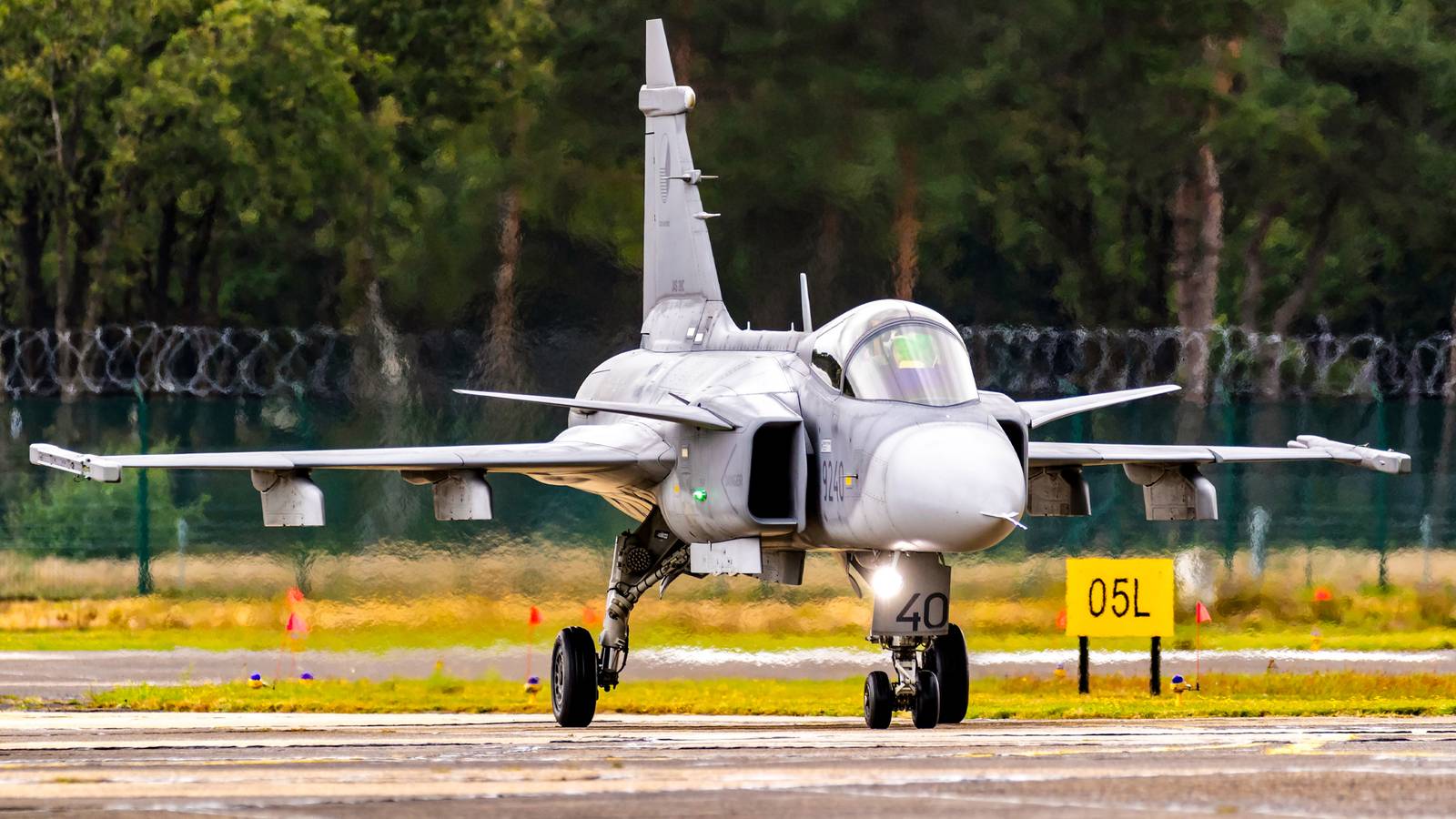
Is the United States worried about Canada building Swedish Saab JAS 39 Gripen fighter jets in Canada? Sort of. In this article, we will explain why the Gripen is no competitor to the F-35A and why the US doesn’t really care if Canada acquires the Gripen so long as it’s in addition to the F-35A. We will also explore why the US cares if Canada significantly reduces its planned purchase of 88 F-35A fighter jets.
At the core of the debate is Canada’s quest for sovereignty over its fighter jets and concern over excessive US control over its defense, while the US is concerned about Canada’s ability to police its airspace and meaningfully fulfill its NORAD obligations. From this perspective, debates over costs and various capabilities, like taking off from unprepared runways, are largely distractions from the real issues. The real issues are geopolitical.
Canada’s F-35A Program Of Record
Credit: US Air Force
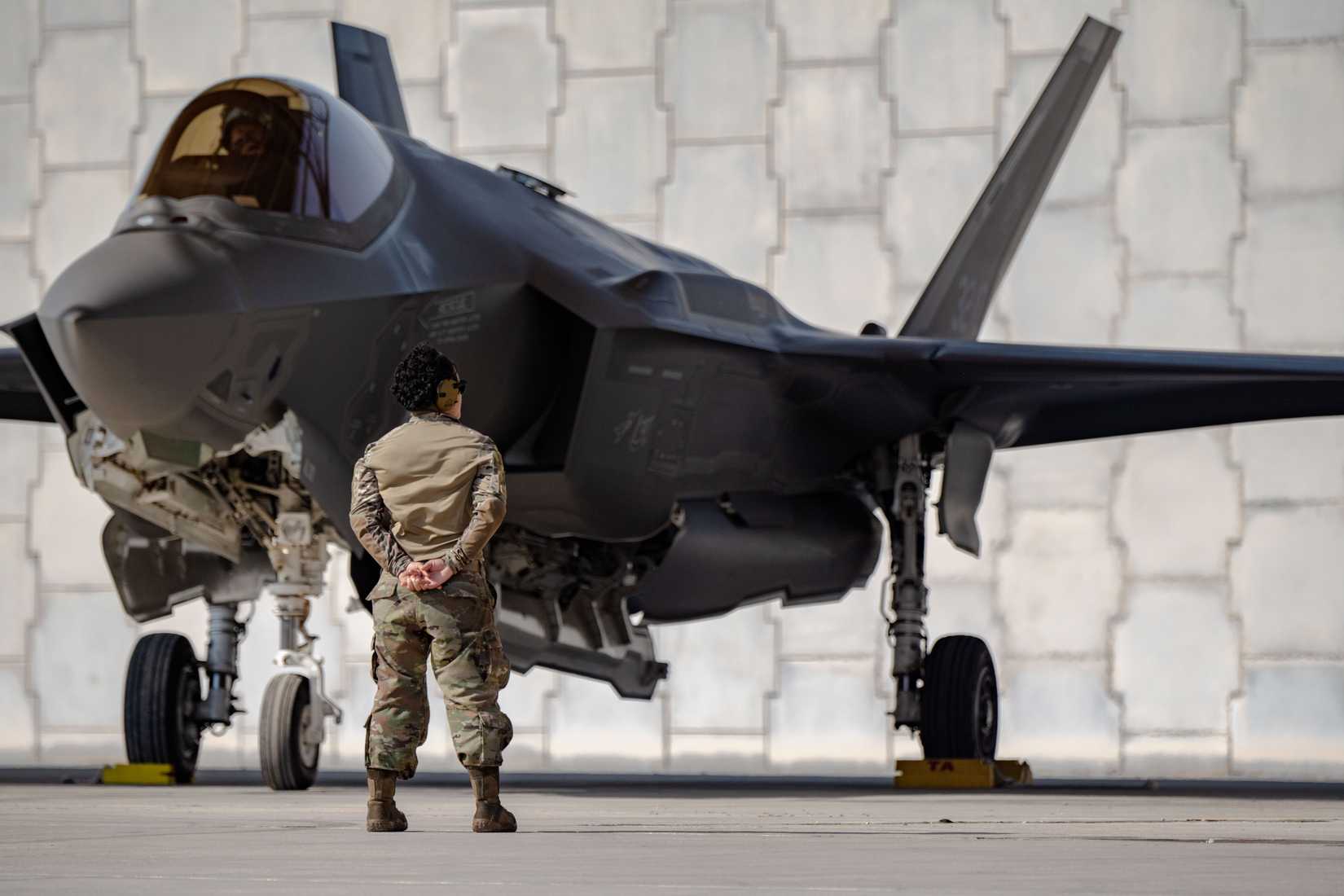
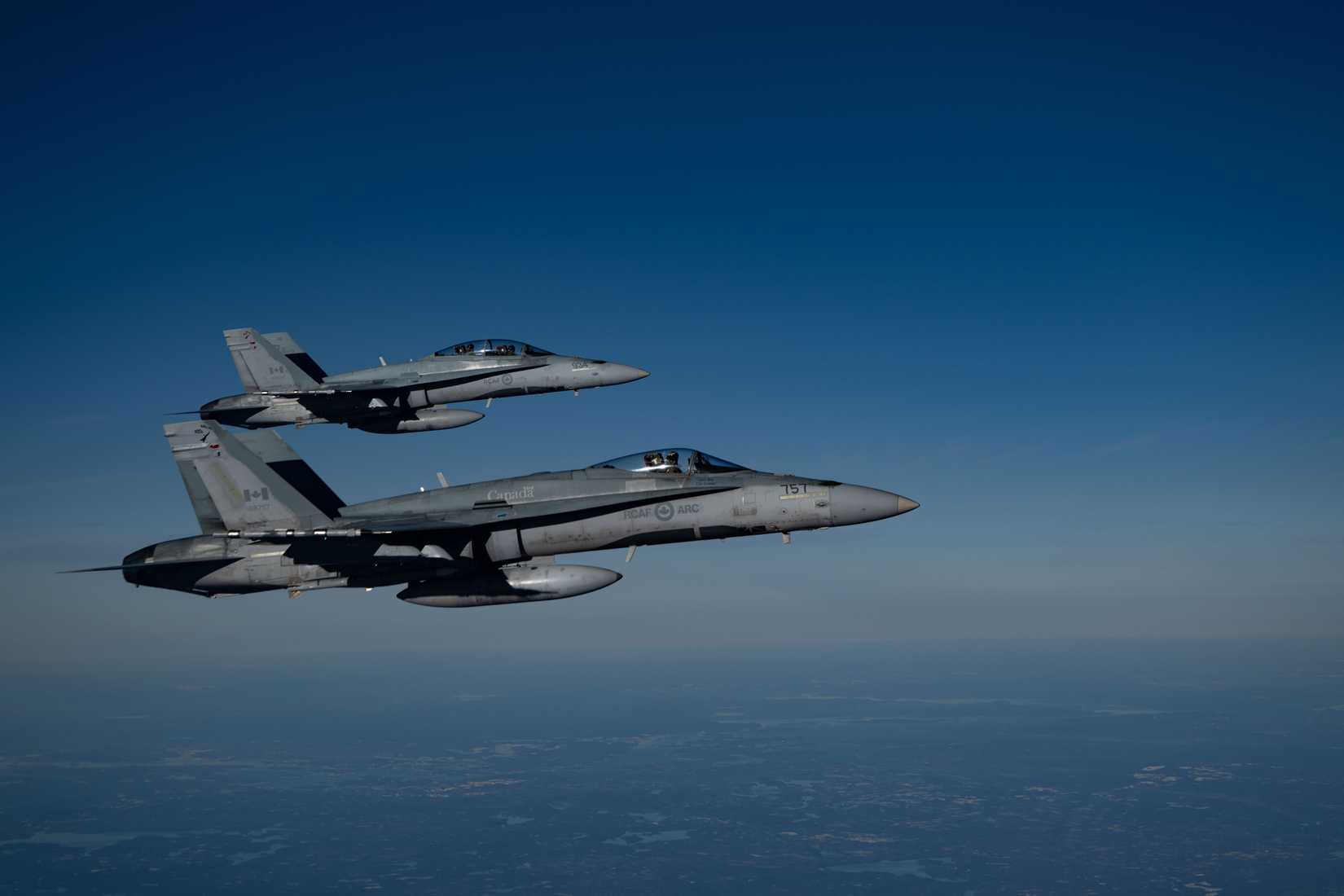
Canada has been slow in replacing its aging fleet of legacy CF-18s (the Canadian variant of the F/A-18 Hornet). These jets are aging and are in dire need of replacement, and arguably should have already been replaced. The US Marines have already retired their F/A-18 Hornets, as has Australia. Australia replaced its Hornets with two dozen Super Hornets (essentially a new aircraft) and F-35As.
To keep its Hornets flying, Canada purchased some of the retired Australian Hornets for spares as well as flyable airframes. The country selected the F-35A to replace its Hornets with a program of record for 88 aircraft, of which it is currently contracted to purchase 16 examples. These are already being produced, and the first two were delivered in October 2026.
These are being kept at Luke Air Force Base in Arizona for training as the Canadian Air Force begins its transition to the next-generation aircraft. The current discourse is not so much about Canada canceling the F-35 entirely, as those 16 aircraft are already contracted: it’s about reducing the order from 88 jets. The debate is about Canada operating two types of fighter jets, something similar to the Royal Air Force, the Royal Australian Air Force, the Italian Air Force, and many other capable and mid-sized air forces.
Canada’s NORAD Responsibility
Credit: US Air Force
At the heart of the issue from the American perspective is NORAD. Fighter jets are much more than fighter jets in a historical sense: they are nodes of a major, more comprehensive, and powerful system. The United States shares Link 16 with its other NATO allies, but NORAD is not NATO. A NORAD aircraft must use US-controlled IFF Mode 5, missile defense data links, classified datalinks tied to US early warning, and more.
The Gripen is NATO-compatible with Link 16, NATO weapons, and Western sensors, but it is not certified to be integrated into NORAD. Canada rejected the Gripen in 2022, partly because, as it assessed, the Gripen was sufficient for basic tasks, but insufficient for full NORAD demands.
Saab has said it can make the Gripen NORAD-compliant, but has not been able to show how it can do this. This is essentially a US decision, as the US has control of the systems and the US tightly controls who has access to these systems. Canada’s existing CF-18s, meanwhile, are fully integrated into NORAD operations and support air sovereignty patrols and intercepts.
The US argues the Gripen falls short of the interchangeability required for optimal NORAD performance. The F-35 has been designed with proprietary US-controlled software and an ecosystem built to integrate with NORAD’s C2 infrastructure. US Ambassador Pete Hoekstra has called the Gripen an “inferior product” and one that’s “not as interchangeable.”
Related
Could Canada Choose Sweden’s Gripen Fighter Jet Over The F-35?
Canada’s ‘Plan B’ for air superiority.
A Conflict Of National Security
Credit: Shutterstock
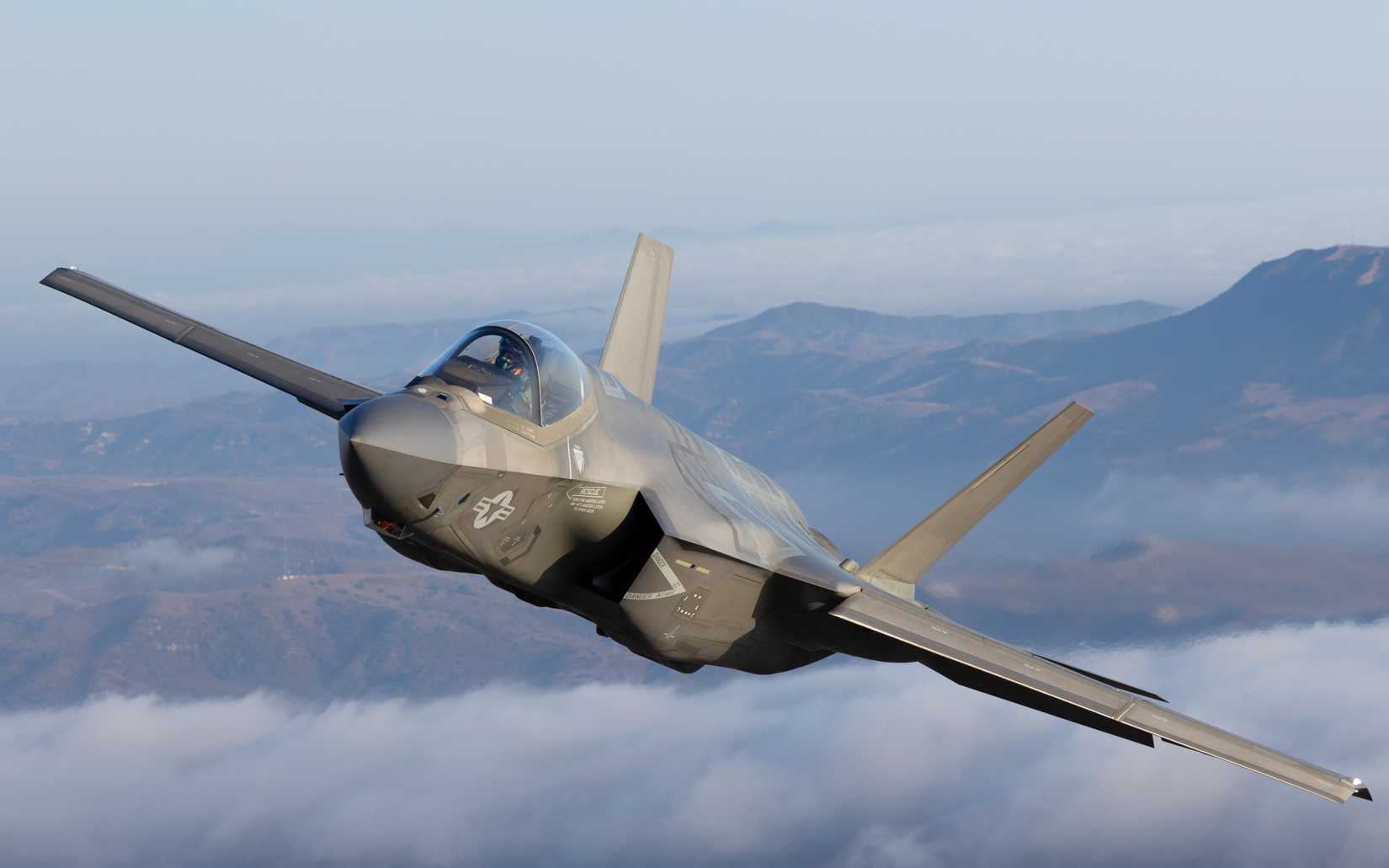
At its core, the issue is one of national security. The bigger issue for the US is not about losing the money from selling an extra 60 or so airplanes: the issue is that Canadian airspace is seen as the backdoor to US airspace and security. From the US perspective, Canada must be able to police its airspace to US satisfaction. However, the Canadian perspective is very different.
The geopolitical deterioration of relations between the United States and Canada is eroding Canada’s trust in the US, and it fears a loss of sovereignty. From Canada’s point of view, the F-35 may be the most capable fighter jet by a long shot, but that is undermined by the fear of a “kill-switch” and having the country’s top defensive capabilities dependent on US technology and sustainment. The US is able to exercise a large amount of leverage through the sale of fighter jets.
Canada’s F-35 program (Per the Canadian Government and F-35.com)
Date signed
2023
Program of record
88 aircraft
Variant
F-35A
Number contracted
16
First deliveries
Two delivered in October 2026
Initial operating capability
2029-2030
CF-18 fleet
Approx. 95
This is not unique to Canada. All sales of fighter jets have been essentially geopolitical marriage contracts between countries for decades. In South American countries like Colombia and Peru, debating purchasing the Gripen or F-16 is overshadowed by how the current governments in those countries want to work with the United States.
The previous US-skeptical government in Colombia signed for the Gripen, while the pro-US opposition asked the US to block the sale until they can contest the next election. That opposition has since won the presidency, but has so far looked at renegotiating the deal rather than canceling it. Peru has also canceled the Gripen fter the purchase got caught up in its domestic politics, instead opting for the F-16.
The Gripen Is Ill-Suited To Canadian Requirements
Credit: Department of Defense
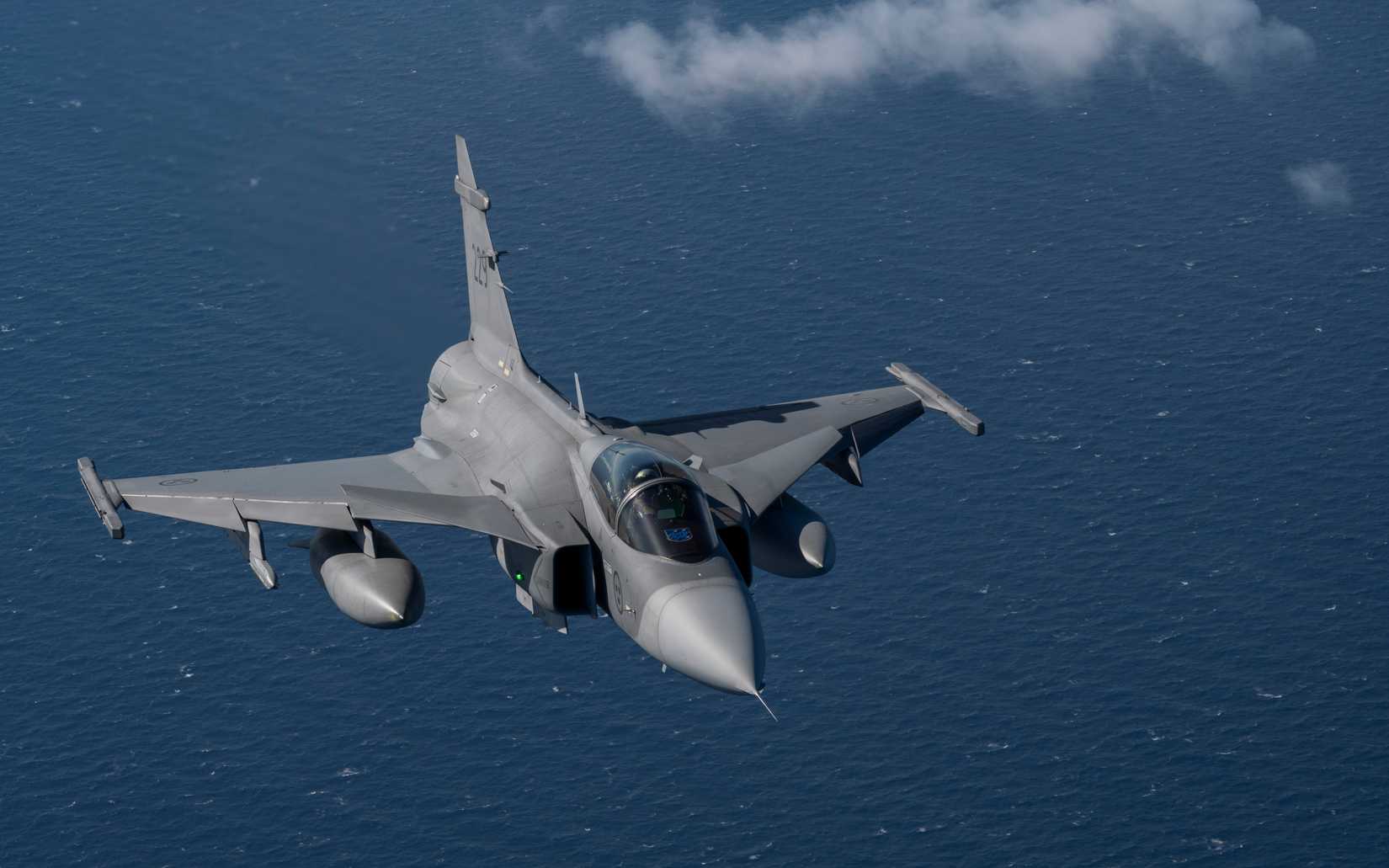
Much is said of the Gripen’s ability to take off from unprepared runways, and it is true that it has some features for that, like higher air intakes. But all modern Western fighter jets can take off from unprepared runways. Finland uses its fighter jets in a dispersed doctrine similar to Sweden, and it uses F/A-18s in that capacity. In 2021, Finland selected the F-35A as the best aircraft to continue that dispersed air force doctrine over the Gripen.
The Gripen may be designed for Arctic conditions, but so too is the F-35A, which operates in Alaska, Norway, and now, Finland. The Eurofighter and F-16 also operate from unprepared bases in exercises, but this is not even an important requirement for Canada, which doesn’t have the need to disperse aircraft, unlike Sweden and Finland.
These jets need to police the vastness of the Canadian north, and here, range is much more important. The F-35A has a much greater internal fuel range. Note that when operating from an unprepared and short landing strip, the Gripen E can’t even be fully fueled, let alone carry external fuel tanks.
It’s not possible to explore all the technical advantages of the F-35A over the Gripen in this article. However, to quote Radio Canada reporting on a Canadian Department of National Defense leak, “the F-35 got a score of 95% on military capabilities, with a total of 57.1 points out of 60. By contrast, the Gripen-E finished with a score of 33%, netting 19.8 points out of 60.” David Perry, president of the Canadian Global Affairs Institute, said:
“The capability assessment here says that there is a clear-cut winner, no contest, no ambiguity. I’d expected that [the F-35] was going to be a clear winner, but this is a winner by a mile.”
Related
What Countries Operate SAAB JAS 39 Gripen Fighter Jets?
The SAAB JAS 39 Gripen, a versatile, multi-role fighter jet, is a highly admired piece of military technology in the world of aviation.
The Gripen Is A Lightweight Fighter
Credit: Department of Defense
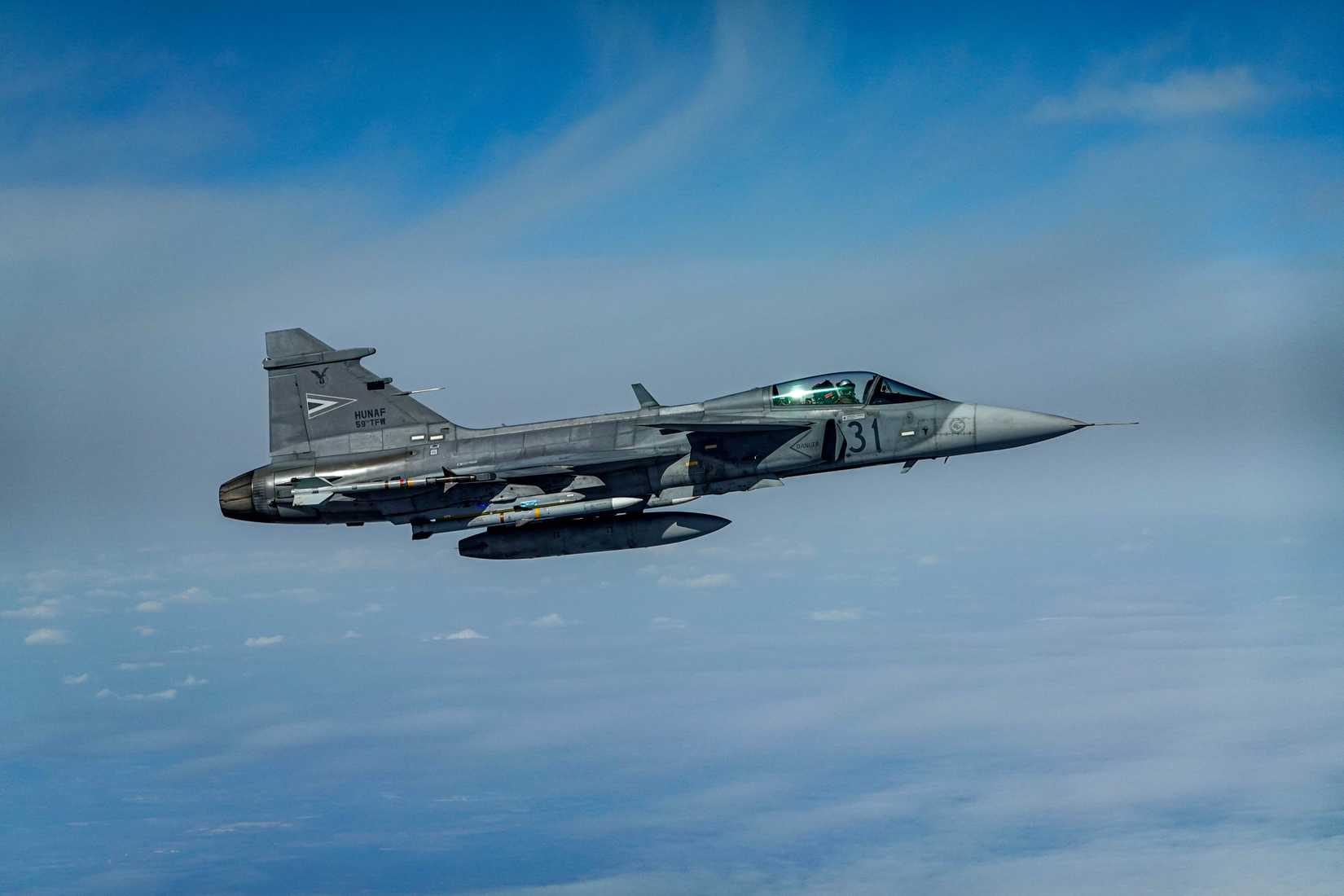
Much is said of the Gripen being cheaper than the F-35. This is complicated as headline figures often produce apples-and-oranges comparisons. Old flyaway costs of the Gripen are often used, cost overruns of the F-35 are highlighted, while glossing over the Gripen’s significant cost overruns and delays. Saab is up to eight years behind delivering the Gripen E to Brazil, while cost overruns are “equal to eight fighter jets,” according to Defense Express.
The Gripen E is not an F-35A competitor, as the F-35A has no competitor on the export market. Indeed, it is the world’s most advanced fighter jet and is in a category unto itself. Internationally, the Gripen E barely competes with other 4.5th-generation frontline fighters like the Eurofighter Typhoon, Rafale, and F-15EX. Instead, the Gripen E mostly competes with the US’s light/medium fighter: the F-16 Block 70/72.
Where the Gripen E has won export orders, the follow-up or most likely other candidate was the F-16 Block 70/72. Examples include Peru (which seems to be switching to the F-16), Colombia, Brazil, Ukraine, and Thailand. In each of these countries, there was no prospect of purchasing the F-35. Thailand is reported to have asked, but was denied by the US. The Gripen E is a great fighter in its class, but that is a different class compared with the F-35A.
NORAD Requirement Forced Eurofighter/Rafale Out
Credit: Department of Defense
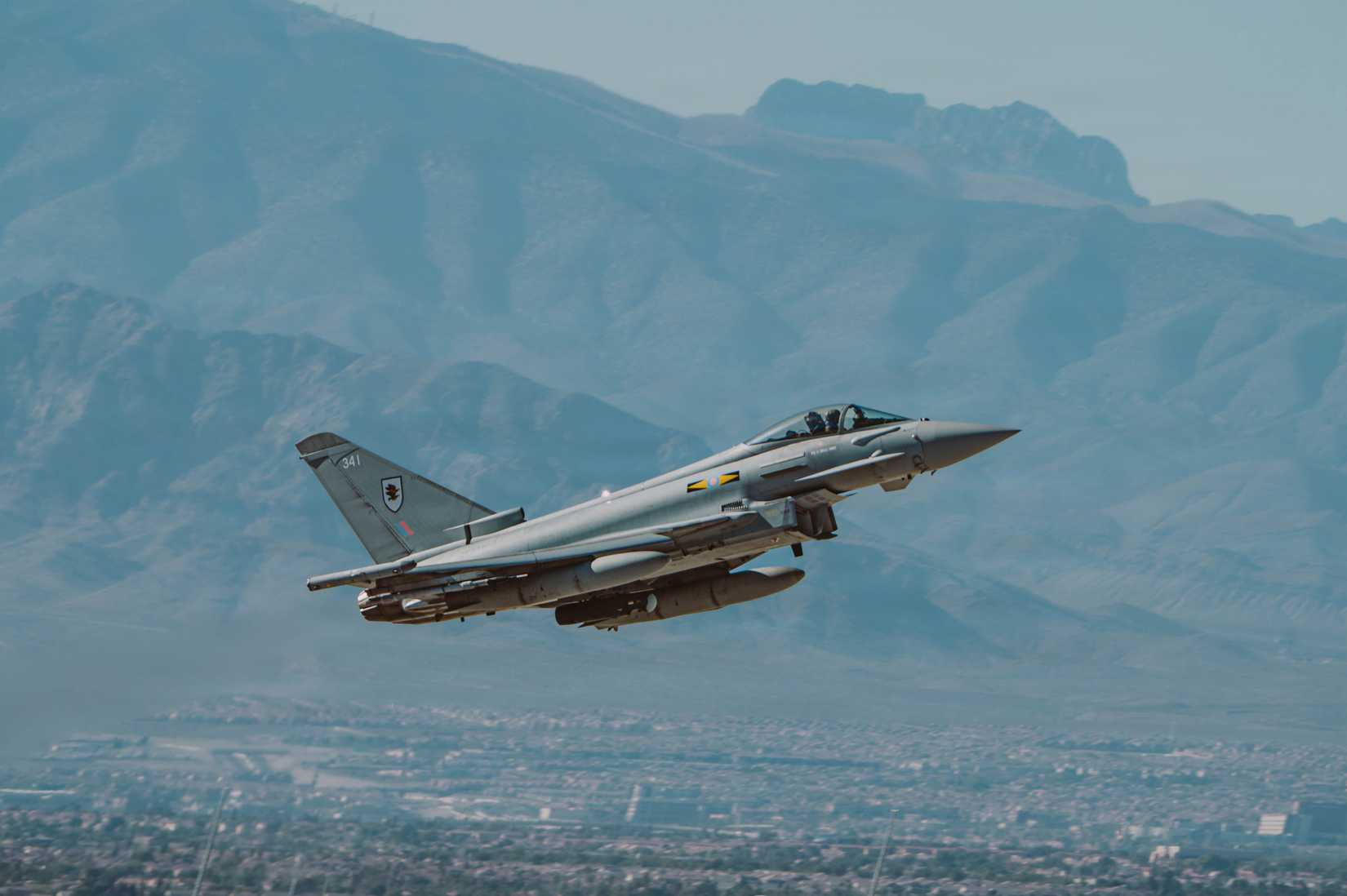
It would be misleading to say the US is worried about Canada purchasing the Saab Gripen, but it is fair to say the US is worried about Canada slashing its planned F-35A purchase. For the US, Canada’s purchasing the Gripen is fine if it also purchases enough F-35s to confidently carry out its NORAD missions. Arguably, the Dassault Rafale or Eurofighter Typhoon would be a better solution for Canada should they become NORAD-compliant.
These jets also have the distinction of being the only Western fighter jets free, or mostly free, of US export controls. The Gripen E has a GE Aerospace engine, and the aircraft is very much subject to US-export controls, paradoxically eating into Canada’s sovereignty requirement.
So, why does Canada not purchase the Rafale or Eurofighter? It seems part of the answer was that the contractors assessed the NORAD-compliant requirement was a pipedream. In 2018, the Defense and Security Monitor reported that “Dassault Aviation has pulled its Rafale fighter jet out of Canada’s CF-18 replacement competition.”
It added that “the concern appears to stem primarily from the fact that Canadian aircraft require a deep level of integration with U.S. systems due to joint NORAD missions.” The Eurofighter followed in 2019, with Airbus saying that “NORAD security requirements continue to place too significant a cost on platforms whose manufacture and repair chains sit outside the United States-Canada 2-EYES community,” according to Skies Magazine.
