


Op-ed: Why Made in America still matters to a global manufacturing market
Excel Dryer Executive Vice President and COO, William Gagnon, argues that the future of US manufacturing will depend not on chasing the lowest costs, but on investing in domestic production, skilled people and long-term resilience. In this exclusive op-ed for The Manufacturer, he explains why “Made in America” still has global significance, and what manufacturers on both sides of the Atlantic can learn from it.
As the United States approaches its 250th anniversary, American manufacturers are facing an important question: what should “Made in America” mean in a global economy?
It is a question with relevance well beyond the US. Manufacturers in North America, the UK and other advanced economies are weighing similar pressures, from overseas production and tariffs to supply chain resilience, labour availability, quality control and long-term competitiveness.
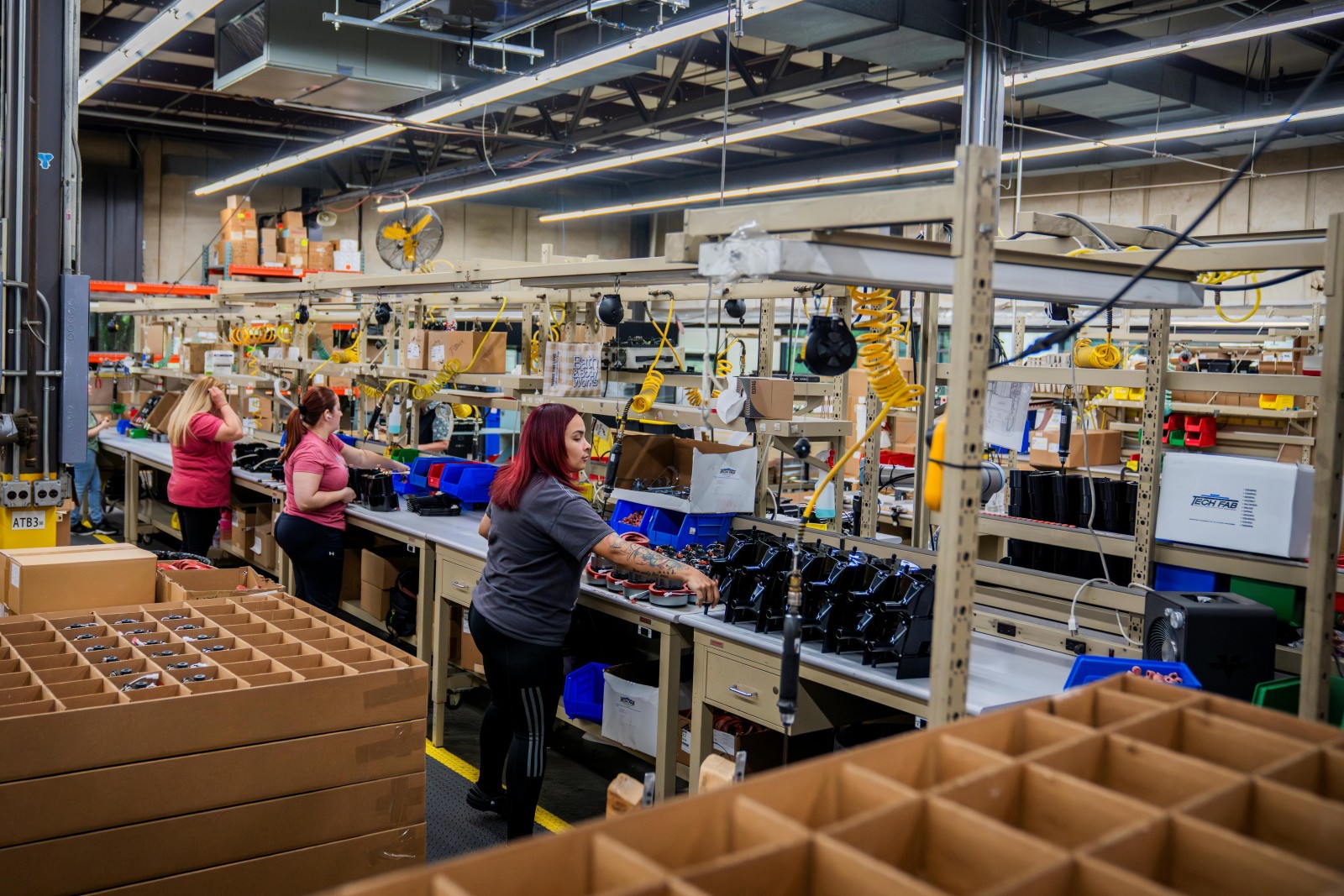
For many companies, offshore production became the default model decades ago. Lower labour costs and expanded supplier networks promised short-term savings. For others, keeping manufacturing close to home remained a deliberate business decision. At Excel Dryer, that decision has been central to who we are. We are a Massachusetts-based manufacturer, and we have continued to manufacture in the US while many competitors moved production overseas. That choice has shaped our products, our workforce, our supplier relationships and our ability to serve customers around the world.
Domestic manufacturing is not the easiest path. It requires investment in equipment, training, skilled labour, supplier partnerships and continuous improvement. It requires patience and a long-term view of the business. The value becomes clear over time through stronger quality control, greater flexibility and closer alignment between engineering, production and customer needs.
For us, the business case starts with quality. When product development, manufacturing and leadership are closely connected, teams can solve problems faster and make improvements with greater precision. Feedback from the production floor reaches engineering quickly. Product testing is more practical. Customer insight can be turned into measurable improvements.
That matters in any sector. It is especially important for products used in high-traffic public spaces where reliability, hygiene, sustainability and cost-effectiveness are priorities. Hand dryers are installed in airports, stadiums, schools, healthcare facilities, restaurants and commercial buildings. They have to perform consistently, reduce maintenance demands and support the operating goals of each facility.
The past several years have also reinforced the importance of resilience. Supply chain disruption exposed the risk of depending too heavily on distant production networks. Delays, shortages and rising transport costs forced many manufacturers to reassess where and how their products are made.
Manufacturing in the US does not remove every challenge, but it gives companies greater visibility and control. It can shorten communication lines, strengthen supplier relationships and reduce exposure to disruption. For customers, that can translate into more reliable delivery, stronger support and confidence in the company behind the product.
The global market still matters. Excel Dryer serves customers in the US and internationally, including in the UK. Our products are installed at major British venues such as Heathrow Airport and Wembley Stadium, where high-traffic washrooms require dependable, efficient and hygienic solutions. Those installations reflect an important point for manufacturers on both sides of the Atlantic: strong domestic production can support global growth.
A product made in America can compete in international markets when it is built around performance, quality and innovation. Domestic manufacturing should not be seen as a retreat from global trade. It can be a foundation for it.
There is also a workforce story that deserves more attention. Manufacturing creates skilled careers and supports local economies. It gives employees a direct role in building products used every day in facilities around the world. When companies invest in domestic production, they invest in technical knowledge, training and the next generation of manufacturing talent.
That will become increasingly important as the US approaches America250. The future of American manufacturing will need to be modern, efficient and globally competitive. It will require automation, sustainability, continuous improvement and a renewed commitment to workforce development. It will also require companies to make deliberate decisions about what they value over the long term.
For Excel Dryer, manufacturing in the US remains a smart business decision. It strengthens quality. It supports innovation. It improves supply chain resilience. It gives our workforce pride in what they build and gives customers confidence in what they choose.
As manufacturers in North America and the UK continue to navigate a changing global economy, the lesson is clear. The lowest short-term cost does not always create the strongest company. Long-term value depends on quality, reliability, skilled people and the ability to adapt.
“Made in America” still matters. At its best, it represents more than where a product is assembled. It represents accountability, investment, innovation and confidence in the future of manufacturing.
About the author
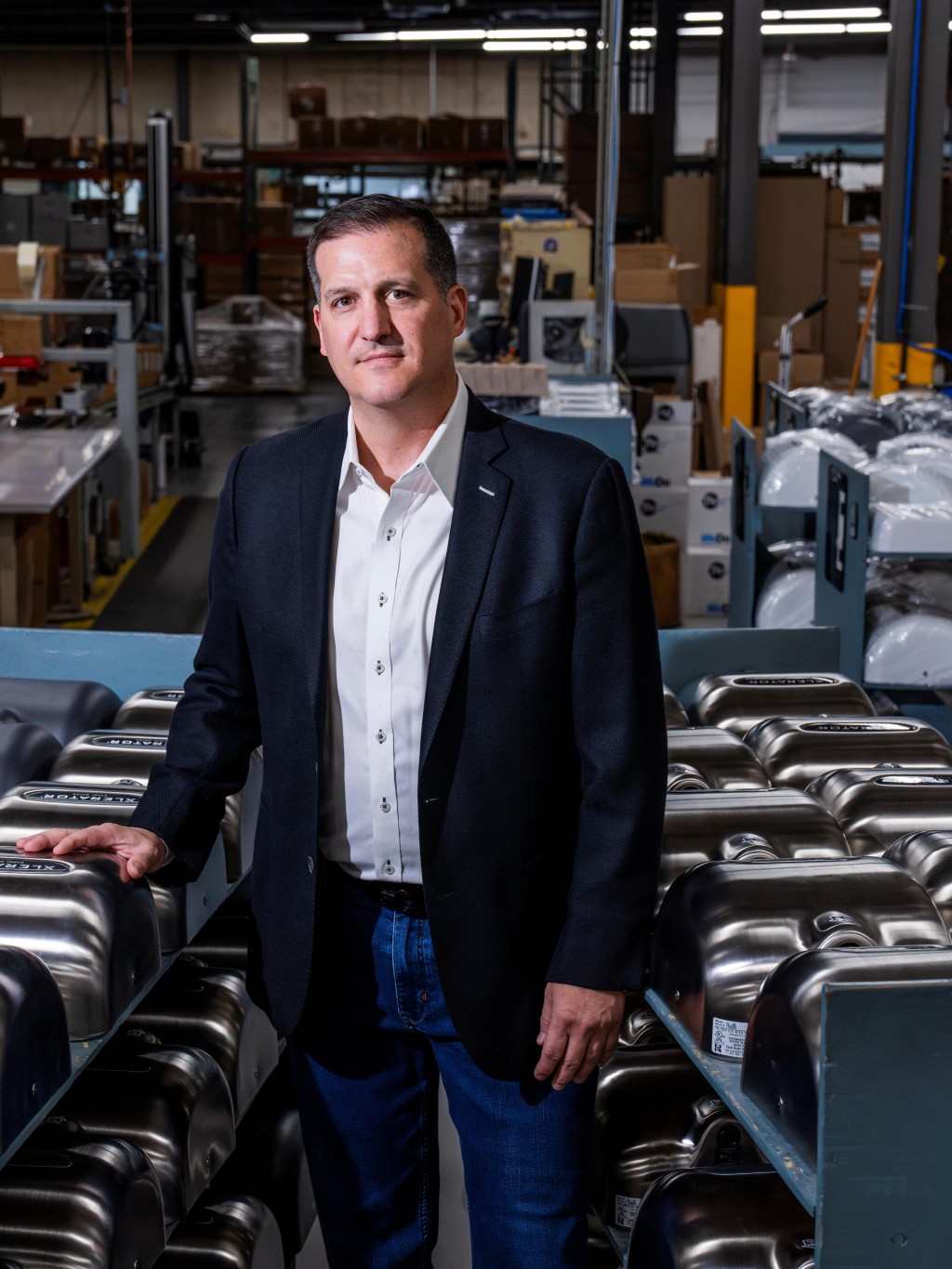 William Gagnon is executive vice president and COO of Excel Dryer, Inc., where he helps lead operations, product innovation, global growth and strategic initiatives for the family-owned manufacturer. With more than 20 years of industry experience, Gagnon has played a key role in advancing the XLERATOR® Hand Dryer and establishing the high-speed, energy-efficient hand dryer category. His leadership supports Excel Dryer’s continued focus on hygienic, sustainable and cost-effective hand drying solutions for facilities worldwide.