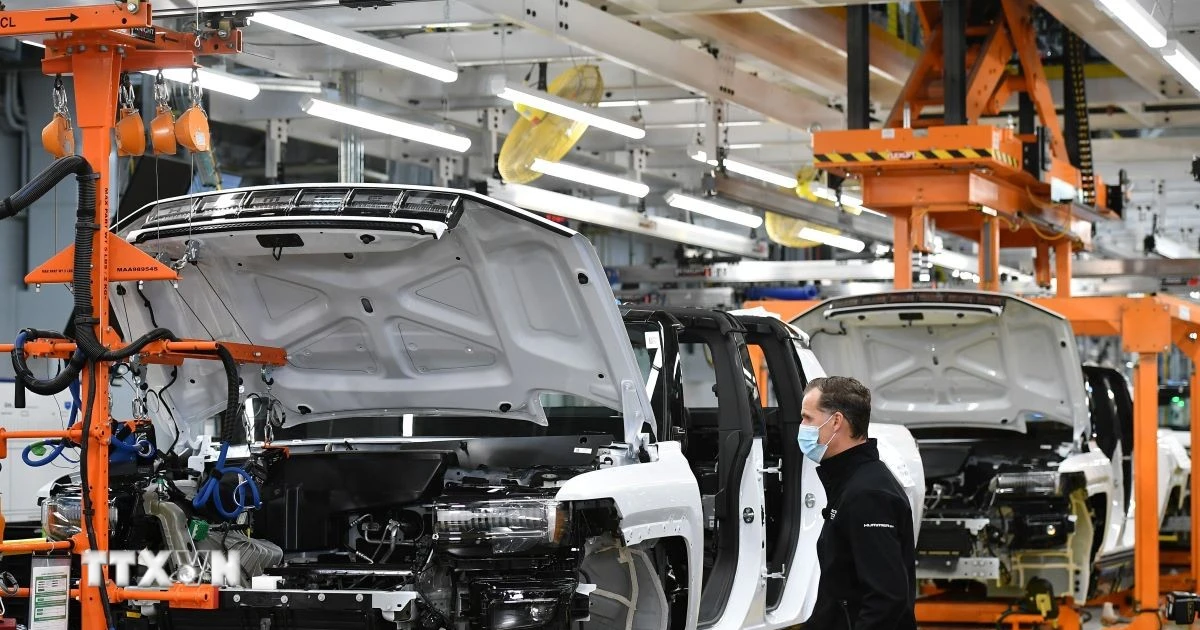
The White House releases report on U.S. manufacturing.


The White House Council of Economic Advisors (CEA) released a 14-page report on October 10th titled “The State of American Manufacturing,” assessing the state of the American manufacturing sector during President Donald Trump ‘s second term. The report states that tariff policies, investment incentives, and encouragement to bring manufacturing back to the U.S. are supporting job growth, wage increases, factory construction investment, and exports.

According to the CEA, the U.S. manufacturing sector will add 72,000 jobs from the beginning of 2026. Of these, the durable goods sector will add 101,000 jobs, with metals manufacturing adding 21,000 and transportation equipment adding 17,000. The CEA compares these results to the final two years of former President Joe Biden’s term, when the manufacturing sector lost more than 200,000 jobs.

Data compiled by the CEA from the U.S. Bureau of Labor Statistics (BLS), the Federal Reserve Board, the Bureau of Economic Analysis, S&P Global, and corporate investment announcements shows that the manufacturing sector is expected to lose an average of 2,000 jobs per month in 2023, 15,000 jobs per month in 2024, and 9,000 jobs per month in 2025. In 2026, the sector is projected to gain an average of 8,000 jobs per month.

Regarding manufacturing activity, the US manufacturing Purchasing Managers’ Index (PMI) published by S&P Global reached 55.9 points in September 2026, the highest level since President Trump returned to the White House. According to the report, the manufacturing sector has recorded 14 consecutive months of expansion.

Salaries and hiring demand are improving.

The CEA reported that nominal wages for manufacturing workers increased by 7.9% since January 2025. For non-managerial workers, the increase reached 9.2%. After adjusting for inflation, the real wages for this group increased by approximately $2,486 per year. In the construction industry, the corresponding increase for non-managerial or supervisory workers was $3,824 per year.

For all private sector workers, the CEA projected real wages to increase by the equivalent of $791 per year as of August 2026. The report compares this figure to a $2,938 decrease over four years under former President Joe Biden’s administration. Non-managerial workers in the mining and logging industries alone saw real wage increases of the equivalent of $4,304 per year.

Employment indicators also show a shift. The number of job openings in the manufacturing sector increased by 25% in one year, while the number of workers voluntarily leaving their jobs decreased by 25%. Overtime hours increased by approximately 5.3%.

The report also highlighted the tax deduction policy for overtime pay. More than 29 million Americans claimed this deduction during tax season, with the average deduction exceeding $3,100.

In the construction sector, the number of jobs in professional construction outside the residential sector has increased by approximately 111,000 since President Trump took office; the total number of jobs in the entire construction industry has increased by about 100,000. The CEA predicts that current factory construction activity could contribute to expanding U.S. manufacturing capacity in the coming years.

Businesses are expanding production and investing in factories.

The report cites several examples of businesses expanding their operations. Ketchie Inc. in North Carolina increased its workforce by 25% after purchasing additional precision machinery. Jergens in Ohio reported that investment deduction incentives helped fuel its expansion plans in Illinois; 83% of the company’s hourly workers now voluntarily work overtime.

In Washington state, aluminum shipbuilder Munson Boats restarted an expansion plan that had been halted in 2020. The project adds 6,000 square feet of production space and is expected to create 15 new jobs. Meanwhile, Vermeer in Iowa plans to invest millions of dollars in machining centers and hire 150-200 additional employees.

Regarding large-scale investments, CEA stated that investment commitments announced in the US under the Trump administration exceeded $11 trillion, focusing on sectors such as semiconductors, pharmaceuticals, automobiles, and metals.

Among the projects mentioned, Micron Technology committed to investing $250 billion in electronic memory manufacturing facilities in Idaho, Virginia, and New York. Apple announced plans to invest $600 billion in the US.

Pharmaceutical company GSK announced a $30 billion investment in research, development, and manufacturing, while Gilead added $11 billion to its US factories. Stellantis also announced a $13 billion investment program, described as the largest in the company’s history.

The figures above represent announced investment commitments or plans, and do not mean that all capital has been disbursed or that the projects are operational.

Industrial output and exports increased.

According to data from the US Federal Reserve Board, semiconductor and electronic circuit board production increased by 22% year-on-year. Commercial vehicle manufacturing increased by 16.1%, passenger transport equipment by 11.2%, and computers and electronic products by 8.7%.

Other sectors also recorded increases, including defense and aerospace equipment up 7.1%, industrial machinery up 6.3%, and aviation and other transport equipment up 4.2%.

Gross domestic product data shows that the value added of the durable goods manufacturing sector increased by 8.3% in the second quarter of 2026 compared to the same period of the previous year; the non-durable goods manufacturing sector increased by 9.5%, while the mining sector increased by 31%.

Real private fixed investment in the first six months of 2026 increased at an annualized rate of 6.9%, higher than the 3.8% of 2025 and 2.3% of 2024. The CEA used this figure to highlight the upward trend in investment in manufacturing facilities and equipment.

In the field of foreign trade, US goods exports are projected to reach a record monthly level of $220 billion in April 2026. In the first eight months of the year, the value of goods exports increased by 15% compared to the same period in 2025 and was 20% higher than the same period in 2024.

Several product categories recorded significant export increases, including computers (up 46%), computer accessories (up 52%), semiconductors (up 26%), telecommunications equipment (up 14%), civil aircraft (up 16%), and civil aircraft engines (up 19%). Aluminum exports increased by 34%, copper by 25%, while industrial raw materials and supplies increased by 26%.

Conversely, imports of production materials, excluding automobiles, increased by 39% year-on-year. Specifically, computer imports increased by 95%, semiconductors by 84%, civil aircraft by 66%, and specialized mining equipment by 37%. Imports of consumer goods decreased by 20%.

The CEA believes this development reflects an increase in imports of machinery and equipment for manufacturing, and also indicates a shift in the structure of US demand for goods.

​

Free Training

Source link

U.S. Solar Manufacturing Capex Forecast to Fall in 2027 – News and Statistics


This report is an independent strategic market study that provides a structured, commercially grounded analysis of the market for Solar Cells and Module in the United States. It is designed for battery and storage manufacturers, power-electronics suppliers, system integrators, EPC partners, developers, utilities, investors, and strategic entrants that need a clear view of deployment demand, technology positioning, manufacturing exposure, safety and qualification burden, project economics, and competitive structure.

The analytical framework is designed to work both for a single specialized storage or conversion component and for a broader renewable energy generation component, where market structure is shaped by chemistry, duration, project economics, system integration, safety requirements, route-to-market, and grid-interface logic rather than by one narrow customs heading alone. It defines Solar Cells and Module as Semiconductor devices that convert sunlight directly into electricity, manufactured as individual cells and assembled into modules (panels) for integration into solar power systems and examines the market through deployment use cases, buyer environments, upstream input dependencies, conversion and integration stages, qualification and safety requirements, pricing architecture, commercial channels, and country capability differences. Historical analysis typically covers 2012 to 2025, with forward-looking scenarios through 2035.

What questions this report answers

This report is designed to answer the questions that matter most to decision-makers evaluating an energy-storage, battery, renewable-integration, or power-conversion market.

  1. Market size and direction: how large the market is today, how it has developed historically, and how it is expected to evolve through the next decade.
  2. Scope boundaries: what exactly belongs in the market and where the boundary should be drawn relative to adjacent generation, grid, thermal, power-quality, or finished-equipment categories.
  3. Commercial segmentation: which segmentation lenses are truly decision-grade, including chemistry, architecture, application, duration, project layer, safety tier, and geography.
  4. Demand architecture: where demand originates across EVs, stationary storage, renewables integration, backup power, industrial resilience, grid services, or other deployment environments.
  5. Supply and integration logic: which inputs, components, conversion steps, integration layers, and project-delivery constraints shape lead times, margins, and differentiation.
  6. Pricing and project economics: how value is distributed across materials, components, integration, controls, service, and project layers, and where bankability or qualification alters margins.
  7. Competitive structure: which company archetypes matter most, how they differ in manufacturing depth, integration control, safety or standards positioning, and where strategic whitespace still exists.
  8. Entry and expansion priorities: where to enter first, whether to build, buy, partner, or integrate, and which countries matter most for sourcing, production, deployment, or commercial scale-up.
  9. Strategic risk: which chemistry, safety, supply, regulation, performance, and project-execution risks must be managed to support credible entry or scaling.

What this report is about

At its core, this report explains how the market for Solar Cells and Module actually functions. It identifies where demand originates, how supply is organized, which technological and regulatory barriers influence adoption, and how value is distributed across the value chain. Rather than describing the market only in broad terms, the study breaks it into analytically meaningful layers: product scope, segmentation, end uses, customer types, production economics, outsourcing structure, country roles, and company archetypes.

The report is particularly useful in markets where buyers are highly specialized, suppliers differ significantly in technical depth and regulatory readiness, and the commercial landscape cannot be understood only through top-line market size figures. In this context, the study is designed not only to estimate the size of the market, but to explain why the market has that size, what drives its growth, which subsegments are the most attractive, and what it takes to compete successfully within it.

Research methodology and analytical framework

The report is based on an independent analytical methodology that combines deep secondary research, structured evidence review, market reconstruction, and multi-level triangulation. The methodology is designed to support products for which there is no single clean official dataset capturing the full market in a directly usable form.

The study typically uses the following evidence hierarchy:

  • official company disclosures, manufacturing footprints, capacity announcements, and platform descriptions;
  • regulatory guidance, standards, product classifications, and public framework documents;
  • peer-reviewed scientific literature, technical reviews, and application-specific research publications;
  • patents, conference materials, product pages, technical notes, and commercial documentation;
  • public pricing references, OEM/service visibility, and channel evidence;
  • official trade and statistical datasets where they are sufficiently scope-compatible;
  • third-party market publications only as benchmark triangulation, not as the primary basis for the market model.

The analytical framework is built around several linked layers.

First, a scope model defines what is included in the market and what is excluded, ensuring that adjacent products, downstream finished goods, unrelated instruments, or broader chemical categories do not distort the market boundary.

Second, a demand model reconstructs the market from the perspective of consuming sectors, workflow stages, and applications. Depending on the product, this may include Grid-connected solar farms, Commercial rooftop installations, Residential solar systems, Industrial self-consumption projects, Off-grid electrification, and Solar-powered consumer electronics and mobility across Power Generation (Utilities/IPPs), Commercial Real Estate, Industrial Manufacturing, Residential Construction, Telecommunications, and Public Infrastructure and Technology R&D and Pilot Lines, Capacity Planning and CAPEX Deployment, Supply Chain Sourcing and Qualification, Manufacturing Process Optimization, Quality Assurance and Certification, Sales Channel and Distribution Setup, and Project Design and System Integration. Demand is then allocated across end users, development stages, and geographic markets.

Third, a supply model evaluates how the market is served. This includes Polysilicon, Silicon Wafers (Mono Grown, Cast Multi), Solar Glass, Encapsulation Materials (EVA, POE), Backsheets, Frames (Aluminum), Silver Paste & Conductive Adhesives, and Specialty Gases and Chemicals, manufacturing technologies such as Passivated Emitter and Rear Cell (PERC), Tunnel Oxide Passivated Contact (TOPCon), Heterojunction Technology (HJT), Interdigitated Back Contact (IBC), Bifacial Module Design, Half-Cell and Shingled Cell Interconnection, and Advanced Module Encapsulation and Framing, quality control requirements, outsourcing, contract manufacturing, integration, and project-delivery participation, distribution structure, and supply-chain concentration risks.

Fourth, a country capability model maps where the market is consumed, where production is materially feasible, where manufacturing capability is limited or emerging, and which countries function primarily as innovation hubs, supply nodes, demand centers, or import-reliant markets.

Fifth, a pricing and economics layer evaluates price corridors, cost drivers, complexity premiums, outsourcing logic, margin structure, and switching barriers. This is especially relevant in markets where product grade, purity, customization, regulatory burden, or service model materially influence economics.

Finally, a competitive intelligence layer profiles the leading company types active in the market and explains how strategic roles differ across upstream material suppliers, component and controls providers, OEMs, storage-system integrators, EPC partners, project developers, and distribution or service channels.

Product-Specific Analytical Focus

  • Key applications: Grid-connected solar farms, Commercial rooftop installations, Residential solar systems, Industrial self-consumption projects, Off-grid electrification, and Solar-powered consumer electronics and mobility
  • Key end-use sectors: Power Generation (Utilities/IPPs), Commercial Real Estate, Industrial Manufacturing, Residential Construction, Telecommunications, and Public Infrastructure
  • Key workflow stages: Technology R&D and Pilot Lines, Capacity Planning and CAPEX Deployment, Supply Chain Sourcing and Qualification, Manufacturing Process Optimization, Quality Assurance and Certification, Sales Channel and Distribution Setup, and Project Design and System Integration
  • Key buyer types: Project Developers & EPCs, Solar Distributors & Wholesalers, System Integrators, Large Utilities & IPPs, OEMs (for integrated products), and Government Tender Agencies
  • Main demand drivers: Levelized Cost of Electricity (LCOE) reduction, Government renewable energy targets and subsidies, Corporate Renewable Energy (RE) procurement (PPAs), Grid parity and rising retail electricity prices, Electrification and decarbonization policies, and Energy security and diversification needs
  • Key technologies: Passivated Emitter and Rear Cell (PERC), Tunnel Oxide Passivated Contact (TOPCon), Heterojunction Technology (HJT), Interdigitated Back Contact (IBC), Bifacial Module Design, Half-Cell and Shingled Cell Interconnection, and Advanced Module Encapsulation and Framing
  • Key inputs: Polysilicon, Silicon Wafers (Mono Grown, Cast Multi), Solar Glass, Encapsulation Materials (EVA, POE), Backsheets, Frames (Aluminum), Silver Paste & Conductive Adhesives, and Specialty Gases and Chemicals
  • Main supply bottlenecks: High-purity polysilicon capacity and pricing, Specialty solar glass and backsheet films, Silver paste supply for metallization, Advanced manufacturing equipment (e.g., PECVD, laser tools), Skilled process engineering talent, and Trade barriers and import/export tariffs
  • Key pricing layers: Cell Price ($/Wp), Module Price ($/Wp), Tier-1 vs. Tier-2/3 Price Premium, Technology / Efficiency Premium (e.g., TOPCon vs. PERC), Bifaciality Gain Premium, and Contract Type (Spot vs. Long-Term Agreement)
  • Regulatory frameworks: Minimum Import Price (MIP) / Anti-Dumping Duties, Local Content Requirements, Product Certification Standards (IEC, UL), Waste Electrical and Electronic Equipment (WEEE) directives, Carbon Border Adjustment Mechanisms (CBAM), and Net Metering and Feed-in Tariff Policies

Product scope

This report covers the market for Solar Cells and Module in its commercially relevant and technologically meaningful form. The scope typically includes the product itself, its major product configurations or variants, the critical technologies used to produce or deliver it, the core input categories required for manufacturing, and the services directly associated with its commercial supply, quality control, or integration into end-user workflows.

Included within scope are the product forms, use cases, inputs, and services that are necessary to understand the actual addressable market around Solar Cells and Module. This usually includes:

  • core product types and variants;
  • product-specific technology platforms;
  • product grades, formats, or complexity levels;
  • critical raw materials and key inputs;
  • material processing, cell and component manufacturing, system integration, power-conversion, commissioning, or project-delivery activities directly tied to the product;
  • research, commercial, industrial, clinical, diagnostic, or platform applications where relevant.

Excluded from scope are categories that may be technologically adjacent but do not belong to the core economic market being measured. These usually include:

  • downstream finished products where Solar Cells and Module is only one embedded component;
  • unrelated equipment or capital instruments unless explicitly part of the addressable market;
  • generic power equipment, generation assets, or adjacent categories not specific to this product space;
  • adjacent modalities or competing product classes unless they are included for comparison only;
  • broader customs or tariff categories that do not isolate the target market sufficiently well;
  • Balance of System (BOS) components (inverters, racking, wiring), Solar thermal collectors for heat generation, Complete turnkey solar power plants as a single unit, Upstream polysilicon, wafers, and glass (covered in supply chain), Downstream installation and EPC services, Solar inverters and power optimizers, Energy storage systems (batteries), Mounting structures and trackers, Solar charge controllers, and Green hydrogen electrolyzers.

The exact inclusion and exclusion logic is always a critical part of the study, because the quality of the market estimate depends directly on disciplined scope boundaries.

Product-Specific Inclusions

  • Crystalline silicon (c-Si) solar cells (mono, poly)
  • Thin-film solar cells (CdTe, CIGS, a-Si)
  • Advanced cell architectures (PERC, TOPCon, HJT, IBC)
  • Bifacial modules
  • Standard and high-efficiency modules
  • Cell and module manufacturing processes and equipment

Product-Specific Exclusions and Boundaries

  • Balance of System (BOS) components (inverters, racking, wiring)
  • Solar thermal collectors for heat generation
  • Complete turnkey solar power plants as a single unit
  • Upstream polysilicon, wafers, and glass (covered in supply chain)
  • Downstream installation and EPC services

Adjacent Products Explicitly Excluded

  • Solar inverters and power optimizers
  • Energy storage systems (batteries)
  • Mounting structures and trackers
  • Solar charge controllers
  • Green hydrogen electrolyzers

Geographic coverage

The report provides focused coverage of the United States market and positions United States within the wider global energy-storage and renewable-integration industry structure.

The geographic analysis explains local deployment demand, domestic capability, import dependence, project-development relevance, safety and approval burden, and the country’s strategic role in the wider market.

Geographic and Country-Role Logic

  • Technology & Manufacturing Hub (R&D, advanced CAPEX)
  • Low-Cost Manufacturing Base (scale, process efficiency)
  • Major End-Market (policy-driven demand)
  • Raw Material & Input Supplier (polysilicon, glass)

Who this report is for

This study is designed for strategic, commercial, operations, project-delivery, and investment users, including:

  • manufacturers evaluating entry into a new advanced product category;
  • suppliers assessing how demand is evolving across customer groups and use cases;
  • OEMs, system integrators, EPC partners, developers, and lifecycle service providers evaluating market attractiveness and positioning;
  • investors seeking a more robust market view than off-the-shelf benchmark estimates alone can provide;
  • strategy teams assessing where value pools are moving and which capabilities matter most;
  • business development teams looking for attractive product niches, customer groups, or expansion markets;
  • procurement and supply-chain teams evaluating country risk, supplier concentration, and sourcing diversification.

Why this approach is especially important for advanced products

In many energy-transition, storage, power-conversion, and project-driven markets, official trade and production statistics are not sufficient on their own to describe the true market. Product boundaries may cut across multiple tariff codes, several product categories may be bundled into the same official classification, and a meaningful share of activity may take place through customized services, captive supply, platform relationships, or technically specialized channels that are not directly visible in standard statistical datasets.

For this reason, the report is designed as a modeled strategic market study. It uses official and public evidence wherever it is reliable and scope-compatible, but it does not force the market into a purely statistical framework when doing so would reduce analytical quality. Instead, it reconstructs the market through the logic of demand, supply, technology, country roles, and company behavior.

This makes the report particularly well suited to products that are innovation-intensive, technically differentiated, capacity-constrained, platform-dependent, or commercially structured around specialized buyer-supplier relationships rather than standardized commodity trade.

Typical outputs and analytical coverage

The report typically includes:

  • historical and forecast market size;
  • market value and normalized activity or volume views where appropriate;
  • demand by application, end use, customer type, and geography;
  • product and technology segmentation;
  • supply and value-chain analysis;
  • pricing architecture and unit economics;
  • manufacturer entry strategy implications;
  • country opportunity mapping;
  • competitive landscape and company profiles;
  • methodological notes, source references, and modeling logic.

The result is a structured, publication-grade market intelligence document that combines quantitative modeling with commercial, technical, and strategic interpretation.

Free Training

Source link

UCB Dedicates Site for New U.S. Biologics Manufacturing Campus in Georgia


  • Site dedication signals continued momentum for UCB’s first U.S. manufacturing campus
  • Emphasizes long-term commitment to advancing innovation, patient access, and workforce development in Gwinnett County and surrounding areas
  • New manufacturing site strengthens Georgia’s position as a Life Sciences Leader

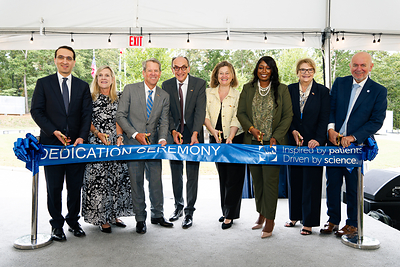
ATLANTA, Oct. 9, 2026 /PRNewswire/ — UCB today marked the dedication of the future site of its new U.S. biologics manufacturing campus at Rowen in Gwinnett County, Georgia. The ceremony brought together Georgia, U.S. Department of Commerce, and Gwinnett County officials, the Belgium Consulate, UCB leaders, community partners, and industry stakeholders to celebrate the future site of one of the largest life sciences manufacturing investments in Georgia history.

UCB Dedicates Site for New U.S. Biologics Manufacturing Campus on October 9, 2026, in Gwinnett County, Georgia.

UCB Dedicates Site for New U.S. Biologics Manufacturing Campus on October 9, 2026, in Gwinnett County, Georgia.

UCB Dedicates Site for New U.S. Biologics Manufacturing Campus on October 9, 2026, in Gwinnett County, Georgia.

UCB Dedicates Site for New U.S. Biologics Manufacturing Campus on October 9, 2026, in Gwinnett County, Georgia.

UCB Dedicates Site for New U.S. Biologics Manufacturing Campus on October 9, 2026, in Gwinnett County, Georgia.

UCB Dedicates Site for New U.S. Biologics Manufacturing Campus on October 9, 2026, in Gwinnett County, Georgia.

Emmanuel Janssen Circle Unveiled
As part of the ceremony, distinguished guests participated in the unveiling of Emmanuel Janssen Circle, a commemorative stonework installation just completed within the roundabout to the entrance of the future campus. Emmanuel Janssen Circle is named for the founder of UCB and his family, who started the company nearly a century ago.

The ceremony included a ribbon-cutting, marking the beginning of the next phase of development for the future manufacturing campus.

Emmanuel Janssen Circle honors the entrepreneurial legacy that continues to shape UCB’s mission and growth today.

Leaders Highlight Importance of U.S. Biomanufacturing
The site dedication featured remarks from Georgia Governor Brian Kemp, U.S. Department of Commerce Under Secretary Jeffrey Kessler, Gwinnett County Chairwoman Nicole Love Hendrickson, Consul General Katherine Raeymaekers of Belgium, and UCB leadership.

Jean-Christophe Tellier, Chief Executive Officer of UCB, said: “At UCB, our purpose is to create value for people living with severe diseases, and that purpose guides the science we pursue, where we invest, and the choices we make for the long term. Our manufacturing investment in the United States reflects our long-term commitment to patients, strengthening our ability to serve them while contributing to scientific innovation, highly skilled jobs, and economic growth in Georgia.”

Georgia Governor Brian Kemp said: “It is an honor to stand with UCB leadership and so many Georgians who made this campus a reality to mark this great milestone for our state. From visiting UCB’s headquarters in Belgium to welcoming their first U.S. manufacturing site, this partnership is already delivering great results for this community and supporting the health of people across our state and nation.”

Under Secretary for the U.S. Department of Commerce for Industry and Security Jeffrey I. Kessler, said: “Today’s announcement is the latest example of how President Trump’s policies are making America – and Georgia – stronger, more prosperous, and more secure. The Department of Commerce is proud to support major new investments in domestic manufacturing, jobs, and innovation.”

Katherine Raeymaekers, Consul General of Belgium, said: “Today’s site dedication reflects the strength of the partnership between Belgium, the United States, and the State of Georgia – and our shared commitment to enduring progress, innovation, and opportunity. UCB’s new biomanufacturing campus builds on the entrepreneurial legacy of Baron Emmanuel Janssen, founder of UCB, while strengthening the transatlantic collaboration that drives economic growth, scientific innovation, and improving people’s lives.”

Nicole Love Hendrickson, Chairwoman of the Gwinnett County Board of Commissioners, said: “We are honored that UCB has chosen Gwinnett County as the home for this transformational investment. This new biologics manufacturing campus strengthens our position as a hub for innovation, creates meaningful opportunities for our residents, and supports the continued growth of a thriving life sciences ecosystem. We look forward to partnering with UCB as they build a campus that will have a lasting impact on our community and our economy.”

Why UCB Selected Georgia
UCB selected Georgia for its new biologics manufacturing campus because of the state’s strong life sciences ecosystem, highly skilled workforce, robust infrastructure, and access to leading academic and research institutions.

Home to UCB’s U.S. headquarters in metro Atlanta for more than 30 years, UCB already employs more than 400 people in Georgia and was named a winner of the 2026 Metro Atlanta Top Workplaces Award by Axios.

As UCB expands its presence in Georgia, this new manufacturing campus reinforces the company’s long-term investment in the state, its growing life sciences offering, and its overall culture that attracts, develops, and retains the talent needed to support innovation and a reliable medicine supply for U.S. patients. UCB is actively seeking partnerships with local universities, schools, and workforce development organizations to help cultivate the next generation of biomanufacturing talent in Georgia.

UCB’s planned biologics manufacturing campus is part of an approximately $2 billion investment expected to generate approximately $5 billion in economic impact, create approximately 330 highly skilled permanent jobs, and support more than 1,000 construction jobs.

A New U.S. Biologics Manufacturing Campus
The approximately 460,000-square-foot campus will occupy 79 acres within the Rowen innovation district in Gwinnett County, Georgia.

Designed with a digital-first approach, the facility will leverage artificial intelligence, automation, and advanced manufacturing technologies to produce complex biologic medicines for patients while strengthening UCB’s supply chain resilience.

The future campus is expected to support commercial production of recently approved and future biologic medicines, further integrating UCB’s U.S. patient value chain from research and development through manufacturing and delivery.

Economic development partners with the Metro Atlanta Chamber, Georgia Quick Start, Gwinnett County Government, and Georgia Power Company, worked with Partnership Gwinnett and the Georgia Department of Economic Development on this project.

UCB’s Presence in the United States
UCB has maintained a presence in the United States for nearly a century and established its U.S. headquarters in Atlanta, Georgia, in 1993.

Today, UCB employs more than 2,000 people across the United States in research, development, manufacturing, commercial operations, and corporate functions.

The new Georgia manufacturing campus will expand UCB’s existing U.S. footprint and strengthen the company’s ability to manufacture biologic medicines in the United States.

About UCB 
UCB, Brussels, Belgium (www.ucb.com) is a global biopharmaceutical company focused on the discovery and development of innovative medicines and solutions to transform the lives of people living with severe diseases of the immune system or of the central nervous system. With more than 9 000 people in approximately 40 countries, the company generated revenue of € 7.7 billion in 2025. UCB is listed on Euronext Brussels (symbol: UCB).

For further information, contact UCB:

U.S. Communications
Erica Puntel
T 404.938.5359
Email [email protected] 

Jeanna Buck-Simpson
T 252.945.6566
Email [email protected] 

Forward looking statements 

This document contains forward-looking statements, including, without limitation, statements containing the words “potential”, “believes”, “anticipates”, “expects”, “intends”, “plans”, “seeks”, “estimates”, “may”, “will”, “continue” and similar expressions. These forward-looking statements are based on current plans, estimates and beliefs of management. All statements, other than statements of historical facts, are statements that could be deemed forward-looking statements, including estimates of revenues, operating margins, capital expenditures, cash, other financial information, expected legal, arbitration, political, regulatory or clinical results or practices and other such estimates and results. By their nature, such forward-looking statements are not guaranteeing future performance and are subject to known and unknown risks, uncertainties, and assumptions which might cause the actual results, financial condition, performance or achievements of UCB, or industry results, to be materially different from any future results, performance, or achievements expressed or implied by such forward-looking statements contained in this document.

Important factors that could result in such differences include but are not limited to: global spread and impacts of wars, pandemics and terrorism, the general geopolitical environment, climate change, changes in general economic, business and competitive conditions, the inability to obtain necessary regulatory approvals or to obtain them on acceptable terms or within expected timing, costs associated with research and development, changes in the prospects for products in the pipeline or under development by UCB, effects of future judicial decisions or governmental investigations, safety, quality, data integrity or manufacturing issues, supply chain disruption and business continuity risks; potential or actual data security and data privacy breaches, or disruptions of UCB’s information technology systems, product liability claims, challenges to patent protection for products or product candidates, competition from other products including biosimilars or disruptive technologies/business models, changes in laws or regulations, exchange rate fluctuations, changes or uncertainties in laws and/or rules pertaining to tax and duties or the administration of such laws and/or rules, and hiring, retention and compliance of employees. There is no guarantee that new product candidates will be discovered or identified in the pipeline, or that new indications for existing products will be developed and approved. Movement from concept to commercial product is uncertain; preclinical results do not guarantee safety and efficacy of product candidates in humans. So far, the complexity of the human body cannot be reproduced in computer models, cell culture systems or animal models. The length of the timing to complete clinical trials and to get regulatory approval for product marketing has varied in the past and UCB expects similar unpredictability going forward. Products or potential products which are the subject of partnerships, joint ventures or licensing collaborations may be subject to disputes between the partners or may prove to be not as safe, effective or commercially successful as UCB may have believed at the start of such partnership. UCB’s efforts to acquire other products or companies and to integrate the operations of such acquired companies may not be as successful as UCB may have believed at the moment of acquisition. Also, UCB or others could discover safety, side effects or manufacturing problems with its products and/or devices after they are marketed. The discovery of significant problems with a product similar to one of UCB’s products that implicate an entire class of products may have a material adverse effect on sales of the entire class of affected products. Moreover, sales may be impacted by international and domestic trends toward managed care and health care cost containment, including pricing pressure, political and public scrutiny, customer and prescriber patterns or practices, and the reimbursement policies imposed by third-party payers as well as legislation affecting biopharmaceutical pricing and reimbursement activities and outcomes. Finally, a breakdown, cyberattack or information security breach could compromise the confidentiality, integrity and availability of UCB’s data and systems.

Given these uncertainties, the public is cautioned not to place any undue reliance on such forward-looking statements. These forward-looking statements are made only as of the date of this document, and do not reflect any potential impacts from the evolving event or risk as mentioned above as well as any other adversity, unless indicated otherwise. The company continues to follow the development diligently to assess the financial significance of these events, as the case may be, to UCB.

UCB expressly disclaims any obligation to update any forward-looking statements in this document, either to confirm the actual results or to report or reflect any change in its forward-looking statements with regard thereto or any change in events, conditions or circumstances on which any such statement is based, unless such statement is required pursuant to applicable laws and regulations.

SOURCE UCB

Free Training

Source link

UCB Dedicates Site for New U.S. Biologics Manufacturing Campus i


  • Site dedication signals continued momentum for UCB’s first U.S. manufacturing campus
  • Emphasizes long-term commitment to advancing innovation, patient access, and workforce development in Gwinnett County and surrounding areas
  • New manufacturing site strengthens Georgia’s position as a Life Sciences Leader

ATLANTA, Oct. 9, 2026 /PRNewswire/ — UCB today marked the dedication of the future site of its new U.S. biologics manufacturing campus at Rowen in Gwinnett County, Georgia. The ceremony brought together Georgia, U.S. Department of Commerce, and Gwinnett County officials, the Belgium Consulate, UCB leaders, community partners, and industry stakeholders to celebrate the future site of one of the largest life sciences manufacturing investments in Georgia history.

UCB-Dedicates-Site-for-New-Campus.jpg?id=OA2998413

Emmanuel Janssen Circle Unveiled
As part of the ceremony, distinguished guests participated in the unveiling of Emmanuel Janssen Circle, a commemorative stonework installation just completed within the roundabout to the entrance of the future campus. Emmanuel Janssen Circle is named for the founder of UCB and his family, who started the company nearly a century ago.

The ceremony included a ribbon-cutting, marking the beginning of the next phase of development for the future manufacturing campus.

Emmanuel Janssen Circle honors the entrepreneurial legacy that continues to shape UCB’s mission and growth today.

Leaders Highlight Importance of U.S. Biomanufacturing
The site dedication featured remarks from Georgia Governor Brian Kemp, U.S. Department of Commerce Under Secretary Jeffrey Kessler, Gwinnett County Chairwoman Nicole Love Hendrickson, Consul General Katherine Raeymaekers of Belgium, and UCB leadership.

Jean-Christophe Tellier, Chief Executive Officer of UCB, said: “At UCB, our purpose is to create value for people living with severe diseases, and that purpose guides the science we pursue, where we invest, and the choices we make for the long term. Our manufacturing investment in the United States reflects our long-term commitment to patients, strengthening our ability to serve them while contributing to scientific innovation, highly skilled jobs, and economic growth in Georgia.”

Georgia Governor Brian Kemp said: “It is an honor to stand with UCB leadership and so many Georgians who made this campus a reality to mark this great milestone for our state. From visiting UCB’s headquarters in Belgium to welcoming their first U.S. manufacturing site, this partnership is already delivering great results for this community and supporting the health of people across our state and nation.”

Under Secretary for the U.S. Department of Commerce for Industry and Security Jeffrey I. Kessler, said: “Today’s announcement is the latest example of how President Trump’s policies are making America – and Georgia – stronger, more prosperous, and more secure. The Department of Commerce is proud to support major new investments in domestic manufacturing, jobs, and innovation.”

Katherine Raeymaekers, Consul General of Belgium, said: “Today’s site dedication reflects the strength of the partnership between Belgium, the United States, and the State of Georgia – and our shared commitment to enduring progress, innovation, and opportunity. UCB’s new biomanufacturing campus builds on the entrepreneurial legacy of Baron Emmanuel Janssen, founder of UCB, while strengthening the transatlantic collaboration that drives economic growth, scientific innovation, and improving people’s lives.”

Nicole Love Hendrickson, Chairwoman of the Gwinnett County Board of Commissioners, said: “We are honored that UCB has chosen Gwinnett County as the home for this transformational investment. This new biologics manufacturing campus strengthens our position as a hub for innovation, creates meaningful opportunities for our residents, and supports the continued growth of a thriving life sciences ecosystem. We look forward to partnering with UCB as they build a campus that will have a lasting impact on our community and our economy.”

Why UCB Selected Georgia
UCB selected Georgia for its new biologics manufacturing campus because of the state’s strong life sciences ecosystem, highly skilled workforce, robust infrastructure, and access to leading academic and research institutions.

Home to UCB’s U.S. headquarters in metro Atlanta for more than 30 years, UCB already employs more than 400 people in Georgia and was named a winner of the 2026 Metro Atlanta Top Workplaces Award by Axios.

As UCB expands its presence in Georgia, this new manufacturing campus reinforces the company’s long-term investment in the state, its growing life sciences offering, and its overall culture that attracts, develops, and retains the talent needed to support innovation and a reliable medicine supply for U.S. patients. UCB is actively seeking partnerships with local universities, schools, and workforce development organizations to help cultivate the next generation of biomanufacturing talent in Georgia.

UCB’s planned biologics manufacturing campus is part of an approximately $2 billion investment expected to generate approximately $5 billion in economic impact, create approximately 330 highly skilled permanent jobs, and support more than 1,000 construction jobs.

A New U.S. Biologics Manufacturing Campus
The approximately 460,000-square-foot campus will occupy 79 acres within the Rowen innovation district in Gwinnett County, Georgia.

Designed with a digital-first approach, the facility will leverage artificial intelligence, automation, and advanced manufacturing technologies to produce complex biologic medicines for patients while strengthening UCB’s supply chain resilience.

The future campus is expected to support commercial production of recently approved and future biologic medicines, further integrating UCB’s U.S. patient value chain from research and development through manufacturing and delivery.

Economic development partners with the Metro Atlanta Chamber, Georgia Quick Start, Gwinnett County Government, and Georgia Power Company, worked with Partnership Gwinnett and the Georgia Department of Economic Development on this project.

UCB’s Presence in the United States
UCB has maintained a presence in the United States for nearly a century and established its U.S. headquarters in Atlanta, Georgia, in 1993.

Today, UCB employs more than 2,000 people across the United States in research, development, manufacturing, commercial operations, and corporate functions.

The new Georgia manufacturing campus will expand UCB’s existing U.S. footprint and strengthen the company’s ability to manufacture biologic medicines in the United States.

About UCB
UCB, Brussels, Belgium (www.ucb.com) is a global biopharmaceutical company focused on the discovery and development of innovative medicines and solutions to transform the lives of people living with severe diseases of the immune system or of the central nervous system. With more than 9 000 people in approximately 40 countries, the company generated revenue of € 7.7 billion in 2025. UCB is listed on Euronext Brussels (symbol: UCB).

For further information, contact UCB:

U.S. Communications
Erica Puntel
T 404.938.5359
Email [email protected]

Jeanna Buck-Simpson
T 252.945.6566
Email [email protected]

Forward looking statements

This document contains forward-looking statements, including, without limitation, statements containing the words “potential”, “believes”, “anticipates”, “expects”, “intends”, “plans”, “seeks”, “estimates”, “may”, “will”, “continue” and similar expressions. These forward-looking statements are based on current plans, estimates and beliefs of management. All statements, other than statements of historical facts, are statements that could be deemed forward-looking statements, including estimates of revenues, operating margins, capital expenditures, cash, other financial information, expected legal, arbitration, political, regulatory or clinical results or practices and other such estimates and results. By their nature, such forward-looking statements are not guaranteeing future performance and are subject to known and unknown risks, uncertainties, and assumptions which might cause the actual results, financial condition, performance or achievements of UCB, or industry results, to be materially different from any future results, performance, or achievements expressed or implied by such forward-looking statements contained in this document.

Important factors that could result in such differences include but are not limited to: global spread and impacts of wars, pandemics and terrorism, the general geopolitical environment, climate change, changes in general economic, business and competitive conditions, the inability to obtain necessary regulatory approvals or to obtain them on acceptable terms or within expected timing, costs associated with research and development, changes in the prospects for products in the pipeline or under development by UCB, effects of future judicial decisions or governmental investigations, safety, quality, data integrity or manufacturing issues, supply chain disruption and business continuity risks; potential or actual data security and data privacy breaches, or disruptions of UCB’s information technology systems, product liability claims, challenges to patent protection for products or product candidates, competition from other products including biosimilars or disruptive technologies/business models, changes in laws or regulations, exchange rate fluctuations, changes or uncertainties in laws and/or rules pertaining to tax and duties or the administration of such laws and/or rules, and hiring, retention and compliance of employees. There is no guarantee that new product candidates will be discovered or identified in the pipeline, or that new indications for existing products will be developed and approved. Movement from concept to commercial product is uncertain; preclinical results do not guarantee safety and efficacy of product candidates in humans. So far, the complexity of the human body cannot be reproduced in computer models, cell culture systems or animal models. The length of the timing to complete clinical trials and to get regulatory approval for product marketing has varied in the past and UCB expects similar unpredictability going forward. Products or potential products which are the subject of partnerships, joint ventures or licensing collaborations may be subject to disputes between the partners or may prove to be not as safe, effective or commercially successful as UCB may have believed at the start of such partnership. UCB’s efforts to acquire other products or companies and to integrate the operations of such acquired companies may not be as successful as UCB may have believed at the moment of acquisition. Also, UCB or others could discover safety, side effects or manufacturing problems with its products and/or devices after they are marketed. The discovery of significant problems with a product similar to one of UCB’s products that implicate an entire class of products may have a material adverse effect on sales of the entire class of affected products. Moreover, sales may be impacted by international and domestic trends toward managed care and health care cost containment, including pricing pressure, political and public scrutiny, customer and prescriber patterns or practices, and the reimbursement policies imposed by third-party payers as well as legislation affecting biopharmaceutical pricing and reimbursement activities and outcomes. Finally, a breakdown, cyberattack or information security breach could compromise the confidentiality, integrity and availability of UCB’s data and systems.

Given these uncertainties, the public is cautioned not to place any undue reliance on such forward-looking statements. These forward-looking statements are made only as of the date of this document, and do not reflect any potential impacts from the evolving event or risk as mentioned above as well as any other adversity, unless indicated otherwise. The company continues to follow the development diligently to assess the financial significance of these events, as the case may be, to UCB.

UCB expressly disclaims any obligation to update any forward-looking statements in this document, either to confirm the actual results or to report or reflect any change in its forward-looking statements with regard thereto or any change in events, conditions or circumstances on which any such statement is based, unless such statement is required pursuant to applicable laws and regulations.

favicon.png?sn=CL68153&sd=2026-10-09 View original content to download multimedia:https://www.prnewswire.com/news-releases/ucb-dedicates-site-for-new-us-biologics-manufacturing-campus-in-georgia-302903841.html

SOURCE UCB

Free Training

Source link

US Wind Pulls Out of Wind Turbine Manufacturing Facility at Sparrows Point, Md.


The company relinquishes its lease to shipbuilder Anduril Industries amid continued delays besetting Ocean City wind project

US Wind, the company behind a proposed offshore wind development off the coast of Ocean City, no longer plans to develop components for wind turbines at Baltimore County’s Sparrows Point — at least not for now.

The Baltimore-based company turned over its lease at the Tradepoint Atlantic site in Sparrows Point to Anduril Industries, the shipbuilding company whose arrival was heralded on Tuesday by a visit from President Donald Trump (R).

It comes as US Wind’s only offshore wind project, planned for Ocean City’s coastline, continues to face legal headwinds and roadblocks from the Trump administration.

At the tail end of President Joe Biden’s (D) administration, the US Wind project received its last federal permit, but the town of Ocean City challenged it shortly thereafter. And after Trump’s inauguration, the federal government that once defended the permit permit for the project signaled its intent to revoke it, spurring a new round of legal wrangling.

In a statement issued Tuesday, US Wind CEO Jeff Grybowski said his company “jumped at the opportunity” to bring “near-term” jobs to the Sparrows Point site as US Wind faces delays. The site will be taken over by Anduril, which plans to invest $3.7 billion at the former home of Bethlehem Steel to construct a new shipbuilding facility, Arsenal-2, that is expected to bring an estimated 3,100 permanent new jobs to Maryland.

“Our offshore wind plans, like many other similar projects in the U.S., are delayed due to legal disputes and uncertainty created by federal agencies. So, we are shifting our focus to helping Anduril build a state-of-the-art manufacturing facility at Sparrows Point,” Grybowski’s statement said. “This new development ensures that job creation and economic development can proceed apace at [Tradepoint].”

The facility at Tradepoint had been expected to fabricate steel components for wind turbines, including towers and monopiles, and create hundreds of manufacturing jobs. Last year, the Trump administration pulled back $47.4 million in grant funding that had been awarded during the Biden administration for the steel facility, called Sparrows Point Steel, but US Wind said at the time that it planned to move forward with the steel fabrication site anyway.

In a statement on Wednesday, Rebecca Rehr, the director of climate policy and justice at the Maryland League of Conservation Voters, bemoaned the news about Sparrows Point Steel, calling it another negative effect of Trump administration policies on clean-energy companies.

“Maryland faces rising energy demand and electricity bills. We have been consistently disappointed that the Trump administration doesn’t see the value across the supply chain for the clean energy industry, and continues to single out wind when wind is working,” Rehr said.

“We are seeing job and growth opportunities across clean energy sectors, yet this administration continues to block these projects, which are the fastest and cheapest to deploy,” her statement said.

Liz Burdock, president and CEO of Oceantic Network, a trade organization for the offshore wind industry, said in a statement that Tuesday’s US Wind announcement highlights that “many of the companies that serve offshore energy can deliver essential capabilities to a host of other ocean-based sectors.”

“Mobilizing our existing supply chain means helping those businesses find their next customer while continuing our work to advance homegrown offshore energy,” Burdock said.

Source

Free Training

Source link

PCB Technologies to Acquire Gorilla Circuits for $120 Million, Expanding U.S. Manufacturing


PCB Technologies Ltd. (TASE: PCBT) has entered into a definitive agreement to acquire Silicon Valley-based Gorilla Circuits at an enterprise value of $120 million, establishing a U.S. manufacturing presence and expanding its capabilities in semiconductor, aerospace and defense electronics.

The Israeli electronics manufacturer will acquire 100% of Gorilla Circuits through a wholly owned subsidiary, adding an established printed circuit board (PCB) fabrication and electronic assembly business with more than 700 active customers.

The transaction values Gorilla Circuits at approximately 7.6 times EBITDA, based on average financial results for 2025 and the first half of 2026, subject to customary purchase price adjustments.

The acquisition is expected to close within eight months, pending customary closing conditions and regulatory approval from the Committee on Foreign Investment in the United States (CFIUS).

PCB Technologies plans to finance the transaction through credit facilities provided by two Israeli banks.

Founded more than two decades ago, Gorilla Circuits operates in San Jose, California, specializing in high-mix, low-volume PCB manufacturing, rapid-turn production and electronic card assembly.

The company serves customers developing technically demanding electronic products, including semiconductor testing equipment, aerospace and defense systems, and advanced technology applications.

For PCB Technologies, the acquisition provides an established U.S. manufacturing operation and direct access to a substantial customer base in markets where domestic production capabilities and engineering proximity can influence purchasing decisions.

The transaction also creates opportunities to introduce PCB Technologies’ advanced substrates, microelectronics and integrated circuit packaging capabilities to Gorilla Circuits’ customers.

“This transaction is intended to transform the scale of PCB Technologies and the opportunities available to us,” said Oved Shapira, CEO of PCB Technologies.

“We are combining the technologies and manufacturing capabilities we have developed in Israel with a U.S. manufacturing base and hundreds of customers in sectors where we have a technological advantage,” Shapira said.

Gorilla Circuits has recorded significant revenue growth over the past two years.

Revenue increased from $69.4 million in 2024 to $91.9 million in 2025, representing growth of approximately 32%.

During the first six months of 2026, the company generated $54.9 million in revenue, reflecting continued expansion in its core manufacturing markets.

Adjusted EBITDA increased from $3 million in 2024 to $13.6 million in 2025. For the first half of 2026, adjusted EBITDA reached $8.9 million, following IFRS 16 adjustments.

The company also reported increasing customer order activity, with orders totaling approximately $100 million in 2025 and a 2026 order run rate of about $131 million.

As of August 31, 2026, Gorilla Circuits maintained an order backlog of approximately $38 million, providing visibility into near-term production demand.

Its customer mix includes significant exposure to technology, semiconductor and aerospace and defense markets.

During the first half of 2026, technology and semiconductor-related activities accounted for approximately 35% of Gorilla Circuits’ sales, while aerospace and defense represented approximately 40%.

These markets align with PCB Technologies’ existing focus on complex electronics used in mission-critical applications.

The acquisition will allow PCB Technologies to expand its U.S. operations while offering Gorilla Circuits’ customers access to a broader range of manufacturing technologies.

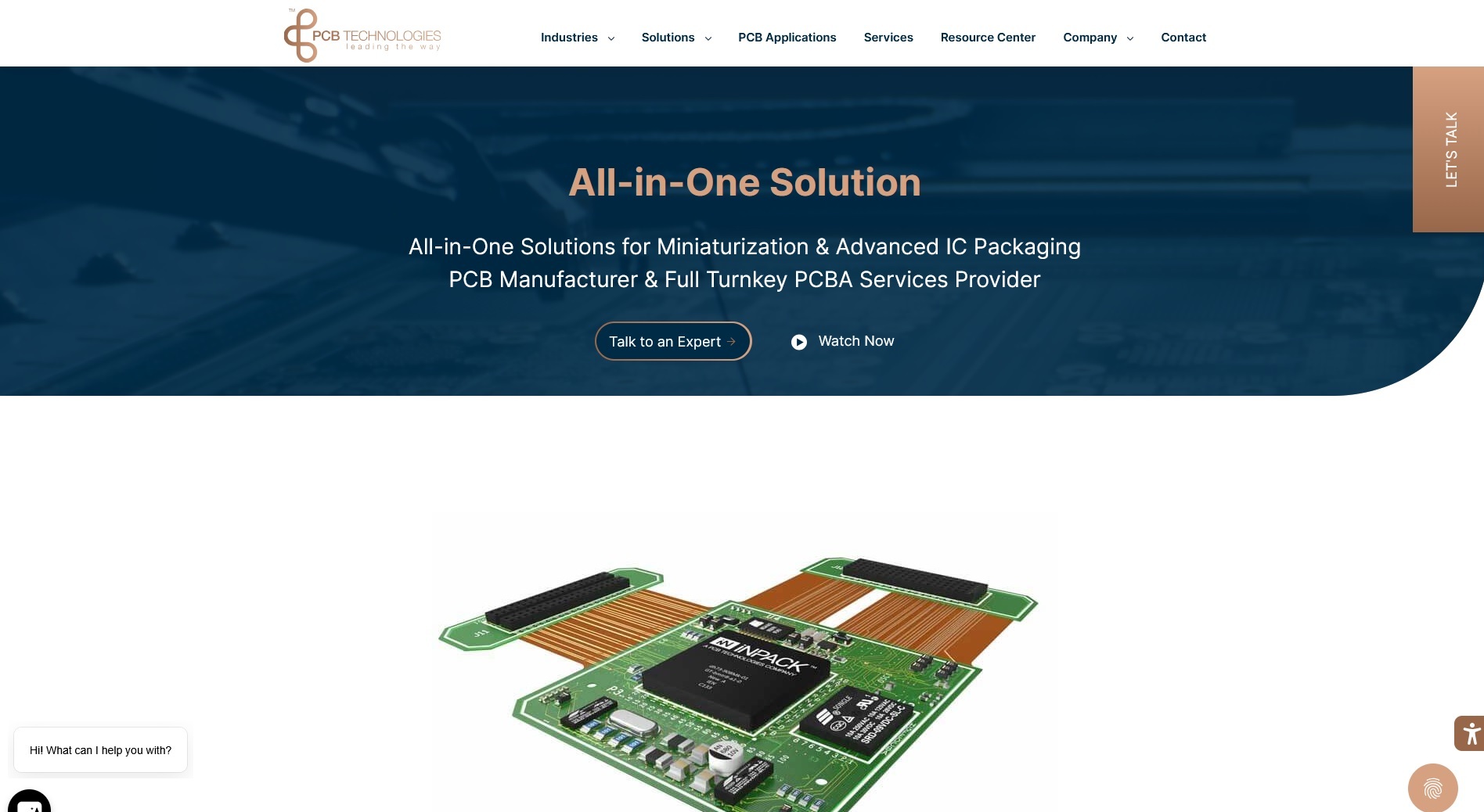
PCB Technologies specializes in multilayer rigid, rigid-flex and multi-flex circuit boards, advanced substrates, complex electronic assemblies and electromechanical systems.

Through its iNPACK subsidiary, the company also provides miniaturization and advanced integrated circuit packaging technologies.

The combined business intends to expand access to these capabilities in the United States, particularly for customers requiring specialized electronics manufacturing and advanced packaging solutions.

Shapira said the acquisition supports PCB Technologies’ strategy of offering integrated services across the electronics manufacturing process, from product development and prototyping to fabrication and assembly.

“The combination creates cross-selling opportunities across our operations, and we intend to further expand access to iNPACK solutions for U.S. customers,” he said.

The transaction is also expected to improve PCB Technologies’ ability to compete for U.S. contracts that require domestic manufacturing or close coordination between engineering teams and production facilities.

Gorilla Circuits’ existing San Jose operation provides an established manufacturing base without requiring substantial immediate capital investment.

According to PCB Technologies, the facilities are equipped to accommodate near-term business growth.

Following completion, the companies intend to evaluate additional investments in U.S. manufacturing capacity and introduce technologies related to thermal management, heat dissipation, radio-frequency applications and electronic miniaturization.

Mario Borjon, president of Gorilla Circuits, said the combination would allow the company to pursue larger and more complex customer programs.

“Combining our existing capabilities and relationships we have built in the U.S. market with PCB Technologies’ manufacturing capacity, expertise with specialized advanced technologies is expected to enable us to expand our range of solutions,” Borjon said.

The acquisition will also provide PCB Technologies with an established operating presence in Silicon Valley, where proximity to semiconductor developers and technology companies can support rapid prototyping and shorter production cycles.

Gorilla Circuits was founded by Hershel Petty and has built its business around high-reliability circuit board fabrication and assembly services.

Its manufacturing model emphasizes smaller production volumes, complex product specifications and shorter delivery schedules, complementing PCB Technologies’ existing capabilities in advanced electronics manufacturing.

The companies did not disclose the expected annual cost savings, integration expenses or specific revenue synergies associated with the acquisition.

The transaction remains subject to regulatory review, including CFIUS approval, which is particularly relevant given Gorilla Circuits’ operations in semiconductor and defense-related markets.

Founded in 1981, PCB Technologies serves customers in defense, aerospace, medical technology, radio-frequency systems, robotics and industrial automation.

The proposed acquisition would significantly expand its geographic manufacturing footprint and establish a U.S. platform for pursuing additional opportunities in advanced electronics.

With Gorilla Circuits generating $91.9 million in 2025 revenue and maintaining a $38 million order backlog as of August 2026, PCB Technologies is acquiring an operating business with established customers, manufacturing infrastructure and growing demand.

Subject to closing, the $120 million transaction will position PCB Technologies to combine its Israeli manufacturing and advanced packaging technologies with Gorilla Circuits’ Silicon Valley operations, strengthening its access to North American semiconductor, technology, aerospace and defense customers.

Free Training

Source link

Taiwan-based Gudeng Aerospace opens first US manufacturing facility in Glendale


GLENDALE, AZ — Arizona’s semiconductor boom is creating new demand, and not just for massive chip factories, but for the specialized companies that keep them running.

On Tuesday, Taiwan-based Gudeng Precision Industrial celebrated the grand opening of Gudeng Aerospace, a new facility in Glendale that will manufacture critical semiconductor and aerospace components. It is part of a growing push to move more of that supply chain out of overseas shipping and into the West Valley.

Why Glendale

The Glendale plant is the company’s first in the United States. Gudeng Precision Industrial, the parent company, is known in the semiconductor industry and also does aerospace work. It already operates two factories in Taiwan.

General Manager Darren Chung said Arizona sits where the two industries meet, and that Glendale puts the company within driving distance of its aerospace and semiconductor customers.

“Arizona is the intersection between semiconductor and aerospace,” Chung said. “In Glendale, we have a perfect spot that we can drive to all of our aerospace customers and our semiconductor customers.”

Chung also pointed to the climate. Precision manufacturing depends on steady temperatures and very low humidity, and he said Arizona’s many sunny days help keep conditions constant.

Hiring

The company hopes to hire 30 to 35 people over the next two years. It is looking for high-skilled technicians, CNC machinists, machine operators and electricians, as well as people with a logic or inspection background for quality control.

All of the work will be hands-on manufacturing at the Glendale site, Chung said, not service work. Employees from Taiwan will come to Glendale to help get the plant started and train local hires.

Jobs are posted on LinkedIn and Indeed. Chung said people with a manufacturing background can also visit the Glendale shop in person.

Training the workforce

Glendale Vice Mayor Ray Malnar said the machines are assembled in Taiwan and shipped to the U.S., so they may differ from equipment commonly used here. He said that makes cooperation with local schools important, pointing to West-MEC and the community college system, which offer fast certificate programs.

“That training is going to be absolutely incredible for the workforce development within the entire region,” Malnar said.

A flagship for the region

Malnar called Gudeng a flagship business that could attract others to Arizona.

“There’s going to be many other businesses that they are associated with that will be coming to Arizona,” he said. “So it’s going to be a real boom for Arizona.”

Chung said both the aerospace and semiconductor industries are in what he called a “super cycle,” driven by demand for air travel and newer chips. He said the Airbus A350 he flew to the U.S. on has components made in Taiwan, and that the company’s goal is to build such parts in the United States.

“Our target is safety first,” Chung said.

This story was reported on-air by a journalist and has been converted to this platform with the assistance of AI. Our editorial team verifies all reporting on all platforms for fairness and accuracy.

Free Training

Source link

BD To Invest $19 Billion In U.S. Through Government Partnership To Expand Medical Manufacturing


BD has entered into a partnership with the U.S. government that includes plans for the medical technology company to invest $19 billion in the United States over several years, with $3 billion specifically directed toward expanding domestic manufacturing.

The agreement is intended to strengthen U.S. healthcare supply chains and increase domestic production of essential medical consumables used by hospitals and healthcare providers.

BD, formally Becton, Dickinson and Company, said the broader $19 billion commitment will include capital, operational and supply chain investments across its U.S. business.

Of that total, $3 billion is expected to support manufacturing expansion at strategic production sites across the country.

The company plans to expand end-to-end U.S. production by approximately 5 billion essential medical consumables annually.

That additional capacity is expected to increase BD’s share of essential medical consumables supplied domestically to roughly 80%.

BD also intends to manufacture 100% of the needles it supplies for use in the United States domestically, using American-made steel.

The partnership reflects efforts by the federal government and BD to increase domestic production capacity for medical products considered important to healthcare delivery and emergency preparedness.

BD is the nation’s largest manufacturer of essential medical consumables, and the company said its products are used in approximately 90% of U.S. hospital visits.

The agreement also provides BD with relief from future tariffs imposed under Section 232 on covered products and manufacturing inputs.

That tariff treatment remains subject to the final scope and implementation of any future Section 232 actions and BD’s achievement of agreed milestones.

Because tariff rates, covered products and implementation timing have not yet been finalized, BD is not currently estimating the financial impact of that portion of the agreement.

The company expects to provide additional information once the Section 232 tariffs are finalized.

BD already operates a substantial U.S. manufacturing network, with facilities in locations including Columbus and Broken Bow, Nebraska; Canaan, Connecticut; Añasco, Puerto Rico; Sandy, Utah; El Paso, Texas; Covington, Georgia; and Sumter, South Carolina.

The new investment is intended to further expand that domestic footprint while increasing the resilience of the company’s supply chain.

BD has operated for nearly 130 years and has a long history of supplying essential medical products during major healthcare events.

The company cited its development of the first disposable syringe used in efforts against polio and the delivery of more than 2 billion additional devices during the recent pandemic as examples of its role in responding to large-scale public health needs.

BD said the new commitments are expected to help establish one of the world’s most resilient manufacturing bases for essential medical consumables while improving the reliability of supplies available to U.S. healthcare providers.

The partnership also forms part of BD’s broader strategy of investing in innovation, manufacturing and healthcare infrastructure while maintaining its global operations.

BD employs more than 60,000 people worldwide and develops technologies across medical essentials, connected care, biopharma systems and interventional care.

KEY QUOTES:

“This agreement reflects a shared commitment between the U.S. Government and BD to strengthening America’s healthcare infrastructure, expanding U.S. manufacturing capacity and supporting reliable access to essential medical technologies, ultimately building a more resilient healthcare system for the future. The administration recognizes the importance of investing in a stronger, more secure healthcare supply chain, and BD is uniquely positioned to help bring that vision to life through our scale, innovation expertise and longstanding U.S. manufacturing footprint.

For nearly 130 years, BD has partnered with health systems and governments in the U.S. and around the world to meet critical healthcare challenges. We are proud to build on that legacy through significant investment in U.S. manufacturing and innovation, while continuing to advance healthcare and serve patients, providers and communities around the world who depend on us.”

Tom Polen, Chairman, CEO and President of BD

Thank you for visiting Pulse 2.0. We work hard every day to bring leaders and decision makers like you the latest intelligence on business, finance, capital markets, deal flow, law, tech, and AI. Click here to subscribe to the Pulse 2.0 Newsletter.

Free Training

Source link

BD plans $19 billion U.S. investment, including $3 billion for manufacturing expansion


Franklin Lakes-based BD plans to invest $19 billion in the United States over several years under an agreement with the U.S. government, including $3 billion for manufacturing expansion.

The company said the investment will support domestic production of essential medical consumables used in patient care. BD intends to increase U.S. production by about 5 billion devices a year, which it expects would bring its share of domestically supplied essential medical consumables to roughly 80%.

BD also plans to manufacture all needles it uses in the United States domestically, using U.S.-made steel.

The agreement provides relief from future tariffs imposed under Section 232 on covered BD products and inputs, subject to the final scope and implementation of any future actions and BD’s achievement of agreed milestones. The company said tariff rates, product scope and timing have not been finalized, and it is not yet estimating the agreement’s financial impact.

“This agreement reflects a shared commitment between the U.S. Government and BD to strengthening America’s healthcare infrastructure, expanding U.S. manufacturing capacity and supporting reliable access to essential medical technologies,” BD Chairman, CEO and President Tom Polen said.

The release lists BD manufacturing locations in Columbus and Broken Bow, Nebraska; Canaan, Connecticut; Añasco, Puerto Rico; Sandy, Utah; El Paso, Texas; Covington, Georgia; and Sumter, South Carolina. It does not specify how investment will be allocated among those locations or identify a New Jersey site.

The planned investment includes capital, operational and supply-chain spending, according to BD. The company said the agreement is intended to support manufacturing and innovation while increasing domestic production of medical consumables.

BD said it expects to provide further information once the future tariff rates and covered products are finalized. The announcement does not specify an investment schedule, the milestones tied to tariff relief or the expected timing of the manufacturing expansions.

Free Training

Source link

S&C Expands U.S. Manufacturing Footprint to Meet Growing Demand for Grid Resilience


S&C Expands U.S. Manufacturing Footprint to Meet Growing Demand for Grid Resilience

New 295,000-square-foot Illinois facility will add capacity across S&C’s manufacturing network and create jobs in the Chicago area.

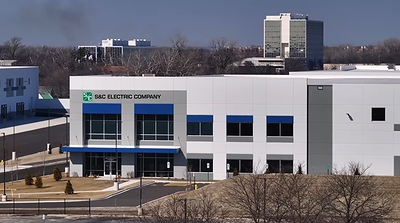
CHICAGO, Oct. 6, 2026 /PRNewswire/ — S&C Electric Company today announced plans for a 295,000-square-foot facility in Glenview, Illinois, the latest in a series of investments to increase U.S. manufacturing capacity as utilities and critical infrastructure operators invest in a more resilient and reliable distribution grid.

The facility will serve as S&C’s central warehouse, consolidating materials and inventory that support production across the company’s manufacturing operations. Moving these operations to Glenview will create additional space for production at existing facilities, improve material movement across S&C’s operations, and provide flexibility for future expansion of assembly operations. The investment is also expected to create new jobs in the Chicago area.

“For more than a century, S&C team members have done critical work to deliver proven solutions that help utilities and essential industries around the world keep the power on,” said Anders Sjoelin, President and CEO of S&C Electric Company. “We are proud of that legacy, and we continue to build on it. As demand for electricity and a more resilient grid grows, we are investing in U.S. manufacturing, creating jobs and career opportunities, and increasing our capacity to serve customers for generations to come.”

The Glenview facility is the latest in a series of investments S&C is making in its team members, products, and manufacturing capabilities. The company recently added manufacturing capacity in Palatine, Illinois, creating room for product-line growth, and introduced TripSaver® FXR, the newest addition to its TripSaver® Recloser portfolio. Additional expansion work is underway at S&C’s Chicago headquarters to increase manufacturing capacity and support a growing workforce. Together, these investments increase S&C’s ability to manufacture and deliver technologies for a more resilient grid.  

Severe weather, electrification, and the growth of large loads, including data centers and advanced manufacturing facilities, are creating new challenges for the electric grid. These trends are increasing the need for technologies that help utilities and critical infrastructure operators strengthen the resilience and reliability of their distribution systems.

S&C expects work on the facility to begin in the third quarter of 2026, with central warehouse operations targeted to begin in early 2027.

About S&C Electric Company
For more than a century, S&C has helped transform electricity distribution, from pioneering the Liquid Power Fuse to advancing intelligent grid automation. Powered by team member expertise and precision engineering, S&C delivers field-proven technologies that strengthen resilience, enhance reliability, and provide greater visibility and control across the distribution grid. With solutions that keep the power on for utilities, critical power operators, and the communities they serve, S&C empowers people to transform the grid. Learn more at www.sandc.com.

Media Contact:  Laura Patrick, S&C Electric Company, 585.953.0111, Laura.Patrick@sandc.com

View original content to download multimedia:https://www.prnewswire.com/news-releases/sc-expands-us-manufacturing-footprint-to-meet-growing-demand-for-grid-resilience-302899801.html

SOURCE S&C Electric Company

Free Training

Source link