SK Hynix and Intel Shares Rise Following Report of US Memory Chip Manufacturing Talks


Shares in SK Hynix (NASDAQ:SKHY) and Intel (NASDAQ:INTC) rose on Wednesday following a report that the two companies were discussing a potential agreement to manufacture memory chips in the United States.

Reuters reported, citing three people familiar with the discussions, that the proposed arrangement could establish SK Hynix’s first US memory chip production operation.

One option under consideration would involve SK Hynix leasing part of Intel’s planned semiconductor manufacturing facility in Ohio. Another possibility is a joint venture involving the two chipmakers and major cloud computing companies seeking to secure memory supplies.

The discussions remain preliminary, and no agreement has been reached.

“While the company is reviewing various measures, including establishing additional production bases, to strengthen the competitiveness of its memory business, no matters have been determined at this stage,” an SK Hynix spokesperson told Investing.com.

Intel did not immediately respond to a request for comment.

Shares Advance in South Korea and US Premarket Trading

SK Hynix shares gained 2.7% to 1,735,000 won in South Korean trading, compared with a 1% increase in the broader KOSPI index.

At 08:14 GMT, the company’s US-listed shares were up 2.9% in premarket trading, while Intel shares had risen approximately 5%.

The companies have not determined which types of memory chips could be manufactured at the Ohio facility, according to Reuters.

SK Hynix produces DRAM and NAND flash memory and is a major supplier of high-bandwidth memory (HBM), which is used in artificial intelligence processors.

Potential Production Plans Could Face South Korean Regulatory Review

Any proposal to manufacture advanced memory products, including HBM or DRAM, in the United States could face regulatory scrutiny in South Korea because the technologies are considered sensitive, according to the sources cited by Reuters.

South Korea’s trade ministry said the decision would rest with SK Hynix, although projects involving nationally important technologies could be reviewed under the country’s Industrial Technology Protection Act.

The potential regulatory requirements add another consideration to the proposed manufacturing arrangement, alongside the commercial and operational terms that remain unresolved.

AI Demand Drives Interest in Additional Manufacturing Capacity

The discussions come amid increased demand for memory chips used in artificial intelligence systems and data centres.

The United States has been encouraging semiconductor manufacturers to expand domestic production, while SK Hynix faces requests from customers and governments to increase its US manufacturing presence.

Manufacturing costs in the United States are significantly higher than in South Korea, creating an additional consideration for any proposed investment.

SK Hynix recently completed a secondary listing on Nasdaq and is constructing a semiconductor packaging facility in Indiana.

In July, Chairman Chey Tae-won said the company needed to establish a US factory if possible.

Intel’s Ohio Project Remains Under Development

Intel has committed to developing its semiconductor manufacturing site in Ohio, although construction delays have pushed the planned commencement of production to 2030 and 2031.

A potential arrangement with SK Hynix could provide an additional use for the facility and help reduce some of Intel’s financial burden associated with the project, Reuters reported.

However, the companies have not announced a transaction, confirmed a production plan or specified a timetable for any potential partnership.

SK Hynix stock price

Intel stock price

Free Training

Source link

DYCM builds US solar manufacturing play amid policy shifts


In 2024, DYCM Power announced plans to develop a 6GW solar cell and module manufacturing facility in the US, backed by an US$800 million investment in partnership with Macquarie Capital. The facility was initially planned to begin commercial operations in the first half of 2026, starting with 2GW of annual production capacity before scaling to its full 6GW of capacity.

In August this year, the company closed an investment round to finance the growth of its business. The financing was secured from investment firms Octo Capital, Audrose Capital Partners and affiliates of Antarctica Capital. Located in Morgan Hill, California, the company’s 150,000-square-foot module assembly plant is expected to begin commercial module shipments from its first heterojunction (HJT) production line in the fourth quarter of 2026.

Speaking to PV Tech Premium, Das acknowledges that the company has adjusted its plans in response to changing policy and market conditions but said its end goal remains the same.

“The overarching goal and the premise of the business haven’t changed,” he says. “We think the need for a reliable supply chain partner is pressing for our customers.”

That reliability is central to DYCM’s pitch. Das says the company has “prioritised transparent negotiations and consistency with customers”, arguing that “module buyers have experienced delays, changing contract terms and other difficulties from suppliers in the past.”

Tapping into cell manufacturing

The next major piece is cell manufacturing. DYCM is working towards establishing its own cell production capability, and the company’s chief technology officer is set to outline its technology choice at PV CellTech USA 2026, taking place on 13–14 October in the San Francisco Bay Area, California.

Das says the company is making good progress but is not yet ready to disclose the technology.

The decision is strategically important. DYCM currently sees a gap in the US market for high-efficiency domestic cells, particularly for leading technologies such as HJT and tunnel oxide passivated contact (TOPCon). Rather than relying indefinitely on external supply, Das says the long-term solution is to manufacture cells itself.

The company is also deliberately limiting its module portfolio. DYCM’s current offering includes modules around 720-730W, a 640W class and a residential class around 450-500W. Utility-scale products are expected to represent roughly two-thirds to three-quarters of output, while smaller modules would use production capacity less efficiently.

US policy and the global supply chain

For DYCM, domestic sourcing is not a reaction to every new policy announcement. Das says he “instructed his team more than two years ago to develop US suppliers for every module component where possible.”

That work has taken time because the domestic solar supply ecosystem remains uneven. DYCM has now developed multiple suppliers for roughly 15 module components, with three or four sources for each item and at least one domestic option in most cases. Das says all suppliers must meet the company’s strict compliance requirements, while supply-chain resilience is also a priority.

Cells are the major exception. DYCM believed it had secured a domestic cell supplier, but that supplier has since encountered problems. The company is working to resolve the situation while developing its own cell capability.

European equipment is being used for DYCM’s manufacturing line, reflecting a strategy that Das says was designed from the outset to avoid problematic supply-chain dependencies. The company’s approach predates some of the latest US trade and policy measures.

Das views the policy environment as broadly positive because incentives encourage customers to buy domestic products. But he also argues that DYCM ultimately needs to be cost-competitive without relying on incentives to generate profits.

For future investment, however, policy certainty matters. Large manufacturing projects require long time horizons, and Das says a more stable five-year policy runway would make it easier to commit significant capital.

India next?

India is an obvious potential next step. Das says DYCM initially explored partnerships with Indian companies, attracted by the country’s scale, manufacturing ambitions and emphasis on supply-chain resilience. Sharma’s background at Vikram Solar and Das’s own connections also give the company a natural familiarity with the market.

But there is no immediate India expansion commitment. Das stresses that DYCM wants to establish its first US facilities successfully before pursuing international growth.

That caution mirrors the company’s broader philosophy: build progressively rather than respond to every market opportunity simultaneously. India remains “the obvious place”, Das says, but it comes after the US manufacturing platform is established.

Looking ahead

The immediate evidence that DYCM’s strategy is gaining traction is customer demand. Das says the company’s order book has increased almost tenfold in three months, compared with the previous year. That has prompted him to begin looking for another building, potentially expanding the company’s manufacturing footprint.

The milestone matters because DYCM’s financing and factory development have had to overcome a classic manufacturing ‘chicken and egg’ problem: customers want to see a factory before committing to a new supplier, while financiers want evidence of sales before backing the factory.

Closing financing earlier this year and ordering equipment for the first production line therefore represented a significant step, allowing customers to see that the project is becoming tangible.

Das now has ambitions well beyond a small initial operation. He says DYCM ultimately wants to become a 10GW company, although he acknowledges the capital required to reach that scale in the US is substantial.

That ambition is also shaped by what Das sees happening beyond conventional utility-scale demand. Data centre developers need new power quickly, and he argues that solar remains one of the fastest routes to deployment. For DYCM, that creates a demand signal that extends beyond today’s policy cycle. The company’s challenge will be converting that demand into bankable long-term capacity while preserving the supply-chain discipline that it sees as its principal competitive advantage in an increasingly volatile US market.

The company is therefore taking what Das repeatedly describes as “one step at a time”. Its next major milestone could be the announcement of its own cell technology and manufacturing plans before the end of the year.

For now, the strategy is clear: build a compliant, resilient US supply chain; establish cell manufacturing; expand capacity as contracted demand develops; and retain the flexibility to pursue markets such as India later.

The policy landscape may continue to change. Das’s answer is not to redesign the business with every regulatory shift, but to stay focused on the underlying thesis that first brought DYCM into the market: US solar demand will continue to grow, and customers will value dependable domestic supply.

DYCM will announce its technology choice for domestic cell manufacturing at our PV CellTech USA conference in California on 13-14 October, which will include further discussions of the US PV industry and its fast-growing domestic supply chain. For further details and booking, visit the event website.

Free Training

Source link

Hitachi Energy Bringing Its Largest Transformer Manufacturing Investment In U.S. To Mississippi » Office of Governor Tate Reeves


JACKSON, Miss. – Hitachi Energy, a wholly owned subsidiary of Hitachi, Ltd. (TSE: 6501, “Hitachi”) is expanding its operations at its transformer manufacturing factory in Copiah County, Mississippi. The project represents a corporate investment of $528 million, the company’s largest investment to date in the U.S., and it will create 654 jobs.

Hitachi Energy is a global leader in electrification that manufactures transformers and other equipment to help power the nation’s homes, businesses and communities. The company’s current facility in Copiah County produces small power transformers and employs 475 people.

The expansion will significantly increase Hitachi Energy’s production capacity and expand the range of small power transformers manufactured domestically, helping meet growing demand across North America while strengthening the domestic supply chain for critical energy infrastructure. The project includes the purchase of a 45-acre site at the Copiah County Industrial Park in Gallman, the construction of a new facility, new manufacturing equipment and infrastructure improvements.

The Mississippi Development Authority is providing assistance through the Mississippi Flexible Tax Incentive, or MFLEX, program. MDA also is assisting with site development and infrastructure improvements. Copiah County is assisting with the project, as well.

Construction is expected to begin later this year, with transformer production scheduled to start in 2029.

QUOTES

“This is truly a massive win for Mississippi and the United States. Hitachi Energy could’ve made its largest investment in America anywhere in the country – but the company chose Mississippi. Mississippi’s momentum is growing stronger every day, and it is our people who are building the future of American energy infrastructure. This $528 million investment will create over 650 new jobs while expanding the domestic manufacturing capacity our country needs to meet growing demand. Mississippi is proud to play a leading role in powering America’s future.” – Gov. Tate Reeves

“Reliable energy infrastructure has become one of the most important factors in economic growth, and that starts with the ability to manufacture the equipment that keeps the grid running. At $528 million, Hitachi Energy’s expansion is a massive addition to the investment taking place in Mississippi and puts Copiah County at the center of an industry that is increasingly critical to economic development.” – Mississippi Development Authority Executive Director Bill Cork

“Demand for electricity is growing rapidly, and the grid must grow with it. This investment in Mississippi, our largest ever in the U.S., reflects our long-term commitment to American manufacturing and building the grid infrastructure that will help power America’s growth for decades to come. We are pleased to work with the Trump administration and Governor Reeves to support investment in American manufacturing at a pivotal time for U.S. energy security.” – Andreas Schierenbeck, CEO, Hitachi Energy

“Copiah County Economic Development District is grateful for the decision of Hitachi Entergy to invest $528 million into expanding the domestic transformer production located in Copiah County. We thank the Mississippi Development Authority for support of this project, which will strengthen Hitachi Entergy’s operation, create new jobs and assist with continued economic growth of our community.” – Copiah County Economic Development District Executive Director Arthur L. Evans, Jr.

“This expansion is about more than adding 654 jobs. It will create new career pathways and generational opportunity across Copiah County and the surrounding region. Building on the strength of Hitachi Energy’s existing Mississippi workforce, AccelerateMS is committed to working with the company and our education and workforce partners to prepare Mississippians for these highly skilled roles and support their continued growth throughout their careers. This is the kind of investment that can transform a region while demonstrating that Mississippi has the talent to help lead the future of American manufacturing.” – AccelerateMS Executive Director Courtney Taylor

Free Training

Source link

Ford Urged to Reduce China Ties and Increase US Manufacturing


US Transportation Secretary Sean P. Duffy has urged Ford Motor Company to reduce its reliance on Chinese technology and manufacturing, citing national security concerns.

In a letter to Ford CEO Jim Farley dated 8 September, Duffy criticised the company’s continued use of Chinese technology and partnerships, arguing that Ford should increase its focus on manufacturing and technological development in the US.

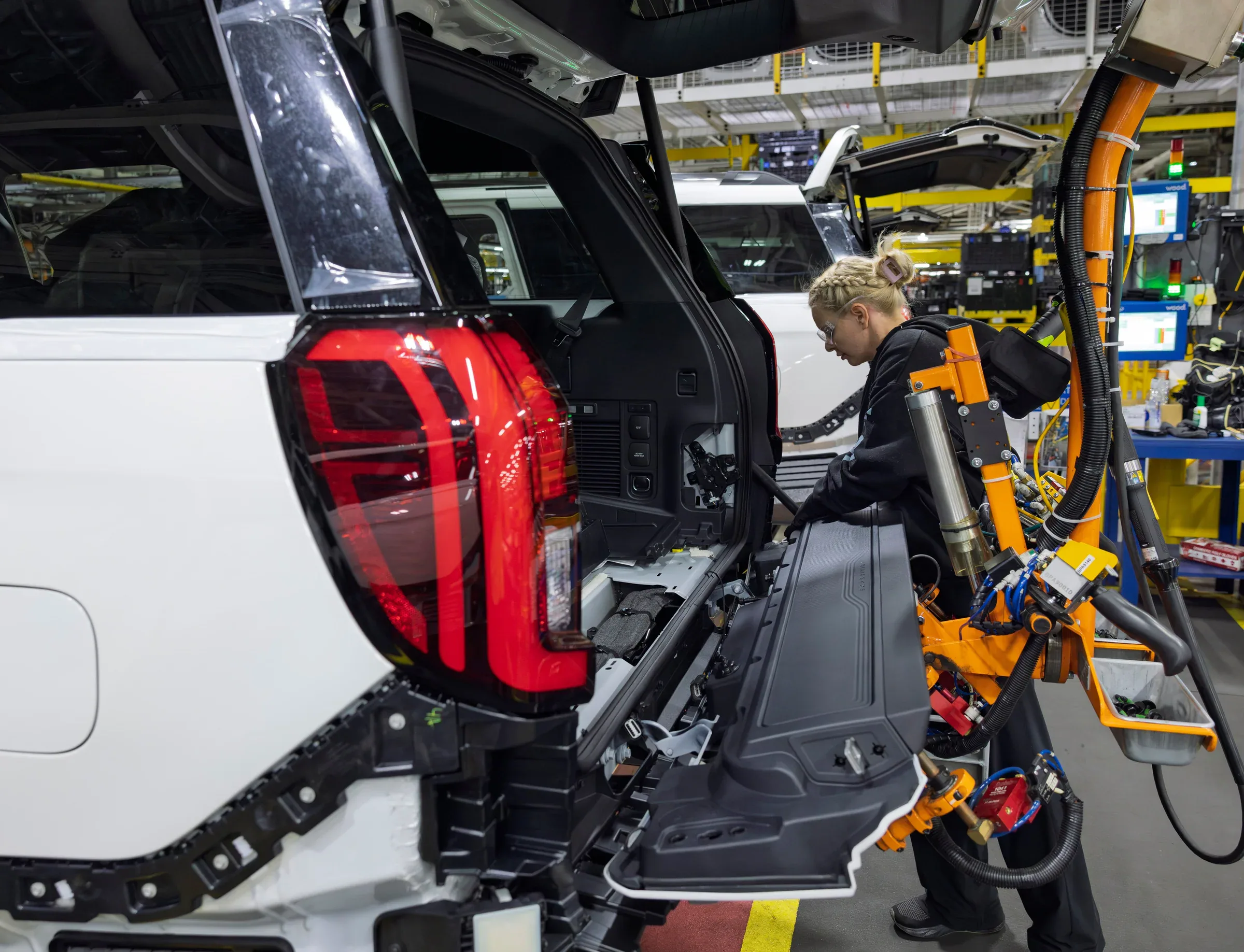
A worker in a Ford factory

Kentucky Truck Plant in Louisville is Ford Motor Company’s largest and highest revenue U.S. manufacturing plant

© Ford

The letter highlights Ford’s use of licensed technology from Chinese battery manufacturer Contemporary Amperex Technology Co. Ltd. (CATL) at its BlueOval Battery Park facility in Marshall, Michigan. Duffy said CATL is included on the US Department of War’s list of banned companies.

Duffy also raised concerns about Ford’s partnership with Chinese automotive manufacturer Geely Auto. The companies recently agreed to work together on low- and zero-emission vehicles at Ford’s factory in Valencia, Spain.

The secretary further pointed to Ford’s decision to delay the return of some Lincoln models to US production until 2030. He said this would leave Ford dependent on China for aspects of its vehicle manufacturing for several more years.

He also called on Ford to develop greater technological independence and make use of US-based manufacturing and engineering capabilities.

U.S. Transportation Secretary Sean P. Duffy said:

When a company intentionally chooses to deepen operational dependencies on strategic competitors, it fails to act as the reliable partner the American public and this DOT require. Iconic American companies, like Ford, are also expected to out-innovate competitors. To that end, they need to chart clear paths to technological self-reliance.

The intervention comes as the Trump administration continues to emphasise domestic manufacturing and reducing US dependence on China across strategic industries, including automotive and battery technology.

Tags

Free Training

Source link

IMTS 2026 Opens in Chicago as Manufacturing Takes Center Stage in Reindustrializing the United States


With total attendance on pace to exceed 90,000, the manufacturing community at IMTS 2026 represents all 50 states and 113 countries.

Chicago (September 14, 2026) – IMTS – The International Manufacturing Technology Show opened today at McCormick Place in Chicago with 1,788 exhibiting companies (including 400 first-time exhibitors), 1.17 million square feet of exhibit space, and attendance on pace to exceed 90,000. The largest manufacturing technology show in the Western Hemisphere runs Sept. 14-19, and it brings an economic impact of $250 million to Chicago and Illinois. As of this morning, there were 80,697 registrants, including an estimated 15,000 students. IMTS 2026 is also seeing a higher visitor-to-exhibitor-personnel ratio; in previous years, IMTS saw a 1.42 floor-density ratio, meaning that there are 142 visitors for every 100 exhibitor personnel.

The strong turnout comes as manufacturers continue to invest heavily in production technology. New orders of metalworking machinery totaled $605.8 million in July 2026, according to the U.S. Manufacturing Technology Orders Report issued yesterday. Through July, orders reached $4.03 billion, up 37.1% compared with the same period in 2025. This is only the second time since USMTO began collecting data in 1998 that orders have exceeded half a billion dollars for five consecutive months.

“America has rediscovered a fundamental economic truth: Ultimately, a country creates value by making, mining, or growing something locally, and all three depend on manufacturing,” said Douglas K. Woods, president of AMT – The Association For Manufacturing Technology, at the show’s opening ceremony. AMT owns and produces IMTS. “Investment is flowing into U.S. manufacturing at the same time companies are rethinking and regionalizing their supply chains. The technologies at IMTS give manufacturers the productivity, flexibility, and scale to capitalize on that opportunity.”

Across the show floor, AI, automation, robotics, connected systems, software, additive manufacturing, machining, metrology, tooling, and workholding come together as integrated manufacturing solutions.

“Only IMTS brings the entire manufacturing technology ecosystem together,” said Woods. “This is the one place where you can see all these technologies working together, compare solutions, and understand how they can change what happens in your factory.”

A Global Community
Registrants for IMTS 2026 include people from all 50 states and 113 countries. Visitors include those from the defense, aerospace, automotive, off-highway equipment, power, oil and gas, AI infrastructure (data centers), semiconductor, medical, and other industries. Companies of all sizes are represented, including tens of thousands of small job shops and contract manufacturers, prime defense contractors, AI hyperscalers, and major OEMs.

“IMTS is a solutions-based show and a community of innovators, builders, and people who achieve the impossible,” said Michelle Edmonson, vice president – exhibitions, AMT. “Whether people come from the other side of the world or across the country, they come for the same fundamental reason: They have a challenge to solve or an opportunity to pursue, and they know they can meet the people and companies here who can help them accomplish their goals. Those connections are what make IMTS a community, and they continue long after everyone goes home.”

The manufacturing community has been gathering at IMTS in Chicago for nearly 80 years. First held in the city in 1947 at the Dodge Plant on South Cicero Avenue, IMTS moved to McCormick Place in 1972 and has grown alongside both the manufacturing industry and its longtime host city.
“On behalf of the MPEA McCormick Place campus, we are so excited and proud to welcome IMTS 2026 to McCormick Place and to Chicago, Illinois,” said Larita Clark, CEO of the Metropolitan Pier and Exposition Authority (MPEA). “This year marks 54 years together. That is more than a milestone. It is a reflection of true partnership. Through decades of change, nationally, locally, in our industry, and in the way people gather, our relationship has remained strong because of a shared commitment to delivering meaningful experiences to exhibitors and attendees.”

Register on-site for IMTS 2026 and Achieve the Impossible, Sept. 14-19, at McCormick Place in Chicago.

Free Training

Source link

Why Are Some Companies Bringing Manufacturing Back to China Despite US Tariffs?


A year after U.S. tariffs pushed companies to diversify production away from China, some businesses are discovering that replacing the country’s manufacturing ecosystem is more difficult and expensive than expected.

The shift reflects the limits of the “China plus one” strategy, under which companies maintained production in China while developing additional manufacturing capacity in countries such as Vietnam, India and Indonesia to reduce exposure to U.S. tariffs.

While diversification continues, some companies are now restoring Chinese suppliers or bringing production back after facing higher costs, supply chain disruptions, shortages of skilled labour and unreliable infrastructure elsewhere.

What’s Happening

Heather Kuang, vice president of China based Dawang Metals, said the company lost business last year when a major U.S. customer moved some orders to India in response to higher tariffs.

Stay ahead of the geopolitical week.

MD Briefing delivers expert analysis across five global fronts — the Indo-Pacific, energy, geoeconomics, European security, and the Middle East — every Monday morning. Free.

The customer has since returned with new orders after encountering problems in India. Dawang itself also explored moving some production overseas but ultimately abandoned the plan.

Kuang said China’s supply chain advantage remains difficult to reproduce elsewhere.

Other companies are reaching similar conclusions.

U.S. retailer Target has moved some orders back to Chinese suppliers, according to two people familiar with the matter, who cited supply chain disruptions and production constraints.

Chinese exporter Jin Chaofeng also moved production back to China after closing a workshop in Ho Chi Minh City that had opened in 2024. He said he struggled to find the necessary equipment in Vietnam and had to import basic supplies such as screws and moulds from China.

After calculating the full cost of operating abroad, Jin said the overall expense was not significantly different from producing in China.

The Tariff Advantage Is Narrowing

One of the main reasons companies moved production away from China was the difference in U.S. tariff rates.

According to Economist Intelligence Unit estimates from July, China faced an effective U.S. tariff rate of about 20%, compared with 6.1% for Vietnam, 13.4% for Indonesia and 4.5% for Thailand.

That gap, however, has narrowed as Washington expanded tariffs across a wider range of countries.

The changing tariff environment has made it harder for companies to justify relocating production solely to avoid duties on Chinese goods.

Chinese manufacturers are also reconsidering overseas investment as the benefits of lower tariff rates become less certain.

Beyond Tariffs

For many companies, the decision is increasingly about more than tariffs.

Access to reliable electricity and the broader manufacturing infrastructure have become important considerations, particularly after the Middle East crisis pushed up energy costs and highlighted vulnerabilities in global energy markets.

Stanislaw Krykun, CEO of Poland based packaging company DST Pack, said his six year Chinese manufacturing partner helped the company navigate a period when plastic input costs rose sharply.

DST Pack currently sources about 80% of its production from a factory in Shenzhen, with the remainder coming from established backup plants in the United States and Europe.

Those alternatives cost two to three times more per unit.

Krykun said he had rejected the idea of relocating to Southeast Asia after seeing a business partner struggle with production and exports in Vietnam.

A Qingdao based lawyer who advises manufacturers, Guan Baokui, also pointed to electricity supply problems in Vietnam and Indonesia, describing their power systems as unstable and discontinuous.

China’s Manufacturing Ecosystem

The experience of these companies highlights China’s broader manufacturing advantage.

The country has developed extensive networks of suppliers, specialized equipment manufacturers, skilled workers and supporting industries. Companies can often source multiple components and services within the same industrial ecosystem.

This means that moving one factory does not necessarily mean moving only production. Businesses may also need to recreate the network of suppliers, machinery, logistics and technical expertise that supports that factory.

For companies that have already spent years building relationships in China, the cost and complexity of reproducing that ecosystem elsewhere can outweigh the benefits of lower tariffs.

Diversification Has Not Ended

The return of some manufacturing to China does not mean the supply chain diversification trend has stopped.

Vietnam remains one of the biggest beneficiaries of companies seeking alternatives to China and continues to attract billions of dollars in foreign investment.

Some businesses are also maintaining production outside China as insurance against future policy changes.

Yu Yangxian, who sells electric lockers and vending machines, said her company is keeping about one eighth of its total capacity in Vietnam as a hedge.

She said the company could expand production there again if tariffs rise sharply.

This suggests that many companies are moving toward a more flexible strategy rather than choosing China or another country exclusively.

Why It Matters

The developments show that tariffs alone cannot determine where global manufacturing takes place.

Lower tariffs can make countries such as Vietnam, Indonesia and Thailand attractive, but companies must also consider electricity, equipment availability, supplier networks, labour skills, logistics and the overall reliability of the production system.

For China, the return of some orders provides evidence that its manufacturing ecosystem remains difficult for competitors to replicate despite rising geopolitical and trade pressures.

For companies, however, maintaining production in China still carries tariff and geopolitical risks. That is why many are keeping alternative capacity elsewhere even when Chinese production remains cheaper or more reliable.

Key Stakeholders

Chinese manufacturers continue to benefit from established supplier networks, skilled labour, infrastructure and production capabilities.

U.S. companies and retailers are balancing tariff costs against the reliability and overall cost of alternative manufacturing bases.

Vietnam, India and Indonesia remain important destinations for companies pursuing supply chain diversification.

Thailand also retains an advantage through comparatively low U.S. tariff rates, although the gap with China has narrowed.

The U.S. and Chinese governments remain central to the outlook because future tariff decisions could alter companies’ calculations again.

What’s Next

Businesses are watching the expected meeting between Donald Trump and Chinese President Xi Jinping for signs of whether Washington and Beijing can reduce trade barriers on some non sensitive goods.

However, exporters do not expect the meeting to resolve the broader uncertainty.

Companies are likely to continue maintaining manufacturing capacity across multiple countries rather than relying entirely on a single production base.

Analysis

The return of some manufacturing to China reveals a weakness in the assumption that supply chains can be relocated simply by following tariff differences.

China’s advantage is not just the cost of producing an individual product. It is the dense industrial ecosystem surrounding that production. When companies move factories abroad, they may discover that machinery, components, skilled workers, electricity and logistics cannot be replicated at the same cost or speed.

At the same time, the diversification strategy has not failed completely. Companies are increasingly using countries such as Vietnam as backup capacity rather than complete replacements for China.

This could lead to a more fragmented global manufacturing system in which China remains the core production hub for many businesses while Southeast Asia and other emerging hubs provide alternatives.

The result may therefore be less of a reversal of globalization than a more complicated form of it. Companies are learning that reducing dependence on China does not necessarily mean abandoning China. Instead, they may need to maintain Chinese production while building enough alternative capacity elsewhere to protect themselves against future tariffs, geopolitical shocks and supply chain disruptions.

With information from Reuters.

Free Training

Source link

Amazon and Wiwynn expand Texas manufacturing facility, creating nearly 1,000 jobs


“Amazon’s continued work with Wiwynn to bring nearly 1,000 advanced manufacturing jobs to the U.S. is exactly the type of collaboration we want to see to help strengthen the U.S. supply chain. This investment is one example of Taiwan’s commitment to invest $250 billion in advanced manufacturing into the United States.“ said Deputy United States Trade Representative, Ambassador Rick Switzer. “America’s competitive edge is reliant on investment that will onshore more of these opportunities and our administration is committed to supporting the critical infrastructure that will spur our economic growth.”

“Wiwynn’s new advanced manufacturing facility represents a major new chapter in our global manufacturing footprint and an important milestone for Amazon, Texas, and the entire U.S. supply chain,” said William Lin, president and CEO of Wiwynn. “Through our over $1.6 billion investment in the Texas facility, we are expanding our ability to address the growing demand of U.S. customers, reinforce the resilience of the global supply chain, and create high-value career opportunities as we continue to grow in partnership with the local community.”

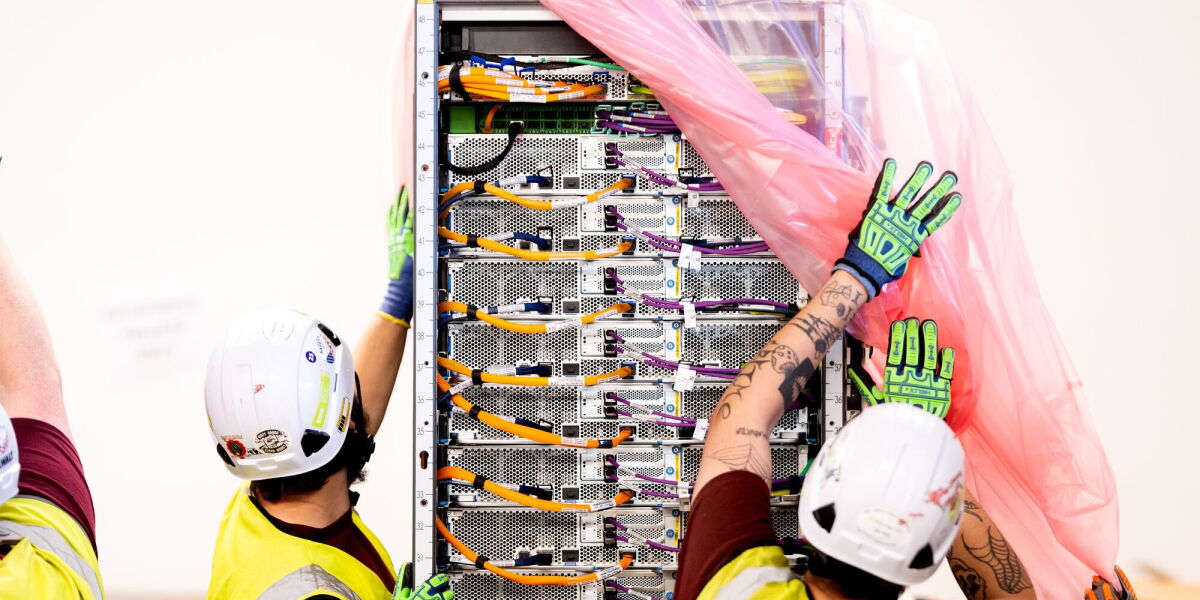
Amazon’s data centers power the services millions of people and businesses rely on every day, from hospitals and emergency services to streaming entertainment and AI innovation. Wiwynn’s server racks are a critical part of that infrastructure, and together, these investments help fuel the U.S. economic engine. Since 2017, data center activity has grown U.S. manufacturing jobs by nearly 70% to over 200,000 jobs*.

Free Training

Source link

Kentucky: How Ford is Rebuilding US Manufacturing Capacity


Key companies 

Ford

Headquarters: Michigan, US
CEO: Jim Farley

Ford is an international automotive manufacturer producing commercial trucks, passenger cars, utility vehicles and electric mobility solutions. Managing heavy stamping plants, engine facilities and vehicle assembly lines globally, the enterprise scales advanced industrial operations. 

General Motors

Headquarters: Michigan, US
CEO: Mary Barra

General Motors is a major automotive manufacturing enterprise operating vehicle assembly networks, stamping facilities and battery plants across North America. The business drives industrial production by scaling modular electric vehicle platforms, advancing autonomous driving integration and deploying automated assembly technology across its factories. 

Apple

Headquarters: California, US
CEO: John Ternus

Apple is an international technology enterprise designing and manufacturing consumer electronics, personal computer hardware and mobile devices. The corporation manages a vast global hardware supply chain, coordinating specialised component fabrication, precision tooling and high-volume assembly operations. 

Free Training

Source link

Apple Is Building Mac Mini in the US, and Just Signed a $30 Billion Chip Deal


Apple says it is now producing Mac mini in the United States, and separately committed more than $30 billion to Broadcom to make custom chips domestically, its largest American Manufacturing Program agreement to date. Both facts come from Apple’s own newsroom releases, and both sit behind the Mac mini that goes on general sale September 22.

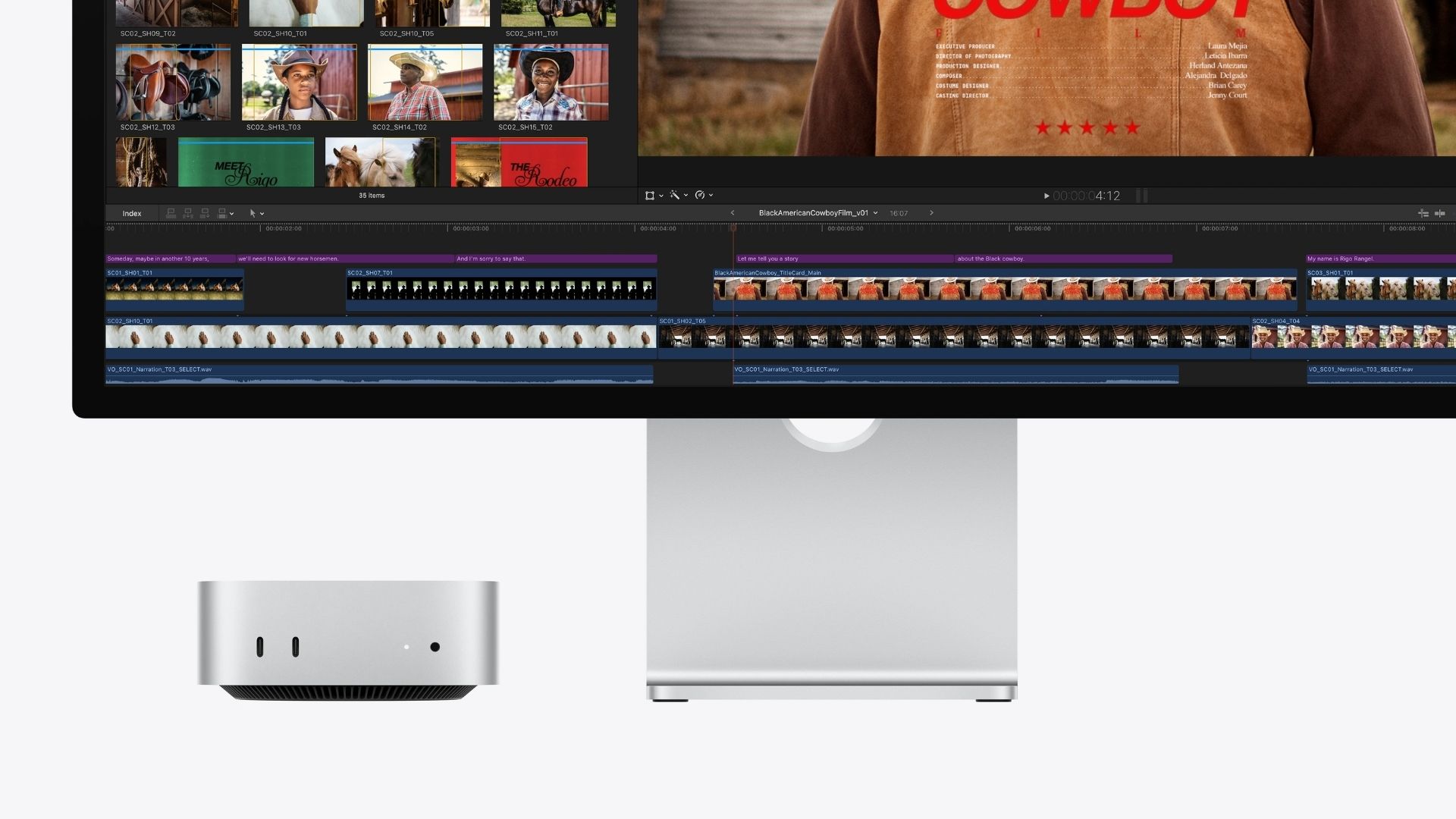
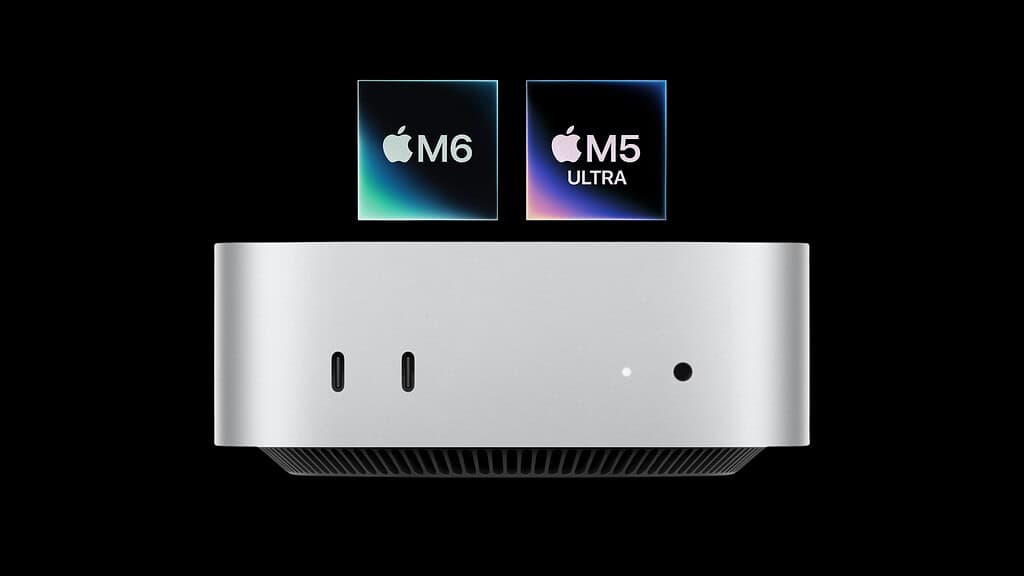
Apple Launches New Mac mini With M6 and M5 Pro, Starting at $899 Mac mini with M6, the machine Apple is now building in the United States. Image: Apple

Neither announcement mentions the M6 chip by name, but the timing lines up: Apple tied US Mac mini production to the same machine that now carries its newest silicon.

Key facts

ItemWhat Apple publishedMac mini US productionAnnounced February 2026, “Apple accelerates U.S. manufacturing with Mac mini production”Houston Advanced Manufacturing CenterOpened August 13, 2026; Mac mini production begins there later in 2026Broadcom commitmentExpected to exceed $30 billion, announced July 8, 2026Broadcom outputMore than 15 billion US-made chipsBroadcom facility investment$1.5 billion to expand and modernize Fort Collins, Colorado

Apple logo Apple’s manufacturing commitments sit inside its $600 billion US program. Image: Apple
Where Mac mini production actually happens

Apple announced in February 2026 that it was accelerating US manufacturing with Mac mini production. That commitment connects to Apple’s Advanced Manufacturing Center in Houston, Texas, a 20,000 square foot facility that opened August 13, 2026, inside the same site that already produces Apple’s AI servers. Apple says Mac mini production begins there later in 2026, and that the site has already drawn “hundreds of millions of dollars” of investment in under nine months. Advanced AI servers are already shipping from the same facility.

Don’t miss the best of The Mac Observer

Set us as a preferred source and our Apple reporting ranks higher in your Google Search results and Discover feed — one tap, no account changes.

Tim Cook said of the Houston site: “We believe in American workers and American ingenuity, and we are moving at an incredible pace because we want to build more than great products.” US Secretary of Commerce Howard Lutnick said the center would help Apple “equip American workers with the skills they need to lead the next generation of technology.”

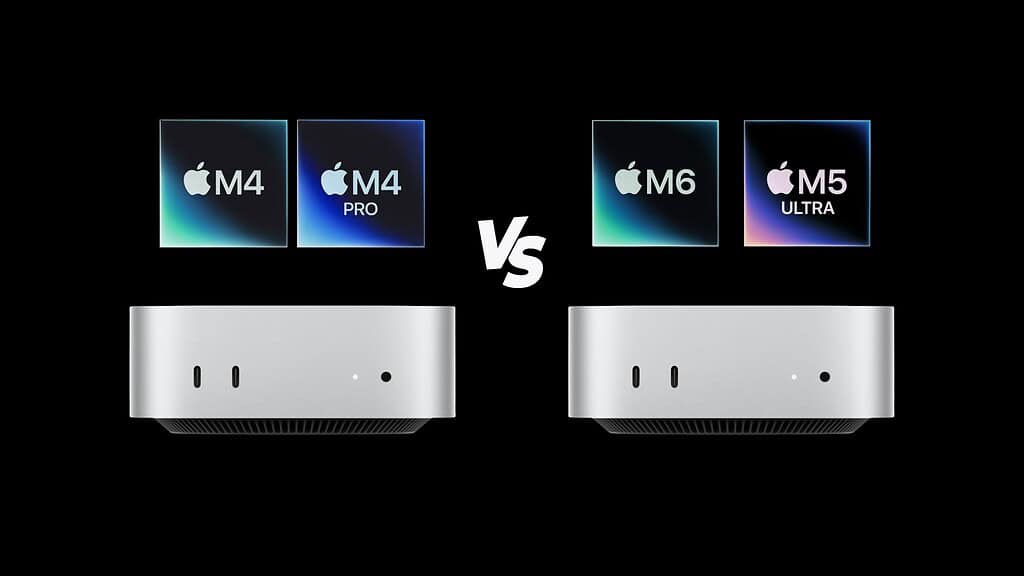
M6 Mac mini vs M4 Mac mini: Here’s Everything Apple Upgraded Mac mini, the product Apple has tied directly to its US production push.
The Broadcom deal, Apple’s largest of its kind

Separately, Apple announced on July 8, 2026 a new multiyear commitment with Broadcom to design and produce custom silicon components and wireless connectivity technology in the United States. Apple describes the agreement as expected to exceed $30 billion and calls it Apple’s largest American Manufacturing Program commitment to date. Apple says the deal will produce more than 15 billion US-made chips and support hundreds of American jobs, while enabling Broadcom to expand and modernize its Fort Collins, Colorado facilities with a further $1.5 billion investment of its own.

Both sit inside the same $600 billion commitment

Apple has framed both the Houston center and the Broadcom deal as part of its broader $600 billion, four-year US spending commitment, first announced in August 2025. That figure itself grew from an earlier $500 billion commitment Apple announced in February 2025, a jump Apple has not itemized publicly beyond the newer total. Apple has separately added new partners to its American Manufacturing Program as recently as March 2026. Laid out in order, Apple’s own announcements form a timeline that runs through the entire year leading up to Mac mini’s September 22 launch.

DateApple’s announcementAugust 2025$600 billion, four-year US commitment announced, up from an earlier $500 billion figureFebruary 2026“Apple accelerates U.S. manufacturing with Mac mini production”March 2026New partners added to the American Manufacturing ProgramJuly 8, 2026Broadcom commitment announced, expected to exceed $30 billionAugust 13, 2026Houston Advanced Manufacturing Center opens; Mac mini production begins there later in the yearSeptember 22, 2026Mac mini with M6 reaches general sale at $899

Why this belongs in the same story as M6

Apple has not published a single release tying Mac mini’s chip, M6, its first built on a 2-nanometer process, to either the Houston facility or the Broadcom agreement. What Apple has published is that Mac mini assembly work is moving to US soil at the same time as the machine’s most significant chip upgrade in years, and that Apple’s chip supply commitments in the US are now larger than any prior American Manufacturing Program deal. Those are two separate facts Apple has confirmed, not one Apple has connected explicitly. The September 9 keynote that introduced iPhone 18 Pro and its own US-relevant A20 Pro chip did not mention Mac mini at all, and Mac mini will run macOS 27 once that update ships.

What Apple has not said

Apple has not published which specific chips or components Broadcom will produce beyond “custom silicon components and cutting-edge wireless connectivity technologies,” nor a completion date for Mac mini’s move to US assembly. Apple also has not said what share of Mac mini units sold globally will come from US production versus other sites.

Mac mini, including the M6 model tied to this production push, reaches general sale Tuesday, September 22, 2026, at $899.

Free Training

Source link

Trump Signals Openness to Chinese EV Manufacturing in US


Washington – United States – US President Donald Trump signaled openness to allowing Chinese automakers to manufacture electric vehicles inside the United States, provided they utilize American labor, while reiterating a firm ban on direct foreign imports.

Direct import and shipping via Mexico were rejected

In an interview with Fox News, Trump explained that Washington refuses direct entry of Chinese cars into its markets to avoid market saturation, noting the possibility of Chinese companies following Japanese models by opening local factories that employ American workers.

The US president stressed his complete rejection of Chinese cars being manufactured in Mexico at low costs and then shipped across the border to the United States, emphasizing that any commercial production must take place entirely within US territory to support the local economy and employment.

Global expansion and legislative debate in Washington

Trump’s remarks come weeks before a highly anticipated summit with Chinese President Xi Jinping, at a time when Chinese vehicles face strict customs and security restrictions that include software systems and electronic components that Washington warns pose security risks.

This coincided with moves in Congress, led by prominent senators and supported by American companies and the United Auto Workers union, to introduce legislation imposing a ban on vehicle technology and software linked to countries that Washington considers strategic competitors.

Free Training

Source link