The U.S. will have more than 950 clean energy manufacturing facilities by 2030: report


A report from the American Clean Power Association (ACP) examines the breadth and impact of the clean energy manufacturing sector in the United States.

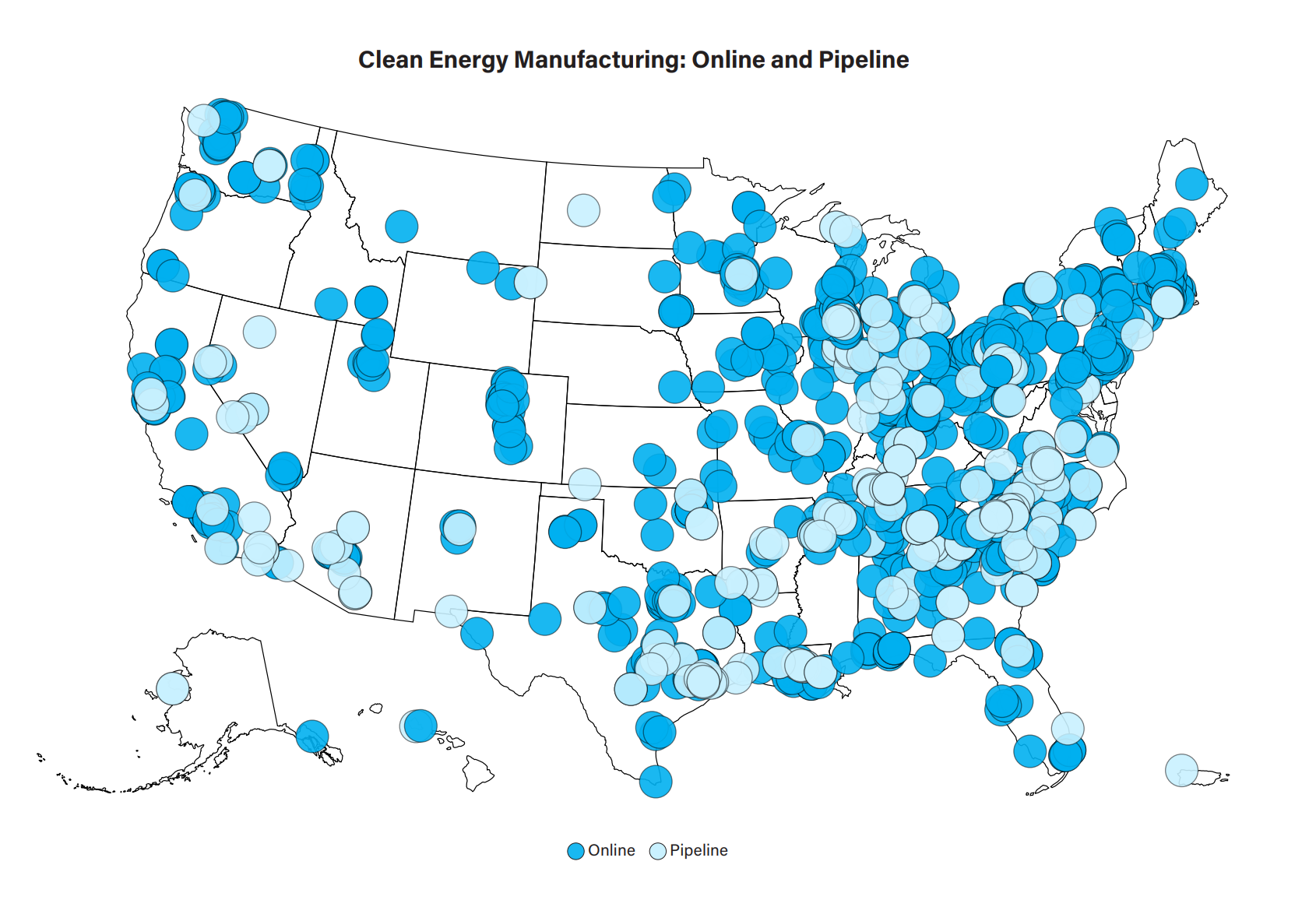
The report, called America Builds Power: The State of Clean Energy Manufacturing in 2026, covers 825 currently-active manufacturing facilities in all 50 states. The researchers identified 50,000 direct workers at the facilities, who make average salaries 35% greater than the national average. 

In addition to direct employment, the report states 50,000 jobs have been created to support upstream activities related to clean energy manufacturing activity, alongside nearly 107,000 jobs generated based on household spending by the original workers (induced jobs). 

Added together, the ACP says the total effective employment impact of clean energy manufacturing is 215,700 jobs, with 106,100 accounted for by solar manufacturing, 53,100 from energy storage manufacturing and 56,500 from wind.

In addition to employment related to operation and economic activity from the manufacturing facilities, the report outlines the impact of facility construction. The ACP finds that construction of new or expanded clean energy manufacturing facilities in 2025 supported 207,000 jobs and led to over $20 billion in increased GDP.

The top states by total GDP from clean energy component manufacturing include Texas, where much of the newest solar module capacity has been built, Michigan and Illinois, in which LFP battery cell manufacturing is king, Ohio, home of First Solar’s largest thin-film production facilities, and Georgia, where Qcells operates a vertically-integrated ingot-to-module manufacturing hub.

Looking toward the future

Chart showing existing and expected manufacturing capacity for solar modules and cells, battery modules and cells, and wind energy nacelles and towers.

By 2030, the ACP expects the number of jobs due to solar manufacturing to grow by more than 63,000, with annual solar module production capability ramping from 63 GW at the end of 2025 to over 85 GW by the end of the decade, with solar cell production capacity rising to about half that of modules.

The numbers for future energy storage manufacturing-related jobs are even higher, expected to grow by over 91,000 as battery module manufacturing capacity doubles from 75 to more than 150 GWh, and domestic LFP cell capacity jumps to over 130 GWh by 2030. Similarly huge increases are expected in the domestic production of anode and cathode materials and lithium processing.

Increases in the production capacity of and employment related to wind energy manufacturing are projected to increase by small amounts, with an estimated 2,400 new jobs expected through 2030. The relatively small predicted increases are due to current domestic production capacity already exceeding demand, with only slow growth expected in that demand.

Upcoming events

The topics covered in the ACP report echo those that will be explored in two upcoming events from pv magazine USA. 

The first of these events is Solar Manufacturing USA 2026, a live conference co-organized with Finaly Colville of Terawatt PV Research, to be held at the AT&T Hotel and Conference Center in Austin, Texas on September 22 and 23, 2026. 

Solar Manufacturing USA event banner

Representatives from companies throughout the domestic solar and energy storage supply chains will gather for networking events and sessions related to technology, facility construction, operations, procurement and materials sourcing. 

Current partners include T1 Energy, SEG Solar and Talon PV. Attendees are expected to include CTOs, heads of R&D, manufacturing and operations leaders, procurement teams, commercial and strategy executives, and specialists involved in supply-chain, quality and market-entry decisions.

USA Week 2026 event banner

The second event is pv magazine USA Week 2026, a virtual event held on October 20, 21 and 22. 

The theme for day one of the event is U.S. Solar Manufacturing: From Announcement to Implementation. The day’s program will feature a keynote address from a leader in the U.S. solar manufacturing space, and a panel discussion moderated by pv magazine USA senior editor Ryan Kennedy. Further details and registration will be available at the end of the summer. Partnerships are available for booking now at the event page on our global website.

Free Training

Source link

Manufacturing Energy and Carbon Footprints (2018 MECS)


Note: This page was published in December 2021 with the most recent Manufacturing Energy and Carbon Footprints, using 2018 U.S. Energy Information Administration (EIA) Manufacturing Energy Consumption Survey (MECS) data and updated assumptions. Earlier versions of the footprints are still available: 2014 EIA MECS data footprints, 2010 EIA MECS data footprints, and 2006 EIA MECS data footprints. Detailed analysis of the footprints and sector rankings, utilizing 2006 data, is available in the U.S. Manufacturing Energy Use and Greenhouse Gas Emissions Analysis report. For more information, reach out to us.

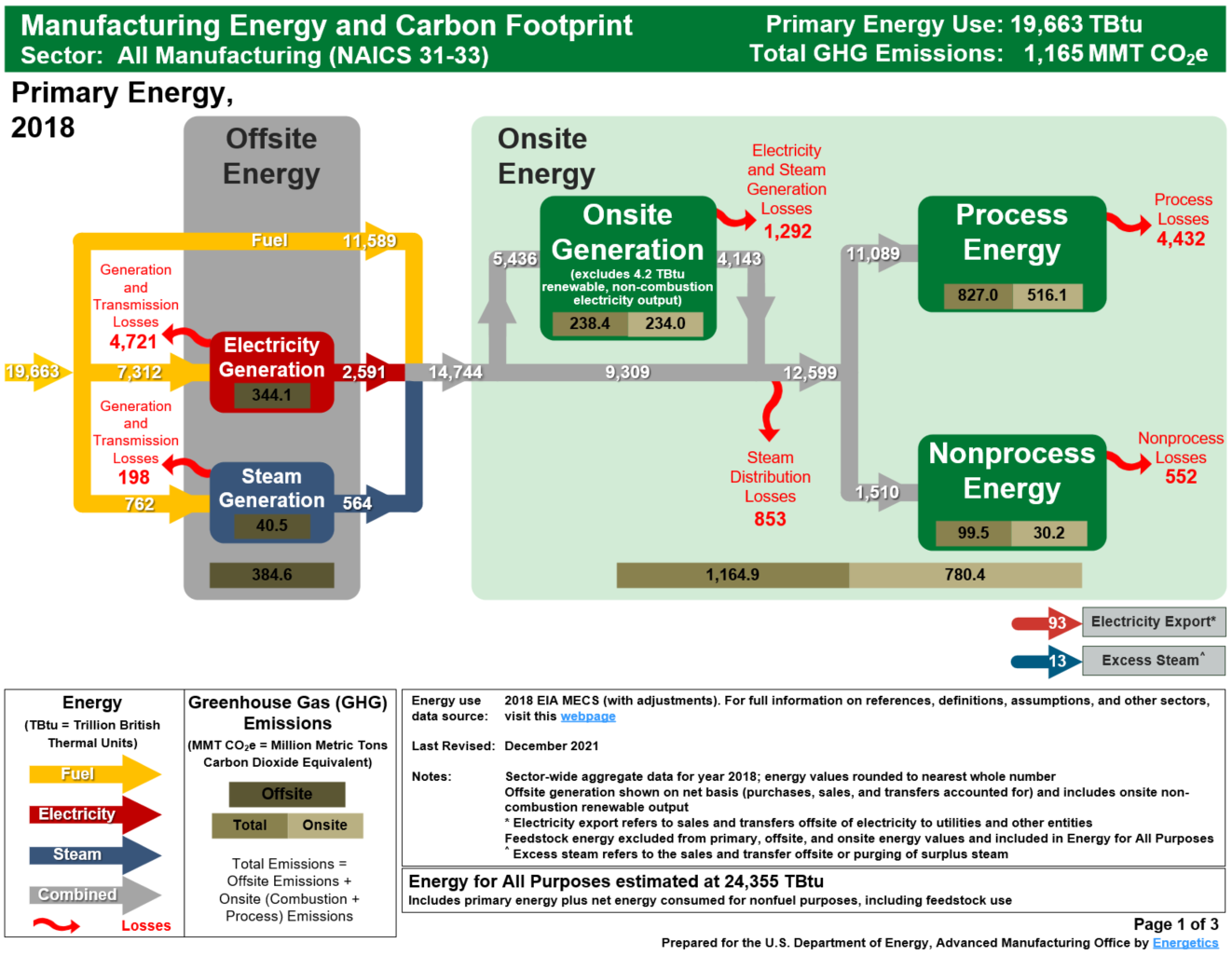
Manufacturing Energy and Carbon Footprints map the flow of energy supply, demand, and losses as well as greenhouse gas (GHG) emissions in diverse U.S. manufacturing industries, based on EIA MECS and U.S. Environmental Protection Agency (EPA) emissions data.

The footprints show where energy is used and lost in manufacturing—and the associated combustion and process greenhouse gas (GHG) emissions. Each footprint visualizes the flow of energy (in the form of fuel, electricity, or steam) to major end uses in manufacturing, including boilers, combined heat and power generation, process heaters, process coolers, machine-driven equipment, facility HVAC. The GHG emissions associated with energy generation and end use are also mapped.

AVAILABLE 2018 DATA FOOTPRINTS

Footprints are available for 15 manufacturing sectors, that collectively represent 95% of U.S. manufacturing primary energy use, 5 manufacturing subsectors, and U.S. manufacturing as a whole in 2018. Each of the 21 footprints are accessible through the links below. To download all footprints, click here.

FOOTPRINT CONTENT

The footprints present data at three levels of detail. The first page provides a high-level view of primary energy for heat and power (offsite and onsite), while the second page shows details of how energy is distributed to onsite end uses. The third page depicts the GHG emissions from each point of energy generation, end use, and non-combustion sources (i.e., industrial process emissions). The analyses are based on manufacturing energy consumption data from EIA’s Manufacturing Energy Consumption Survey (MECS), along with referenced energy loss and emission factors, and input from industry and subject matter experts. Greenhouse gas emissions analysis combines data from MECS as well as EPA’s Inventory of U.S. Greenhouse Gas Emissions and Sinks.

Aggregate data provided in each of the sectors includes:

  • Electricity and steam generated offsite and transferred to the facility
  • Electricity and steam generated onsite
  • Fuel, electricity, and steam consumed by major end uses in a manufacturing facility
  • Offsite and onsite energy losses due to the generation, transmission and distribution, and end use consumption of energy (some losses are unrecoverable)
  • Greenhouse gas emissions emitted during fuel combustion and byproducts of various non-energy-related manufacturing processes

FOOTPRINT PURPOSE

Footprints can help users better understand the distribution of energy use and compare use, loss, and GHG emissions within and across U.S. manufacturing sectors. Areas of significant energy consumption, energy losses, and/or GHG emissions could indicate improvement opportunities by implementing energy management best practices, upgrading energy systems, or developing new technologies. The footprints provide a macro-scale benchmark for evaluating energy and GHG emissions and for prioritizing opportunity analysis.

ADDITIONAL ANALYSIS

The U.S. Manufacturing Energy Use and Greenhouse Gas Emissions Analysis report expands on the Energy and Carbon Footprints for 2006 to trace energy from supply (fuel, electricity, and steam) to major end-use applications in U.S. manufacturing. The report ranks the energy use, energy losses, and greenhouse gas (GHG) combustion emissions of 15 sectors.

Free Training

Source link

U.S. Clean Energy Manufacturing Surges Ahead Despite Policy Hurdles, Reports The American Clean Power Association


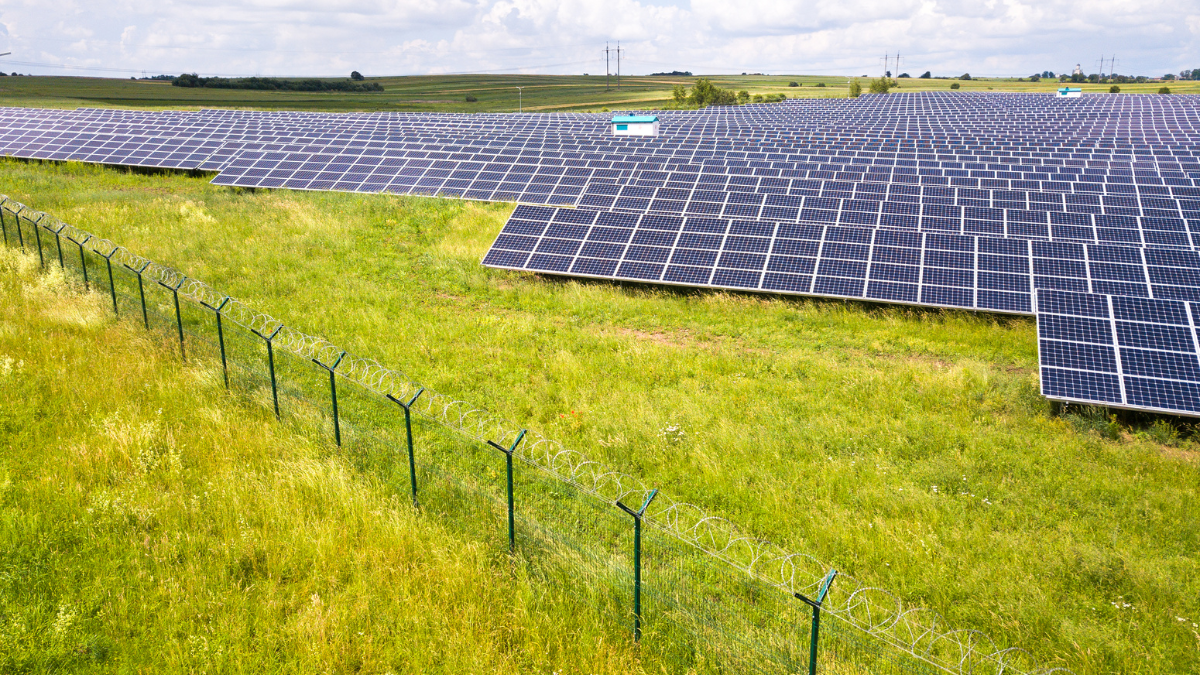
Representational image. Credit: Canva

Momentum in the American clean energy manufacturing sector continues to build despite ongoing policy challenges, according to the second annual State of Clean Energy Manufacturing report released by the American Clean Power Association. The report shows that clean energy manufacturing has become a key pillar of the U.S. industrial economy, offering affordable, reliable and quickly deployable domestic solutions to meet the nation’s growing energy needs.

By increasing production within the United States, the industry also boosts national security by reducing dependence on foreign energy supplies and international supply chains.Speaking about the findings, Jason Grumet emphasized that rising energy demand makes it essential to expand clean power systems built in the U.S.

He explained that to sustain the current manufacturing growth, the country needs clear, targeted and consistent international trade policies. This includes reasonable timelines for complying with tariffs and greater regulatory certainty, which would allow clean energy manufacturers to continue supporting economic development and strengthening local communities across the nation.The report highlights several important trends.

It notes that every clean energy manufacturing job generates four additional jobs across the wider economy—one through supply-chain activities and three more through household spending. It also points out that more than 235 new clean energy manufacturing facilities have opened in the United States over the past five years.

Today, more than 300 factories nationwide produce essential components such as wind turbine blades, towers, nacelles, solar modules and batteries. The report further states that domestic manufacturing capacity is now sufficient to fully meet U.S. demand for solar modules, battery modules, wind towers and wind nacelles.

Overall, the findings reinforce that clean energy manufacturing is not only advancing the country’s energy infrastructure but also significantly contributing to economic growth and national resilience, even in the face of policy headwinds.

Free Training

Source link

Shoals Technologies Group, Inc. Opens New Mega Facility in Portland, Tennessee, Reinforcing American Manufacturing and Energy Supply Chain


News Summary:


  • Shoals Technologies Group, Inc. opened its new 638,000-square-foot Mega Facility in Portland, Tennessee, bac


    ked by a $30 million investment.

  • The new campus expands domestic U.S. manufacturing capacity and strengthens the American supply chain to meet growing demand for solar, battery energy storage systems (BESS), and data center infrastructure.

  • The milestone also commemorates Shoals’ 30th anniversary and included a $20,000 donati


    on to Hands of Hope to support meals across Portland and Sumner County.

PORTLAND, Tenn., May 19, 2026 (GLOBE NEWSWIRE) —

Shoals Technologies Group, Inc.


(“Shoals”) (NASDAQ: SHLS), a global leader in electrical infrastructure solutions for the energy transition market, announced the grand opening of its new Mega Facility in Portland, Tennessee, marking a major milestone in the company’s continued investment in American manufacturing and the future of energy infrastructure.

Backed by a $30 million investment with a total commitment of up to $80 million over five years, the facility strengthens Shoals’ ability to deliver safe, efficient and reliable power infrastructure solutions across solar power, battery energy storage systems (BESS), and mission-critical facilities, including data centers. This investment comes as the need for resilient, domestically produced electrical infrastructure continues to grow across the United States.

“As demand for energy infrastructure continues to accelerate, this new Mega Facility allows Shoals to scale alongside our customers and meet the needs of a rapidly evolving energy landscape,” said Brandon Moss, chief executive officer at Shoals Technologies Group, Inc. “By expanding our domestic manufacturing footprint and bringing increased capacity, we are strengthening the American energy supply chain and enabling faster, more efficient energy deployment.”

Located at 1500 Shoals Way, the new 638,000-square-foot, state-of-the-art manufacturing campus consolidates Shoals’ three existing Tennessee facilities into one centralized location, significantly expanding production capacity, increasing automation in production and packaging, and leveraging operational efficiencies to support increasing demand across the energy sector.

The opening of the Mega Facility also coincides with Shoals’ 30th anniversary, celebrating three decades of innovation. On May 18, Shoals marked both milestones with a ribbon-cutting ceremony for its new Mega Facility and a $20,000 donation to Hands of Hope, helping provide meals to residents in Portland and across Sumner County. The donation underscores Shoals’ ongoing commitment to supporting the community that has played an important role in the company’s success over the past 30 years.

“Shoals’ 30th anniversary is a moment to celebrate both our company’s success and the people and communities who have helped make it possible,” said Mr. Moss. “The opening of our new Mega Facility is an investment in the future of energy infrastructure and a commitment to the Portland community, creating jobs and supporting local families through our donation to Hands of Hope as we look ahead to our next chapter of growth.”

For more information, visit:

www.shoals.com


.


About Shoals Technologies Group, Inc.


Shoals Technologies Group is a leading manufacturer of advanced electrical infrastructure solutions for mission-critical applications across utility‑scale solar, battery storage, and data center power systems. Since its founding in 1996, the Company has designed innovative technologies and systems solutions that allow its customers to substantially increase installation efficiency and safety while improving system performance and reliability at scale. Shoals Technologies Group is a recognized leader in the energy transition industry. For additional information, please visit:


https://www.shoals.com


.


MEDIA CONTACTS


Lindsey Williams

[email protected]

Kelly Nguyen

[email protected]


609-385-6701

Photos accompanying this announcement are available at


https://www.globenewswire.com/NewsRoom/AttachmentNg/11d9500b-0f99-40f8-b6fe-645ec168a555


https://www.globenewswire.com/NewsRoom/AttachmentNg/649e52d0-f9d8-45bb-9dc7-df495b8b3d37


https://www.globenewswire.com/NewsRoom/AttachmentNg/775e9125-7d3c-450a-8948-272e7dcaa58c

Free Training

Source link

The State of Clean Energy Manufacturing in Q1 2026: Environmental Defense Fund Report | Mitchell, Williams, Selig, Gates & Woodyard, P.L.L.C.


Introduction –

2025 represented a turning point in clean energy manufacturing in the United States. From 2021 to 2024, the country experienced an unprecedented clean energy manufacturing boom supported by federal policies that accelerated private investment. In 2025, growth in clean energy manufacturing largely declined in the wake of the Trump administration’s policies and congressional cuts to clean energy tax credits.

Please see full publication below for more information.

Free Training

Source link

U.S. Battery Manufacturing Construction Hits $45 Billion Amid Energy Storage Shift


U.S. Battery Manufacturing Construction Reaches $45B as Automakers Shift Toward Energy Storage

Battery manufacturing construction activity across the United States has reached unprecedented levels, with approximately $45 billion worth of projects currently under construction as automakers and energy companies pivot toward energy-storage technology.

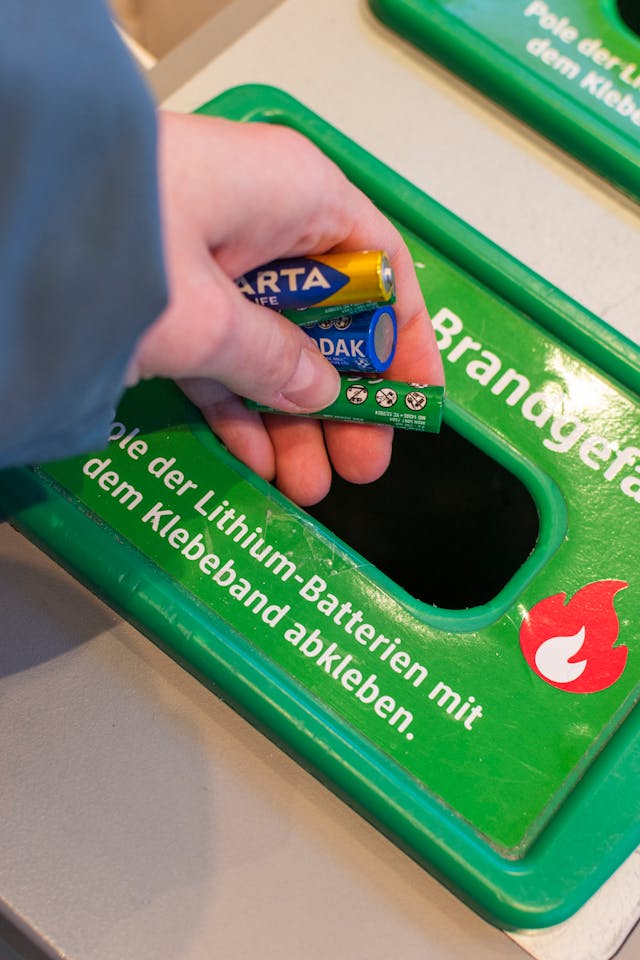
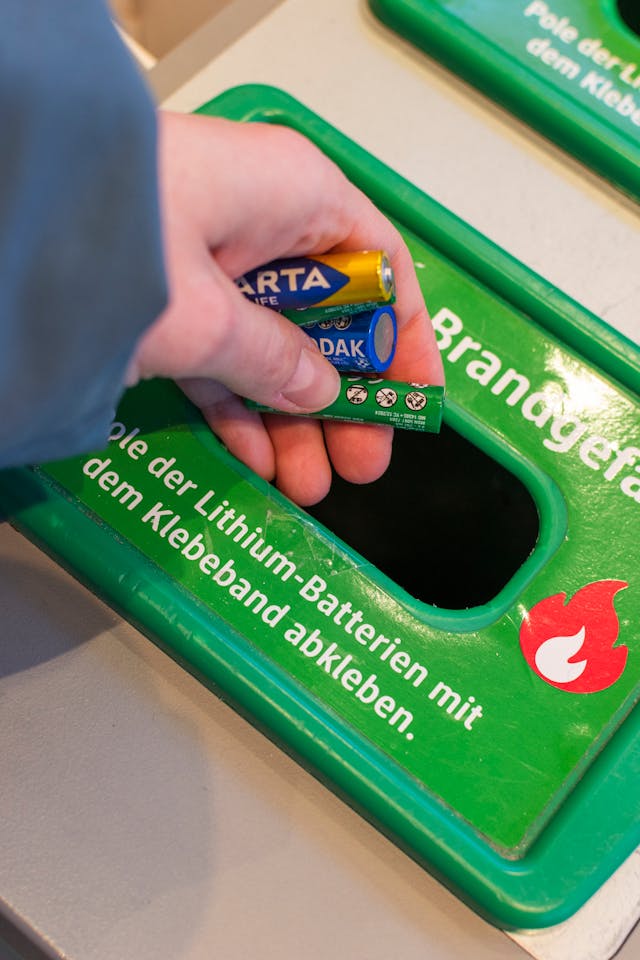
Courtesy: photo by Julia on Pexels

According to new data released by Industrial Info Resources (IIR), the U.S. has roughly $63 billion in active and planned battery-manufacturing projects underway, with the majority of spending tied to facilities already being built.

The construction boom reflects a significant shift in strategy among automotive manufacturers and battery suppliers as demand growth for fully electric vehicles slows and companies increasingly focus on battery energy storage systems, or BESS.

“Rollbacks on energy transition funding — including the expiration of the federal $7,500 consumer EV tax credit — and slower-than-expected market adoption — are leading domestic automakers to shift production from full EVs, leaving some U.S. battery-manufacturing capacity underutilized,” the report stated.

Industry analysts say the transition is also being fueled by growing electricity demand from data centers and renewable energy infrastructure.

Automakers Reconfigure Facilities for Energy Storage Production

Major automakers including Ford and General Motors are investing billions to convert or expand facilities capable of producing lithium-iron-phosphate batteries for energy-storage applications.

Ford recently launched its new Ford Energy division and is investing approximately $2 billion to convert a former EV battery plant in Glendale, Kentucky, into a commercial BESS manufacturing facility. The plant is expected to produce at least 20 gigawatt-hours annually and begin operations in 2027.

Another Ford battery project under construction in Marshall, Michigan, is expected to begin production later this year and will focus on smaller residential battery units.

General Motors and Samsung SDI are also constructing a $3.5 billion battery facility in Indiana designed to support both EV and energy-storage battery production. Construction is expected to conclude by the end of 2027.

Meanwhile, GM’s Ultium Cells joint venture with LG Energy Solution is retooling its Spring Hill, Tennessee, facility to shift manufacturing toward lithium-iron-phosphate battery cells for energy storage.

Battery-storage technology is becoming increasingly important for utilities and data centers seeking alternatives to diesel-powered backup systems during grid disruptions.

Suppliers Expand U.S. Battery Investments

Battery manufacturers and suppliers are continuing to invest heavily in U.S. production capacity tied to Tesla and hybrid vehicle demand.

LG Energy Solution recently signed a deal to provide Tesla with $4.3 billion worth of lithium-iron-phosphate battery cells from its Lansing, Michigan, facility for use in energy-storage systems. The agreement is driving plans for a multibillion-dollar retooling and expansion of the plant.

Panasonic is also moving forward with a $4 billion expansion of its De Soto, Kansas, facility near Kansas City to increase production of battery cells for Tesla electric vehicles. Full-scale production is expected to begin in 2027.

Toyota is simultaneously expanding battery production at its Liberty, North Carolina, campus, the company’s only battery plant outside Japan. The project includes a new building with two production lines and eight additional lines dedicated to plug-in hybrid vehicles.

Industrial Info Resources said the rapid expansion of battery manufacturing construction demonstrates how energy storage is becoming a critical component of the nation’s evolving power infrastructure and industrial economy.

The report also highlights how data center growth and grid reliability concerns are reshaping investment priorities across the automotive and manufacturing sectors.

Originally reported by Danny Levin, Deputy Editor for IIR News Intelligence (Sugar Land, Texas) in Industrial Info. Com.

Free Training

Source link

Japan’s $36 Billion U.S. Investments: A New Era in Energy and Manufacturing


In a major economic development, President Donald Trump’s administration has unveiled three significant projects totaling $36 billion, all financed by Japan. These ventures mark the first wave of investments under Japan’s $550 billion commitment to the United States as part of a trade agreement that reduced tariffs on Japanese imports to 15%.

Among the projects is a $2.1 billion deepwater crude oil export facility in Texas, expected to generate up to $30 billion annually in exports. An $800 million industrial diamonds plant is set for Georgia, aimed at meeting the entire U.S. demand for synthetic diamond grit used in advanced manufacturing. The centerpiece, however, is a $33 billion natural gas-fired power plant in Ohio, slated to become the world’s largest of its kind by capacity.

The announcement follows recent discussions between U.S. Secretary of Commerce Howard Lutnick and Japan’s economic minister, Ryosei Akazawa. While the projects promise significant benefits, key issues, including financial specifics and tariff implications, remain under negotiation as both nations navigate this landmark collaboration.

(With inputs from agencies.)

Free Training

Source link

Trump’s Attack on Green Energy Hits Manufacturing Sector Hard


United States President Donald Trump has repeatedly pledged to ramp up the country’s manufacturing capacity and create more American jobs across a wide range of industries. While Trump has supported the expansion of certain industries, he has hindered the operation of others. In recent months, Trump has attacked green energy, using executive orders and new policies to restrict renewable energy development and cleantech manufacturing. This has resulted in sectoral stagnation, as investors grow more uncertain about the future of the industry.

In 2024, during the presidential campaign, Trump stated that the new American industrialism “will create millions and millions of jobs, massively raise wages for American workers, and make the United States into a manufacturing powerhouse like it used to be many years ago.”

Upon entering office in January last year, Trump pledged to expand fossil fuel production and boost U.S. manufacturing. “The inflation crisis was caused by massive overspending and escalating energy prices, and that is why today I will also declare a national energy emergency. We will drill, baby, drill,” stated Trump.

Set OilPrice.com as a preferred source in Google here.

“America will be a manufacturing nation once again, and we have something that no other manufacturing nation will ever have – the largest amount of oil and gas of any country on Earth – and we are going to use it,” the president added. He later described “tariffs” as his favourite word, and said the introduction of tariffs on foreign imports was key to bringing manufacturing back to the U.S.

These pledges have not been achieved. Employment in the manufacturing sector remained relatively flat during the first few months of Trump’s presidency, before falling for eight months straight. In addition, wage growth for non-managerial factory workers slowed in 2025. While Trump supporters say it will take time to see the positive impact of his trade policies, critics suggest that investment in factory construction has also fallen in recent months, which makes mid-term growth unlikely.

While manufacturing in general has suffered in recent months, green manufacturing has fared even worse. Under former President Biden, the U.S. witnessed significant growth in cleantech manufacturing. Years of increased investment in battery, electric vehicle (EV), solar panel, and other cleantech manufacturing, supported by funding from the Inflation Reduction Act (IRA), led to rapid industry expansion in this sector.

The IRA drove an estimated $100 billion in cleantech manufacturing commitments through incentives for consumers and manufacturers. This led to the creation of thousands of jobs in the sector and a strong cleantech project pipeline, which encouraged investors to support long-term sectoral growth. This was reflected in the expansion of cleantech manufacturing in states across the political spectrum, including traditional oil and gas-producing regions. 

However, since becoming president, Trump has sought to stall IRA progress and shift the focus to fossil fuel expansion. He has done this by halting wind energy developments, encouraging consumers to continue investing in gas-guzzling cars instead of EVs, and introducing numerous, far-reaching executive orders targeting renewable energy. In 2025, Trump placed stipulations on incentives for manufacturing facilities and cut several of the tax credits that helped grow demand for U.S.-produced cleantech.

Companies spent a total of around $41.9 billion on cleantech manufacturing factories in 2025, marking a significant reduction from the $50.3 billion investment made in 2024, according to data from the Clean Investment Monitor. Further, fewer businesses are making plans to invest in cleantech, due to the growing investor uncertainty of the last year. Although companies in the U.S. announced $24.1 billion in new cleantech manufacturing projects, $22.7 billion worth of cleantech projects were cancelled.

For example, in 2025, the Singapore-based solar panel producer Bila Solar halted plans to double capacity at its Indianapolis facility. Canada’s Heliene announced it was assessing plans for its Minnesota solar cell plant. Norway’s solar wafer producer, NorSun, also halted development to assess whether to move forward with a planned facility in Tulsa, Oklahoma. And two offshore wind farms in the northeast of the country faced the risk of not being completed due to opposition from the Trump administration.

The factory cancellations have resulted in the loss of thousands of jobs. At least 10,000 green energy manufacturing jobs were lost last year, out of a total of 72,000 manufacturing jobs lost in 2025, according to U.S. government figures. The job cuts were industry-wide, from EV production to solar panel manufacturing, and everything in between.

This may be just the beginning of the downfall of U.S. green energy manufacturing, as the Trump administration continues to revise, restructure, and cancel billions of Biden-era funding commitments for U.S. renewable energy and cleantech projects, in favour of expanding fossil fuels. In January, the U.S. Department of Energy announced that the Office of Energy Dominance Financing is restructuring, revising, or eliminating over $83 billion in what it termed “Green New Scam” loans and conditional commitments from the Biden-era loan portfolio.  

By Felicity Bradstock for Oilprice.com

More Top Reads From Oilprice.com

Free Training

Source link

Siemens Energy to Invest $1 Billion in U.S. Manufacturing, Add 1,500 Jobs


Siemens Energy plans to invest $1 billion to expand U.S. manufacturing capacity for grid equipment and gas turbines, adding more than 1,500 jobs as power demand accelerates from data centers, AI infrastructure and electrification.

(P&GJ) — Siemens Energy has finalized plans to invest $1 billion to expand manufacturing operations across the United States, a move that will create more than 1,500 highly skilled jobs as electricity demand rises sharply due to data centers, artificial intelligence infrastructure and industrial electrification.

The investment builds on plans outlined at the company’s Capital Market Day in Charlotte, North Carolina, last November and includes a mix of brownfield expansions and one greenfield project. Siemens Energy said the program will increase domestic production of grid equipment, transformers and large gas turbines, while strengthening U.S.-based manufacturing capacity to meet growing demand.

As part of the expansion, Siemens Energy will construct a new high-voltage switchgear manufacturing facility in Mississippi and expand transformer production, gas turbine manufacturing and grid technology operations in several states. The company said the approach allows it to use manufacturing capacity efficiently while supporting long-term market growth.

“Siemens Energy has been making things in the United States for more than a century and we are experiencing a once-in-a-generation growth opportunity due to the resurgence of U.S. manufacturing and the growth of artificial intelligence,” said Christian Bruch, CEO and President of Siemens Energy. “The current policy environment has contributed to this momentum. The Trump Administration has made energy security, a reliable and resilient grid, and growing U.S. manufacturing jobs a priority. This has supercharged the energy demand which is supporting new investments across the energy sector. We are excited to help write this next chapter of American energy expansion.”

The expansion is expected to add more than 1,500 roles across manufacturing, engineering and operations. Siemens Energy said it will also expand apprenticeship programs and training initiatives to support workforce development across the energy industry.

“This tremendous investment in a critical part of our power grid supply chain underscores President Trump’s success in expanding supply chain access and bringing major manufacturing back to America,” said U.S. Interior Secretary Doug Burgum. “We appreciate great partners like Siemens Energy, who proactively partner with the Trump administration for the benefit of the American people, prioritizing critical components to make the United States Energy Dominant!”

Planned Site Investments

Siemens Energy said the investment will be spread across multiple states:

  • Mississippi (Greater Richland area): Construction of a new high-voltage switchgear plant, including a training center, with plans to hire up to 300 employees.

  • North Carolina (Charlotte, Winston-Salem and Raleigh): Expanded transformer manufacturing and servicing, resumption of gas turbine manufacturing in Charlotte, turbine component production in Winston-Salem, and expanded grid technology, engineering and R&D operations in Raleigh. About 500 jobs are expected across the state.

  • Florida (Orlando and Tampa): Expansion of turbine blade and vane manufacturing in Tampa and upgrades to research and development capabilities in Orlando, including an artificial intelligence digital grid technologies laboratory with NVIDIA. The company will also relocate and modernize its regional headquarters in Orlando.

  • Alabama (Fort Payne): Expanded production of copper and insulation components for generators, creating about 120 jobs.

  • New York (Painted Post) and Texas (Houston): Facility upgrades supporting the manufacture and servicing of compression equipment used to transport gas and liquids through pipelines.

Siemens Energy said the U.S. remains a core market for the company, accounting for nearly 29% of global order volume last fiscal year. The company currently employs more than 12,000 people across 25 U.S. facilities and works with nearly 5,000 domestic suppliers.

Free Training

Source link

Siemens Energy to add 120 jobs in Fort Payne as part of $1 billion U.S. manufacturing investment


Siemens Energy plans to add 120 advanced manufacturing jobs at its Fort Payne facility as part of a more than $1 billion U.S. investment initiative, according to a joint announcement from the DeKalb County Economic Development Authority and the City of Fort Payne.

The expansion will increase production capacity at the longtime Northeast Alabama plant and is expected to strengthen the region’s role in energy-sector manufacturing.

The Fort Payne facility, which opened in 1988, currently employs about 250 workers. Officials said the added positions will support expanded production of copper and insulated electrical components used in power-generation equipment. The growth is expected to position Siemens Energy among DeKalb County’s five largest manufacturing employers based on current employment levels.

Siemens Energy President of North America Matt Neal said the company’s technology already plays a major role in U.S. power generation and demand is rising.

“Twenty-five percent of the power generated in the United States relies on Siemens Energy technology and that process starts here in Alabama. We need more electricity to fuel our daily lives and our growing economy and that has increased demand for our equipment. Throughout the country we are expanding manufacturing and hiring more workers and doing so in places like Fort Payne where we already have a great workforce, a robust pipeline of talent, and strong partnerships with the community,” Neal said.

Alabama Commerce Secretary Ellen McNair said the expansion reflects confidence in the state’s workforce and business climate.

“Siemens Energy’s expansion in Fort Payne is a tremendous vote of confidence in the highly skilled local workforce and underscores the strong community partnerships with business in our state,” McNair said. “We are excited to watch this new phase of growth unfold and stand ready to help the company achieve its future strategic goals and innovations.”

Brett Johnson, Executive Director of the DeKalb County Economic Development Authority, said the project strengthens the county’s industrial base.

“Existing industries like Siemens Energy are the backbone of DeKalb County’s growing economy,” Johnson said. “As a major employer, Siemens Energy’s continued reinvestment creates long-term stability, higher-wage jobs, and sustained economic growth for our communities. The work being done at the Siemens Energy manufacturing plant in Fort Payne is literally helping generate reliable power around the globe, and that is the kind of work we can all be proud to say is made right here in DeKalb County, Alabama.”

Fort Payne Mayor Brian Baine said the additional jobs will have a regional ripple effect.

“These are the kinds of high-quality, advanced manufacturing jobs that strengthen families and elevate our workforce,” Baine said. “This manufacturing investment will transform the trajectories of 120 families across our region and create a wider ripple effect throughout our local economy. Investments like these create new opportunities for small businesses, workforce development, and our entire community. We welcome this investment and stand ready to support Siemens Energy throughout the process.”

Bryan Wilkin, Siemens Energy’s Director of Operations in Fort Payne, said the company plans to grow both its workforce and its community involvement.

“Siemens Energy is buzzing with excitement as we announce significant growth and investment in our Fort Payne factory. This expansion not only marks a milestone in our company’s journey but also brings a wave of new job opportunities to the area. We are thrilled to share that we will be hiring a substantial number of new employees, which will undoubtedly have a positive impact on our local economy and provide stability for many families. Our current employees can also rest assured that their positions remain stable and secure as we recognize and appreciate their continued hard work and dedication. In addition to these exciting developments, we are proud of our ongoing involvement in community initiatives. Our factory remains dedicated to supporting local events, charities, and projects that benefit the well-being of our neighbors. As we move forward with these plans, we invite the community to join us in celebrating this new chapter together,” Wilkin said.

Siemens Energy became an independent energy technology company after being spun off from Siemens AG in 2020 and operates more than two dozen facilities across the United States, including multiple manufacturing sites.

With the planned hiring and production increase, local leaders say the Fort Payne expansion adds to growing momentum for advanced manufacturing across Northeast Alabama.

Sherri Blevins is a reporter for 256 Today.

Free Training

Source link